





 Meet&Co
HIGH POINT — For domestic casual furniture manufacturers, producing in the U.S. can provide a direct advantage when retailers and specialty dealers are seeing continued consumer interest in outdoor living.
Executives at Polywood and Telescope Casual point to several benefits of their domestic manufacturing operations, including shorter lead times, greater flexibility in responding to demand and the ability to develop products around their own production capabilities. Both companies, however, continue to face challenges related to labor availability and rising material costs.
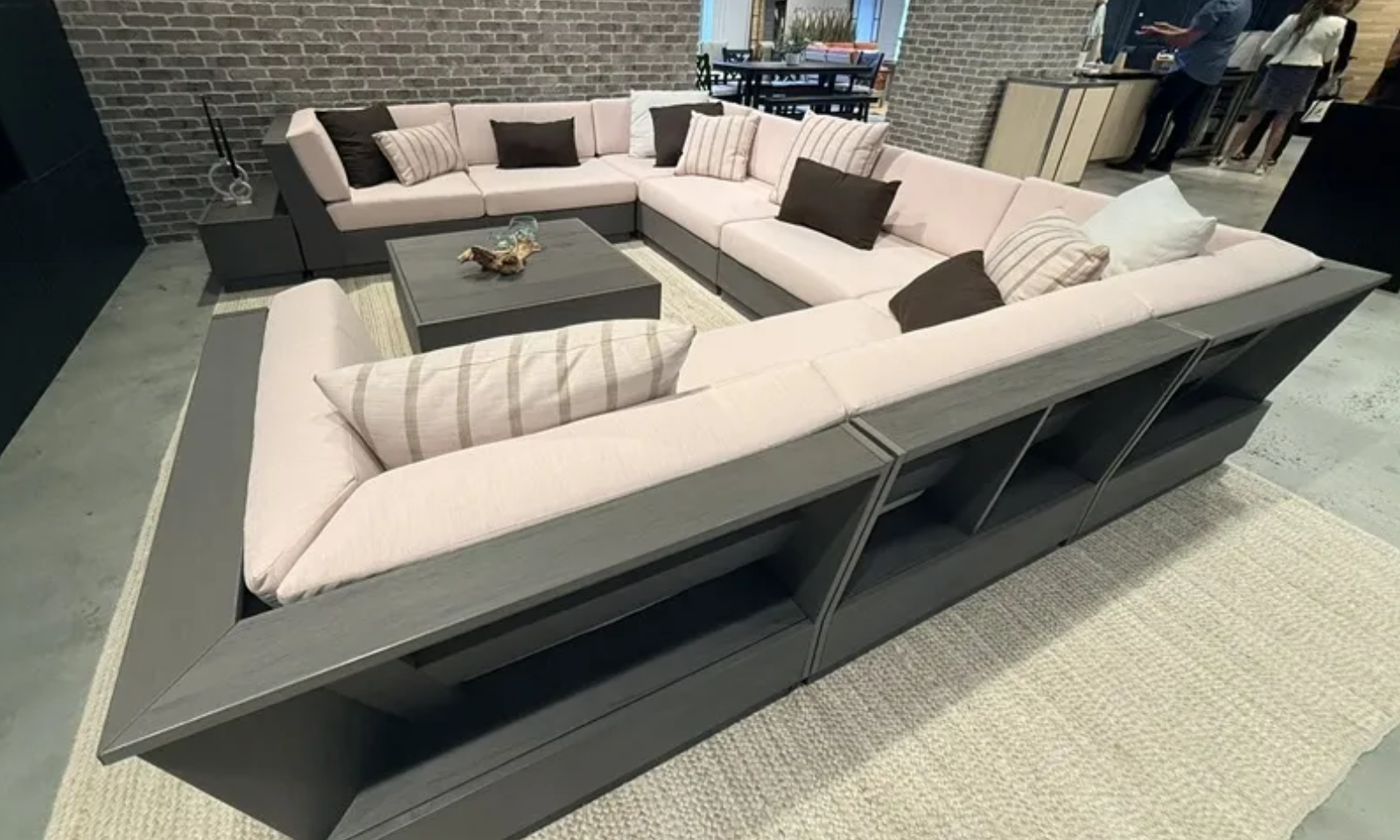
Source: https://www.furnituretoday.com/
“Trying to keep up with demand has been a good problem for us over the years,” said Bryce Glock, senior sales manager at Polywood, which has manufacturing facilities in Indiana and North Carolina.
“Trying to stay staffed and keep the machining and technology up to date to meet that demand is definitely one of our challenges. But we feel we’ve done a pretty good job of meeting it, keeping lead times low and keeping all of our production here in the U.S.”
Special Orders Add Value for Retailers
For Telescope Casual, domestic production provides an important advantage through its ability to handle special orders without requiring dealers to maintain large inventories. The company operates an approximately 1-million-square-foot facility in Granville, N.Y.
Telescope President Henry Vanderminden IV said the company’s roughly 275 employees have maintained strong efficiency, although additional workers would help the company reduce its backlog.
Higher raw-material costs are another concern for Telescope. Vanderminden said the impact is especially noticeable in deep seating, which already requires more materials than sling seating because of its cushions and construction.
Domestic Manufacturing Supports Product Development
Polywood is using its manufacturing capabilities and investments in materials, machinery and engineering to expand into new areas of outdoor furniture.
At Casual Market Atlanta, the company introduced pergolas, marking its first move into a broader outdoor-structures category. Glock said the company’s domestic production capabilities helped make the expansion possible and could support future products such as gazebos, arbors, privacy screens and additional swing-stand options.
“It gives us more ways to replace traditionally wood products with our material, which is going to last,” he said.
The company has also developed motion mechanisms internally as it expands its deep-seating assortment with gliding, rocking and swivel features. Other developments include quick-drying cushion constructions, taller chaise lounges designed to make getting in and out easier, and roto-molded in-pool furniture designed without metal hardware that could corrode.
At Telescope, manufacturing development has focused in part on construction details and appearance. Pisani said the company works to conceal attachment points instead of leaving hardware visible, a feature he said is common in many imported high-performance products.
“We want to produce very clean furniture. When consumers walk out of their homes and look at their patio sets, they’re going to see the frame they bought, not exposed attachment points,” he said.

_15.webp)