





 Meet&Co
If you’re searching for an “ADHD chair,” you might be frustrated. There isn’t one single product with that exact name. The term usually refers to a type of chair that helps with focus and movement.
So, what is the ADHD chair called? These chairs are most commonly known as wobble chairs, active chairs, or balance stools. They are designed to allow for safe and gentle movement while sitting.
Why does this help? For many people with ADHD, and even those without, staying perfectly still can be hard. It can make focusing even more difficult. An active chair lets you tap your feet, sway slightly, or rock back and forth without leaving your seat. Such movement provides sensory input that can help calm the mind and improve concentration.
This practical guide will explain the different types of active seating, from wobble stools to kneeling chairs. The Meet&Co team will help you understand how they work and how to choose the right one for your needs, whether for an adult’s home office or a child’s study space.
Why Movement Helps with Focus? The Simple Idea Behind Active Chairs
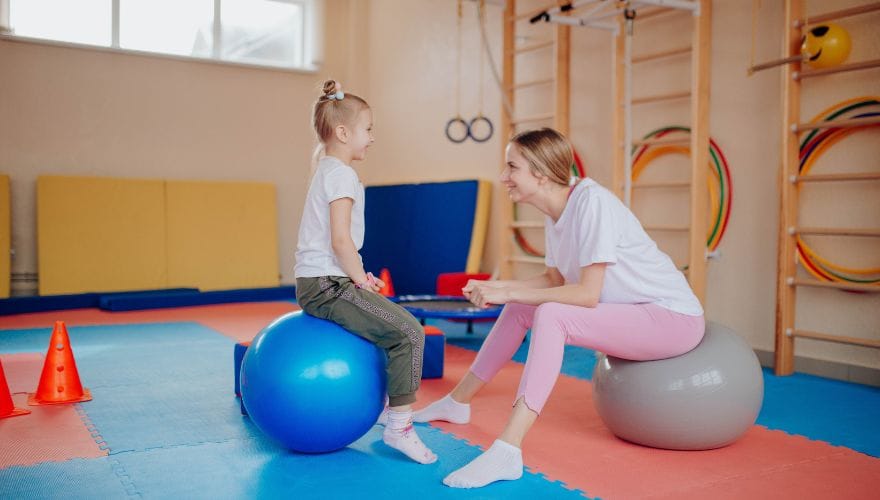
You might wonder why a chair that moves could help someone focus. It seems backwards. Usually, we’re told to “sit still and concentrate.”
The key idea is simple. For many people, especially those with ADHD, the brain craves sensory input. Staying perfectly still can feel frustrating. It can make the mind search for other distractions.
A chair that allows gentle movement, like a wobble stool, meets this need. It provides a small, physical outlet for restless energy. This lets the brain channel more resources into the task at hand, like reading or working.
Think of it like this. Tapping a foot or fidgeting with a pen is a common way to self-regulate. An active chair is designed for that same purpose. It lets the body move in a safe, controlled way so the mind can settle.
This isn’t about big swings or motions. It’s about subtle swaying, rocking, or balancing. This movement sends calming signals to the nervous system. It can improve alertness without becoming a distraction itself.
Common Types of “ADHD Chairs” (Active Seating)
Now, let’s look at the main types of chairs designed for movement. They all work a bit differently. You can find the right one for your needs.
1. Wobble Stools
This is likely what most people picture. A wobble stool has a rounded, dome-like base instead of regular legs. It allows you to tilt and sway in all directions while staying seated.
Why it works: It provides constant, gentle movement. Wobble chairs can satisfy the need to fidget and help with core muscle engagement. It’s a popular choice for kids’ desks and flexible classrooms.
Helpful articles:
2. Kneeling Chairs
A kneeling chair slopes forward. You sit with your weight partly on your seat and partly on your shins, which rest on a padded kneepad. This opens up your hip angle and naturally encourages a straighter spine.
Why it works: It promotes an active sitting posture. Your body is constantly making tiny adjustments to stay balanced, which can aid focus. It’s often chosen by adults for home offices.
3. Balance Cushions (or Disc Cushions)
This isn’t a full chair, but a simple and affordable tool. It’s an inflatable or foam disc that you place on top of any existing chair or even on the floor.
Why it works: The unstable surface creates subtle, active sitting. It’s a great way to try active seating without buying a whole new chair. It’s also very portable.
4. Bean Bag Chairs
A bean bag chair is a large, soft bag filled with beads or foam. It molds to your body shape, offering deep, wrap-around pressure and touch input.
Why it works: This deep pressure can have a very calming and organizing effect on the sensory system. It’s excellent for reading, relaxing, or taking a sensory break to help reset and self-regulate.
Important note: It’s great for calming, but its lack of back support and structure typically makes it unsuitable for focused tasks at a desk. It’s best for downtime, not work time.
You can also see: Top 7 Best Bean Bags: A Buying Guide.
5. Other Options
You might also see rocking chairs or swivel chairs recommended. The key is any seat that permits safe, rhythmic motion without needing to stand up. The best choice depends on the person, the task, and the space.
Next, we can go over a simple checklist to help you choose between these options for your specific situation.
How to Choose the Right Active Chair for You
With different types of active chairs available, how do you pick one? Use this simple list to think about what matters most for you or your child.
| Consideration | What to Think About | Quick Tips |
|---|---|---|
| Primary Use | Will it be for focused work at a desk, or for relaxing/reading? | Desk work: Choose wobble stools, kneeling chairs, or balance cushions. Relaxing/Calming: A bean bag chair is a great option. |
| Age & Size | Is it for an adult or a child? What is the user’s height and weight? | Always check the product’s height range and weight capacity. A chair that’s too big or small won’t be safe or effective. |
| Movement Need | Does the user need to rock a lot, sway gently, or just have the option to move? | Large motion: A classic wobble stool. Subtle motion: A balance cushion on a regular chair. |
| Posture & Support | Is back support important for the task? | For long periods of desk work, a kneeling chair or a wobble stool with a backrest may be better. |
| Space & Portability | Where will the chair be used? Does it need to be moved or stored? | Balance cushions and some lightweight stools are easiest to move. Bean bag chairs take up more floor space. |
A good tip: If you’re unsure, start with a low-cost option like a balance cushion. It lets you try the concept of active sitting before investing in a more specialized chair.
Top ADHD Chairs You Can Consider in 2026
The Meet&Co team has hand-selected five quality ADHD chairs for different needs. Check the reviews below.
1. Hokki Stool
Source: https://vsamerica.com/en_US/cb/hokki
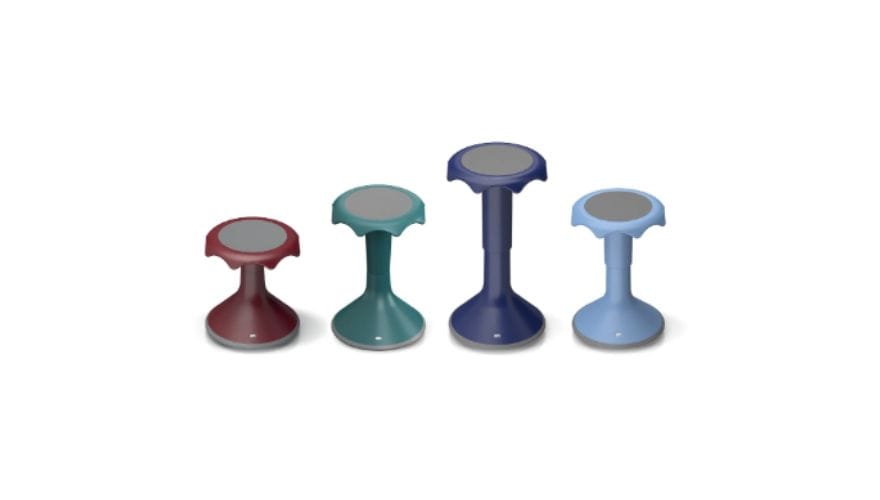
This is a classic and popular wobble stool. Its rounded base allows for 360-degree tilting and movement. It’s simple and durable. And the no-backrest design encourages active core engagement. It’s a top choice for schools and home learning spaces, especially for kids who need to move while working.
2. Varier Chair
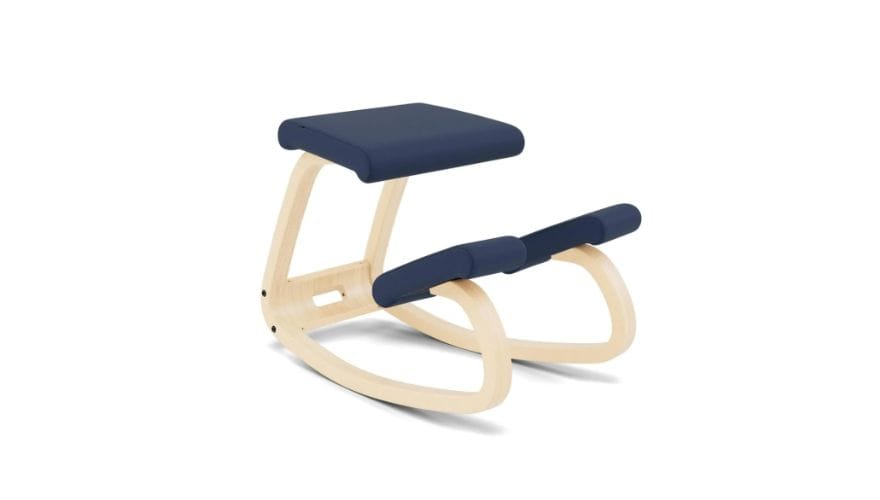
Source: https://varierchairs.com/
This is a beautifully designed kneeling chair that can also rock gently. It promotes a forward-tilt sitting position to open up the hips and support the spine. The curved base allows for a soothing rocking motion. It’s a favorite for adults looking for an ergonomic and active chair for their home office.
3. Gaiam Balance Ball Chair
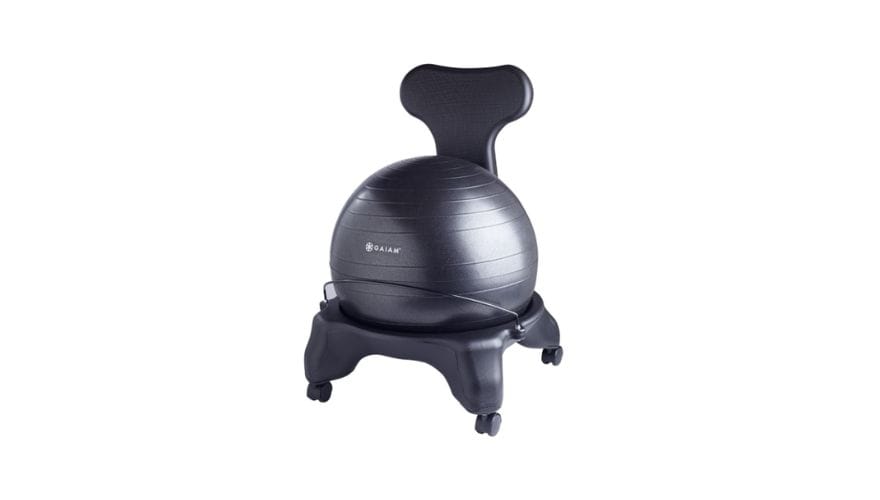
Source: https://www.amazon.com/dp/B0007VB4NE?th=1
This combines a large exercise ball with a stabilizing chair frame. It offers the most active sitting experience, requiring constant micro-adjustments to stay balanced, which strengthens the core. It’s a great option for someone who wants significant movement and a workout while sitting.
4. Salli Saddle Chair
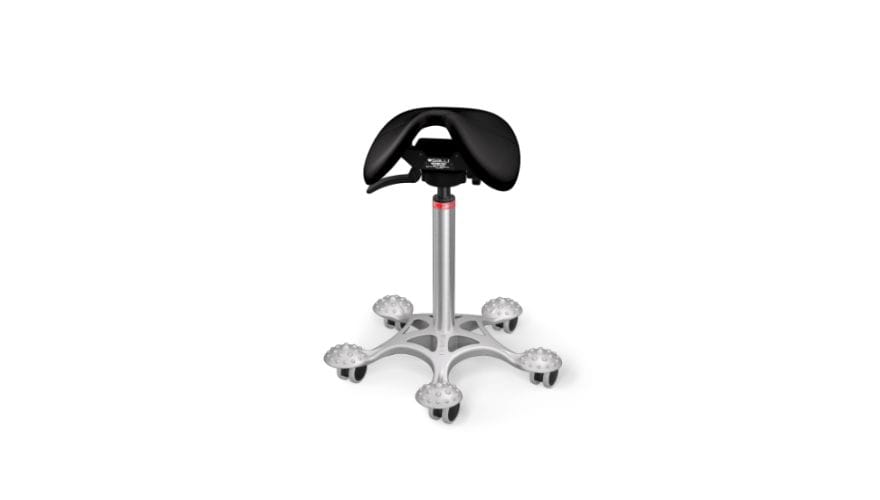
Source: https://salli.com/en/home
A saddle chair is a unique type of ergonomic seat. Shaped like a horse saddle, it promotes a wide, open hip angle and a natural spinal curve. The iconic Salli brand is known for its high-quality, adjustable models that reduce pressure on the lower back. It’s excellent for tasks requiring focus at a standing-height desk, as it allows for easy movement and a stable yet active posture.
5. Meet&Co Bean Bag Chair
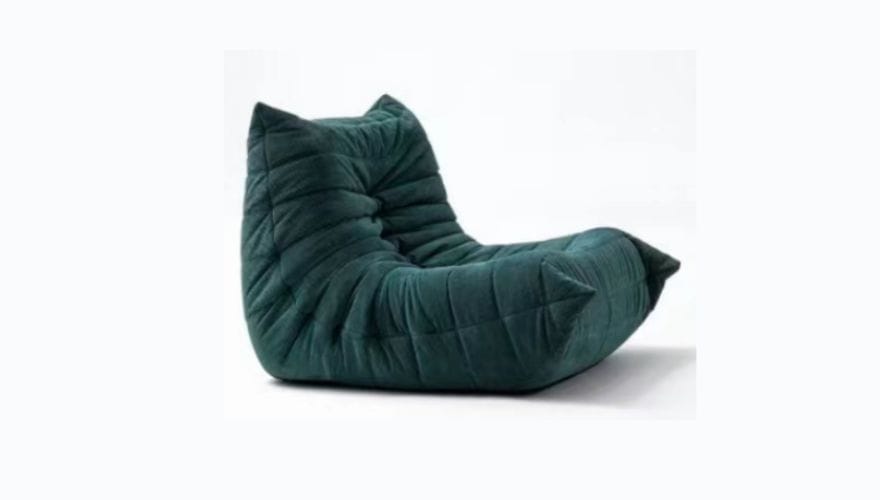
While any bean bag chair provides calming deep pressure, look for models designed for versatility. Features to consider include:
- Various colors and fabrics to match your room.
- Ultra-soft, supportive filling that molds to your body.
- A reclining back that can be adjusted for sitting upright or lying back.
- A pull-out footrest extension for full lounging.
- Sizes ranging from a compact single seat to a large “multi-chair” for sharing space.
This type of bean bag is perfect for creating a cozy, sensory-friendly reading nook or a casual spot to relax in a home office corner. It’s designed for comfort breaks, not desk work.
6. Pipersong Meditation Chair

Source: https://pipersong.com/products/pipersong-meditation-chair-pro-venti
The Pipersong Meditation Chair is a viral choice online, especially among people who have a hard time sitting still. It’s often called an “ADHD chair” because it’s designed for constant movement and changing positions.
Instead of a regular four-legged base, it has a unique design with a central seat, a small backrest, and a large, crescent-shaped footstool that swivels 360 degrees around it. This lets you sit in many ways: cross-legged, kneeling, squatting, or with one foot up.
This chair gets mixed reviews. It could be a great fit if you: constantly sit cross-legged or kneel in your chair, dislike traditional armrests, love to shift your posture, and don’t need strong upper-back support.
You might want to think twice if you: prefer to lean back and lounge, need full back support and armrests, like a wide, spacious seat, or are on a tight budget.
In short, the Pipersong is not a traditional ergonomic chair. It’s a tool for active, varied sitting. If that’s what you’re looking for, it does its job very well. If you need a chair for all-day, supported work, you might be better off with a more conventional option.
Conclusion: What is the ADHD Chair Called
Finding the right seating is about understanding a simple need: the need for movement to help with focus. Whether it’s called a wobble chair, an active stool, or sensory seating, the goal is the same. The best chair is one that safely lets you or your child move just enough to help the mind settle into the task at hand. It should fit the user’s body, the activity, and the space.

_1.webp)