





 Meet&Co
Unlike the classrooms of our childhood, classrooms in 2026 will change drastically, from rows of cookie-cutter desks to flexible seating classrooms: modern learning spaces that are comfortable, moveable, and allow for students to have a choice. Instead of a universal design, these classrooms can feature a variety of furniture styles such as standing desks, modular tables, soft seating areas, and ergonomic stools, which can be adjusted to meet the different learning styles of students, depending on the amount of energy or focus needed to learn.
The simple answer to the purpose of flexible seating is to provide an environment built on comfort and collaboration. Students have the choice of where and how they sit, which means they feel more engaged, responsible, and motivated. Movement-Friendly Solutions: Collaborative solutions promote better posture and focus, while engaging setups encourage effective collaboration and communication.
Schools are embracing contemporary classroom furniture that can be easily adjusted for different instructional and group activities. From height-adjustable desks to training chairs on wheels, versatility has become indispensable in crafting dynamic and inclusive learning environments with an inspirational impact.
In this guide, we’ll be diving into the benefits and drawbacks of flexible seating, presenting 12 innovative classroom set-up ideas, and sharing recommended furniture from Meet&Co and other well-known brands that will help you create a learning environment that is truly designed for the future.
Also see: Creative Classroom Seating Arrangements
Pros and Cons of Flexible Seating

Flexible seating classrooms are about more than just the aesthetics of the modern classroom-they are about a change in learner behavior. By replacing fixed seating options with more adaptable furniture, teachers can create a more collaborative, comfortable, and focused learning experience. However, like any classroom layout, flexible seating has its own set of issues.
Pros
Facilitates Cooperation and Communication
When students are placed around round tables, movable desks, or modular sofas, teamwork is created organically. These arrangements facilitate the sharing of ideas and problem-solving, and develop communicative skills beyond the classroom.
Improves Posture, Comfort, And Focus
Moveable pieces of furniture, such as adjustable desks and active stools, allow students to move, stretch, and change positions during the day, which helps reduce fatigue and promote attention and engagement.
Also see: Products You Need for an Ergonomic Desk Setup
Promotes The Development of Independence and Responsibility
Providing choice gives students control over their learning environment. They learn to act responsibly in deciding where they are most productive and learning how to balance time.
Accommodates Different Teaching/Learning Styles
From quiet reading stations to group work stations, flexible classrooms can be rearranged to accommodate various activities, subjects, and lesson styles.
Cons
It Can Be Distracting When Unstructured
Without clear expectations, flexible seating may feel like free seating. Teachers need to put in place rules for seat rotation and use.
The Higher Cost of Implementation and Maintenance Is Involved
Aside from that, ergonomic furniture can be pricey initially, particularly if a full classroom setup is needed again.
Needs Well-Established Classroom Rules and Routines
Just like routines, seating structure is important as it allows teachers to maintain balance and fairness for all learners.
Problems In Handling Space and Storage
Gone are the days of stocking the room and letting the storekeepers tidy up for you: The way in which furniture is arranged and the different types of furniture that a room may have may require more planning and organizing.
12 Best Flexible Seating Classroom Ideas
The idea of designing a flexible classroom is all about being comfortable, functional, and creative. Proper arrangement of the furniture enables the students to move around, work together, and do their work with concentration during the day. A dozen of the most effective flexible seating ideas to use in modern classrooms in 2026 are listed below – designed to assist in engagement, posture, and student choice.
1. Modular Desks and Chairs

A flexible learning environment is based on modular desks and chairs. These lighter and sturdier units may be clustered in teams or dissolved for independent study. They are flexible enough so that the classroom can be reconfigured at any time during the day, based on the lessons of the day or the size of the group.
Its usefulness: Students will be able to effortlessly move and reorganize desks, which encourages autonomy, teamwork, and engagement. Meet&Co Plastic Student Desk and Chair Set – is comfortable, easy to move, and durable to use in the dynamic classrooms.
2. Moving Group Learning Training Chairs

A built-in wheelchair and foldable features of the training chairs ensure that there are no difficulties connected with the change of lecture and group activities. They are best suited in multiple-purpose classrooms where space is an important consideration.
How it works: Promotes fast movement and cooperation with interactive lessons or workshops. Meet&Co Movable Training Chair – is ergonomic and mobile, and can be configured flexibly within minutes.
3. Adjustable Height Desks
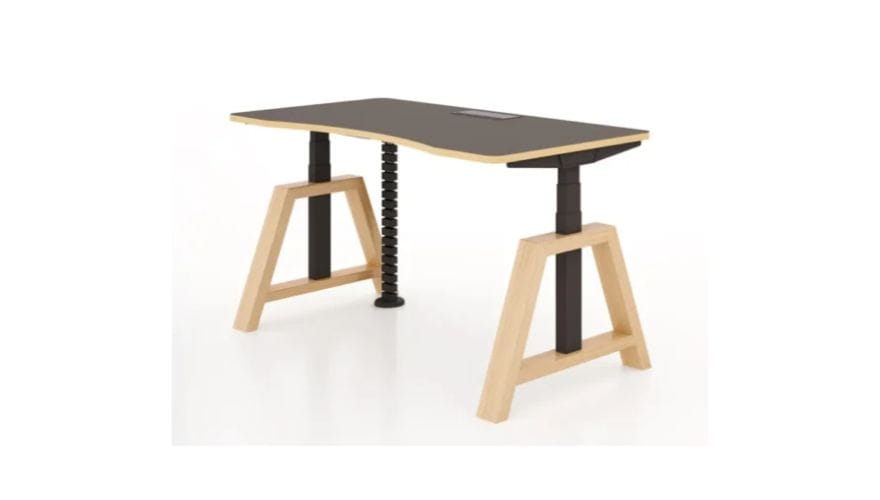
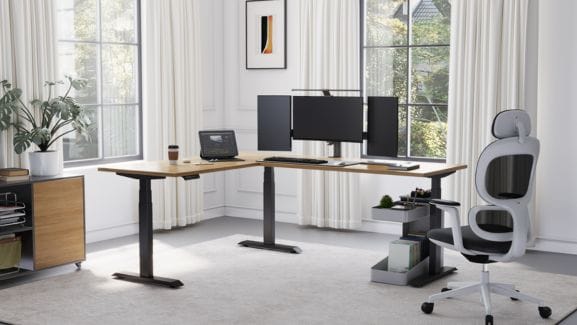
Adjustable desks enable learners to sit and stand. This diversity keeps an individual in good shape and makes the long-term study sessions less tiresome.
How it works: Encourages active sitting and movement, which enhances circulation, energy, and concentration – particularly in a mixed-age classroom or inclusive learning setting.
4. Collaborative Horseshoe or Round Tables
The natural spaces that are formed by round and horseshoe-shaped tables are used to facilitate group work, peer tutoring, and class discussions. The form ensures no one is left behind in the discussion and increases interest.
How it works: It encourages communication, eye contact, and teamwork, which makes it ideal for small-group instruction or project-based learning.

Image source: Amazon
5. Soft Modular Seating Areas

Corners could be converted to comfortable learning lounges using soft seating modules. Add lounges, cushions, and couches to create reading, brainstorming, or relaxing areas.
How it works: This fosters group work in a less formal way, which makes students feel free and imaginative. Meet&Co Sidu Fabric Modular Sofa – a comfortable but strong product with the ability to be reconfigured to suit a group or individual sitting.
6. Standing Chairs and Bar Tables
Standing tables and desks allow students to work standing – this suits those who have better concentration in motion. They can also be used in brief and small group meetings or brief presentations.
How it works: Encourages learning on the move and energy expenditure, minimizing fidgetiness and enhancing concentration in energy-intensive learners.
Learn more: Best standing desk chair buying guide
7. Floor Cushions and Bean Bags
Floor seating can be considered as a relaxation option to the desks. Reading corners or creative spaces are made fun and comfortable with the help of colorful cushions and bean bags.
How it works: The cheap, flexible alternative to informal group work, introspection, or independent study. Learners will be able to choose their own space where they feel at ease and attentive.
Also see: 7 Best Bean Bag Chairs In 2026

Image source: Amazon
8. Training Tables with Wheels
Tables on wheels can be used in classrooms where the layout keeps changing. They can readily alternate between lecture, small group, and testing.
The purpose of it: It saves time when switching between setups and enables the teacher to modify the room to suit various lesson types. Meet&Co Daman Training Table – portable, stackable, and easily movable in an active classroom setting.
9. Active Wobble Stools
Wobble stools bring movement to sitting. These are stools that rock softly in every direction and involve the core muscles, enhancing balance.
How it works: Stimulates physical activity even when in a sitting position and enhances concentration and vitality. It is perfect when a student has trouble with fidgeting or sitting too long.

Image source: Amazon
10. Floor Rockers or Scoop Chairs
Floor rockers can be described as lightweight curved chairs that can move slightly without being distracting. They are good in corners of the reading, in groups, or on the floor.
How it works: Provides ergonomic floor sitting which promotes motion and comfort, eliminating fidgeting whilst keeping concentration.

Image source: Amazon
11. Learning Pods or Themed Zones
Setting specific zones, such as reading nooks, collaboration pods, and reflection corners, can be used to organize the classroom based on the type of activity. The functional and aesthetic appearance of the space is made possible by furnishing each zone with different furniture.
How it works: Supports differentiated learning styles, as it provides the students with the freedom of choice to choose a zone that can suit them with the current task or mood.
12. Outdoor or Open-Air Seating
Outdoor classrooms are becoming popular in encouraging creativity, well-being, and practical learning. Heavy-duty furniture with weather resistance allows the teachers to take the lesson outside during the time of the day when it is not raining.
How it works: It enhances mood and interest and de-stresses. The learning-oriented nature stimulates focus and interest.
Bringing It All Together
The best of the flexible classrooms is a combination of functionality, comfort, and flexibility. From ergonomic chairs to innovative floor seating, each furniture choice is a part of better focus and engagement. When used in conjunction with clear routines and intentional design, flexible seating turns the classroom environment from a teacher’s space to a student’s space, where collaboration and independence are encouraged.
Key Element to Traditional Seating to Flexible Seating
Moving to a flexible seating classroom does not have to be an overnight change. The best spaces are developed step by step so that the teachers can learn as they go, how the children are reacting, and then act accordingly.
Start small and try to see what works. Start with a few choices of seating (cushions on the floor, wobbly stools, adjustable desks), and see what helps your students to feel comfortable and focused. Slow growth can enable the organization to better control costs.
Sitting together for various activities. In many cases, available options mean that any student can find an environment that is comfortable for them and that facilitates faster learning. Use standing desks for active learners, soft seating for reading corners, and teamwork tables.
Keep the room so that it is convenient and accessible. Flexible seating works best when it is easy to move. Keep walking paths clear, make furniture places, and use small storage spaces for cushions or stools when not in use.
Set clear rules and routines. Develop expectations about seat rotation and respectful sharing early on. Consistency to Avoidance of Distraction, Structure.
Encourage student feedback. Ask the students what setups they find help them focus best and modify them accordingly. Not only is this information yielding a better classroom design, but it also means ownership and accountability.
With the right approach, flexible seating will help turn your classroom into a comfortable, creative, and engaging environment for all learners.
Also see: Best Office Chair for Back Pain
FAQs
1. What is flexible seating in classrooms?
A flexible seating arrangement is one where students can choose how and where they get to sit, using options such as desks, stools, cushions, and similar options.
2. How does flexible seating help students learn?
It creates more hyper-vigilance, physical activity, and group work by providing students with choice and comfort.
3. Which furniture types are best for flexible classrooms?
Futuristic and multi-functional desks, movable chairs, and soft seating items by Meet&Co are appropriate for most classrooms.
4. Is flexible seating expensive to set up?
Not really start out small and mitigate big additions.
5. How can teachers manage it?
Avoid rules, rotate seats fairly, and keep layout interesting and flexible.
Conclusion
Flexible seating is revolutionizing the classroom of the future by promoting comfort, engagement, and collaboration. When students are given the freedom of choice on how and where they learn, they are more focused, responsible, and creative. Taking small steps by implementing a few mobile desks or soft seating options can be a starting point for the long-term change in the way learning takes place.
Meant to guide students in a modern classroom, ergonomic, durable, and stylish, Meet&Co‘s contemporary classroom furniture allows for simple formation of flexible seating. Through providing a flexible learning space that can meet the needs of every student, educators can have not only flexible classrooms, but also develop flexible minds for tomorrow’s diverse society.

-大图_18-1.webp)