





 Meet&Co
When designing a home layout or planning a commercial office space, you will frequently come across a specific furniture term: the side chair. While the name sounds simple, many people are unsure of the exact side chair meaning and how this classic piece differs from other common seating options like armchairs, accent chairs, or occasional chairs.
Put simply, a side chair is a sleek, armless chair featuring a straight-back design. It serves as an incredibly versatile, compact seating solution that can glide easily into almost any room. Whether you need an elegant dining side chair for a formal meal, a stylish modern side chair for an empty bedroom corner, or a dependable office side chair for a waiting room, this furniture piece is an essential building block for modern spaces. This comprehensive guide will analyze the formal side chair definition, compare it against alternative seating styles, and outline standard sizes and materials to help you choose the ideal option for your home or office.
💡 Key Takeaways for Buyers
The Defining Feature: A true side chair is completely armless, featuring a lightweight frame and a straight-back design optimized for clean, space-saving layouts.
Versatile Functionality: While traditionally used as dining room seating, side chairs double beautifully as guest chair options in corporate offices, reception desks, and small entryways.
Smart Comparisons: Unlike a heavy armchair or a bold accent chair, side chairs focus on clean lines, portability, and maximum space efficiency.
Standard Dimensions: For proper comfort and matching with a table, ensure the seat height stays within the standard 17 to 19 inches range.
What Is a Side Chair?
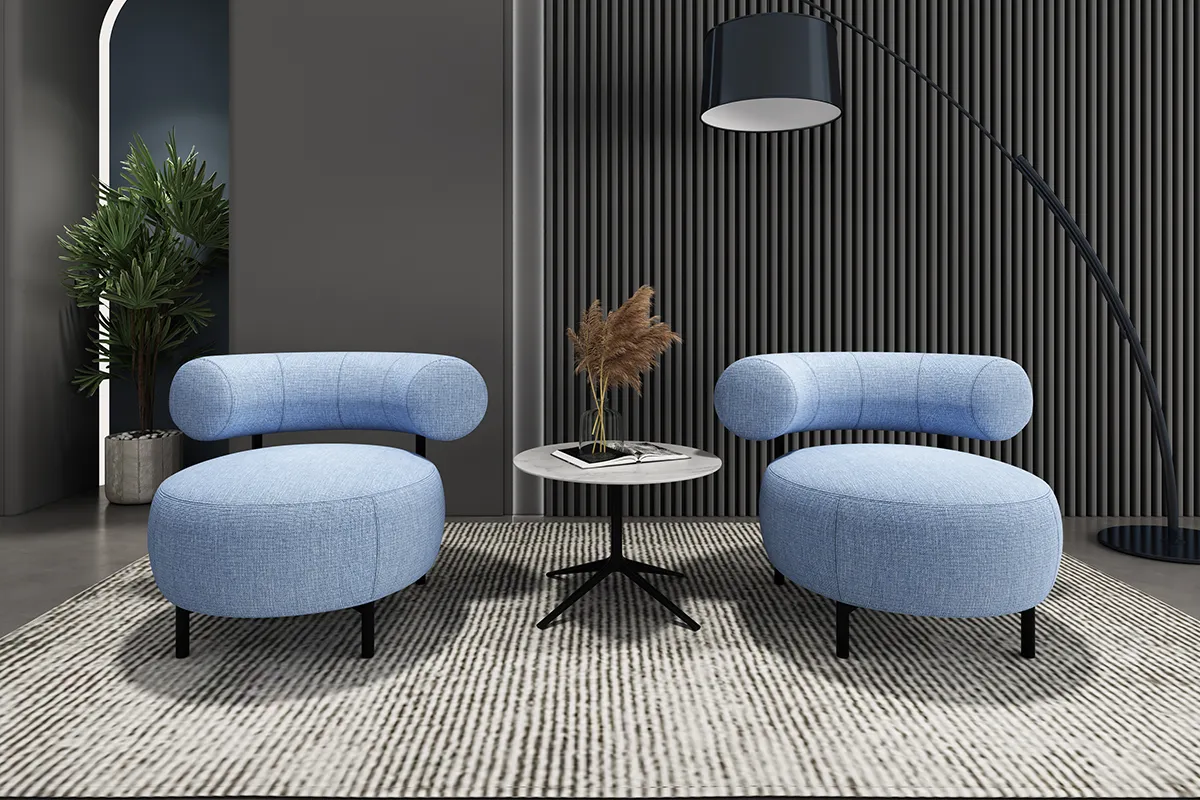
Verta Lounge Chair
Understanding the precise structural traits and historical background of this furniture style makes finding the perfect layout for your room simple.
Simple Definition
According to interior design principles, the standard side chair definition refers to an armless chair built with a straight, supportive backrest. Its streamlined silhouette has no side projections or arm pads, making it an excellent compact seating solution that fits neatly into tight corners, slides completely under low tables, and prevents rooms from looking cluttered.
Why Is It Called a Side Chair?
The name comes from where these pieces were historically placed around a formal dining table. Traditional armchairs (often called host chairs) were placed at the head and foot of the table to denote status, while the armless models were lined up along the sides of the table. Over time, this practical dining room seating design expanded beyond the dining area, becoming a popular choice for offices, living rooms, and hospitality spaces.
Key Characteristics of a Side Chair
-
No Armrests: The lack of armrests is its main identifying feature, allowing users of all body types to sit down and stand up easily without feeling boxed in.
-
Lightweight Construction: Built with clean, minimalist frames, these chairs are very easy to lift, carry, and rearrange whenever you host extra guests or reconfigure a room.
-
Space-Saving Design: Its slim footprint makes it an exceptional space-saving chair, allowing you to fit more seating around a table compared to bulky armchairs.
-
Versatile Placement: They look right at home anywhere—from serving as a chic upholstered side chair at a bedroom vanity table to acting as a clean reception chair in a corporate lobby.
Side Chair vs Other Types of Chairs
Side Chair vs Armchair
The main difference comes down to armrests and overall size. An armchair features built-in arm supports and a wider frame, making it a heavy, stationary piece. In contrast, a side chair drops the armrests to create a sleek profile, making it much easier to move and perfect for multi-purpose spaces.
Side Chair vs Dining Chair
While all side chairs can serve as dining chairs, not all dining chairs are side chairs. “Dining chair” is a broad category that includes host armchairs and benches, whereas a side chair specifically refers to the armless, straight-backed style.
Side Chair vs Accent Chair
An accent chair is chosen primarily to make a bold style statement, often featuring unique patterns, bright colors, or large shapes. A side chair focuses on clean, understated lines and daily functional utility, blending seamlessly into your existing decor.
| Seating Type | Primary Structural Feature | Main Use Case | Spatial Profile |
| Side Chair | Completely armless, straight-back design | Dining rooms, guest chair setups, desks | Compact, lightweight, space-saving |
| Armchair | Integrated armrests, padded frame | Lounging, living rooms, desk heads | Large footprint, heavy weight |
| Accent Chair | Bold colors, unique textures, artistic shapes | Visual centerpiece, reading corners | Varies, typically medium to large |
Common Types of Side Chairs
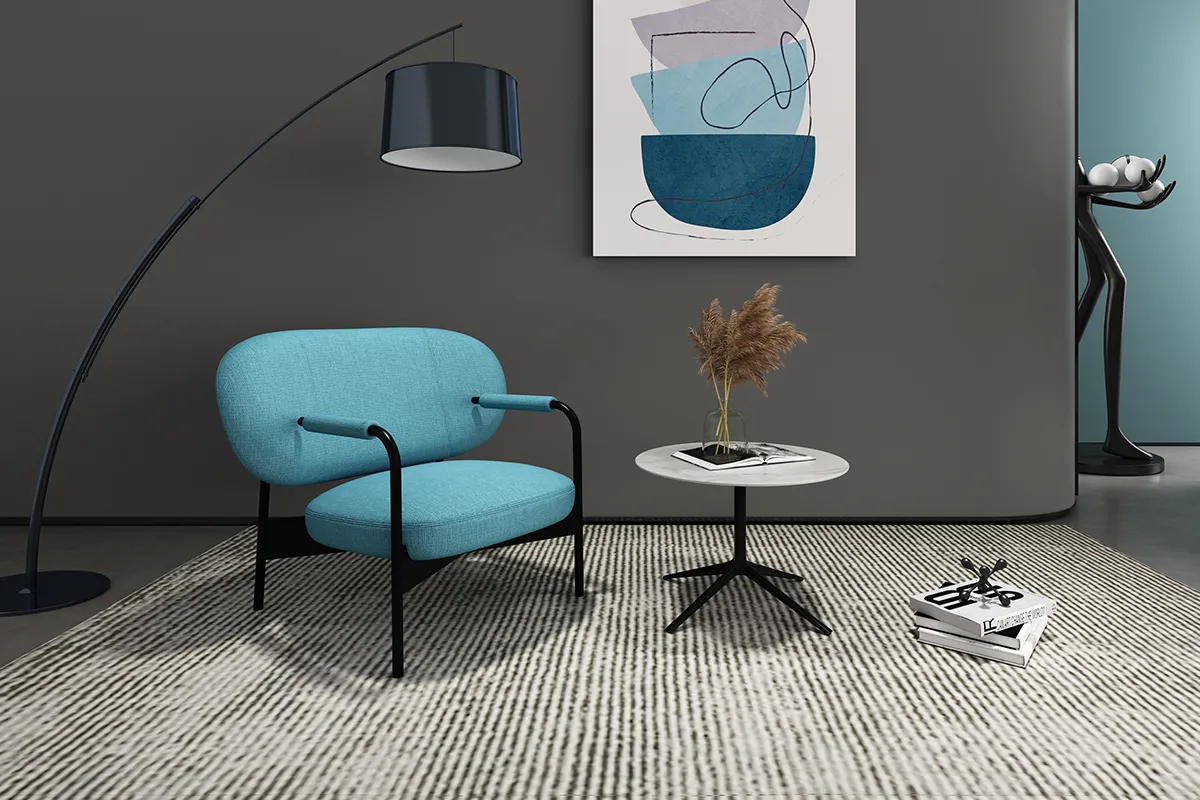
Verta Lounge Chair
1. Upholstered Side Chairs
Featuring padded seats wrapped in premium fabric, leather, or velvet, an upholstered side chair offers enhanced comfort. It brings an elegant touch to formal dining rooms and executive offices.
2. Wooden Side Chairs
A timeless choice, a wooden side chair showcases beautiful natural wood grains and expert joinery. They are highly durable, easy to wipe clean, and fit perfectly into rustic, farmhouse, or traditional homes.
3. Metal Side Chairs
Built with heavy-duty steel or aluminum frames, metal models offer an industrial look and exceptional strength. They are highly scratch-resistant, making them an excellent choice for outdoor patios and busy commercial spaces.
4. Modern Side Chairs
Characterized by sleek minimalist lines, molded plastics, or geometric wire frames, a modern side chair brings a fresh, contemporary feel to creative studios, home offices, and tech workspaces.
5. Commercial Side Chairs
Specifically engineered to handle heavy daily use, a commercial seating model features reinforced frames and commercial-grade fabrics. They are ideal for high-traffic corporate spaces, serving as a reliable reception chair or a comfortable client seat.
Top 3 Side Chairs for Home and Office
1. Best for Corporate Lounges & Guest Seating: Meet&Co Verta Lounge Chair
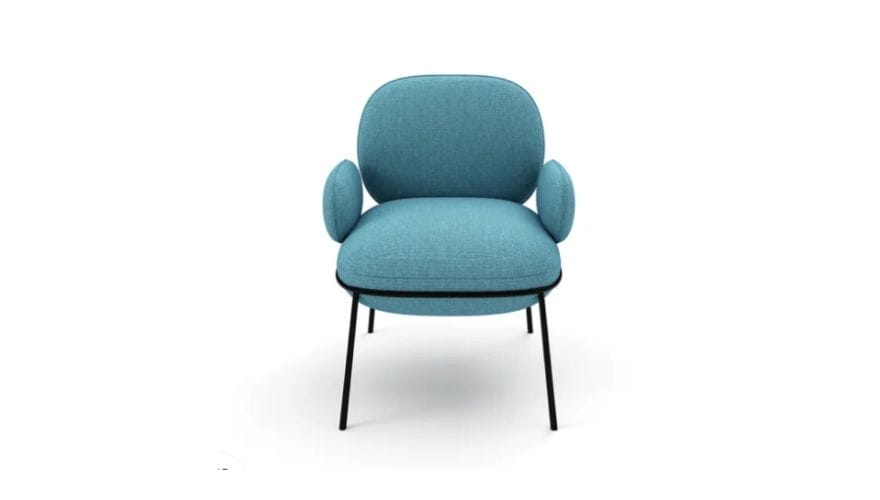
When outfitting a modern corporate environment, a high-quality guest chair must balance clean design with long-lasting comfort. The Verta Lounge Chair achieves this balance beautifully. Developed by commercial office specialists Meet&Co Office Furniture, this premium armless model features a curved, supportive backrest engineered to keep clients and guests comfortable during meetings.
Its clean, architectural silhouette makes it an outstanding office side chair, blending seamlessly into executive offices, breakout spaces, or formal meeting rooms. Built with a heavy-duty frame and commercial-grade fabric upholstery, it handles heavy daily use while maintaining its refined, professional look.
-
Pros: Excellent lower-back posture support, commercial-grade fabric durability, and a sleek, armless shape that saves valuable floor space.
-
Cons: Features a premium commercial-grade build, making it a more serious upfront investment for standard residential settings.
-
Best For: Corporate executive offices, high-end waiting rooms, and modern conference lounges.
2. Best Mid-Century Modern Icon: Eames Molded Plastic Chair
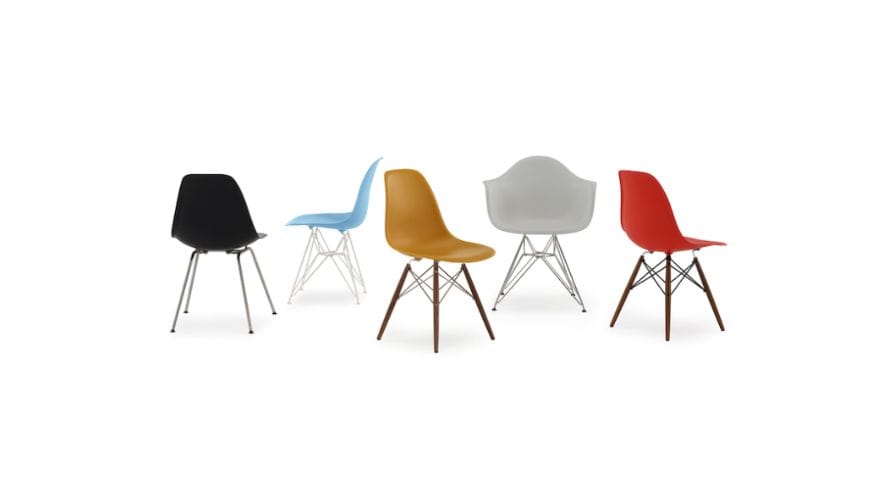
image source: https://www.hermanmiller.com/en_lac/products/seating/side-chairs/eames-molded-plastic-chairs/
Inspired by mid-century modern design, this popular chair features a curved, molded plastic seat set on elegant wooden dowel legs reinforced with wire bracing.
Its flexible, contoured seat shell matches the body’s natural shape, providing surprisingly comfortable support without the need for thick padding.
-
Pros: Iconic, very easy to wipe clean, and a lightweight frame that is simple to move.
-
Cons: Lacks thick cushion padding, making it best suited for short-to-medium sitting sessions.
-
Best For: Modern dining room seating, creative home offices, and casual cafe layouts.
3. Best Traditional Choice: Flash Furniture HERCULES Series Wooden Ladder Back Chair
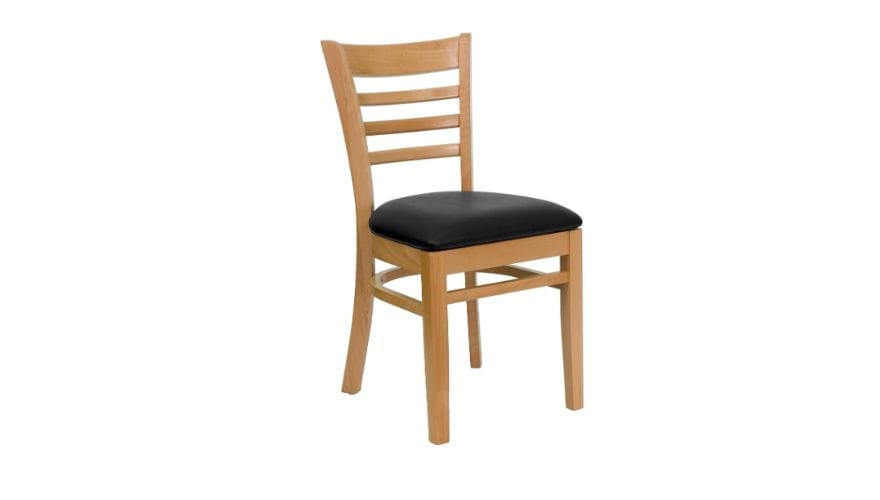
image source: https://www.amazon.com/Flash-Furniture-HERCULES-Natural-Restaurant/dp/B007NWQ19W?th=1
For those who appreciate classic, long-lasting furniture, this heavy-duty wooden side chair features a beautiful, traditional ladder-back design.
Built with a solid hardwood frame and reinforced with steel joints, it handles heavy daily use with ease, making it a dependable choice for busy dining rooms and commercial restaurants alike.
-
Pros: Exceptionally strong solid-wood frame, classic style that never goes out of date, and a smooth, easy-to-clean finish.
-
Cons: The traditional look may not blend well with ultra-modern or high-tech spaces.
-
Best For: Traditional dining rooms, commercial restaurants, and rustic home workspaces.
Where Can You Use a Side Chair?
-
Dining Rooms: Line them up along both sides of your dining table to maximize seating capacity without crowding the room.
-
Living Rooms: Use them as a versatile occasional chair that can be easily pulled into the main conversational area when hosting guests.
-
Bedrooms: Place a single chair next to a vanity desk or beside a nightstand to create a handy spot for putting on shoes or laying out clothes.
-
Entryways: Place a slim model in your foyer to offer a comfortable seat for slipping off boots, without blocking your hallway traffic.
-
Offices and Reception Areas: Use them as premium client seating or waiting room chairs to keep your corporate spaces looking clean, professional, and organized.
Standard Side Chair Dimensions
To ensure your new furniture fits comfortably with your existing tables and desks, use this quick reference size guide:
| Side Chair Measurement | Typical Industrial Range (Inches) | Typical Industrial Range (Metric) |
| Seat Height from Floor | 17″ to 19″ | 43 to 48 cm |
| Seat Width | 16″ to 22″ | 40 to 56 cm |
| Seat Depth | 15″ to 20″ | 38 to 51 cm |
| Overall Backrest Height | 30″ to 38″ | 76 to 96 cm |
Are Side Chairs Comfortable?
1. Short-Term Seating
For short sessions—like a 45-minute family dinner, a client consultation, or a quick touch-up at a vanity desk—a standard non-upholstered side chair offers fantastic, reliable comfort.
2. Long-Term Seating
If you plan to sit for long 8-hour workdays, look for models designed with advanced ergonomics. Choosing an option with a contoured backrest, a sloped front seat edge, or dense foam padding ensures you stay comfortable through long hours of focus.
3. Upholstered vs Non-Upholstered Models
An upholstered chair features soft fabric layer cushions that provide excellent pressure relief for your hips. Non-upholstered wooden or plastic models prioritize fast cleaning and great durability, though you can easily add a loose tie-on seat cushion later if you want a softer feel.
How to Choose the Right Side Chair
-
Consider Room Size: Measure your available floor plan carefully. Make sure to leave at least 36 inches of clearance behind the chair so people can slide it out and walk past comfortably.
-
Match Your Interior Style: Match the chair’s legs and materials with your current look. Pick tapered wood for a mid-century modern room, or choose matte-black steel for an industrial setup.
-
Choose the Right Material: Think about your lifestyle needs. Busy family homes with pets and toddlers benefit from easy-to-wipe wood or plastic, while quiet home offices are perfect for luxurious fabrics.
-
Check Seat Height: Always verify the table height before buying. Standard dining tables and office desks sit around 28 to 30 inches high, which pairs perfectly with a 17 to 19-inch seat height.
Final Thoughts
The classic side chair remains a must-have piece for both homes and professional workspaces, offering a perfect mix of space-saving utility and clean style. By focusing on accurate sizes, supportive ergonomics, and high-quality materials from trusted industry leaders like Meet&Co Furniture, you can easily find a beautiful, versatile seating solution that brings long-term value and comfort to your space.
_4.webp)

-加USB_25.webp)