







 Meet&Co
Wooden furniture brings an unmatched warmth, timeless beauty, and organic texture to any interior design layout. Whether you are caring for a set of heirloom family seating, a sleek wooden dining chair set, or a heavy-duty wooden office chair, knowing how to clean wooden furniture properly is essential for protecting your investment.
Unlike plastic or metal furniture, wood is a porous, living material that reacts strongly to its environment. Many well-meaning homeowners accidentally ruin their furniture by committing common cleaning mistakes—such as soaking the frame in excessive water, scrubbing with harsh abrasive pads, or using aggressive chemical bleach that strips away the protective sealant. The quickest, safest answer to wood chair cleaning is to use a gentle, moisture-controlled touch paired with simple, non-abrasive soap solutions. This comprehensive guide from Meet&Co will walk you through a step-by-step cleaning workflow, targeted stain-removal techniques, and long-term wood furniture care habits to keep your chairs looking brand new for generations.
💡 Key Takeaways
-
The Golden Rule: Always wipe down surfaces following the natural direction of the wood grain to avoid scratching the surface layer or trapping dirt in the pores.
-
Control Moisture Levels: Water is wood’s greatest enemy. Never spray liquid cleaners directly onto the frame; instead, lightly dampen a soft microfiber cloth and dry the surface immediately after wiping.
-
Tackle Sticky Grime Safely: To clean a sticky wooden chair covered in food film or oil residue, use a heavily diluted dish soap mixture or a specialized, pH-neutral wood-safe cleaner.
-
Seasonal Protection: Combine routine weekly dusting with seasonal applications of a high-quality wood chair polish or structural wax to shield your furniture from intense sunlight and fluctuating humidity.
What You’ll Need to Clean a Wooden Chair
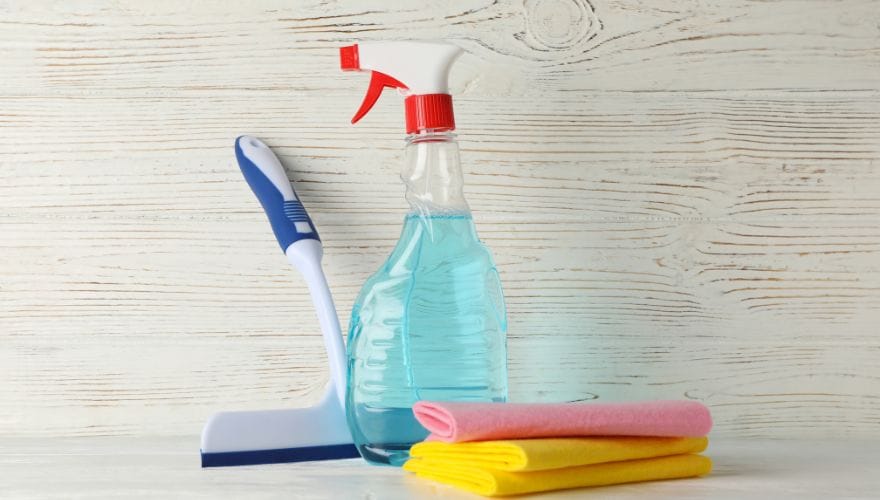
Before starting your wooden chair maintenance routine, gather these gentle, non-destructive tools to keep the protective finish safe:
-
Soft Microfiber Cloths: You will need at least three separate cloths—one for applying the cleaner, one for rinsing away residue, and one for final buffing and drying.
-
Mild Dish Soap: A standard, vegetable-based dish soap without harsh scents or concentrated degreasers works beautifully.
-
Warm Water: Ideal for dissolving daily sugary spills and loosened dust particles.
-
Wood-Safe Cleaner: A dedicated, pH-neutral commercial oil soap designed specifically for authentic wood furniture care.
-
Soft Bristled Brush: A soft toothbrush or clean paintbrush is perfect for lifting dust out of complex carvings, joints, and tight crevices.
How to Clean a Wooden Chair Step by Step

Follow this structured, professional cleaning process to safely lift away daily grime while protecting the underlying wood grain:
Step 1: Remove Dust and Loose Dirt
Before applying any liquid solution, use a dry, clean microfiber cloth to thoroughly dust the entire chair frame. Skipping this step turns loose surface dust into an abrasive mud that can scratch the finish when wiped with liquid. Use a soft brush to gently clear dust out of corner joints and spindle crevices.
Step 2: Prepare a Gentle Cleaning Solution
Mix a few drops of mild dish soap into a bowl of warm water until suds form. Alternatively, dilute a specialized commercial wood cleaner according to the manufacturer’s instructions.
Step 3: Wipe Along the Wood Grain
Dip your microfiber cloth into the soapy solution and wring it out completely until it is barely damp to the touch. Wipe down the entire seat back, seat pan, and legs. Always move the cloth smoothly along the natural direction of the wood grain to prevent fine surface scratches.
Step 4: Clean Crevices and Joints
Dampen your soft-bristled toothbrush with the cleaning mixture, shake off any excess moisture, and gently clear out any hidden grease build-up trapped inside detailed carvings, screw recesses, or frame corners.
Step 5: Dry the Chair Immediately
Take a fresh, completely dry microfiber cloth and thoroughly wipe down the entire chair to absorb any remaining moisture. Buff the surface in a circular motion to restore its natural, clean look. Never leave a damp wood chair to air dry, as this can lead to water rings and finish damage.
How to Remove Common Stains From Wooden Chairs
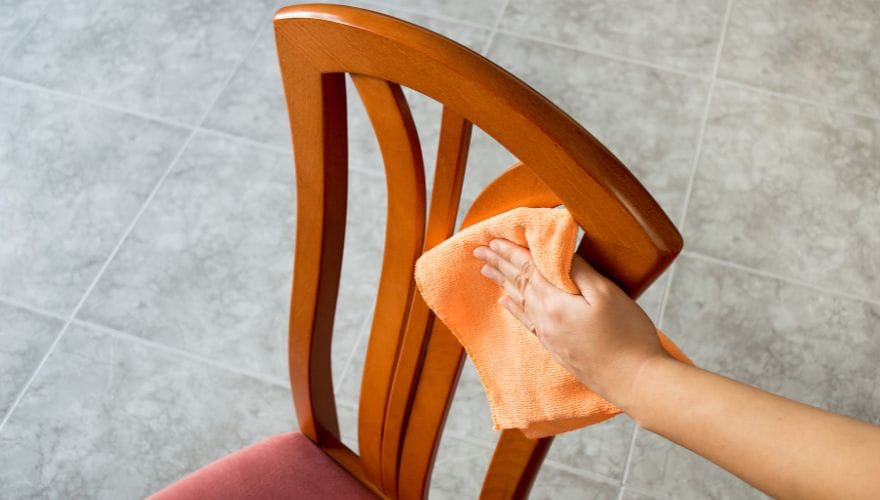
Accidents happen, but knowing how to treat specific blemishes allows you to remove stains from wood chair surfaces without altering the finish.
1. Grease and Sticky Residue
To clean a sticky wooden chair coated in body oils or sugary food residue, create a targeted paste using a 1:1 ratio of baking soda and water. Dab the paste onto the sticky zone, let it sit for two minutes, and wipe it away with a damp cloth. The gentle alkaline action lifts grease without breaking down the varnish.
2. Food Stains
For stubborn food marks like dropped sauces or juices, apply a few drops of undiluted, pH-neutral wood soap directly onto a damp cloth. Press the cloth firmly against the food stain for 30 seconds to loosen the bond, then wipe it clean along the grain.
3. Water Rings
To remove water stains from wood caused by damp glasses or wet towels, apply a small dab of non-gel white toothpaste mixed with an equal part baking soda onto a soft cloth. Rub the spot gently along the grain until the white haze vanishes, then buff clean.
4. Ink Marks
Dip a soft cloth into a shallow dish of isopropyl rubbing alcohol. Carefully dab only the ink lines without spreading the liquid over the clean wood. Wipe the area with a damp cloth immediately afterward to neutralize the alcohol before it can dull the top coat.
5. Mold and Mildew
If a chair has been stored in a damp basement, spray a light mist of distilled white vinegar onto a cloth and wipe down the affected area to kill mold spores. Follow this immediately with a damp water rinse and thorough hand-drying.
How to Clean Different Types of Wooden Chairs
-
Solid Wood Chairs: These durable pieces benefit from comprehensive solid wood chair care. They handle specialized oil soaps well and can be seasonally conditioned with beeswax to feed the natural wood fibers.
-
Veneer Wood Chairs: Veneer features a very thin layer of real wood glued over a core particleboard. Use minimal moisture, as excessive water can easily seep through the seams, dissolving the underlying glue and causing the wood veneer to warp or bubble.
-
Painted Wooden Chairs: Avoid solvent-based wood cleaners on painted frames, as they can dissolve or discolor the paint layers. Stick to a simple mixture of warm water and mild dish soap.
-
Teak Chairs: Naturally high in protective oils, teak chairs used in outdoor areas or bright patios can be scrubbed gently with a soft brush and soapy water. Avoid glossy polishes, as they block teak’s natural ability to breathe.
Can You Use Vinegar on Wooden Chairs?
Many internet blogs suggest trying to clean wood furniture naturally using straight pantry vinegar. While vinegar is an excellent household disinfectant, its high acidity can pose a serious risk to fine furniture.
-
Pros: Highly effective at killing surface mold spores, cutting through thick mineral deposits, and lifting stubborn grease films.
-
Cons: Over time, the acidic nature of white vinegar eats away at the protective polyurethane or varnish top coat, leaving your wood chair looking dull, hazy, and vulnerable to scratches.
-
Safer Alternatives: Stick to pH-balanced commercial oil soaps or simple, highly diluted gentle dish soap solutions for regular cleaning.
Common Mistakes to Avoid
-
Using Too Much Water: Soaking a wood chair allows water to swell the joints, warp the frame, and crack the delicate finish.
-
Spraying Cleaners Directly on Wood: Direct spraying causes liquid to pool in corners and joints, leading to localized rotting or deep discoloration. Always apply your cleaner to a cloth first.
-
Using Bleach or Ammonia: These harsh, high-alkaline chemicals strip away natural wood colorings and permanently ruin clear protective sealants.
-
Scrubbing With Abrasive Pads: Steel wool, stiff plastic brushes, and rough kitchen sponges leave thousands of micro-scratches on the surface, dulling its natural shine.
How to Maintain a Wooden Chair
Consistent, gentle care prevents the build-up of heavy grime and minimizes the need for deep, aggressive cleaning sessions down the road.
-
Weekly Dusting: Spend two minutes every week wiping down your furniture with a dry microfiber cloth or an electrostatic duster to keep abrasive grit from settling on the finish.
-
Monthly Deep Cleaning: Every month, use a barely damp, soapy microfiber cloth to clear away built-up body oils and fingerprints along the edges and armrests.
-
Seasonal Polishing: Every three to six months, apply a high-quality wood chair polish or paste wax. This creates a sacrificial barrier that blocks moisture and restores a deep, rich luster to the wood.
-
Protecting Against Sunlight and Humidity: Avoid placing your chairs in the direct path of hot air vents or right against sunny windows. Intense heat and UV rays dry out wood fibers, causing warping, cracking, and premature color fading.
How to Clean Wooden Office Chairs
Commercial settings demand specialized workflows to clean furniture quickly and efficiently while maintaining a professional appearance:
-
Reception Chairs: Because these seats see constant use from incoming clients, use a quick-drying, commercial anti-bacterial wood wipe every evening to keep them clean and sanitized.
-
Conference Room Chairs: Wipe down the top crest rails and backrests with a damp microfiber cloth after major meetings to clear away oil residues left by hands.
-
Guest Chairs: Schedule a quarterly deep cleaning and polish application for your workplace seating. Sourcing your workspace furniture from experienced global office manufacturers like Meet&Co Office Furniture ensures your contract pieces feature commercial-grade, highly durable sealants that handle heavy cleaning with ease.
When Should You Refinish Instead of Clean?
Sometimes, standard surface cleaning isn’t enough. If your furniture shows any of these signs, it is time for a full wooden chair restoration or refinishing project rather than a simple wipe-down:
-
Deep Stains: Black or dark grey water marks that have seeped deep past the top coat into the wood fibers themselves.
-
Peeling Finish: The clear protective topcoat is flaking off, leaving the bare wood completely exposed to the elements.
-
Structural Cracks: Noticeable splits opening up along the seat pan or legs due to severe dryness.
-
Severe Discoloration: Major, uneven color patches caused by years of direct sunlight exposure.
Final Verdict
When learning how to clean a wooden chair, prioritizing a gentle, moisture-controlled touch is the best way to preserve your furniture. Avoiding harsh chemicals and sticking to routine, gentle dusting keeps the protective finish strong. Investing in high-quality furniture from trusted manufacturing leaders like Meet&Co Furniture ensures your home or office chairs feature premium, durable finishes that stay beautiful and supportive for years to come.