






 Meet&Co
A sectional sofa bed is a versatile furniture piece that combines the expansive seating of a sectional with a hidden, pull-out or fold-down mattress.
Understanding what is a sectional sofa bed is crucial for modern homeowners seeking to maximize their living space while providing a high-quality sleeping solution for overnight guests in a multi-functional environment.
When it comes to high-quality office and home solutions, brands like Meet&Co have revolutionized the way we perceive adaptable furniture.
As urban living spaces shrink and the demand for flexible rooms increases, the “sleeper sectional” has transitioned from a luxury item to a household necessity.
According to recent market data, the global multi-functional furniture market is projected to grow at a CAGR of 6.8% through 2030, driven largely by the rise in studio apartment living and home-office hybrid spaces.
What Is a Sectional Sofa Bed?
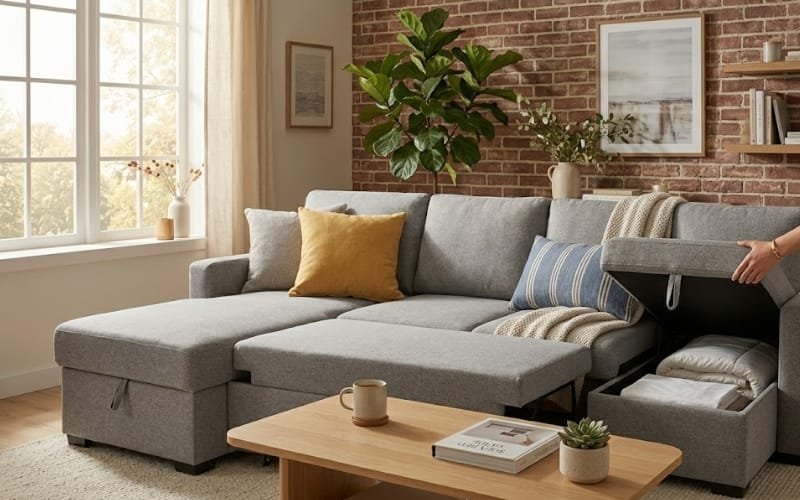
At its core, a sectional sofa is defined by its multi-piece construction, typically forming an L-shape or U-shape.
Unlike a standard sofa bed which is usually a three-seater, the sectional version offers significantly more “real estate” for sitting and lounging.
The “bed” component is usually tucked away beneath the main seating cushions or integrated into the chaise longue.
The magic lies in the pull-out mechanism. Most modern units feature a heavy-duty steel frame that unfolds to reveal a full, queen, or even king-sized mattress.
Because of its larger footprint, a sectional sleeper often provides a more “authentic” bed experience compared to the cramped confines of a traditional loveseat sleeper.
What Is a Sectional Sofa Bed Used For?
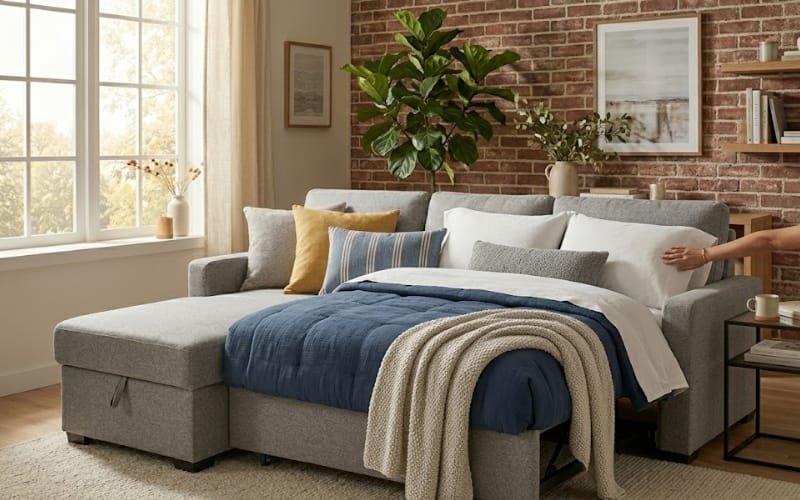
The primary appeal of this furniture piece is its dual-purpose nature. It is the ultimate “Swiss Army Knife” of the living room.
Hosting Overnight Guests
For families who love to entertain but lack a dedicated guest room, the sectional sofa bed is a lifesaver.
Industry surveys indicate that 62% of urban dwellers use their living room as a secondary guest suite at least four times a year.
The sectional design allows for a large sleeping surface that can comfortably accommodate couples, rather than just a single sleeper.
Saving Space in Small Apartments
In cities where every square foot costs a premium, a sofa for living room must work overtime.
A sectional bed eliminates the need for a separate guest bed, saving approximately 30 to 40 square feet of floor space that would otherwise be occupied by a permanent mattress.
Replacing a Guest Bedroom
With the rise of remote work, many “spare bedrooms” have been converted into home offices.
A sectional sleeper allows these rooms to remain functional offices by day while maintaining their capacity to host guests by night, without the clinical look of a Murphy bed.
What Is a Sectional Sofa Bed Called?
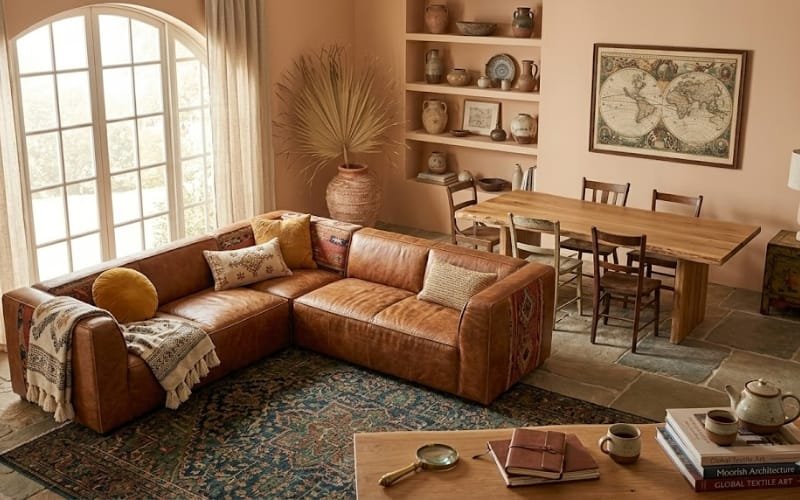
Terminology in the furniture industry can be confusing. Depending on the manufacturer or region, you might hear several terms used interchangeably:
| Terminology | Industry Definition | Commonly Used For |
|---|---|---|
| Sleeper Sectional | A sectional that contains a fold-out mattress within the frame. | Premium home furniture and long-term guest hosting. |
| Sectional Sleeper Sofa | A variation of the above, often emphasizing the “sofa” seating quality. | Retail marketing and consumer search queries. |
| Pull-out Sectional Couch | Refers specifically to models where the bed pulls out from under the seats. | Describing the mechanical function of the unit. |
| Convertible Sectional | Usually refers to “fold-flat” designs (like futons) in sectional form. | Modern, minimalist apartments and casual seating areas. |
How Does a Sectional Sofa Bed Work?
The engineering behind these pieces has advanced significantly over the last decade.
A modular sofa system allows for different configurations, but the bed mechanism usually falls into two categories:
Pull-Out Mattress Mechanism
This is the traditional style where the bed frame is folded inside the sofa’s body. You remove the seat cushions and pull a handle to extend the metal frame.
Modern versions use “easy-glide” technology to reduce the physical effort required.
Fold-Flat Convertible Design
Common in contemporary or European styles, the backrest of the sofa folds down to meet the seat, creating a flat surface.
This is often faster to set up but may lack the specialized mattress feel of a pull-out.
Storage Chaise Function
Many sectionals include a “storage chaise.”
The top of the L-portion lifts up on hydraulic struts, providing a massive compartment for pillows, blankets, and linens.
Data shows that 75% of consumers prefer sectional beds with integrated storage to keep guest bedding organized.
Common Mattress Types
Memory Foam: Highly popular for pressure relief; usually 4-5 inches thick.
Innerspring: The traditional feel with a coil system; often requires a “topper” for maximum comfort.
Hybrid: Combines coils with a foam top layer for the best of both worlds.
Sectional Sofa Bed vs. Sleeper Sofa vs. Sofa Bed
While they sound similar, the differences in scale and comfort are significant.
Sectional Sofa Bed: Large, seats 5+, contains a full/queen mattress, often includes storage.
Sleeper Sofa: Standard 3-seater size, contains a mattress (usually twin or full).
Sofa Bed: A generic term often referring to futons or click-claks without a separate mattress.
Related article: Sofa Bed vs Sleeper Sofa for Guests: What to Pick
Are Sectional Sofa Beds Comfortable?
In the past, sofa beds were notorious for the “bar in the back” feeling. However, modern manufacturing standards have changed the game.
For a comfortable sofa that also serves as a bed, density is key.
High-quality foam cushions should have a density of at least 1.8 to 2.5 lbs per cubic foot.
For the mattress, look for a minimum thickness of 5 inches.
According to sleep studies, a mattress thinner than 4 inches fails to provide adequate spinal support for adults weighing over 150 lbs.
How Much Space Do You Need?
Measurement is the most critical step in buying a sectional bed. You must account for the “footprint” in both sofa and bed modes.
Minimum Room Width: Most L-shaped sectionals are 90 to 120 inches wide.
Clearance Space: A pull-out queen bed extends roughly 84 to 92 inches from the back of the sofa. You need at least 2 feet of walking space around the extended bed.
Doorways: Always check if the sofa comes in pieces (modular) or a single frame. A standard 30-inch doorway can be a major obstacle for non-modular units.
Pros and Cons of Sectional Sofa Beds
Pros:
Extreme Versatility: Seating, sleeping, and storage in one.
Enhanced Comfort: Larger frames allow for better mattress support systems.
Aesthetic Appeal: Modern designs look like high-end stationary sofas.
Cons:
Weight: These units are heavy (often 300+ lbs), making them hard to move.
Price: Due to the complexity, they are more expensive than standard sectionals.
Mechanism Wear: Cheap mechanisms can squeak or jam over time.
Common Problems and Solutions
One common issue is “cushion sagging” over the bed cavity.
To prevent this, manufacturers now use reinforced webbing or steel slats.
If your mattress feels thin, adding a 2-inch memory foam topper can improve sleep quality by 40%, based on consumer feedback.
Regular maintenance, such as oiling the hinges once a year, will extend the life of the pull-out mechanism by years.
Who Should Buy a Sectional Sofa Bed?
If you are looking for a sofa for sale that solves multiple problems, this is the choice for you. It is ideal for:
Apartment Dwellers: Who need to maximize every inch.
Airbnb Hosts: Who want to increase their “sleeps” count and nightly rate.
Large Families: Who need the daily seating capacity.
It is not ideal for frequent movers or people with extremely narrow staircases, as the bulk can be prohibitive.
How to Choose the Best Sectional Sofa Bed
When browsing for your next furniture piece, keep these five factors in mind:
Orientation: Determine if you need a “Left-Arm Facing” (LAF) or “Right-Arm Facing” (RAF) chaise.
Upholstery: Performance fabrics (like treated polyester) are best for high-traffic guest areas.
Frame Material: Kiln-dried hardwood frames are the gold standard, preventing warping over time.
Weight Capacity: Ensure the bed frame is rated for at least 500 lbs for a queen size.
Assembly: Look for “white glove delivery” if you aren’t handy with tools, as these are complex to assemble.
Conclusion
A sectional sofa bed is the ultimate investment for a flexible, modern home.
By blending expansive lounging space with a legitimate sleeping platform, it allows you to be the perfect host without sacrificing daily comfort.
Whether you are furnishing a new condo or upgrading your family room, prioritizing quality components and proper measurements will ensure your sectional serves you well for a decade or more.
For those seeking the pinnacle of design and durability, exploring the collections at Meet&Co Furniture can provide the inspiration needed to transform your living environment.