





 Meet&Co
Walk into any classroom, and you will see chairs. Lots of them. But not all school chairs are the same. Some are built for little children in kindergarten. Others are designed for university lecture halls. Some stack up to save space. Others roll around on wheels for active learning.
Choosing the right school furniture matters. A good chair helps students focus. A bad chair leads to fidgeting, slouching, and even back pain.
This guide walks you through the main types of school chairs, what makes each one special, and how to pick the right one for your classroom. We will also recommend five solid options.
Let us get started.
| Type | Description | Best For |
|---|---|---|
| Standard 4‑Leg Chair | Classic metal frame with moulded plastic seat and back. Simple, durable, and lightweight. | Regular classrooms, primary and secondary schools |
| Stackable Chair | Can be stacked 6–10 high for easy storage. Saves floor space when not in use. | Multipurpose rooms, dining halls, exam settings |
| Ergonomic Plastic Chair | Contoured backrest (lumbar support) and waterfall front edge to reduce thigh pressure. Made from high‑density polypropylene with slight flex. | Any classroom where students sit for extended periods |
| Chair with Tablet Arm | Integrated flip‑up writing surface attached to the side. No separate desk needed. | Lecture halls, training centers, exam rooms, tutoring centers |
| Adjustable Height Chair | Gas‑lift or manual pin‑set mechanism to change seat height. Some models have casters. | Computer labs, science rooms, inclusive classrooms |
| Sled Base Chair | Continuous steel tube curved under the seat instead of four legs. More stable and slides smoothly. | Collaborative classrooms, modern learning spaces |
| School Stool with Casters | Stool design on wheels for easy movement. Encourages active posture. | Laboratories, art rooms, STEAM classrooms |
| Soft Seating | Bean bags, floor cushions, upholstered chairs. Relaxed and comfortable. | Reading corners, libraries, early childhood classrooms |
| Wooden Chair | Natural wood construction, often in desk‑chair sets. Warm and durable. | Montessori schools, kindergartens, eco‑focused institutions |
Why School Chairs Matter More Than You Think
Students spend hours sitting every day. If their chair does not fit, they will shift around, lose focus, and maybe even develop posture problems over time.
A study on classroom ergonomics found that well-designed school furniture directly affects how students sit, concentrate, and behave throughout the school day. Poor seating can distract, affect posture, and gradually impact behavior.
Good school chairs do three things:
-
They support proper posture (feet flat, knees at a right angle)
-
They last through years of daily use
-
They fit the space and teaching style of your classroom
When students sit comfortably, they are less likely to shift constantly or lose focus during longer lessons.
Main Types of School Chairs
Let us look at the most common types of school chairs you will find in classrooms today.
1. Standard 4‑Leg School Chairs
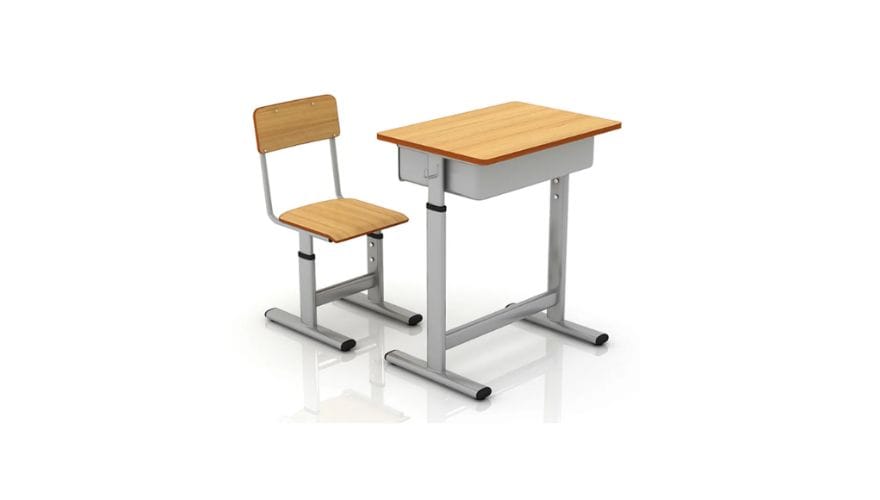
These are the classic classroom chairs. Simple, durable, and dependable. A metal frame supports a moulded plastic seat and back. Four legs keep them steady on the floor.
They are lightweight enough for students to move but sturdy enough to survive daily wear and tear. Most come in different sizes for different age groups.
Best for: Regular classrooms, primary and secondary schools.
2. Stackable School Chairs
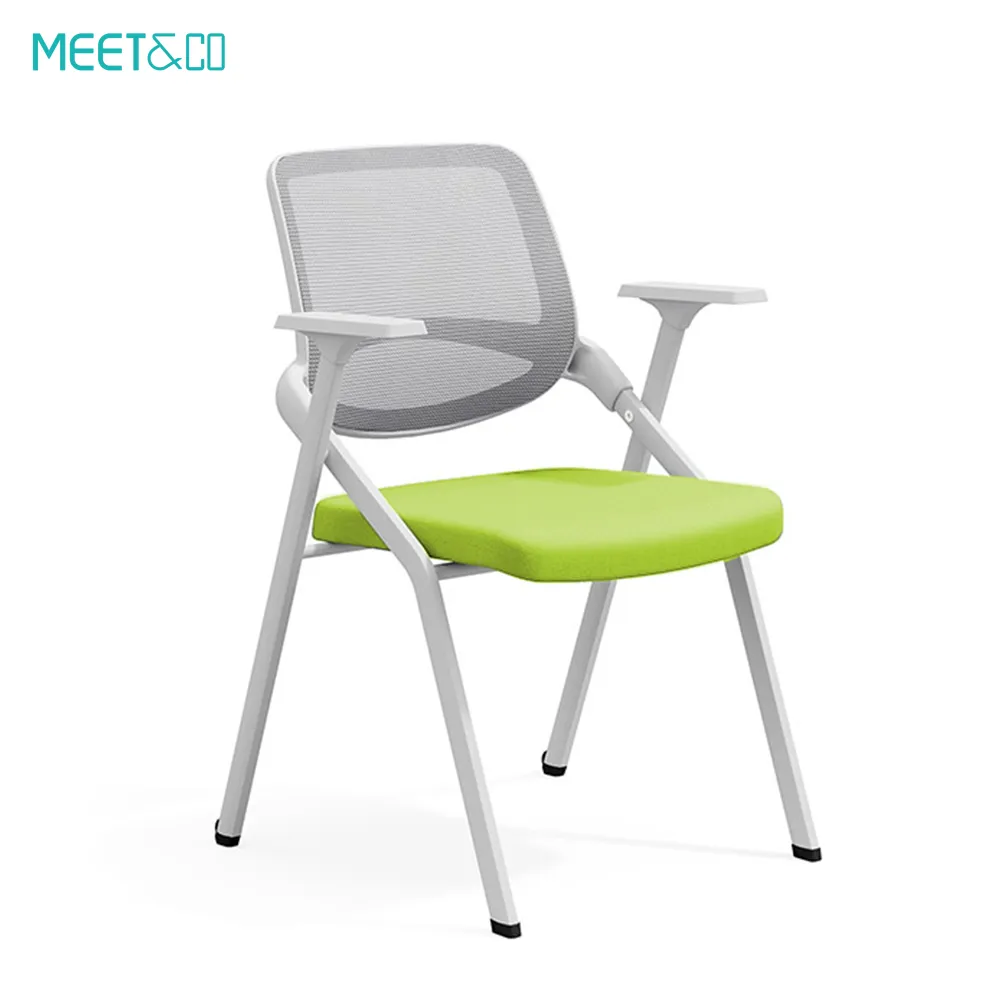
Stackable chairs are a lifesaver for schools with limited storage. When class ends, you can stack them up to 6 or even 10 high in a corner.
They are perfect for multi‑purpose spaces like assembly halls, exam rooms, music rooms, and cafeterias. The space‑saving design makes them a popular choice for schools that need flexibility.
Best for: Multipurpose rooms, dining halls, exam settings.
3. Ergonomic Plastic School Chairs

Modern classrooms are moving away from one‑size‑fits‑all seating. Ergonomic chairs feature contoured backrests that support the lumbar spine and “waterfall” front edges that reduce pressure on the underside of the thighs. This helps maintain healthy blood circulation during long study periods.
Many are made from high‑density polypropylene (PP), which has a slight flex to accommodate natural movement.
Best for: Any classroom where students sit for extended periods.
4. Chairs with Integrated Writing Tablets
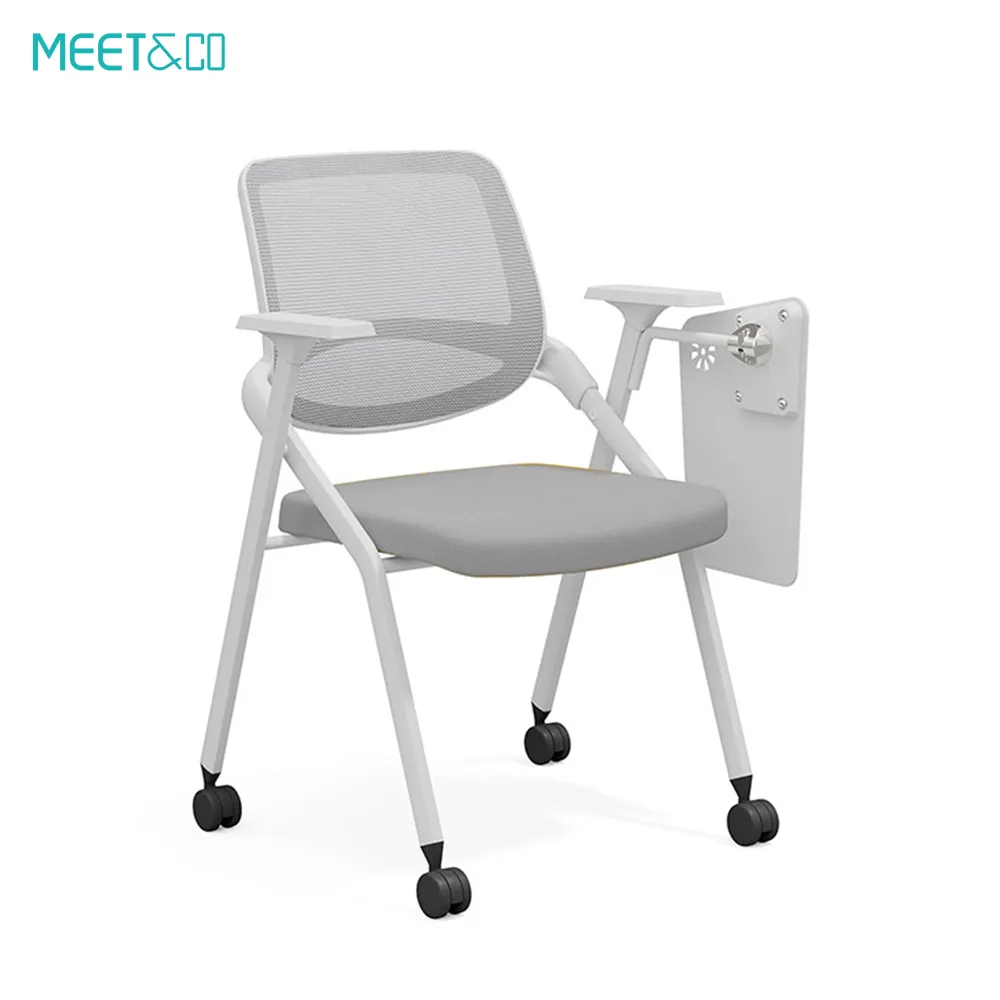
These chairs have a small desk surface attached to the side. No separate desk needed. The writing tablet flips up so students can get in and out easily.
They are common in lecture halls, training rooms, exam settings, and tutoring centers. The integrated design saves floor space and works well for flipped classroom models where students switch between individual work and group discussions.
Best for: Lecture halls, training centers, exam rooms.
5. Adjustable Height School Chairs
Students in the same grade can vary greatly in height. Fixed‑height seating often leads to poor posture. Adjustable chairs solve this with gas‑lift mechanisms or manual pin‑set systems. Some models also have casters for easy movement.
Schools that switch to adjustable seating often report a noticeable increase in student focus, because physical discomfort is a major distractor.
Best for: Computer labs, science rooms, inclusive classrooms.
6. Sled Base School Chairs
Instead of four separate legs, sled base chairs use a continuous piece of steel that curves under the seat. This design is more stable, slides smoothly across floors, and looks sleeker than traditional four‑leg chairs.
Best for: Collaborative classrooms, modern learning spaces.
7. School Stools with Casters
Stools are common in science labs, art rooms, and tech workshops. They allow freedom of movement and encourage an active posture. With casters, students can glide around easily without getting up.
Best for: Laboratories, art rooms, STEAM classrooms.
Also see: What Are the Different Types of School Desks?
8. Soft Seating
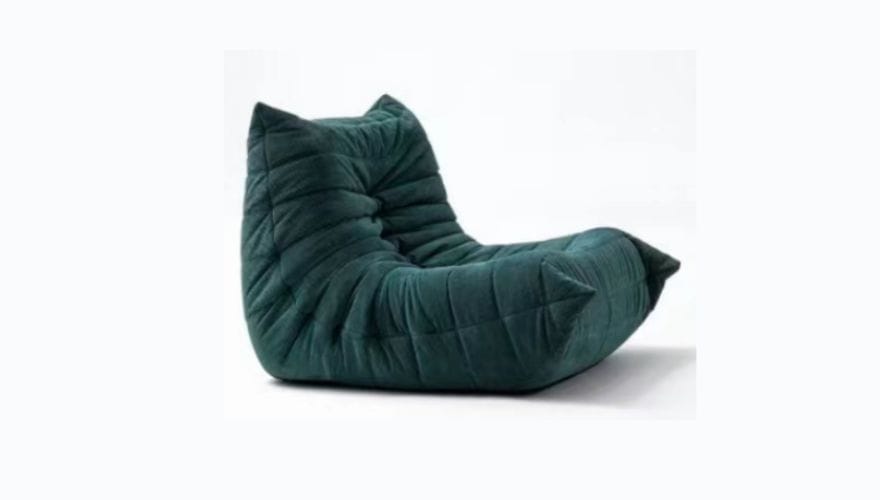
Not all classroom chairs are hard plastic. Soft seating includes bean bags, floor cushions, upholstered chairs, and lounge seats. These are typically found in reading corners, libraries, and collaborative zones where a relaxed atmosphere is welcome.
Best for: Reading corners, libraries, early childhood classrooms.
9. Wooden School Chairs
Wooden chairs bring warmth and natural durability to a classroom. They are especially popular in Montessori and early childhood education settings, where natural materials and sustainability are priorities.
Best for: Montessori schools, kindergartens, eco‑focused institutions.
School Chair Trends in 2026
What is happening in school furniture right now? Here are the key trends.
1. Ergonomics Takes Center Stage
In 2026, ergonomics is no longer just about posture. It extends to height adjustment, adaptability for different ages and body types, and the use of materials that improve acoustics and reduce sensory stress. The one‑size‑fits‑all approach is disappearing.
2. Flexible Seating Gains Popularity
Modern classrooms are moving away from rigid rows. Flexible seating options like wobble stools, rocking chairs, and lightweight chairs that are easy to reposition allow students to move naturally while seated, which can improve focus and engagement.
3. Safety Standards Are Stricter
New safety requirements demand large rounded designs on all table corners and chair edges (R‑angle radius not less than 20mm). Classrooms using rounded designs see a reduction in student injury rates from bumps by approximately 65%.
4. Adjustable and Inclusive Design
Adjustable student chair models are a significant trend. Since students within the same grade level can vary greatly in height, fixed‑height seating often leads to poor posture. Adjustable chairs address this problem directly.
How to Choose the Right School Chair
Here are a few things to consider before you buy.
Age and size of students. Kindergarteners need small, light chairs. High schoolers need larger, sturdier frames. A seat height should be about 10 inches below the desktop to ensure comfort with ample leg space.
Classroom layout and teaching style. Traditional front‑facing classrooms suit standard four‑leg chairs. Collaborative spaces need lighter, easy‑to‑move models. Rooms where students shift between activities demand flexibility.
Storage space. If your school has limited storage, stackable chairs are essential. Some models stack up to 10 high, freeing up floor space when not in use.
Durability. Polypropylene seats resist scratches and wipe clean quickly. Metal frames add strength and stability, especially for secondary schools. Stain‑resistant finishes support hygiene routines.
Budget. School chairs range from budget‑friendly plastic models to premium ergonomic designs. Always balance upfront cost with expected lifespan.
5 Recommended School Chairs
Here are five solid school chair options for different classroom needs.
1. Meet&Co Wooden Student Desk and Chair Set
A complete desk and chair combination, this set is ideal for classrooms that want matching furniture. The wooden construction brings warmth and durability, while the clean design fits both traditional and modern learning environments.
Key features: Sturdy wooden frame, desk and chair as a matching set, classic school aesthetic, designed for daily classroom use.
Best for: Montessori schools, kindergartens, primary classrooms, and any school looking for a coordinated desk‑chair setup.
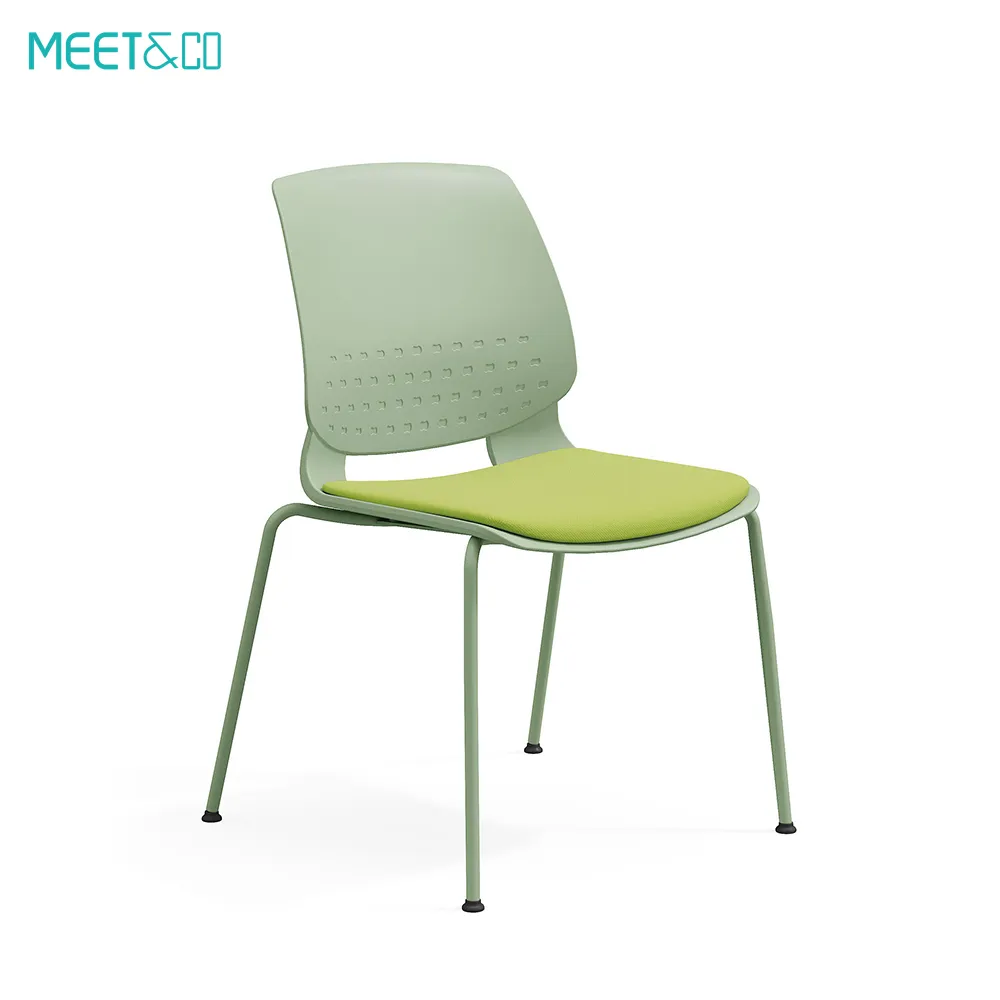
2. Meet&Co Movable Training Chair
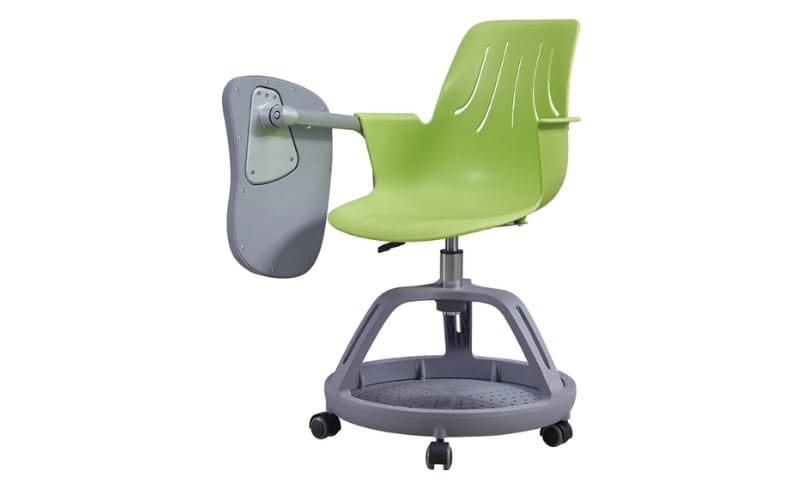
Meet&Co Movable Training Chair
Designed for flexibility, this training chair moves easily around the classroom. It works well for group activities, training sessions, and any setting where students need to rearrange their seating quickly. Lightweight yet durable, it makes classroom transitions smooth.
Key features: Mobile design with easy movement, lightweight construction, ergonomic backrest, comfortable seat cushion, available in various colours.
Best for: Training rooms, collaborative classrooms, STEAM labs, and any space where seating arrangements change often.
3. Ergonomic Plastic Student Chair with Tablet Arm
This chair is perfect for lecture halls and tutoring centers. The attached writing tablet provides a work surface without the need for a separate desk, saving floor space. The tablet arm rotates and flips up for easy entry and exit. The ergonomic shell supports good posture.
Key features: Integrated flip‑up writing tablet, ergonomically contoured plastic shell, pencil groove to prevent rolling, lightweight and durable.
Best for: Lecture halls, training centers, exam rooms, universities.
4. Stackable Polypropylene School Chair
A classroom classic. This chair is lightweight, wipe‑clean, and stackable up to 6–10 units high. The polypropylene shell resists scratches and daily wear. Available in multiple sizes for different age groups, it is one of the most practical choices for schools on a budget.
Key features: Stackable design saves storage space, durable polypropylene construction, easy to clean, available in multiple colours and sizes.
Best for: Regular classrooms, cafeterias, multipurpose halls, exam rooms.
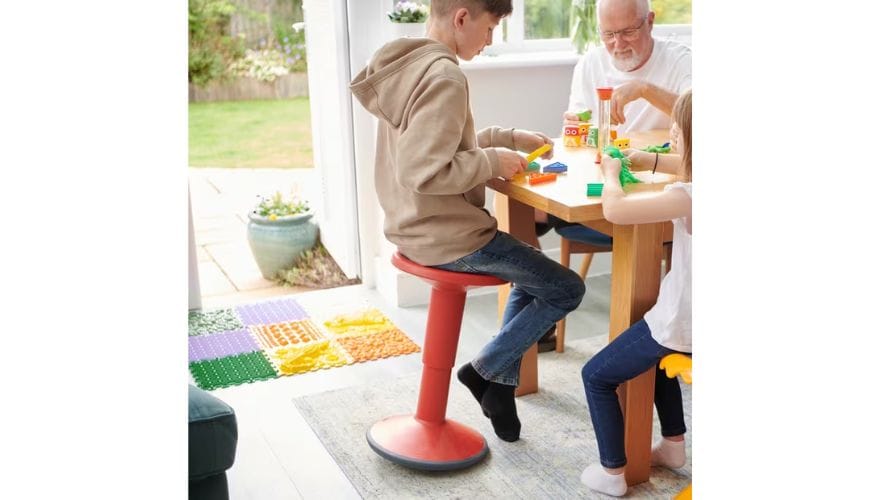
5. Active Wobble Stool for Flexible Classrooms
https://www.sensorydirect.com/sense-wobble-stool-adjustable?srsltid=AfmBOornYbGmME-pzHohl2sXMwPO-qtzEA8sxxLsWHOa0Pf_AJfuxtVb
Wobble stools are gaining popularity in 2026. They have a gently curved base that allows small, controlled motion while staying seated. Instead of asking students to ignore their bodies, wobble stools let them fidget quietly, which can actually improve focus and engagement. They also help build core strength and improve posture.
Key features: Curved base for 360‑degree wobble motion, promotes active sitting, strengthens core muscles, quiet movement, lightweight and portable.
Best for: Sensory rooms, flexible learning spaces, classrooms with students who struggle to sit still.
More tips: Best Flexible Seating Classroom Ideas for Modern Learning
Quick Reference Table
| Chair Type | Key Feature | Best For |
|---|---|---|
| Meet&Co Wooden Desk & Chair Set | Complete matching set | Montessori, primary classrooms |
| Meet&Co Movable Training Chair | Mobile and lightweight | Training rooms, collaborative spaces |
| Tablet Arm Chair | Built‑in writing surface | Lecture halls, exam rooms |
| Stackable Polypropylene Chair | Saves storage space | Regular classrooms, multipurpose halls |
| Active Wobble Stool | Allows controlled motion | Sensory rooms, flexible seating areas |
Frequently Asked Questions (FAQ)
1. What is the most common type of school chair?
The most common type is the standard 4‑leg plastic chair with a metal frame. It is practical, long‑lasting, and easy to clean, making it ideal for everyday use in busy learning environments. For primary and secondary schools, the ergonomic plastic student chair remains the most popular choice due to its versatility.
2. Are ergonomic school chairs worth the extra cost?
Yes, for most classrooms. Ergonomic chairs with contoured backrests and waterfall seat edges reduce physical strain and help students focus for longer periods. Research shows that well‑designed classroom seating supports posture and reduces discomfort during extended learning sessions. The upfront cost is usually worth it for the improvement in student comfort and attention.
3. What should I look for when buying school chairs in bulk?
Look for five things: stackability (saves storage space), durable materials like polypropylene or powder‑coated metal, rounded edges for safety, appropriate sizing for your age group, and compliance with safety standards such as BS EN 1729 or equivalent. Also check warranty terms—durable chairs often come with multi‑year warranties that protect your investment.
Final Thoughts
School chairs are not just furniture. They are tools that affect how students learn, focus, and feel throughout the day.
The right chair supports good posture and keeps students comfortable. The wrong chair leads to fidgeting, distraction, and even back problems.
Take stock of your classroom. What type of chair do you have now? Does it fit your students? Does it match your teaching style?
If you are buying new, start with one or two types that fit your most common use cases. For most schools, a mix of stackable standard chairs and a few flexible seating options like wobble stools or movable training chairs covers almost every need.
Your students spend hundreds of hours in those chairs. Give them something good to sit on.