





 Meet&Co
You sit in an office chair for hours every day. Your back hurts. Your shoulders feel tight. Maybe you have tried an “ergonomic chair” before, but your pain did not go away.
So now you are wondering: do I need an orthopedic chair instead?
It is a fair question. The two terms sound similar. Many people use them interchangeably. But they are not the same thing. One focuses on prevention. The other focuses on relief for existing pain.
In this guide, we will explain the difference in simple terms. You will learn which chair fits your situation, see a clear comparison table, and get recommendations for four top orthopedic chairs – plus one excellent ergonomic chair.
Let us clear up the confusion.
What is an Ergonomic Chair?
An ergonomic chair is designed for the average person who sits at a desk all day. Its main job is to prevent pain before it starts.
Think of an ergonomic chair as your everyday posture coach. It encourages proper alignment of your spine, shoulders, and hips. It reduces the risk of strain from sitting too long.
Ergonomic chairs are general-purpose solutions. They work for most people in most situations. Their superpower is adjustability – you can tweak almost everything to fit your body.
Key features of ergonomic chairs:
- Seat height adjustment – Get your feet flat on the floor
- Backrest angle adjustment – Lean back when you need a break
- Adjustable lumbar support – Support your lower back curve
- Adjustable seat depth – Match the seat to your leg length
- Height adjustable armrests – Keep your shoulders relaxed
- Breathable mesh material – Stay cool during long workdays
Ergonomic chairs are best for people without chronic pain who want to stay comfortable and supported throughout the day.

What is an Orthopedic Chair?
An orthopedic chair takes things further. It is designed for people who are already dealing with pain – sciatica, chronic back pain, herniated discs, or other musculoskeletal conditions.
Medical professionals often recommend these chairs because they do not just prevent discomfort – they actively help relieve it.
Think of an orthopedic chair as a rehabilitation tool. It provides firmer, more targeted support to specific areas of your spine. It helps you maintain proper posture even when your body wants to slouch.
Key features of orthopedic chairs (beyond ergonomic basics):
- Firmer seat and back cushions – Support over plush comfort
- More pronounced lumbar curve – Pushes your lower back into proper alignment
- Free‑Float Swivel Mechanism – Allows independent adjustment of seat and backrest
- Fewer movable parts – Less adjustability, more fixed support
- Contoured backrest – Wraps around your spine for precise contact
Orthopedic chairs are best for anyone with pre‑existing conditions like persistent back pain, sciatica, or post‑surgery recovery needs.
Key Differences: Orthopedic vs Ergonomic Chairs
Here is a simple table to help you see the difference at a glance.
| Feature | Ergonomic Chair | Orthopedic Chair |
|---|---|---|
| Primary goal | Prevent pain and discomfort | Relieve existing pain |
| Best for | Healthy people who sit long hours | People with back pain, sciatica, or spinal conditions |
| Adjustability | High – many moving parts | Moderate – more fixed support |
| Cushion firmness | Medium – comfortable for long sits | Firm – support over plushness |
| Lumbar support | Adjustable, moves with you | Pronounced, often fixed curve |
| Medical recommendation | Not typically | Often recommended by doctors or physical therapists |
| Feel | Light, breathable, flexible | Firm, stable, “strict” |
| Approach | Proactive (prevents problems) | Reactive (treats existing problems) |
Do You Need an Orthopedic Chair or an Ergonomic Chair?

Question 1: Do you already have back pain?
-
No, I feel fine → Start with an ergonomic chair. It will help keep you pain‑free.
-
Yes, mild discomfort → A high‑quality ergonomic chair with good lumbar support may be enough.
-
Yes, chronic or severe pain → Talk to a doctor. An orthopedic chair is likely a better fit.
Question 2: What does your doctor say?
If you have a diagnosed condition like sciatica, herniated disc, or spinal stenosis, ask your doctor or physical therapist. They may recommend specific features or even prescribe an orthopedic chair as part of your treatment plan.
Question 3: How do you want the chair to feel?
-
I want to feel relaxed and comfortable → Ergonomic chair.
-
I want firm, corrective support even if it feels less “plush” → Orthopedic chair.
A simple rule:
Ergonomic chairs are for healthy people who want to stay healthy.
Orthopedic chairs are for people who already have pain and need help managing it.
4 Best Orthopedic Chairs for Back Pain Relief
If you have decided an orthopedic chair is right for you, here are four excellent options. These chairs are known for their supportive design and ability to relieve existing back pain.
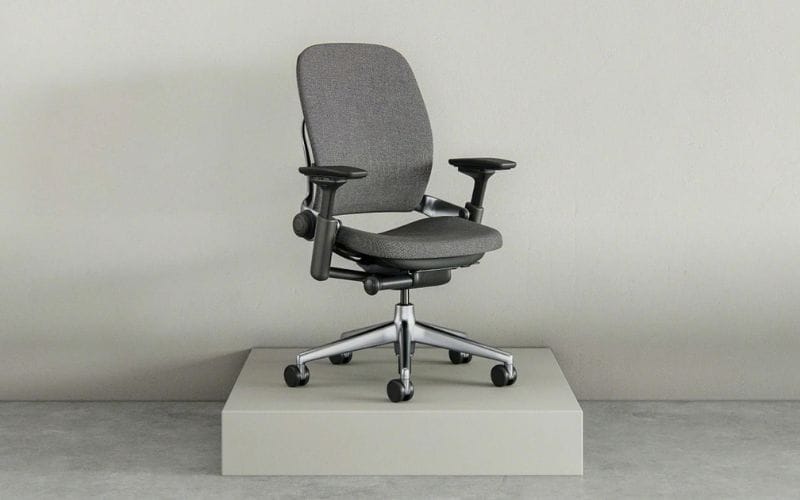
1. Steelcase Leap V2
https://www.steelcase.com/products/office-chairs/leap/
The Steelcase Leap V2 is widely considered one of the best chairs for back pain relief. Its patented LiveBack technology mimics the natural movement of your spine. The entire backrest flexes as you recline, keeping consistent contact with your lower back from upright to leaned‑back positions.
Key features:
-
3D LiveBack system – Backrest flexes dynamically with your movement
-
Natural Glide System – Seat slides forward as you recline, keeping your feet on the floor
-
Highly adjustable – Seat depth, armrests (4D), lumbar height, and tension
-
Built to last – 12‑year warranty, many users report 15+ years of use
Best for: People with lower back pain who need a chair that adapts to their movement. The Leap V2 tends to work for a wider range of body types and sitting styles than most competitors.
Price range: ~$1,000 – $1,300
2. Herman Miller Aeron
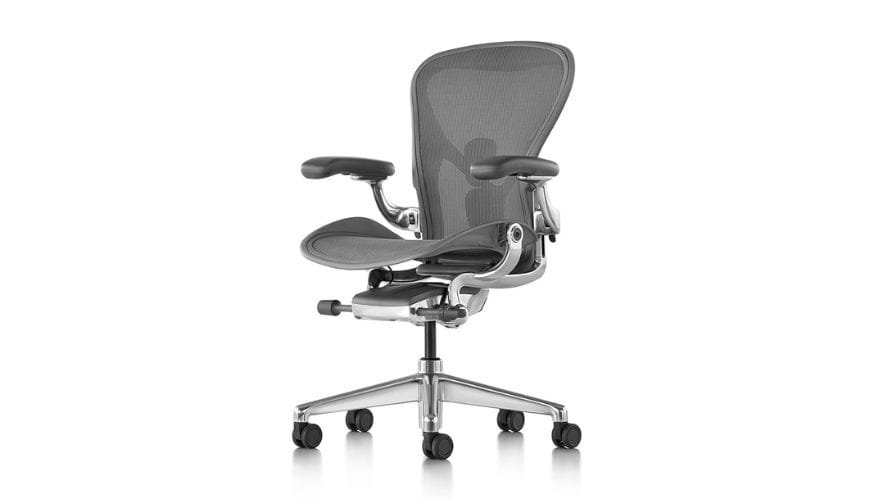
Image source: https://www.hermanmiller.com/products/seating/office-chairs/aeron-chair/
The Herman Miller Aeron is an icon in the seating world. It uses a pellicle mesh that conforms to your body while providing firm, breathable support. The chair comes in three sizes (A, B, C) so you can get a precise fit.
Key features:
-
PostureFit SL – Supports both the sacral and lumbar regions independently
-
Pellicle mesh – Breathable and supportive, no foam to trap heat
-
Three sizes – Get the right fit for your body type
-
12‑year warranty – Standard for Herman Miller
Best for: People who run hot (the mesh is incredibly breathable) and those who want a chair that is both ergonomic and stylish. The Aeron is particularly beneficial for users who suffer from back or circulation issues.
Price range: ~$800 – $1,500 (depends on size and options)
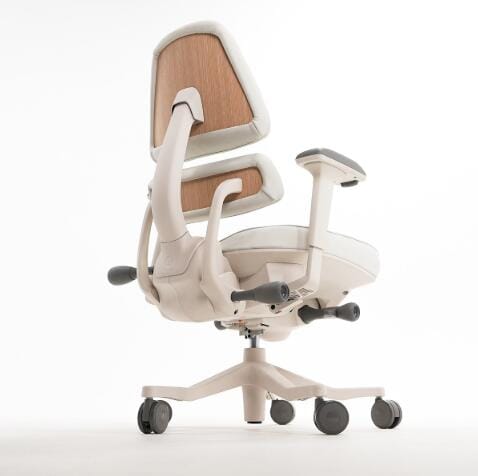
3. Anthros V2
Source: https://www.anthros.com/
The Anthros V2 is a newer contender that has gained attention for its posture‑correcting design. Wired called it “the best chair for anyone looking to sharpen up their posture, especially if you’ve been dealing with back pain”.
Key features:
-
Pelvic support design – Supports your pelvis instead of just your lumbar spine
-
Posture‑correcting shape – Encourages a neutral spine without effort
-
Highly adjustable – Fits a wide range of body types
-
Breathable materials – Keeps you cool during long sits
Best for: People who struggle with posture and want a chair that actively helps them sit correctly. The Anthros V2 is a strong alternative to the Herman Miller Embody.
Price range: ~$800 – $1,000
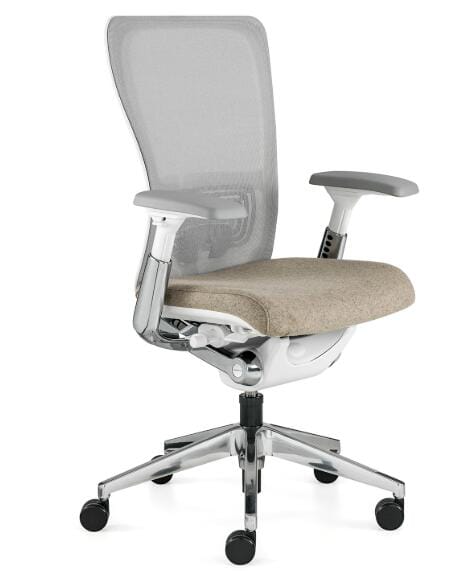
4. Haworth Zody
https://www.haworth.com/la/en/products/executive/zody-1.html
The Haworth Zody is designed specifically for lower back pain relief. It features an asymmetrical lumbar support system that lets you adjust the left and right sides independently – perfect for people with uneven back issues.
Key features:
-
Asymmetrical lumbar support – Adjust each side independently
-
Dual‑pivot back – Moves with your torso
-
Breathable mesh back – Keeps air flowing
-
GREENGUARD certified – Low chemical emissions
Best for: People with scoliosis, herniated discs on one side, or any condition where the left and right sides of your back need different support levels.
Price range: ~$700 – $1,000
1 Best Ergonomic Chair (For Prevention and Everyday Comfort)
If you do not have chronic pain and just want a chair that keeps you comfortable and supported all day, this ergonomic chair is an excellent choice.
Meet&Co Full Mesh Ergonomic Chair
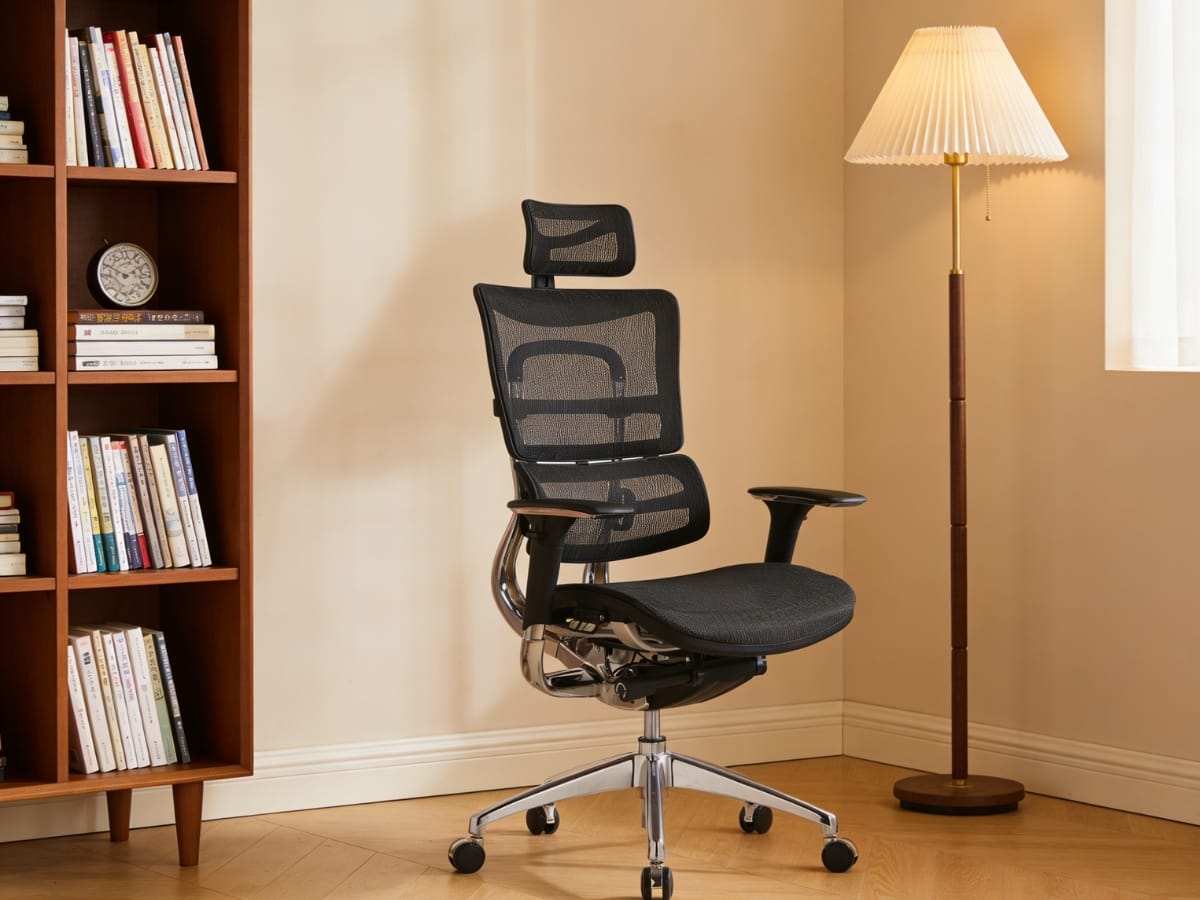
https://www.meetcofurniture.com/product/meetco-full-mesh-ergonomic-chair/
The Meet&Co Full Mesh Ergonomic Chair is designed for people who spend long hours at a desk and want to prevent fatigue and strain. It combines breathability, adjustability, and solid build quality at a budget‑friendly price.
Key features:
-
Full breathable mesh design – Mesh backrest and seat keep air flowing, reducing heat buildup and keeping you cool during long work sessions
-
Adjustable headrest – Customizable height and angle for optimal neck support, relieving cervical strain
-
Multi‑directional (4D) armrests – Adjust for height, width, and angle to fit various working postures
-
Dynamic lumbar support – Adaptive lower back support that conforms to your body, easing lumbar pressure
-
Seat depth and height adjustment – Get a perfect, personalized fit
-
3‑position tilt lock – Lock your preferred backrest angle for work or rest
-
Sturdy materials – Mesh fabric, nylon plastic frame, PU armrests, and aluminum alloy components for durability
Best for: Home office workers, remote employees, and anyone who wants full adjustability without spending $800+. The full mesh design is especially good for people who run hot or live in warm climates.
Price range: Budget‑friendly (factory direct sale)
Warranty: 1‑3 years covering manufacturing defects
Note: The Meet&Co is an ergonomic chair, not an orthopedic chair. It is designed for prevention and comfort, not for treating existing chronic pain. If you already have significant back pain, one of the orthopedic chairs above may be a better fit.
Which One Should You Buy?
Here is a simple decision guide.
| Your situation | Recommended chair type |
|---|---|
| No back pain, want to stay comfortable all day | Ergonomic chair (e.g., Meet&Co Full Mesh) |
| Mild lower back discomfort, no diagnosis | High‑quality ergonomic chair with good lumbar support |
| Diagnosed chronic back pain or sciatica | Orthopedic chair (Steelcase Leap, Herman Miller Aeron, etc.) |
| Post‑surgery recovery | Orthopedic chair (consult your doctor first) |
| You run hot / sweat while sitting | Breathable mesh chair (ergonomic or orthopedic) |
| You need to save money | Ergonomic chair – good ones exist under $400 |
Frequently Asked Questions (FAQ)
1. Can an ergonomic chair help with existing back pain?
Yes, but it depends on the severity. A high‑quality ergonomic chair with adjustable lumbar support can reduce mild to moderate back pain for many people. However, if you have chronic pain, a diagnosed spinal condition, or pain that does not improve with a good ergonomic chair, an orthopedic chair is a better choice. Ergonomic chairs focus on prevention. Orthopedic chairs focus on treatment and relief. If your pain is severe, talk to a doctor before buying any chair.
2. Are orthopedic chairs comfortable?
Not in the same way as a plush, cushioned armchair. Orthopedic chairs use firmer materials to provide proper support and maintain spinal alignment. For a healthy person, they may feel “too firm” or even uncomfortable at first. For someone with back pain, that firm support is exactly what they need to reduce pain and prevent further injury. Think of an orthopedic chair as a “strict rehabilitation coach” rather than a “relaxing lounge seat”. Give yourself a week or two to adjust.
3. Do I need a doctor’s prescription for an orthopedic chair?
No, you can buy an orthopedic chair without a prescription. However, if you have a serious condition like a herniated disc, spinal stenosis, or post‑surgery recovery, you should consult your doctor or physical therapist before purchasing. They can recommend specific features (e.g., lumbar curve depth, seat firmness, headrest requirements) that will work best for your condition. Some insurance plans may even cover part of the cost if the chair is prescribed – check with your provider.
Final Thoughts
Ergonomic chairs and orthopedic chairs serve different purposes. One is not “better” than the other – they are just for different people.
Choose an ergonomic chair if:
-
You are generally healthy with no chronic pain
-
You want to prevent future back problems
-
You value adjustability and breathability
-
You want a good balance of comfort and support
Choose an orthopedic chair if:
-
You already have chronic back pain or a spinal condition
-
Your doctor has recommended targeted support
-
You need a firmer, more corrective seating solution
-
Comfort is secondary to pain relief and proper alignment
For most people, starting with a quality ergonomic chair like the Meet&Co Full Mesh model is the right move. It provides excellent support, keeps you cool, and helps prevent pain before it starts. If your pain persists or you have a diagnosed condition, then explore orthopedic options.