






 Meet&Co
AHFA urges furniture marketers to make product safety a selling point
COLFAX, N.C. — Furniture brands and manufacturers have traditionally left product safety messaging to warning labels and instruction manuals, but the growth of noncompliant products online demands a more proactive approach from marketers, according to Pat Bowling, vice president of communications at the American Home Furnishings Alliance.
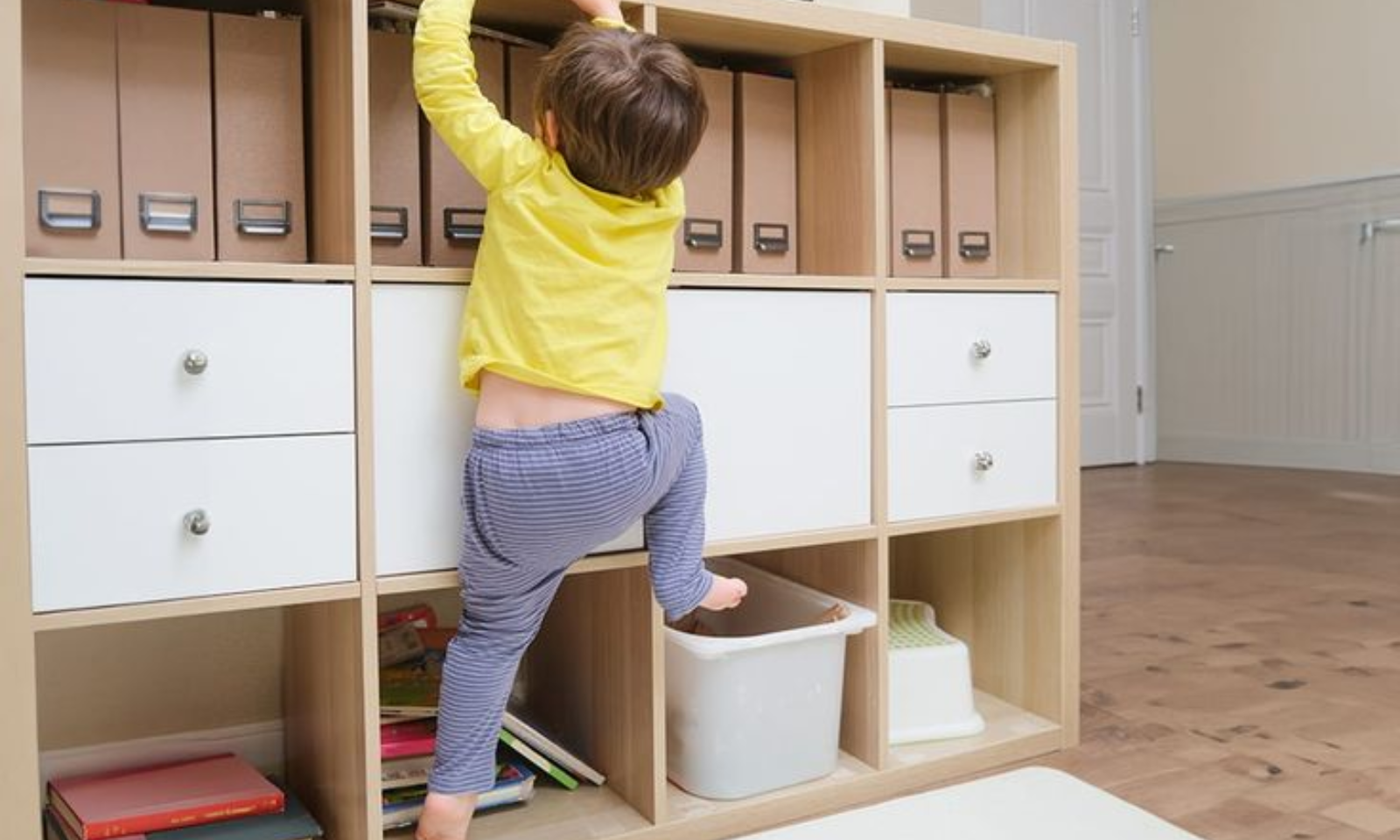
Speaking during her presentation “Marketing’s Role in Promoting Product Safety” at the AHFA Marketing and PR Conference, Bowling said product safety increasingly intersects with design, manufacturing, compliance testing and customer communications.
“As an industry, we have relied mostly on warning labels and maybe product instruction guides to carry the weight of communicating product safety,” she said. “But a proliferation of noncompliant products in the marketplace today is making it necessary for you to be more proactive.”
Overcoming resistance
Bowling acknowledged that marketers often hesitate to incorporate safety into promotional copy because they do not want to undercut positive messages about a product. Company executives and attorneys also may fear that emphasizing safety features will invite greater scrutiny.
But Bowling argued that “featuring product health and safety attributes as a regular part of your product descriptions has a much stronger upside, both for your company and for the industry as a whole.”
Marketers also may question the value of promoting compliance with requirements every company is legally obligated to meet. Federal flammability and stability regulations, for example, replaced voluntary standards that once allowed compliant manufacturers to distinguish themselves.
“What has changed is this: the growth of unregulated products in the online marketplace,” Bowling said. “It turns out that a focus on safety, adherence to voluntary standards and even compliance with mandatory regulations is a differentiator once again.”
A growing online problem
Bowling pointed to third-party sellers, often based overseas, offering products through large online marketplaces without regard for U.S. safety requirements. When regulators identify a noncompliant product, she said, a supplier can alter its name or dimensions and continue selling it.
The Consumer Product Safety Commission issued 17 dresser recalls in 2025 involving more than 200,000 units, she said. Another 11 recalls this year have involved more than 230,000 units.
AHFA research also has found some dressers promoted as having an “anti-tip design” that failed stability testing, lacked required warnings or did not include a compliant anti-tip device, she said.
“In online product descriptions and in in-store conversations with customers, it is absolutely worth noting that your products are tested to meet federal standards,” Bowling said. “There’s absolutely no guarantee that the products consumers are seeing online may or may not meet federal regulatory standards.”
Building consumer awareness
Bowling encouraged companies to incorporate compliance statements and simple safety reminders into online product descriptions, including reminders that dressers and chests should be anchored to the wall.
“If including health and safety information in our product descriptions becomes the norm, then consumer awareness of safety issues will improve,” she said.
She also encouraged companies, retailers and dealers to participate in Furniture Safety Week, scheduled for Oct. 5-10. The annual AHFA and Alliance for Safety campaign seeks to reduce home furnishings-related injuries, particularly among children, older adults and other vulnerable groups.