





 Meet&Co
What is the etiquette for cubicles in the workplace? It is a structured framework of professional behavioral norms focusing on mutual acoustic control, respect for visual privacy, and intentional communication.
Adhering to these shared principles prevents interpersonal friction, protects worker psychological safety, and elevates focus within modern corporate environments.
Key Takeaways
Acoustic Management: Controlling vocal volume avoids a documented 66% drop in surrounding cognitive focus and workflow momentum.
Spatial Integrity: Treating partial walls as firm physical boundaries preserves employee psychological safety and job satisfaction.
Sensory Boundaries: Restricting strong culinary aromas and artificial fragrances protects approximately 33% of chemically sensitive workers.
Strategic Layouts: Managers who align spatial placement with specific team functional needs see performance gains of up to 20%.

The Behavioral Impact of Shared Workspaces
Adhering to defined workplace behavioral protocols directly correlates with a quantifiable increase in corporate operational efficiency and employee retention.
When teams lack standardized guidelines for shared workspaces, administrative friction increases, and overall organizational output suffers.
A comprehensive workplace study by the Gensler Research Institute revealed that optimized, high-performance office designs can improve overall employee task performance by up to 20%.
The cornerstone of this improvement is not just physical furniture, but the mutual behavioral agreements observed by the workforce.
When professionals operate under standardized expectations, cognitive load decreases substantially.
This predictable environment permits individuals to allocate their full mental resources toward complex problem-solving rather than managing environmental stress, paving a clear path toward sustainable business growth.
Basic Cubicle Etiquette Rules for Employees
Implementing strict baseline behavioral rules minimizes daily interpersonal friction points and maximizes localized task focus.
Individuals must actively manage their personal footprint to maintain a balanced, cooperative office ecosystem.
Respect Personal Space
Treating a coworker’s cubicle threshold as a closed physical door safeguards their individual workflow and psychological comfort.
One should never peek over partition walls or enter a colleague’s workspace uninvited.
A landmark study from Harvard Business School by researchers Ethan Bernstein and Stephen Turban found that when organizations transitioned to open or low-walled layouts, face-to-face interaction actually decreased by nearly 70%.
Employees naturally withdrew from their peers, using large headphones and avoiding eye contact to reclaim their lost privacy.
To counteract this trend, treating individual office cubicle workstations with high spatial respect preserves a sense of security.
Always knock gently on the partition or announce your presence verbally before entering a colleague’s desk space.
Noise Control
Mitigating auditory distractions is the single most critical factor in maintaining department-wide concentration and reducing error rates.
Shared office environments amplify sound, turning minor noises into major focus disruptors.
According to data published by the World Economic Forum, ambient conversational noise in an office environment causes an immediate 66% drop in individual employee productivity.
Furthermore, research from the University of California, Irvine, led by Dr.
Gloria Mark, demonstrated that it takes an average of 23 minutes and 15 seconds to return to a primary task after a single interruption.
To preserve the team’s focus, workers should default to keeping personal devices on silent, speaking in lowered tones, and utilizing high-quality noise-canceling headphones during virtual collaborations.
Cleanliness and Organization
Maintaining immaculate personal desk hygiene is an essential professional courtesy that directly impacts the visual comfort and focus of adjacent workers.
Clutter does not remain isolated; it visually bleeds into the shared perimeter.
The Princeton Neuroscience Institute published research showing that multiple task-irrelevant visual stimuli present in a person’s field of view directly compete for neural representation.
This visual chaos limits the brain’s processing capacity and raises baseline cortisol levels.
Keeping physical paperwork filed away, disposing of trash promptly, and wiping down desk surfaces ensures your environment does not negatively impact the focus of nearby colleagues.
Polite Communication
Utilizing digital communication tools for minor updates prevents the constant focus fragmentation caused by unexpected physical drop-ins.
Collaboration must be balanced with deep respect for an individual’s time and ongoing tasks.
A study conducted by Michigan State University found that brief interruptions lasting a mere three seconds can double an employee’s error rate on complex or sequential tasks.
When operating within shared office cubicles, workers should opt for internal instant messaging platforms to ask brief questions.
If an in-person conversation is necessary and expected to last more than two minutes, relocate the discussion to a designated breakout zone or meeting room to avoid disrupting the concentration of neighboring team members.
Food and Fragrance Considerations
Restricting pungent culinary choices and heavy artificial scents protects the physiological well-being and health of the entire department.
Open air currents ensure that personal sensory choices quickly become public issues.
Data published in the Journal of Environmental Health indicates that approximately 33% of individuals report adverse health effects, including migraines and respiratory distress, when exposed to fragranced products in indoor workspaces.
Employees should consume heavily aromatic meals exclusively in designated cafeteria zones rather than at their desks.
Additionally, avoiding strong perfumes, colognes, and aerosol air fresheners maintains a neutral, inclusive environment suitable for individuals with chemical sensitivities.
Advanced Tips for Positive Cubicle Relationships
Navigating peer conflict in tight quarters requires non-confrontational communication strategies and clear, proactive visual boundaries.
Maintaining long-term harmony relies on addressing issues before they escalate into persistent cultural friction.
Workplace efficiency data indicates that teams utilizing explicit, visual “Do Not Disturb” signals—such as specific desk status lights or small flags—experience a 46% reduction in unwanted daily interruptions.
When a colleague’s behavior routinely breaches office norms, address the issue privately and constructively.
Rather than expressing frustration publicly, use a collaborative approach offline: “I am working on an intensive data audit this afternoon; would you mind taking your team sync call in a huddle room?”
This preserves peer-to-peer respect while establishing firm operational boundaries.
Cubicle Etiquette for Managers
Managers must design explicit team agreements and purposefully arrange office layouts to balance collaborative needs with quiet individual zones.
Leadership sets the tone for environmental compliance across the entire department.
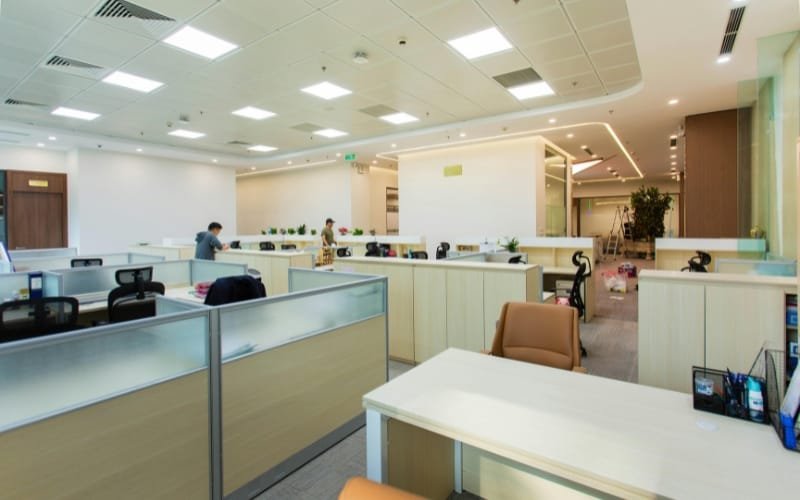
When arranging modular office cubicles, corporate leaders should purposefully separate high-interaction departments, such as sales or recruitment, from focus-intensive teams like engineering or finance.
Research from corporate real estate firm JLL shows that providing dedicated quiet enclaves can improve task performance by up to 6%.
Modern workplace consultants at Meet&Co emphasize that managers must document these environmental expectations during employee onboarding and adapt rules for hybrid schedules, ensuring that designated in-office days do not dissolve into chaotic, noisy disruptions.
Cultural and Industry Differences in Cubicle Etiquette
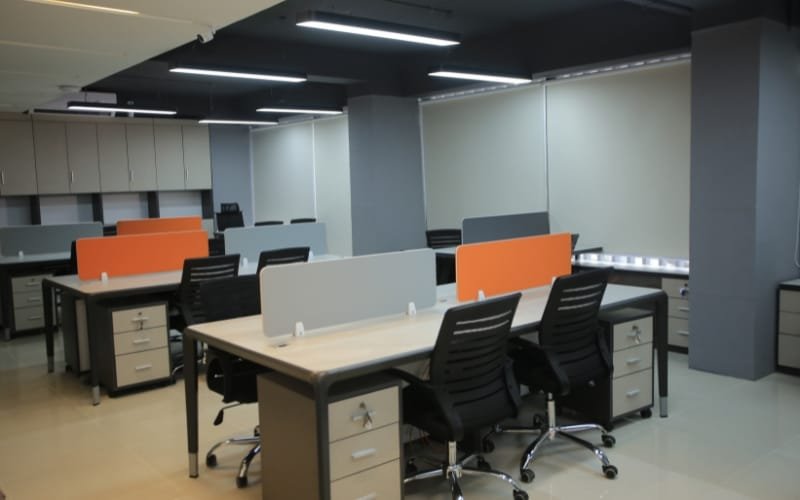
Adapting behavioral expectations to specific global cultures and industry verticals prevents cross-border misunderstandings and optimizes employee alignment.
Corporate etiquette is never a one-size-fits-all framework.
A global workplace index by Gensler highlighted that workspace effectiveness scores drop significantly when partition walls are lowered below eye level without an accompanying shift in cultural training.
For example, East Asian corporate environments often mandate strict, uniform silence to honor collective focus, while creative industries in North America encourage highly animated verbal brainstorming.
When deploying large-scale commercial cubicles for an organization, management must calibrate their behavioral training to match both local regional customs and specific industry expectations.
Interactive Resources and Structural Blueprint
Providing actionable visual tools and strategic floor plan layouts allows organizations to institutionalize etiquette standards effortlessly.
Integrating behavioral guidelines into physical space planning ensures natural compliance.
A simple, downloadable checklist posted near a department entrance serves as an excellent daily reminder for noise limits, clean-desk policies, and communication etiquette.
To maximize the effectiveness of these rules, companies should structurally map their floor plans to separate conflicting workflows.
The table below outlines an optimized spatial blueprint designed to balance corporate collaboration with cognitive focus:
| Space Allocation Zone | Primary Structural Strategy | Measured Productivity Impact |
|---|---|---|
| High-Focus Workspaces | Tall acoustic panels; located away from central walking paths | Reduces cognitive error rates by up to 50% |
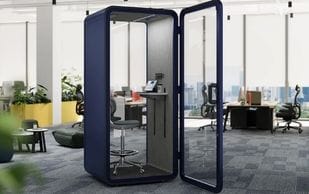
| Collaborative Huddle Hubs | Enclosed glass booths featuring integrated soundproofing | Enhances team innovation; eliminates acoustic bleed |
| Sensory Breakrooms | Centralized dining areas equipped with dedicated ventilation | Eradicates up to 90% of desk-level odor complaints |
Conclusion
In summary, mastering what is the etiquette for cubicles in the workplace is an ongoing exercise in empathy, environmental awareness, and professional courtesy.
By managing acoustic output, maintaining visual boundaries, and respecting the shared sensory environment, employees can transform dense office configurations into highly effective engines of innovation.
Ultimately, organizational harmony relies on the daily mindfulness of every team member.
When individuals commit to upholding these foundational principles, they build a workplace where focused independent output and deep team collaboration can successfully thrive side-by-side.