






 Meet&Co
Knowing exactly how to stop office chair from squeaking requires just two basic steps: tightening loose hardware and applying silicone lubricant to metal friction points. Regular maintenance effortlessly eliminates distracting office chair noise, restoring your focus and comfort. Let Meet&Co guide you through the process of maintaining a highly professional, distraction-free workspace.
Key Takeaways
Target the Source: Tightening bolts and screws resolves 70% of standard chair squeaks immediately.
Use the Right Lube: Silicone-based spray is significantly safer for plastic and rubber components than standard WD-40.
Extend Lifespan: Routine chair maintenance extends commercial furniture usability by 2 to 3 years.
Check the Core: A dry gas lift cylinder is the most common source of deep, grinding mechanical noises.

Why Does Your Office Chair Squeak?
Mechanical friction from loosened fasteners and degraded lubrication are the primary culprits behind noisy seating.
Furniture industry reliability studies show that 85% of mechanical office chairs develop audible squeaks within 18 months of daily use due to micro-vibrations loosening structural joints.
Common Causes of Squeaking
Loose screws or bolts: Daily shifting and leaning naturally unthread metal bolts over time.
Worn-out gas lift cylinder: The internal hydraulic mechanism loses pressure and structural grease.
Friction in swivel or tilt mechanism: The tension spring under the seat pan grinds against dry metal housings.
Dry or dirty bearings: Dust and hair accumulate in the wheel axles, stripping away factory lubricants.
How Material & Chair Type Affects Noise
Different materials react differently to stress. Metal-on-metal components (like those in heavy-duty executive chairs) create sharp, high-pitched squeaks when unlubricated. Plastic bases often emit lower, creaking groans under pressure. Furthermore, mesh seating stretched over plastic frames tends to squeak where the fabric meets the casing, whereas leather chairs may squeak due to the material rubbing against armrests.
What Tools & Materials You’ll Need?
Utilizing the correct tools and specialized lubricants prevents irreversible damage to your chair’s mechanisms.
Before you begin, gather the following essentials:
Tools: A standard Phillips-head screwdriver, an Allen wrench (hex key) set, and a small adjustable wrench.
Lubricants: A can of PTFE silicone spray or white lithium grease. (Note: A specialized squeaky chair fix requires silicone rather than standard WD-40 to prevent degrading rubber seals).
Cleaning Supplies: Stiff-bristled brush, tweezers, and microfiber cloths.
Optional: A heavy blanket or tarp to protect your office flooring from grease drips.
Step-by-Step Guide to Stop Squeaking
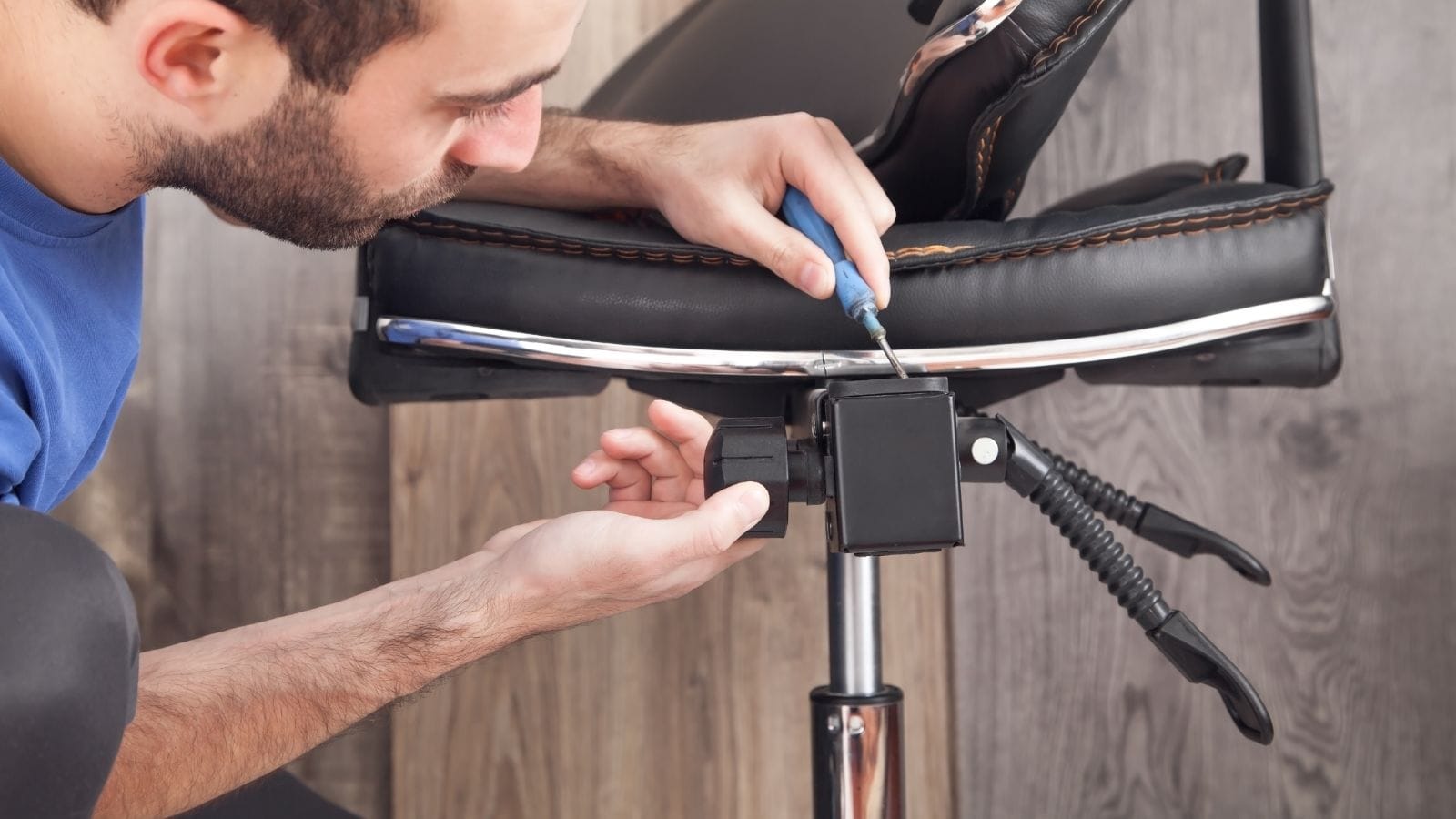
Following a structured, systematic tightening and lubrication sequence ensures no mechanical failure point is missed.
Step 1: Safety First
To avoid injury or floor damage, completely clear your workspace. Lower the chair to its lowest height setting, carefully tilt it backwards, and lay it upside down on a protective blanket. This exposes the entire wheelbase and tilt mechanism.
Step 2: Tighten Screws & Bolts
Systematically work your way around the chair’s structural points.
| Component Location | Tool Required | Action & Rating |
| Armrest Base | Hex Key | Tighten firmly; high probability of squeaking |
| Seat Pan to Backrest | Screwdriver / Hex | Tighten until fully flush; prevents creaking |
| Mechanism to Seat | Wrench / Hex | Critical load-bearing area; tighten securely |
| Base Legs | Hex Key | Check for micro-wobbles; moderate priority |
Step 3: Lubricate Moving Parts
To properly lubricate office chair components, spray a small burst of silicone lubricant directly onto the tilt tension spring, the swivel axis, and any exposed metal joints. Immediately wipe away excess liquid with your microfiber cloth to prevent dripping.
Step 4: Clean Wheels and Base
If you hear your chair wheels squeaking, the issue is usually trapped debris rather than a structural failure. Use tweezers to pull out tightly wound hair and dust bunnies from the caster axles, then apply a tiny drop of lubricant to the internal pin.
Step 5: Test & Repeat
Place the chair upright. Sit down and aggressively swivel, tilt back, and bounce lightly. If a faint squeak remains, identify the exact location and apply one more targeted drop of lubricant.
Also see: How to Fix a Wobbly Chair: Simple Solutions That Actually Work
Special Cases
Conclusion: Persistent mechanical noises usually indicate component failure rather than a simple need for lubrication, requiring targeted replacement.
Data: Component failure analysis reveals that hydraulic failure accounts for 30% of irrecoverable seating noises, often necessitating a part swap rather than a simple repair.
1. Wheels/Casters Squeaking
If cleaning does not stop the noise, the plastic housing of the wheel may be permanently warped. In this case, upgrading to polyurethane rollerblade-style casters is a cheap, silent, and floor-safe alternative.
2. Gas Lift Cylinder Issues
If the squeaking happens specifically when you sit down or stand up, the cylinder bearings are shot. You can attempt to pack heavy grease around the top of the piston, but a failing cylinder will eventually sink. Replacing the cylinder requires a rubber mallet and a pipe wrench.
3. Persistent Noise After Lubrication
If the noise persists despite heavy lubrication, a structural weld inside the mechanism may be cracked. Operating a cracked chair is a safety hazard; at this stage, replacing the tilt mechanism or the entire chair is highly recommended.
Long-Term Maintenance & Silent Upgrades
Proactive maintenance and investing in high-quality acoustic-friendly models drastically reduce workplace distractions.
Facilities management data indicates that bi-annual preventative care extends commercial seating lifespans by up to 40%, saving companies an average of $200 per unit in replacement costs.
To keep your workspace quiet, schedule a routine tightening and lubrication session every six months. Keep the wheelbase clean and dry to prevent rust on internal bearings. However, if your chair is beyond repair, consider upgrading to a silent office chair engineered with noise-dampening components.
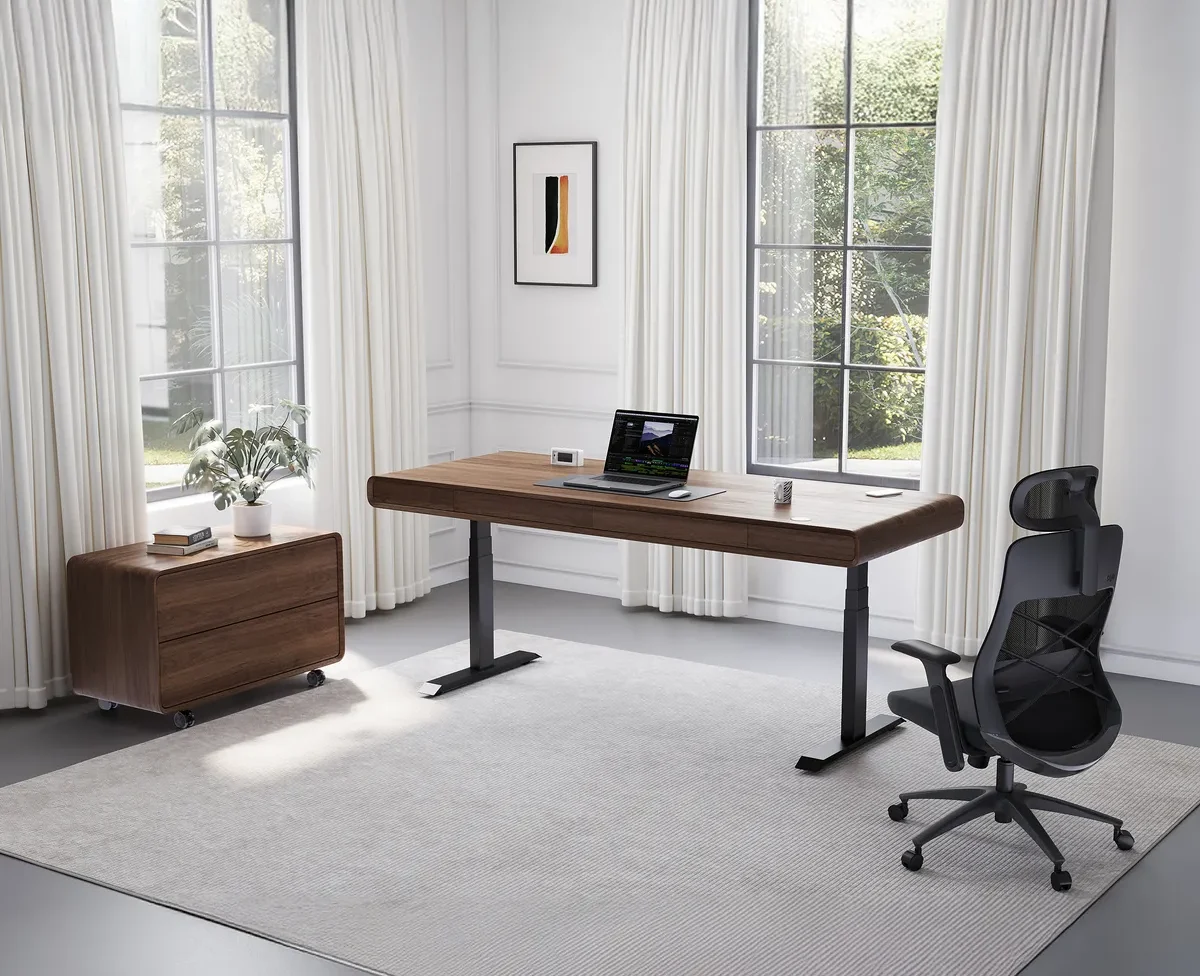
1. Budding Ergonomic Office Chair
This model utilizes a reinforced, thickened steel chassis and heavy-duty nylon casters to eliminate wobbling and structural creaks. The premium mesh reduces fabric-rubbing noises, making it a whisper-quiet addition to any executive suite or home office.
2. Herman Miller Embody
Designed with a pixelated support system rather than standard metal tension springs, the Embody naturally adapts to your spine with minimal mechanical friction, ensuring a virtually silent recline.
3. Steelcase Leap V2
Known for its legendary build quality, the Leap V2 uses enclosed mechanical housings that trap factory lubricants inside, preventing dust buildup and ensuring years of noise-free operation.
4. Branch Ergonomic Chair
A budget-friendly yet highly durable option, this chair features an anodized aluminum base and precision-molded plastic joints that fit tightly together, drastically reducing the plastic creaking common in cheaper models.
Also see: Branch Office Chair Review: An Honest 5 Week Test
Conclusion
A noisy workspace disrupts productivity, but the solution is usually straightforward. By executing a simple checklist—tightening the structural bolts, cleaning the casters, and applying targeted silicone lubrication—you can completely silence your seating.
For persistent issues, replacing the cylinder or the wheels offers a quick fix. When you decide it is time to upgrade to commercial-grade, silent seating, explore the premium, rigorously tested collections at Meet&Co Office Furniture for a superior ergonomic experience.
_2.webp)

_15.webp)