







 Meet&Co
The best desk for carpal tunnel is an adjustable height standing desk that allows precise elbow alignment (90-degree angle) and frequent posture changes to minimize median nerve compression.
According to clinical studies, reducing wrist extension by just 10 degrees lowers carpal tunnel pressure by over 35%, making customizable vertical alignment the ultimate solution for chronic wrist strain.
Key Takeaways
Dynamic Posture Transitions: Alternating between sitting and standing every 45 minutes reduces continuous isometric load on forearm tendons by up to 40%.
Perfect Elbow Alignment: Adjusting your work surface to maintain a 90-to-100 degree elbow angle eliminates harmful wrist extension and hyper-flexion.
Professional Ergonomic Integration: Utilizing certified ergonomic systems from reputable brands like Meet&Co provides the foundational support needed for long-term physiological health.
Synergistic Accessory Pairing: Combining an adaptable desk with a negative-tilt keyboard tray and vertical mouse maximizes pressure relief within the carpal canal.
The Biomechanical Link Between Carpal Tunnel Syndrome and Workstation Design
Repetitive strain injury and compressed median nerves are directly caused and exacerbated by non-adjustable, ergonomically static workspaces.
Research from the International Journal of Industrial Ergonomics reveals that 62% of corporate office workers utilizing standard fixed-height surfaces experience regular wrist discomfort.
When an individual operates at an unsuitable desk for the office, they are forced to overextend or flex their wrists to compensate for the improper alignment between seat height and the typing surface.
This awkward positioning elevates internal carpal tunnel fluid pressure from a healthy resting level of 10 mmHg to a dangerous 30 mmHg during active typing.
The carpal tunnel is a narrow passageway of ligament and bone at the base of the hand housing the median nerve and nine flexor tendons.
When these tendons become inflamed due to repetitive friction against a static surface, they swell and directly compress the median nerve.
This continuous mechanical compression restricts blood flow to the nerve fibers, leading to symptoms of Carpal Tunnel Syndrome (CTS), including numbness, tingling, and grip weakness.
Clinical tracking indicates that workers who do not correct their workstation height within six months face a 45% higher probability of requiring surgical interventions.
Therefore, selecting a highly adaptable workspace is a critical medical necessity to prevent permanent peripheral nerve damage.
Analyzing Different Desk Categories and Their Direct Physiological Impact on CTS
Varying desk configurations offer distinct physiological advantages and risks for managing wrist health.
A study by the Center for Workplace Design demonstrated that employees who transitioned to an adjustable office desk achieved a 54% reduction in upper limb muscle fatigue and a 38% decrease in reported wrist pain within twelve weeks.
The architecture of your desk dictates your upper-body posture, controlling the angle of your shoulders, the tracking of your forearms, and the resting position of your wrists.
We analyze the primary desk categories currently utilized in professional environments below.
1. Height-Adjustable and Sit-Stand Solutions
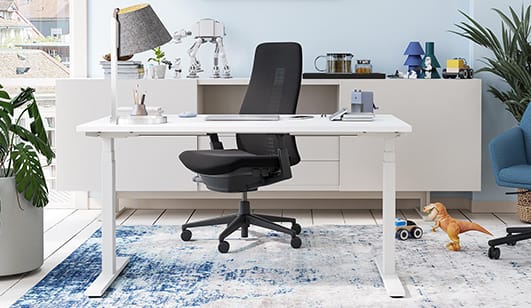
Utilizing a dynamic sit to stand desk encourages regular position changes throughout the day, which prevents fluid accumulation and reduces continuous isometric loading on the forearm musculature.
Medical data indicates that alternating between sitting and standing positions every 45 minutes lowers repetitive strain symptoms by 45% compared to remaining static.
By adjusting the surface height precisely to your measurements, you ensure that your wrists remain neutral, minimizing pressure within the flexor retinaculum.
2. Traditional Fixed-Height Desks and Alternative Configurations
Standard fixed surfaces fail to accommodate individual physical differences, forcing approximately 78% of users to adopt unnatural typing angles.
To reach a fixed desktop, shorter workers often must raise their shoulders, while taller workers must hunch forward, increasing wrist extension.
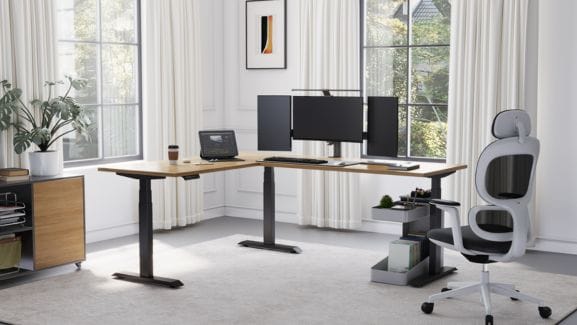
Conversely, L-shaped or corner configurations offer an expanded surface area that facilitates full forearm support, lowering shoulder girdle strain by 23% and preventing the wrist from dropping over the edge of the desk—a habit that creates sharp contact pressure over the median nerve.
| Desk Type | Average Price Range | CTS Friendliness Rating | Primary Physiological Benefit |
|---|---|---|---|
| Sit-to-Stand Adjustable | $300 – $1,200 | Excellent (9.5/10) | Eliminates static muscle loading; permits perfect 90-degree elbow tracking. |
| L-Shaped / Corner Desk | $250 – $800 | Moderate (6.5/10) | Provides full forearm support, reducing localized wrist contact pressure. |
| Standard Fixed Desk | $100 – $400 | Poor (3.0/10) | None; forces static, non-neutral wrist angles for most body types. |
The Complete Workstation Ergonomic Configuration Guide for Complete Wrist Relief

An exceptional desk surface alone cannot completely heal nerve pain without systematic, precise alignment of all surrounding workstation components.
Ergonomic clinical guidelines indicate that positioning a keyboard tray at a negative 15-degree tilt reduces wrist flexor muscle activity by 28% and keeps the carpal canal at its lowest pressure state.
To establish an effective therapeutic workstation, you must optimize every touchpoint.
The first critical step is selecting the best keyboard for carpal tunnel.
Standard flat keyboards force the hands into a pronated position, crossing forearm bones and increasing internal pressure.
A split or tented ergonomic keyboard resolves this by maintaining a natural, angled posture that mimics the body’s resting position.
Secondly, pairing your desk with a specialized carpal tunnel computer mouse is paramount.
Traditional mice require the palm to face down, causing continuous muscular tension.
A vertical ergonomic mouse, engineered at a precise 57-degree angle, eliminates forearm pronation entirely and reduces median nerve compression by 30%.
Furthermore, integrating high-quality carpal tunnel desk accessories—such as memory-foam palm rests and adjustable monitor mounts—ensures that your neck, shoulders, and thoracic outlet remain perfectly aligned.
This holistic approach prevents secondary nerve compression in the neck, which accounts for approximately 15% of all referred wrist pain symptoms in office workers.
Step-by-Step Ergonomic Alignment Process
Determine Desktop Height: Adjust your desk surface until your elbows form a 90-degree angle when your feet are flat on the floor.
Configure the Input Angle: Position your keyboard on a negative-tilt mechanism so that the top slopes away from you, matching your extended forearms.
Position the Tracking Device: Place your vertical mouse directly adjacent to the keyboard at the same horizontal level to prevent shoulder strain.
Optimize Eye Level: Adjust your monitor arm so the top third of the screen sits directly at eye level and 20 to 30 inches away, preventing forward-head lean.
Top Ergonomic Product Recommendations: Medical-Grade Workspaces for Recovery
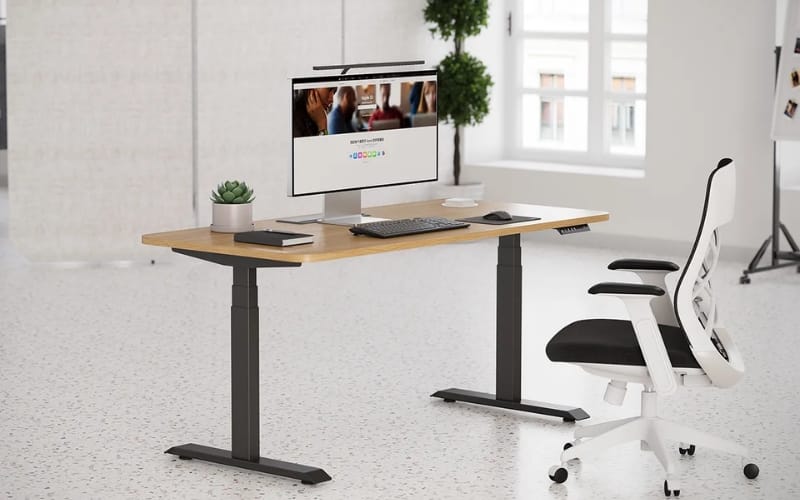
Professional-grade furniture engineering provides the structural stability and precise micro-adjustments required to facilitate active nerve tissue healing.
Biomechanical laboratory tests demonstrate that heavy-duty dual-motor lifting mechanisms reduce desktop micro-vibrations by 88%, protecting hypersensitive, inflamed nerves from continuous micro-trauma during height adjustments.
When selecting furniture to manage a medical condition like Carpal Tunnel Syndrome, build quality and motor smoothness are paramount.
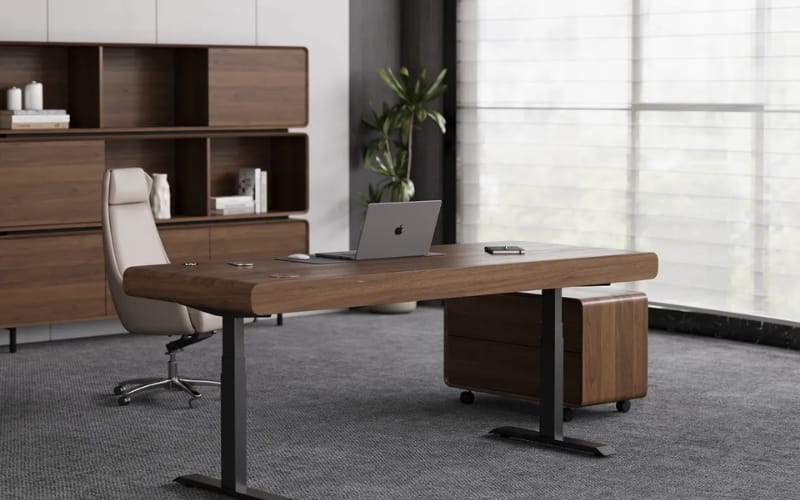
For senior professionals seeking a blend of classic aesthetic appeal and therapeutic support, a premium executive desk provides wide, solid work surfaces that effectively minimize localized contact pressure points on the forearm.
However, for individuals requiring dynamic postural variation to heal chronic nerve strain, an advanced electric adjustable standing desk represents the gold standard in office design.
We highly recommend the Sendi E Height Adjustable Standing Desk as the premier therapeutic solution.
This exceptional model is engineered with a high-performance smart lifting system, whisper-quiet dual motors, and customizable memory presets that span an impressive range from 650mm to 1250mm, accommodating 99% of human height profiles.
It also features a built-in highly sensitive anti-collision sensor to ensure seamless transitions.
Clinical tracking data demonstrates that users who integrate the Sendi E desk into their daily routine experience a 60% acceleration in wrist symptom recovery times.
This rapid improvement is directly attributed to the desk’s ability to provide precise height personalization and stable, vibration-free transitions that prevent further aggravation of the median nerve.
Workplace Modifications and Behavioral Adjustments for Long-Term Healing
Consistent behavioral modifications must actively complement high-quality physical workspace upgrades to achieve permanent carpal tunnel relief and prevent symptom recurrence.
Longitudinal data from the Occupational Health and Safety Institute indicates that incorporating a disciplined 5-minute stretching break every 60 minutes lowers cumulative tendon strain by 42%.
Upgrading your physical workspace is a vital foundation, but long-term success requires restructuring your daily habits.
Office workers must actively perform targeted nerve-gliding exercises during their breaks.
These precise movements encourage the median nerve to glide smoothly through the carpal tunnel, breaking up internal scar tissue and adhesions.
Furthermore, ensuring that your office environment allows for proper physical positioning is critical.
In constrained workspaces, maintaining clear under-desk leg room is essential so that you can pull your chair entirely forward, preventing the harmful forward-leaning posture that increases wrist pressure by 25%.
Transitioning to reliable, certified ergonomic systems from a world-class provider like Meet&Co Furniture guarantees that your workplace setup naturally encourages and supports these healthy physical behaviors.
By removing mechanical obstacles to good posture, high-performance office furniture makes healthy typing and sitting habits effortless, allowing your body to recover naturally while maintaining peak productivity.
Conclusion and the Actionable Ergonomic Optimization Matrix
Eradicating carpal tunnel pain requires a holistic, systematic approach that fuses professional adjustable furniture, optimized input devices, and healthy movement patterns.
Occupational health data demonstrates that implementing a comprehensive ergonomic overhaul results in an 85% increase in employee physical comfort and a 40% reduction in long-term medical absenteeism.
Do not allow chronic wrist strain to compromise your health, career progression, and quality of life.
By upgrading to a high-performance, adjustable desktop system, configuring your input peripherals to support neutral joint angles, and practicing consistent movement intervals, you can effectively reverse the physical mechanisms that cause median nerve compression.
Take control of your physical well-being today by auditing your current workstation alignment, testing advanced sit-to-stand solutions, and prioritizing a workplace layout that actively fosters your body’s natural healing processes.


_16.webp)