








 Meet&Co
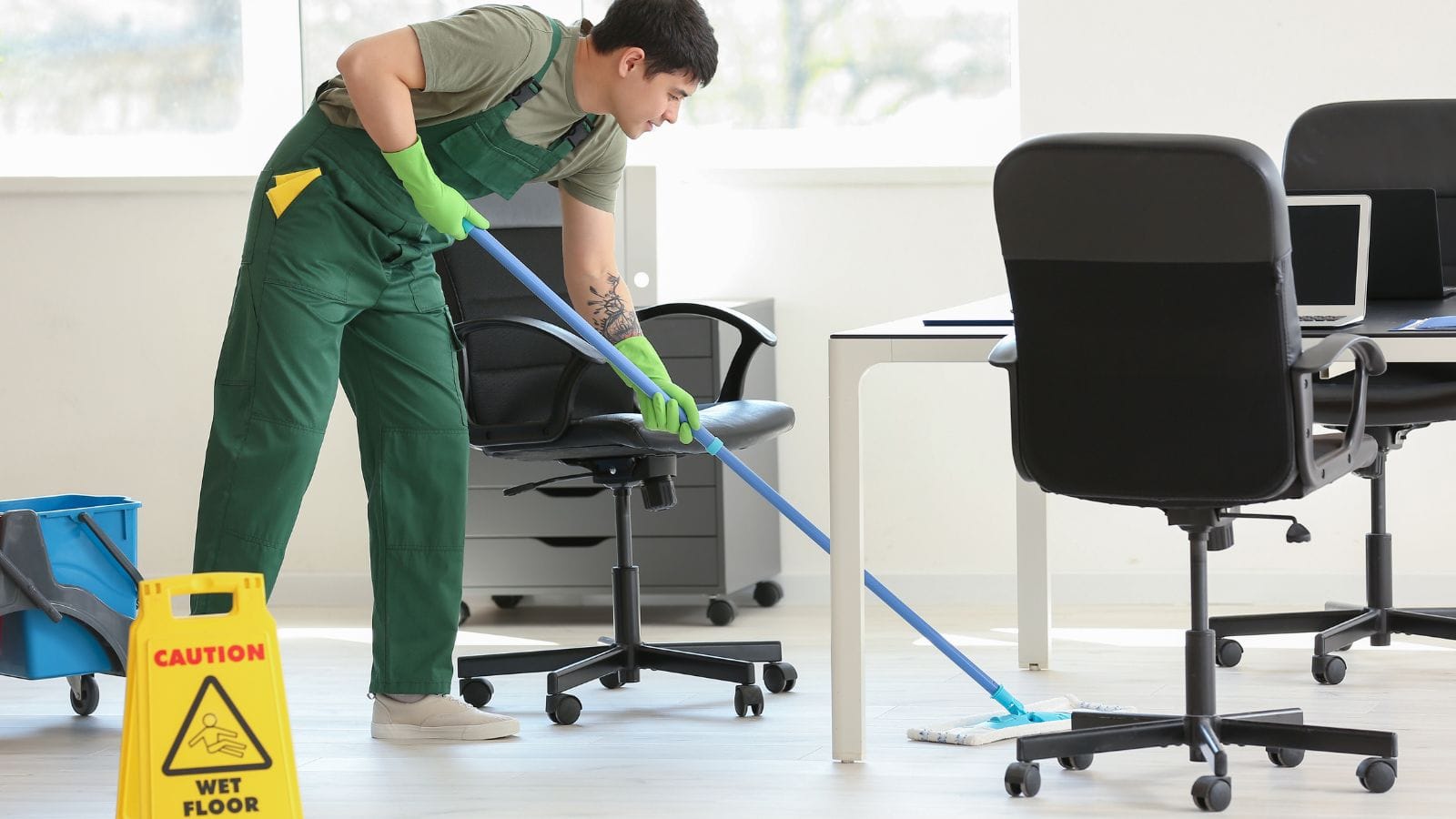
You slide back from your desk, but the chair catches and stutters. You lean forward, and it releases with an uneven lurch. Annoying, right? You can vacuum the floor, wipe down the armrests, and tidy the desk, but until you clear the gunk from your chair’s wheels, it will never feel as smooth as it should.
Over time, loose hair, carpet fibers, and fine dust work their way into the tiny gaps around the caster axles. Each rotation tightens the strands like thread on a spool, turning a once-gliding chair into a dragging, squeaky mess. In environments with pets, long hair, or high foot traffic, this process accelerates, making regular maintenance essential.
The good news? You don’t need special tools or mechanical skills. A pair of scissors, some tweezers, and about fifteen minutes are all it takes to restore that factory glide.
Why Casters Get Clogged (And Why It Matters)
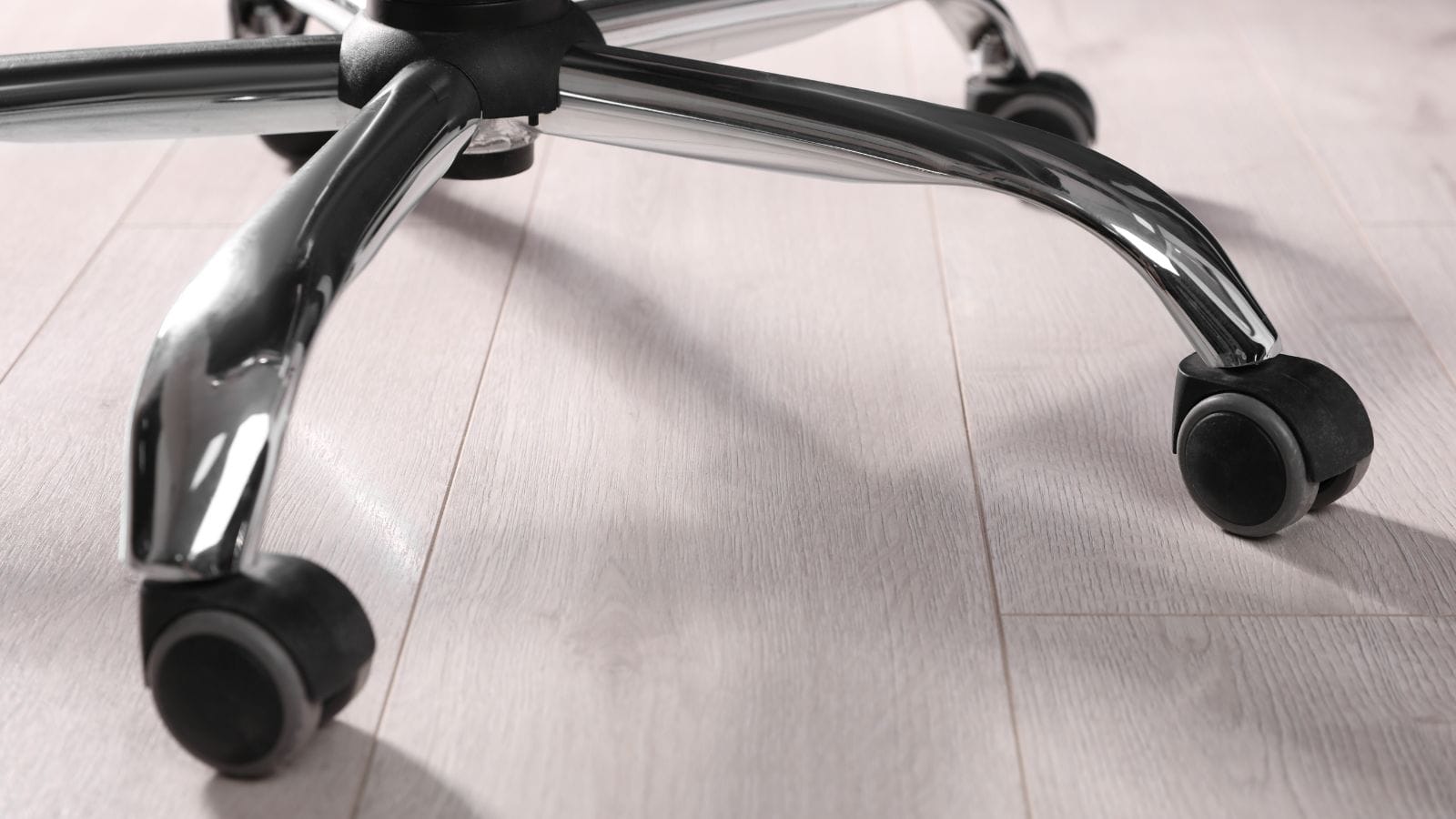
Casters are small, but they work hard. They support your weight, pivot in every direction, and roll over carpets, rugs, and hard floors. This constant movement brings them into contact with loose hair, dust, and fibers.
Hair becomes trapped primarily because of the narrow gap between the wheel and its axle housing. As the wheel rotates, friction pulls strands deeper into the mechanism. Plastic or rubber wheels can also generate static electricity, which naturally attracts dust and hair.
Left unaddressed, that tangled mass becomes dense and hard, causing the wheels to drag, roll unevenly, and potentially damage the caster’s internal bearings. Beyond the annoyance, clogged casters put extra strain on your flooring and can wear out the wheel mechanism entirely.
Regular cleaning—just once every few months—is a small investment that keeps your chair rolling smoothly, protects your floors, and extends the life of your office equipment.
Also see: How to Fix a Sinking Office Chair (DIY Repair Guide)
Tools You’ll Likely Already Have
You don’t need a special cleaning kit. Most of what you need is probably sitting in a drawer already.
| Tool | Purpose |
|---|---|
| Scissors or small utility knife | Cutting through thick clumps of hair wrapped around the axle |
| Tweezers or needle-nose pliers | Grasping and pulling out tangled strands from tight crevices |
| Flathead screwdriver | Prying off stubborn snap-on casters and dislodging deeply embedded debris |
| Old toothbrush or small scrub brush | Scrubbing away dust, dirt, and remaining grime after hair is removed |
| Microfiber cloth or paper towels | Wiping down wheels and removing moisture before lubrication |
| Vacuum with brush attachment | Suctioning loose dust and hair from wheel crevices before deep cleaning |
| Compressed air (optional) | Blasting fine dust out of hard-to-reach areas |
| Silicone-based lubricant or WD-40 | Restoring smooth movement and preventing future friction |
Step 1: Flip and Remove the Casters
Start by flipping your office chair upside down or laying it on its side on a soft surface (a towel or mat protects both the chair and your floor). You’ll now have clear access to all five casters.
Most office chair casters are snap-on, meaning they are held in place by friction alone. To remove them:
-
Grasp the caster firmly and pull straight out from the chair base.
-
If a caster is stuck, use a flathead screwdriver to gently pry between the caster stem and the socket. Apply even pressure—avoid twisting, which can damage the socket.
-
Some casters are threaded and require unscrewing counterclockwise. Check the connection type before forcing anything.
Once removed, you can clean each caster more thoroughly than you ever could while attached. This is also a good opportunity to inspect the wheel sockets in the chair base for accumulated debris—clean them out while you have access.
Step 2: Cut and Pull Out the Hair
Now for the main event. With the casters off, you can see exactly where the hair has wrapped.
-
Start by cutting through the thickest hair clumps using scissors or a small utility knife. Work carefully, angling the blade away from the wheel surface to avoid scratching the material.
-
After cutting, use tweezers or needle-nose pliers to grab and pull the loose strands away from the axle. Rotate the wheel as you pull; this helps unravel strands that are wound tightly around the mechanism.
-
For hair that is deeply embedded or wound into very tight spaces, a seam ripper or safety pin can be effective for slicing through dense clumps without much effort.
-
Alternate between cutting and pulling until the majority of the hair and fiber is gone. Removing the bulk will significantly improve the caster’s performance, even if you don’t get every last strand.
Meet&Co‘s Pro tip: If you have a crochet hook, it works surprisingly well for reaching into those tight spaces that scissors and tweezers can’t access.
Step 3: Scrub Away Dust and Fine Particles
Once the hair is gone, you’ll likely see a layer of dust and grime still clinging to the wheels and axles.
-
Dip an old toothbrush or small scrub brush into warm soapy water. Scrub thoroughly around the wheel treads, the axle, and the inside of the caster housing.
-
For stubborn dirt, let the casters soak in warm soapy water for 15–20 minutes before scrubbing.
-
Use a vacuum with a brush attachment or a blast of compressed air to remove finer dust particles stuck in crevices.
-
For a final polish, wrap duct tape sticky-side-out around your finger and press it against the wheel and axle to lift any remaining lint or fine dust.
Rinse the casters with clean water (if you used soap) and dry them completely with a microfiber cloth or paper towel. Do not skip the drying step—moisture left on metal components can lead to rust, while plastic wheels may develop mold or mildew in damp environments.
Step 4: Lubricate for Smooth Rolling
A clean caster is good. A clean, lubricated caster is great. Lubrication reduces friction, eliminates squeaking, and prevents future hair and dust from adhering as easily.
-
Apply a small amount of silicone-based lubricant or WD-40 to the caster axle and bearings. These lubricants are specifically designed to reduce friction without attracting dust.
-
Avoid oil-based lubricants (like standard machine oil), as they leave a greasy residue that actually attracts more dirt and hair.
-
Rotate the wheels several times to work the lubricant into the bearings.
-
Wipe away any excess lubricant with a clean cloth to prevent drips or staining on your floor.
A light application is all you need. Over-lubricating can create a sticky mess that defeats the purpose.
Step 5: Reattach and Test
Once the casters are clean, dry, and lubricated, it’s time to put them back on.
-
Align each caster with its socket and push firmly until you hear or feel it snap into place. For threaded casters, screw them back in clockwise.
-
Turn the chair upright and roll it around on your floor surface. Test forward, backward, and side-to-side. The movement should feel smooth, quiet, and effortless.
If a caster still feels sluggish, it may be damaged or worn. In that case, consider replacing it—replacement casters are inexpensive and widely available online or at office supply stores.
Prevention: How to Keep Casters Clean Longer
The best cleaning is the cleaning you never have to do. A few small habits can dramatically reduce how often hair and dust clog your wheels.
| Prevention Strategy | How It Helps |
|---|---|
| Use a chair mat | A smooth plastic or rubber mat keeps wheels from rolling directly over carpets and rugs, where hair tends to gather |
| Vacuum regularly | Reducing loose hair on the floor decreases the amount available to be pulled into the casters |
| Tie back long hair | If you or others in your workspace have long hair, keeping it tied reduces strands shed onto the floor |
| Monthly visual check | Roll the chair and listen for dragging or squeaking; catch buildup early before it becomes a dense tangle |
| Switch to hair-resistant casters | Anti-hair-wrap casters use sealed housings that prevent hair from entering the axle. Rollerblade-style polyurethane wheels feature a closed design that doesn’t easily trap hair |
For pet owners or those working from home, regular vacuuming is especially important—pet hair tangles even faster than human hair and can quickly seize up caster movement.
Quick Reference: How Often to Clean
| Environment | Recommended Cleaning Frequency |
|---|---|
| Home office, no pets | Every 4–6 months |
| Home office with pets | Every 2–3 months |
| Shared office / high traffic | Every 2 months |
| Carpeted floors | More frequently than hard floors (carpet sheds more fibers) |
If you notice your chair dragging, squeaking, or rolling unevenly before the recommended interval, clean it immediately. Those symptoms are your casters asking for attention.
Frequently Asked Questions
1. Can I remove hair from casters without taking them off the chair?
Yes, but it is much harder to do thoroughly. With the chair upside down, you can cut and pull some hair, but you won’t have the same access to the axle and inner mechanism. For a proper cleaning that restores smooth movement, removing the casters is strongly recommended.
2. What’s the best tool for cutting hair wrapped around the axle?
Scissors are the most common and accessible option. However, a seam ripper is often more effective for dense tangles because it can slide under strands and slice through them without catching on the wheel material.
3. Can I soak my casters in water?
Yes, if they are removable. Use warm, soapy water and soak for 15–20 minutes to loosen stubborn dirt. Dry them completely before reattaching. Do not soak casters that are still attached to the chair—water can seep into the chair base and cause rust.
4. How do I know if my casters need lubrication?
Spin each caster with your finger. If it feels rough, catches, or makes a squeaking sound, it needs lubrication. If it spins freely and quietly, it’s fine. Lubricate every 6–12 months as routine maintenance.
5. Are hair-resistant casters worth buying?
Yes, especially if you have pets or long hair in your workspace. Anti-hair-wrap casters feature sealed axle housings that physically prevent hair from entering the mechanism. Rollerblade-style polyurethane casters are also a popular upgrade—they roll more smoothly, protect hardwood floors, and trap far less hair than standard hard plastic casters.
6. Why does my chair still drag after cleaning?
If the chair drags after cleaning and lubricating, one of the casters may be damaged. Inspect each wheel for cracks, flat spots, or uneven wear. Also check the caster sockets in the chair base for debris—something may be stuck inside the socket itself, preventing the caster from rotating freely. If a caster is damaged, replace it.
Conclusion
A sticky, squeaky office chair is not a sign that you need a new chair—it is a sign that your casters need a few minutes of attention. Hair, dust, and fibers build up naturally over time, but the fix is simple and requires no special skills or expensive tools.
Once every few months, flip your chair over, pop off the casters, cut away the tangled hair, scrub off the dust, and give the axles a light spray of lubricant. That fifteen-minute routine will keep your chair rolling smoothly for years, protect your floors from unnecessary wear, and save you the frustration of a chair that just won’t glide.
Looking for replacement casters or a new ergonomic chair? Browse our selection of office seating or contact us for expert advice.


_3.webp)
