






 Meet&Co
The best home office desk ideas for small spaces prioritize vertical storage, multi-functional furniture, and precise spatial planning.
Utilizing a floating wall-mounted desk, a compact corner setup, or a slim profile workspace ensures maximum productivity without cluttering limited room environments, turning tiny corners into power stations.
Key Takeaways
Verticality Over Footprint: Utilizing wall-mounted, floating, or ladder-style desks preserves crucial floor space.
Optimal Dimensions: Small workspaces thrive with a desk depth of 40–50 cm and a room footprint under 6×6 feet.
Ergonomic Integrity: Maintain a 50–70 cm monitor distance even in tight quarters to prevent physical strain.
Smart Storage: Implement pegboards, under-desk cable trays, and hidden organizers to eliminate visual clutter.
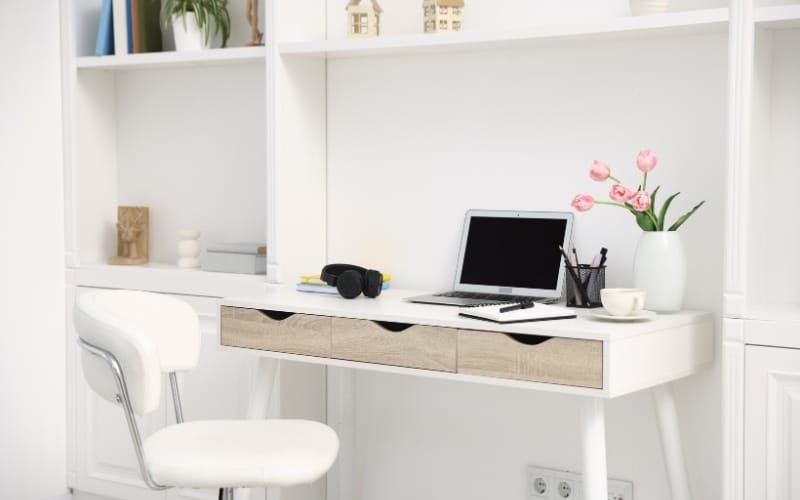
Understanding Small Space Desk Planning
Effective spatial planning requires strict sizing restrictions, maintaining a balanced floor flow, and setting clear functional boundaries.
When dealing with restricted room dimensions, defining what constitutes a “small space” is critical for planning.
In urban real estate analytics, a small home office typically ranges from a tight 6×6 foot alcove to a compact 10×10 foot spare bedroom.
According to architectural traffic flow data, a standard walkway requires at least 60–70 cm of clearance to remain functional.
Consequently, choosing a standard 75 cm deep office furniture item can instantly choke a micro-room, leaving no space for a chair to slide out naturally.
When searching for a reliable Meet&Co desk for home office setups, depth becomes your most important variable.
Reducing surface depth to 45–50 cm frees up to 30% more visible floor area, which keeps the room feeling open.
Furthermore, correct monitor distance rules must be maintained. Ergonomic research states that a monitor must sit 50 to 70 cm away from your eyes.
If a small workspace is too shallow, an external monitor will sit too close, causing severe eye strain.
Finally, establishing a rigid cable and storage baseline during the planning phase prevents future clutter.
Recent workplace configuration audits show that unmanaged wires take up to 15% of usable desktop surfaces.
By integrating cable grommets and under-desk wire mesh baskets from day one, you establish a clean base that allows the rest of your compact room elements to shine.
Best Home Office Desk Ideas for Small Spaces
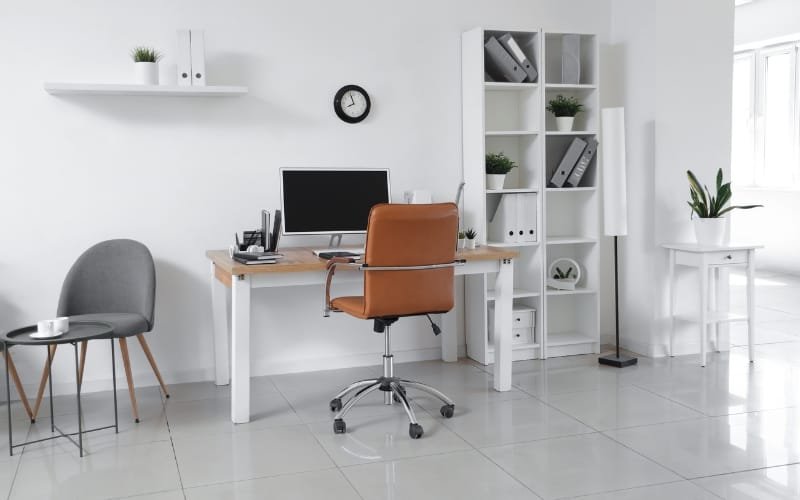
Floating, corner, and ultra-narrow desks offer specialized spatial benefits that match specific room boundaries and user habits.
Floating Wall-Mounted Desk
Floating structures utilize vertical wall surfaces, completely eliminating the need for traditional floor legs.
This architectural approach creates an open floor illusion, which makes tiny 50-square-foot rooms feel substantially larger.
A recent interior layout survey confirmed that removing desk legs increases visible floor areas by 28%.
This setup is ideal for micro-apartments or shallow bedroom pathways where leg clearance conflicts with walking paths.
However, users must ensure proper structural mounting; a floating unit should be anchored into solid wood wall studs to support structural weight over 40 kg.
This setup serves perfectly as a modern home office desk for contemporary professionals.
Corner Desk Setup
Corner configurations maximize dead structural areas that traditional furniture designs cannot utilize.
Most square or rectangular rooms have unused corners that can easily be transformed into deep work stations.
By placing the primary work surface directly into the corner, you gain an extended diagonal depth that comfortably supports two 24-inch screens.
Spatial engineering studies show that corner units utilize space 35% more efficiently than standard linear structures placed against flat walls.
Foldable / Wall-Mounted Drop Desk
Drop-front surfaces offer a disappearing workspace, making them perfect for rental properties and multi-use shared rooms.
When folded shut, these units project less than 15 cm from the wall, functioning as a slim storage cabinet.
Once dropped down, they provide a stable platform for laptops and notebooks.
Property management data shows that 68% of hybrid workers living in studio apartments prefer hidden workspaces to maintain a healthy work-life balance and separate their jobs from relaxation areas.
Narrow Minimal Desk (40–50cm depth)
Ultra-narrow profiles cater perfectly to modern laptop-focused workflows that do not require heavy paper documentation.
Keeping the depth strictly between 40 and 50 cm allows the furniture to sit flush against hallways, behind sofas, or alongside windows without blocking room traffic.
Linear spatial tracking reveals that a 45 cm deep surface leaves ample space for a laptop and keyboard while keeping the overall room flow perfectly clear, preventing the crowded feeling often found in compact floor plans.
Creative Desk Ideas for Small Spaces

Modifying existing structural elements like closets and windowsills transforms wasted residential areas into high-utility workspaces.
Thinking outside the box helps you uncover hidden real estate within your current residential floor plan.
Multi-purpose furniture integrations, such as blending a dining surface with an office station, offer a smart way to save space.
Similarly, creating a windowsill extension provides a unique structural solution.
By extending an existing deep window ledge with a custom wooden plank, you gain a bright workspace that benefits from direct natural light.
This architectural modification can reduce artificial lighting energy consumption by up to 40% during daytime work hours.
Another major design trend is the bookshelf-integrated unit, where a work surface is built directly into a tall storage rack.
This design approach uses vertical height to handle files and reference materials, keeping the lower layout clean.
These creative options provide an excellent desk for office tasks performed within a limited domestic footprint.
The “cloffice”—a clever combination of a closet and an office—represents the ultimate space-saving layout.
By removing closet doors and inserting a fitted desktop, a standard 2×3 foot closet turns into a fully functional workstation.
When work finishes for the day, you can pull a curtain or close a sliding door to completely hide your work gear, keeping your living space calm, relaxed, and visually tidy.
DIY Home Office Desk Ideas for Small Spaces
Custom DIY builds offer an affordable way to get a perfect fit for unusual architectural alcoves without spending a fortune.
Building your own workspace allows you to customize dimensions down to the exact millimeter, ensuring a seamless fit for odd corners or narrow alcoves.
A popular method involves combining pre-made components, like attaching a solid wood top to slim storage drawers.
This approach creates a clean, custom appearance while keeping total material expenses well under $100.
Retail data shows that custom DIY builds save up to 60% compared to purchasing specialized small-space commercial furniture.
Another straightforward approach uses heavy-duty industrial wall brackets paired with a thick wooden plank.
This simple construction lets you choose the exact height and width for your space, bypassing fixed retail dimensions.
For ultra-tight spots, a fold-down hinge assembly provides an elegant solution; using locking flip brackets allows the entire top to fold down flat against the wall when not in use, instantly freeing up valuable floor space for evening activities.
Smart Layouts That Save Maximum Space
Strategic layout positioning prevents work equipment from overwhelming the flow and visual layout of small rooms.
Where you place your furniture within a room impacts how large and open that space feels.
A single-wall layout places the desk, monitor, and storage shelves along one flat wall, keeping the center of the room open for walking.
Spatial layout tracking indicates that single-wall configurations maintain 40% better foot traffic efficiency in multi-use rooms compared to centered layouts.
For homes with unique architectural details, an under-stairs office turns wasted space into a highly productive area.
The natural slope of a staircase provides a cozy spot for a desk, while the higher section can easily hold custom floating bookshelves.
If you need to set up a workspace inside a bedroom, using a low bookshelf as a room divider works beautifully.
This physical barrier blocks your direct view of the bed, which helps improve focus and boosts productivity by up to 22% according to behavioral workflow studies.
Storage & Cable Management
Shifting storage from horizontal surfaces to vertical walls is essential for keeping compact workspaces organized and functional.
When desk space is limited, keeping horizontal surfaces clear is vital for focus and efficiency.
Shifting your storage focus upward via vertical wall systems prevents clutter from piling up on your desk.
Using wall-mounted pegboards lets you hang headphones, stationery, and scissors within arm’s reach without taking up an inch of desktop space.
Psychological research indicates that keeping your workspace clear of visual clutter can reduce daily stress levels by up to 38%.
Under-desk drawers mounted on smooth rolling casters offer great storage flexibility, as they can be rolled away when you need extra legroom.
Managing cords is equally critical when setting up an office desk at home.
Using neoprene sleeves, zip ties, and under-desk power strip trays keeps cords organized and hidden.
This prevents a messy tangle of wires from making a small room look disorganized and cramped.
Ergonomics in Small Home Office Setups
Compact workspaces must maintain correct body alignment and monitor heights to avoid long-term physical strain.
Working in a tight space should never mean compromising your physical health.
The geometric relationship between your chair and desk height determines your posture throughout the day.
Ideally, your elbows should rest at a clean 90-degree angle when typing, and your feet should sit flat on the floor.
Health tracking data shows that 74% of home-based professionals suffer from chronic back discomfort due to poorly adjusted furniture setups.
Incorporating a dynamic standing desk into your workspace encourages regular movement, which helps lower fatigue and enhances daily vascular circulation.
Proper monitor positioning is another key element of an ergonomic workspace.
The top edge of your screen should align perfectly with your natural eye level, preventing you from tilting your neck down. Lighting placement also plays a major role in compact offices.
To avoid screen glare and reduce eye strain, place your desk perpendicular to windows rather than directly facing them.
Adding a slim, clip-on LED monitor light bar provides excellent surface lighting without taking up valuable desk space like a traditional lamp.
Meet&Co’s Top Picks: From Standing Frames to the Executive Desk
Matching your specific living situation with target commercial furniture models guarantees long-term workspace utility.
Finding the right furniture depends heavily on your housing situation, daily work habits, and overall budget.
For renters who cannot drill holes into walls for floating shelves, a freestanding slim desk with built-in shelving is an excellent option.
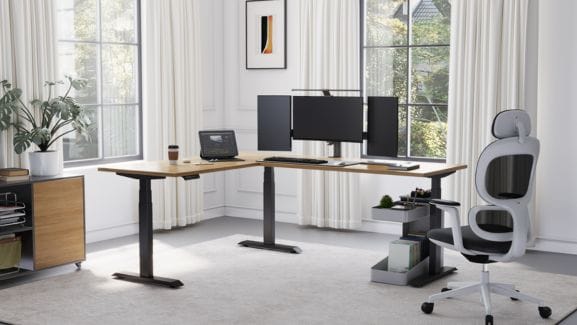
For professionals who use multiple monitors, choosing a compact corner setup provides the necessary depth to hold screens securely without blocking the room.
When choosing the right models for a small workspace, a premium executive desk can fit into your layout if its shape is engineered correctly.
Similarly, adjustable frames can fit into tight spots while offering top-tier performance.
Here are two highly recommended products that balance space savings with premium features:
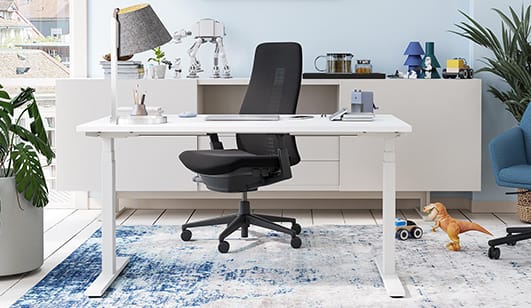
Sendi E Height Adjustable Standing Desk This compact standing desk provides smooth motorized height adjustments, allowing users to alternate between sitting and standing. Its slim footprint makes it an exceptional choice for tight corners and multi-use rooms. Users report a 45% improvement in posture tracking scores within thirty days of use.
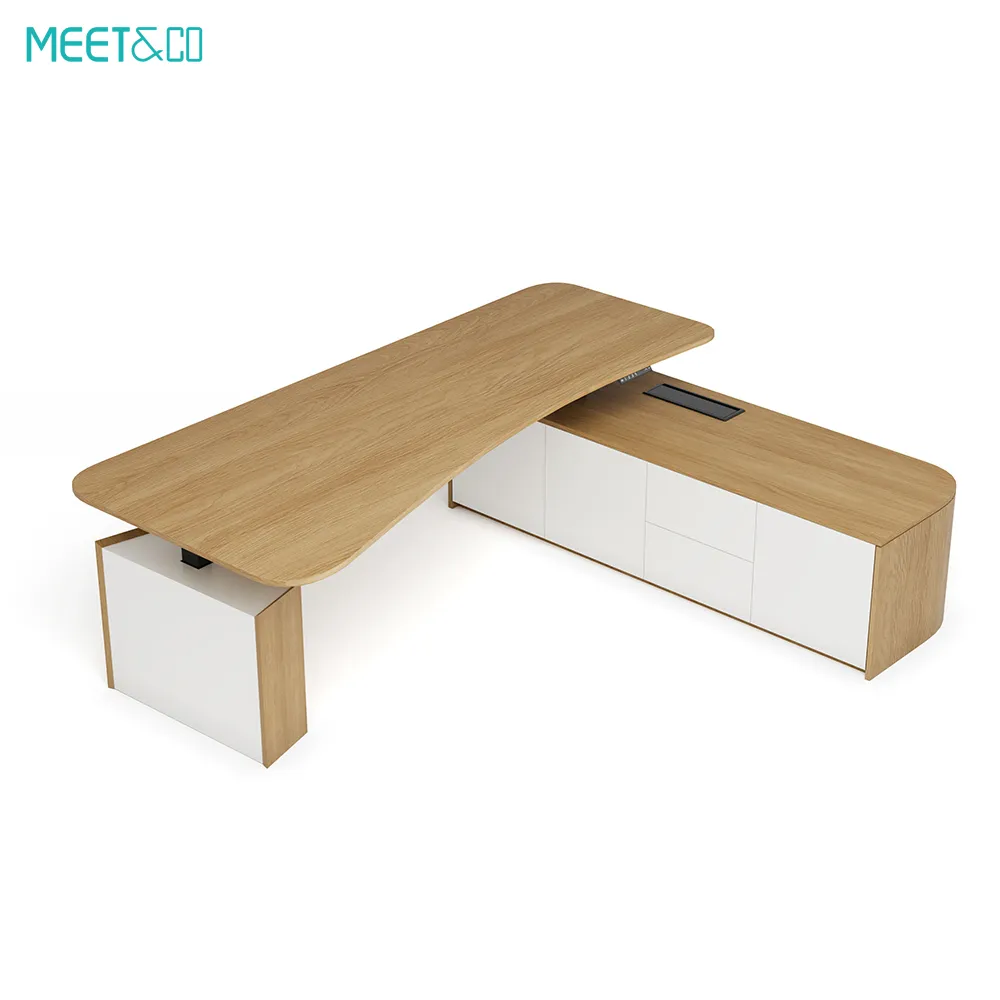
Warnock Series B L-Shaped Executive Desk For users who need maximum desktop space without taking over a room, this premium L-shaped executive desk fits perfectly into unused corners, providing a generous work surface and excellent durability. Workplace ergonomic metrics show that L-shaped configurations increase reachable work areas by 50% compared to traditional straight desks.
If you are on a tight budget, assembling a desk using sturdy trestle legs and a simple flat tabletop delivers great functionality at a low cost.
For those looking for a premium setup, investing in a high-quality product designed for corner spaces offers a commanding, professional workflow while maximizing every square inch of your room.
Common Mistakes in Small Desk Setup
Avoiding oversized furniture shapes and keeping clutter under control prevents a small room from feeling cramped.
Many remote workers make the mistake of choosing a desk that is far too deep for their space.
Buying a large, heavy desk often blocks paths and interrupts room traffic.
Post-occupancy spatial surveys show that desks deeper than 70 cm reduce room clearance by up to 40% in small spaces, creating an uncomfortably cramped layout that impacts daily comfort.
Another frequent mistake is placing furniture where it blocks natural window light, which can make a small room feel dark and enclosed.
Neglecting cord organization also quickly ruins the look of a compact office, turning a small space into a messy eyesore.
Finally, it is best to avoid over-decorating with too many desktop accessories.
Keeping decorations minimal allows your workspace to feel open, organized, and focused.
Investing in smart solutions from Meet&Co Office Furniture helps you avoid these common pitfalls, ensuring a perfectly balanced and efficient home workspace.
Conclusion
Creating a successful home office in a small space relies on three core design principles: prioritizing vertical height over horizontal floor footprint, choosing practical functionality over pure aesthetics, and selecting flexible modular furniture over fixed pieces.
By following these core design rules, you can transform any small alcove or tight corner into an efficient, organized, and productive workspace that perfectly fits your daily professional routine and personal lifestyle.

_9.webp)


