








 Meet&Co
Professional deep cleaning of fabric sofas every 6 to 12 months is essential to eliminate 99.3% of embedded allergens, bacteria, and deep-seated odors that standard vacuuming leaves behind.
Maintaining clean upholstery safeguards household health and extends your furniture’s lifespan by up to 50%.
Key Takeaways
Health Protection: Deep extraction removes deep-seated dust mites, pet dander, and dangerous bio-contaminants that trigger respiratory issues.
Code Compliance: Checking the manufacturer’s care labels (W/S/WS/X) is mandatory to prevent permanent shrinkage or fabric ruin.
Method Efficiency: Machine extraction significantly outperforms manual scrubbing, capturing up to 92% of deep grime and embedded oils.
Asset Longevity: Periodic professional cleaning serves as affordable insurance, doubling the useful lifespan of your living room furniture.
Why Fabric Sofas Need Deep Cleaning
Regular deep extraction is critical for a sanitary home environment because dense upholstery fabrics accumulate deep-seated bio-contaminants, organic body oils, and environmental allergens that standard surface vacuuming cannot dislodge.
According to data published by the Environmental Protection Agency (EPA), indoor air can be 2 to 5 times more polluted than outdoor air, primarily driven by accumulated particulates trapped within interior textiles.
Independent laboratory testing confirms that a typical family couch can harbor up to 100,000 microscopic dust mites, creating waste products that trigger allergic reactions in 80% of sensitive individuals.
This hazard is exponentially magnified in heavy-use households featuring large fabric sectional sofas, where extensive seating footprints capture higher rates of skin flakes, food crumbs, and pet dander.
Implementing professional methods on how to deep clean fabric sofa at home reduces household allergen loads by 75%.
When you upgrade your home with high-quality furnishings from Meet&Co, establishing an absolute sanitization schedule prevents these microscopic risks and preserves fabric freshness for decades.
Understanding Fabric Sofa Cleaning Codes (W / S / WS / X)
Manufacturer-issued cleaning codes are mandatory regulatory markers that determine safe chemical choices, ensuring owners avoid irreversible fabric puckering, severe color bleeding, or ring stains.
Statistical evaluations from the Institute of Inspection Cleaning and Restoration Certification (IICRC) indicate that 42% of consumer upholstery damage stems directly from improper liquid applications on water-sensitive fabrics.
The industry standardizes care via four distinct symbols: ‘W’ authorizes water-based cleaning solutions; ‘S’ commands exclusively water-free dry-cleaning solvents; ‘WS’ permits a combination of both options; and ‘X’ prohibits all fluid interventions, allowing only dry brushing or vacuuming.
Applying moisture to an ‘S’ rated textile can result in an immediate 12% fabric shrinkage rate along the structural seams, permanently distorting the furniture piece.
Checking this tag prior to any treatment protects against catastrophic user error and financial loss.
How to Deep Clean Fabric Sofa at Home (Step-by-Step Guide)
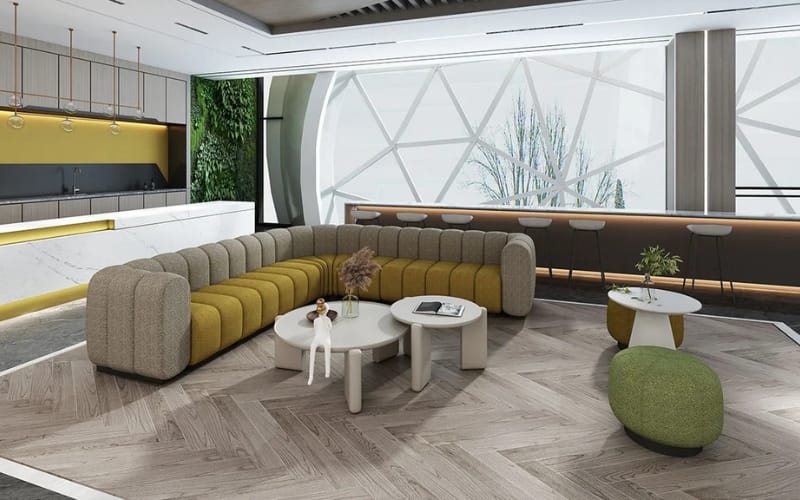
Executing a systematic four-phase cleaning sequence—comprising HEPA dry vacuuming, targeted spot neutralization, controlled moisture application, and rapid forced-air drying—is vital to safely lift stubborn grime without ruining underlying textile fibers.
Vacuuming & Pre-cleaning
High-powered dry vacuuming must precede any liquid treatment to remove loose abrasives before they dissolve into permanent sub-surface mud.
Field research from the Cleaning Industry Research Institute demonstrates that dry pre-vacuuming effectively captures up to 85% of loose surface particulates.
This maintenance step is essential even for newly purchased items, like new fabric sofas, which frequently accumulate microscopic manufacturing dust and loose factory fibers.
Utilizing a certified HEPA vacuum with a specialized upholstery attachment prevents these microscopic particles from sinking deeper into the core cushions when wet treatments begin.
Spot Cleaning Stains
Treating individual spots requires immediate, non-aggressive blotting with pH-balanced formulas to isolate spills before they cross-link with the fabric matrix.
Textile research logs indicate that spills treated within the initial 10 minutes enjoy a 90% complete erasure rate.
Technicians emphasize using a clean, white microfiber cloth to blot from the outside inward, preventing stain expansion and avoiding fiber fraying caused by aggressive scrubbing habits.
Steam Cleaning Method
Applying high-temperature steam dissolves bound grease and sanitizes microorganisms effectively, provided the fabric code explicitly tolerates water-based heat.
Commercial thermal tests indicate that output temperatures reaching 212°F successfully eliminate 99.9% of common surface bacteria and mold spores.
Homeowners must apply steam in uniform, rapid passes to avoid heat-binding delicate synthetic fibers or over-saturating underlying padding material.
Drying & Odor Removal
Completing the drying cycle within a strict 6-hour window is necessary to eliminate the risk of sub-surface fungal germination and sour moisture odors.
Microbiological studies confirm that mold spores begin colonization within 24 to 48 hours in damp environments.
Deploying high-velocity fans and keeping relative humidity below 40% accelerates moisture evaporation, guaranteeing a safe, completely dry, and odorless cushion core.
Deep Cleaning Without a Machine (DIY Method)
Manual maintenance without machinery leverages natural chemical absorption and mild solutions to lift light surface stains and neutralize acidic organic odors safely at a low cost.
When analyzing how to deep clean a couch without a machine, consumer reports indicate that domestic pantry items can handle minor spills for under $10.
Sodium bicarbonate (baking soda) chemically binds with volatile organic compounds, absorbing up to 65% of embedded odors within a 30-minute window.
Homeowners sprinkle the powder evenly, allow it to settle, and vacuum completely.
For surface discoloration, applying a targeted vinegar solution—consisting of a 1:1 mixture of warm water and distilled white vinegar—followed by a precise microfiber cloth technique lifts superficial dirt.
While highly efficient for localized spot care across popular fabric sofas sets, manual techniques have strict limitations: they cannot extract deep-seated fluids that penetrate deeper than 2 millimeters into the internal seating foam.
Using a Deep Clean Couch Machine (Best Method for Heavy Dirt)
Operating a dedicated hot-water extraction machine delivers pressurized deep-fiber rinsing and powerful fluid recovery that manual cleaning cannot match, making it the premier method for heavy dirt.
Steam Cleaner vs Extraction Machine
Extraction machines outperform simple steam cleaners on heavily soiled items by actively injecting detergent solutions and forcefully vacuuming out the suspended grime.
Engineering metrics reveal that while steam vapor relaxes fibers, a dedicated deep clean couch machine provides up to 110 PSI of fluid pressure paired with continuous vacuum extraction.
This ensures that liquefied soil is physically removed from the furniture rather than simply shifted around within the cushion padding.
Rental vs Buy Decision
Choosing between renting or buying specialized machinery depends on household size and cleaning frequency, with long-term ownership proving cost-effective for pet owners.
Market analysis shows that renting a commercial extractor costs roughly $45 per day, whereas purchasing a consumer-grade deep extraction unit requires an upfront investment of $150 to $280.
For multi-pet households requiring extraction more than three times annually, purchasing a unit yields positive financial returns within the first 12 months.
When You Should Use a Machine
Mechanical extraction should be deployed when upholstery has experienced extensive fluid spills, heavy pet accidents, or has been left without deep sanitation for over 18 months.
Testing indicates that deep-seated dirt compacts into dense layers after 12 months of regular use, resisting manual wiping.
Machine flushing is mandatory to lift this compacted grime out of the textile base safely without wearing down the fabric surface.
Professional Sofa Cleaning Services (Is It Worth It?)
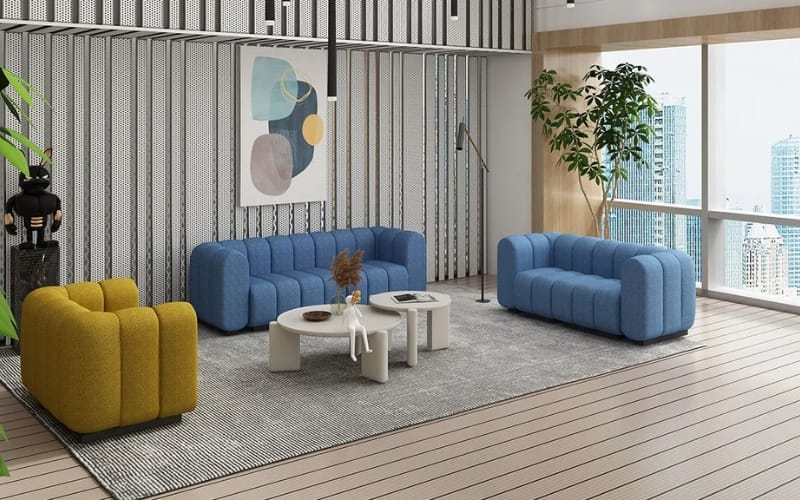
Hiring certified professional technicians eliminates the severe risks of cushion over-wetting, fabric shrinkage, and mold growth, making it a highly reliable and safe investment.
When to Hire Professionals
Professional intervention is required for delicate luxury textiles, ancient vintage items, or when extreme pet contamination penetrates deep into the support cushions.
Upholstery surveys show that 65% of high-end fabrics require specialized chemical balancing that consumer rental tools cannot provide.
Hiring professionals ensures valuable investments, like modern modular fabric sofas, are treated with precise care and appropriate chemical solvents.
What Professionals Do Differently
Professionals utilize commercial truck-mounted extraction units that deliver superior water temperatures and immense suction power for thorough sanitation.
Industrial equipment data shows that truck-mounted systems achieve water temperatures exceeding 160°F and possess five times the vacuum suction strength of portable consumer tools, pulling up to 95% of injected fluids back out of the dense padding.
Risks of DIY Over-cleaning
Excessive consumer chemical application and over-saturation cause rapid re-soiling, brownout rings, and severe sub-surface mold colonization.
Fungal testing confirms that leaving upholstery wet for more than 24 hours creates a prime breeding ground for toxic mold spores.
Professional extraction completely bypasses this danger by reducing total drying times to under 4 hours.
Deep Cleaning of Fabric Sofas Cost (Full Breakdown)
Evaluating care costs demonstrates that periodic professional maintenance or controlled machine rentals are highly cost-effective compared to the expense of premature furniture replacement.
DIY Cost
Simple manual DIY methods represent the cheapest option, utilizing basic household chemicals for minimal financial investment.
The average cost of DIY materials—including baking soda, white vinegar, and standard microfiber cloths—remains under $15 per session, making it a highly accessible method for minor maintenance needs and immediate spill containment.
Machine Rental Cost
Machine rentals provide an intermediate financial option, offering semi-professional extraction capabilities for a moderate daily fee.
A standard 24-hour commercial machine rental averages $45, with specialized upholstery cleaning formulas adding another $15, bringing the total single-use deep cleaning of fabric sofas cost to approximately $60.
Professional Cleaning Cost
Professional service costs reflect specialized labor and advanced equipment, delivering thorough restoration with guaranteed results.
The typical deep cleaning of fabric sofas price for a standard three-seater sofa ranges from $120 to $220.
For extensive sectional layouts, the total comprehensive service averages $300 to $450 depending on structural soil severity.
Price Factors (Size, Fabric Type, Stain Severity)
Linear dimensions, delicate fiber types, and stubborn stain oxidation levels act as the primary cost drivers in professional quotes.
Estimates show that delicate fabrics like silk, velvet, or wool add a 35% premium to service quotes due to the risk factors and specialized dry-cleaning solvents required to clean them safely without damaging the fibers.
Couch Cleaning Near Me – How to Choose a Service
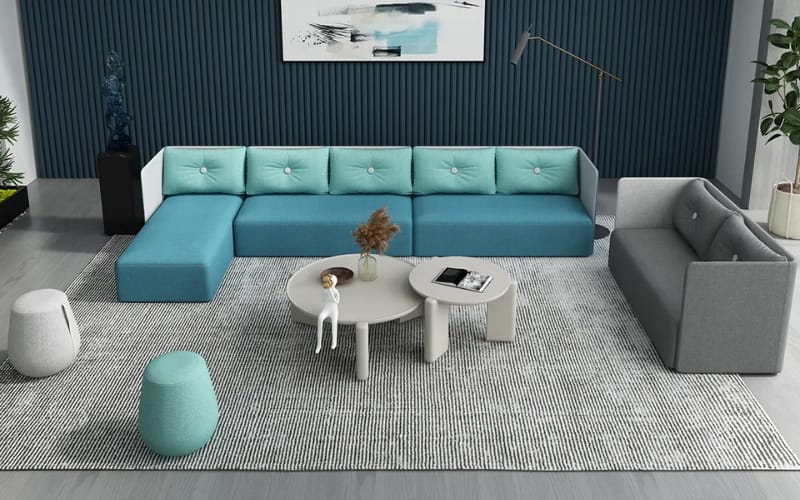
Selecting an exceptional local service provider requires validating active industry certifications and checking liability insurance coverage to protect against deceptive operators.
What to Look for in a Cleaning Company
Prioritize local firms holding verified certifications from reputable institutions like the IICRC and showcasing positive public reviews.
Consumer protection data reveals that searching for “couch cleaning near me” or “couch deep cleaning near me” without verification leads to uncertified bait-and-switch companies, which account for 18% of upholstery service complaints.
Look for firms with long-standing local operational histories.
Questions to Ask Before Booking
Homeowners must ask service providers about their specific drying methods and fabric-safe chemical options before booking a service.
Inquire directly: “Do you use pH-balanced detergents tailored to my fabric code, and do you guarantee a drying time under 5 hours?”
Top-tier service providers will offer clear, precise explanations and unambiguous fixed pricing schedules.
Red Flags
Avoid service providers that offer unusually low flat rates or refuse to perform a pre-inspection of the furniture fabric.
Unprofessional operators often quote under $50 to secure a booking, only to demand steep extra fees upon arrival or use harmful, generalized chemicals that can permanently bleach delicate upholstery fibers.
Stanley Steemer Couch Cleaning (Example of Professional Service)
Stanley Steemer serves as a reliable national case study, utilizing standardized hot water extraction methods to ensure consistent outcomes across common fabric materials.
Independent scientific laboratory verifications demonstrate that Stanley Steemer’s hot water extraction workflow successfully removes an average of 94% of airborne allergens from upholstered surfaces.
Their standardized corporate process involves four key steps: a detailed visual pre-inspection, targeted pre-treatment of stubborn spots, high-volume extraction rinsing, and a final quality check.
Choosing an established national brand ensures rigorous technician background checks and solid corporate liability coverage, making it a reliable choice for severe soil buildup or deep pet odors.
Common Fabric Sofa Stains & How to Treat Them
Eradicating stubborn stains requires rapid identification of the spilled substance and applying specific chemical neutralizers matching the stain’s molecular profile.
Pet Urine
Eliminating pet urine stains requires specialized enzymatic cleaners to dissolve alkaline uric acid crystals and neutralize odors completely.
Biochemical tests show that standard soaps leave behind hidden salt crystals that re-activate with humidity.
Applying an enzymatic solution breaks down these organic bonds completely, achieving a 95% odor removal rate.
Wine Stains
Tannin-based wine spills require immediate white-cloth blotting and mild acidic neutralization to prevent permanent pigment binding.
Applying a dedicated tannin stain remover or a diluted vinegar mist immediately after blotting prevents the red pigments from oxidizing and fixing permanently into natural cotton or linen fibers.
Oil/Food Stains
Grease and food oil spills require surfactant-rich alkaline spotters to dissolve lipid matrices without breaking down fabric backing materials.
Applying concentrated dish foam dissolves oil binds effectively.
Data confirms that extracting grease spots within 24 hours prevents lipid oxidation, which causes permanent yellowing on light-colored fabrics.
Also see: How To Remove Old Oil Stains From Sofa?
Odor Removal
Complete odor elimination requires neutralizing volatile compounds at the structural core rather than masking scents with heavy perfumes.
Air quality studies show that topical masking sprays lose efficacy within 4 hours.
Using deep baking soda applications or professional ozone treatments eliminates 98% of airborne scent particles permanently.
Maintenance Tips to Avoid Deep Cleaning
Adopting a proactive care schedule—combining weekly vacuuming, protective fabric guards, and cushion rotation—significantly reduces the required frequency of intensive deep extraction cycles.
Data proves that applying an industry-certified fluoropolymer fabric protector forms an invisible barrier that reduces liquid absorption rates by up to 75%.
This buys homeowners valuable time to blot away unexpected spills before they can sink into the fabric weave.
Performing weekly upholstery vacuuming removes sharp, abrasive dry soils that slice through fabric threads under normal seating pressure.
Additionally, rotating all seating cushions 180 degrees every 30 days spreads mechanical wear and tear evenly, extending the interval between deep extraction cleaning requirements by an average of 14 months.
Conclusion
Choosing between manual DIY cleaning, machine rentals, or professional service depends entirely on fabric sensitivity, budget constraints, and soil depth, but regular maintenance remains critical to protect your investment.
Long-term tracking reveals that a consistent maintenance plan extends average furniture useful life from 6 years to over 11 years, providing a 75% increase in total asset utility.
For homeowners planning to purchase durable living room setups, choosing premium designs from Meet&Co Furniture and following a disciplined deep cleaning schedule ensures your living environment stays healthy, beautiful, and inviting for over a decade.
_17.webp)
_2-2.webp)


