





 Meet&Co
Chair exercises for women offer a versatile, effective, and accessible way to maintain fitness, whether you are at home, in the office, or traveling.
Modern lifestyles often demand long hours of sitting, which can lead to muscle stiffness and reduced circulation. By incorporating high-quality ergonomic seating, such as those provided by Meet&Co, you can perform these movements safely while protecting your spine and improving your overall daily productivity.
This comprehensive guide breaks down the best seated exercises for every fitness level, helping you achieve your body goals right from your desk. From core stability to full-body toning, staying active has never been more accessible or efficient for the modern woman.
Key Takeaways
Scientifically Proven: Reduces the risk of “sitting disease” and metabolic slowdown by up to 15%.
Total Accessibility: Suitable for all fitness levels, from beginners to seniors.
Time Efficient: Effective full-body engagement possible in just 10–15 minutes daily.
Posture Correction: Specifically targets core and spinal muscles to reverse “desk slouch.”
Joint-Friendly: Minimizes impact on knees and hips compared to traditional aerobics.
What are the Benefits of Chair Exercises for Women
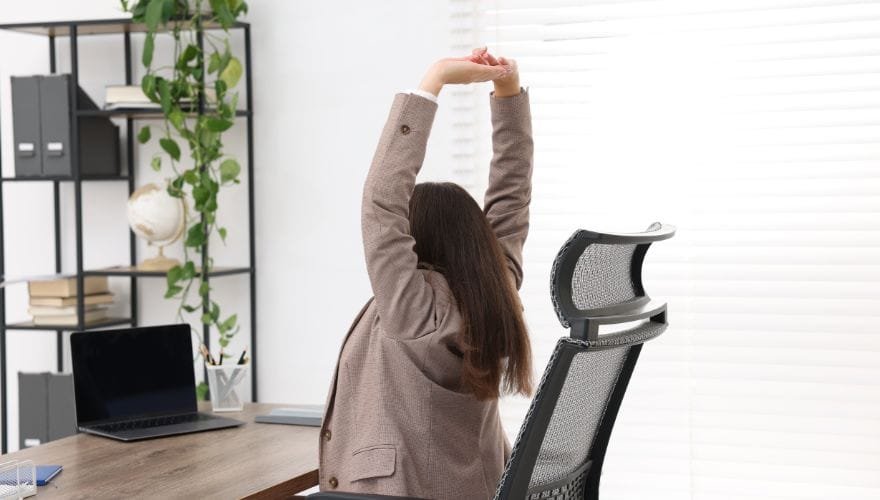
The modern lifestyle often keeps us glued to our seats for eight to ten hours a day. This sedentary behavior can lead to “sitting disease,” characterized by poor posture, metabolic slowdown, and muscle atrophy. Engaging in low impact workouts while seated can mitigate these risks significantly.
1. Improved Posture and Core Strength
Many women suffer from back pain due to slouching. Chair exercises force the engagement of the deep core muscles (the transverse abdominis) to maintain balance. Over time, this builds a natural corset, supporting the spine and helping you sit taller and more confidently.
2. Calorie Burning and Muscle Toning
While they may seem easy, these movements can keep your heart rate elevated. By performing high-repetition movements, you can burn fat and sculpt lean muscle without the joint-jarring impact of running or jumping.
3. Accessibility for All Life Stages
Whether you are recovering from an injury, managing a busy pregnancy, or looking for safe options for senior fitness, the chair acts as a reliable support system. It removes the fear of falling and allows you to focus entirely on muscle contraction.
Progressive Routine: From Beginner to Advanced
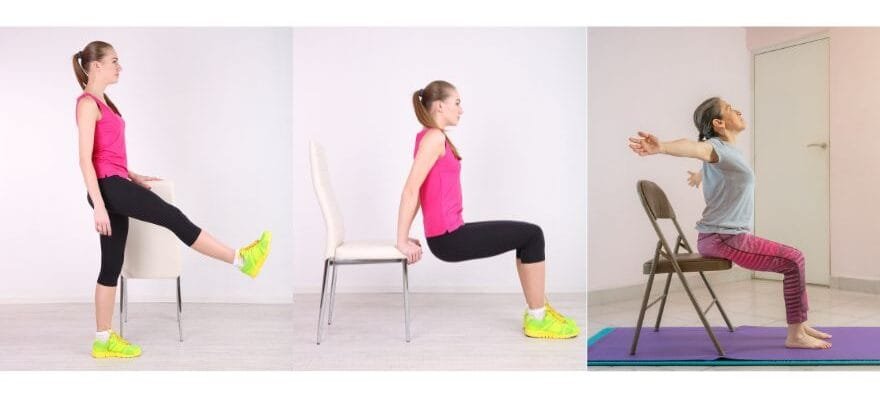
To achieve optimal results, your chair workouts for women should follow a progressive structure. This ensures that the body is constantly challenged without being overwhelmed.
1. Beginner: Foundation & Circulation
Beginners should focus on range of motion and muscle awakening. A study by the Journal of Applied Physiology suggests that light movement after meals can improve glucose metabolism by 20%.
Seated Leg Extensions: Extend one leg straight, hold, and lower. Repeat 15 times per leg.
Torso Twists: Rotate your upper body using the chair back for leverage to improve spinal mobility.
Ankle Circles: Rotate ankles to prevent swelling and improve circulation.
2. Intermediate: Shaping and Core Stability
Once the foundation is set, move toward toning exercises for women. Adding resistance or increasing tempo can boost calorie burn. Data shows that active sitting—engaging muscles to stay upright—increases core engagement by 10-15%.
Sit-to-Stands: The ultimate functional move. Slowly stand up and sit back down without using your hands.
Seated Knee-to-Chest: Lift your knees toward your chest while leaning back slightly to engage the lower abdominals.
Chair Push-Ups: Use the armrests or the seat (if stable) to perform incline push-ups.
If you’re interested in using a standing desk, check this guide: 2026 Guide: 8 Best Height Adjustable Desks For Work & Play
3. Advanced: Power and Muscle Endurance
Advanced users can incorporate small weights or resistance bands. According to Harvard Health, resistance training can increase muscle mass in women by 1-2% per month, even when performed while seated.
Chair Bridges: Lie on your back with feet on the seat, lifting your hips.
Single-Leg Squats: A high-intensity move that targets the glutes and improves balance.
Seated Mountain Climbers: Hold the chair and pull your knees in quickly to elevate your heart rate.
Targeted Solutions: Sculpting Your Body Seated
A full body chair workout doesn’t just improve health; it changes your physique. By focusing on specific muscle groups, you can address common “problem areas” for women.
1. Core & Abs
Core strength is the foundation of feminine health, particularly for spinal support. Research from the American Council on Exercise (ACE) notes that core-focused exercises can reduce instances of lower back pain in 72% of adult women.
Action: Try “Seated Side Crunches” to target the obliques. Reach your elbow toward the opposite knee while exhaling sharply.
2. Legs & Glutes
The gluteal muscles often “turn off” during long sitting sessions. Re-activating them through chair-based lunges or pulses can improve metabolic rate, as larger muscle groups burn more calories at rest.
3. Upper Body & Arms
To prevent “tech neck” and slumped shoulders, focus on the upper back. Scapular retractions (squeezing shoulder blades together) can improve the appearance of your silhouette and increase lung capacity by opening the chest.
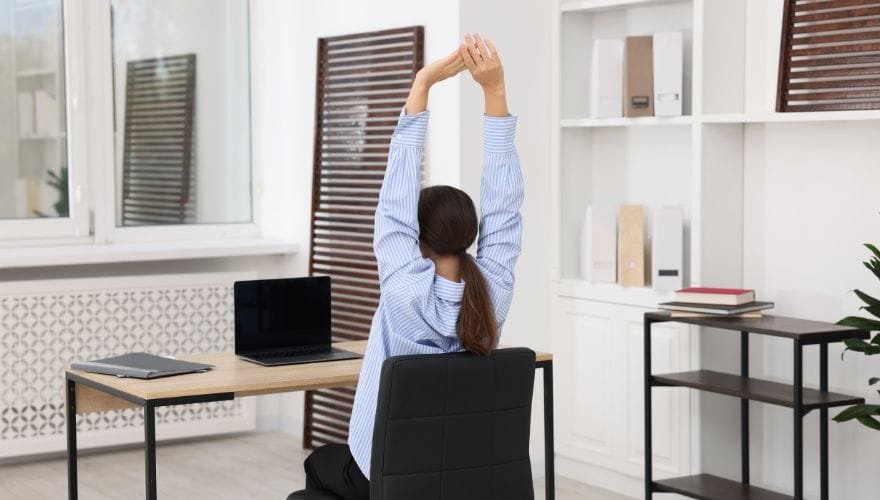
Workplace Wellness: The 5-Minute Office Break
Implementing office chair exercises is a strategic move for professional productivity. A study by Leeds Metropolitan University found that employees who exercised during their workday reported a 12.5% increase in performance and better time management.
Try these desk stretches between meetings:
The Shoulder Opener: Interlace your hands behind your back and lift your chest.
The Desk Press: Press your palms into the desk and engage your triceps for 10 seconds.
The Under-Desk Leg Lift: Hold a straight leg under your desk while typing to engage the quads.
Recommended Chairs for Chair Exercises
The safety and effectiveness of your routine depend on the chair you use. A flimsy chair can lead to injury, whereas an ergonomic chair provides the necessary resistance and stability.
1. Meet&Co Budding Ergonomic Office Chair
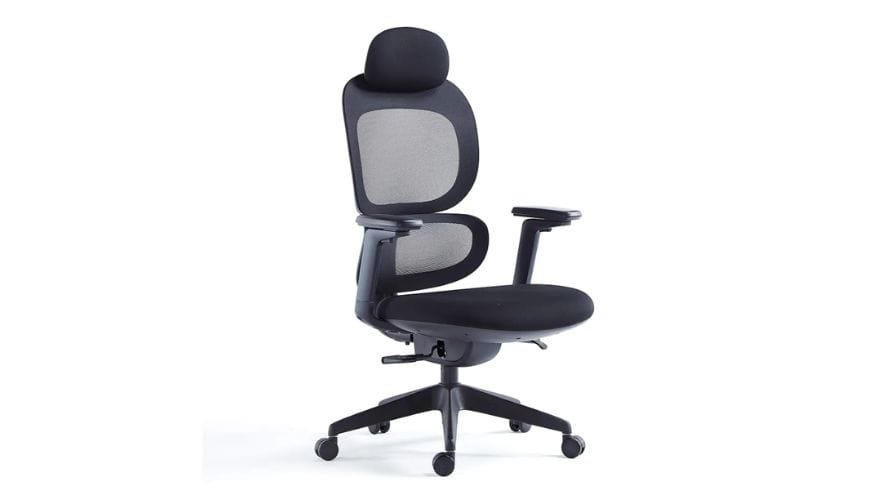
This is our top recommendation for those integrating fitness into their workday. It features a high-tenacity mesh and a robust frame that can withstand the pressure of incline push-ups and seated bridges. Its synchronized tilting mechanism also allows for a greater range of motion during stretches.
2. Steelcase Gesture
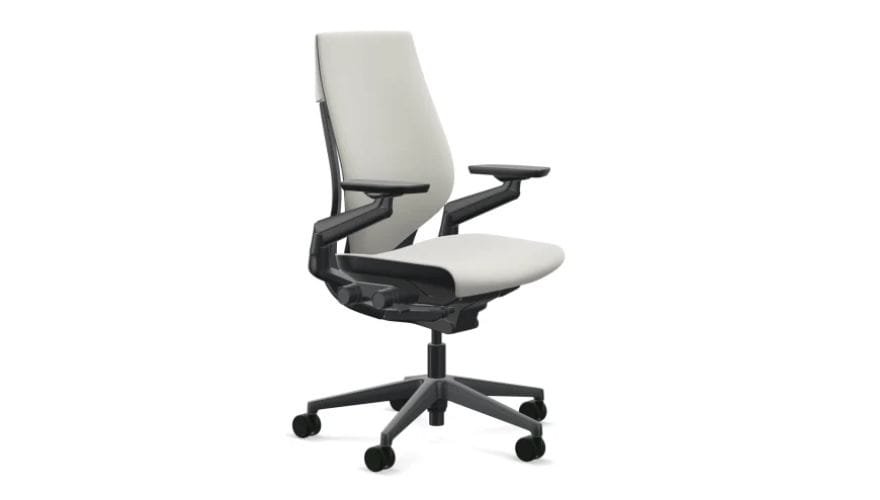
Image source: https://www.thehumansolution.com/steelcase-gesture-drafting-stool.html?srsltid=AfmBOorU2aF2a0ShV-lDPINV9P9x06pzEbj7LE6CDoG4sEJQn0mzCd6P
Known for its “360-degree” arms, this chair is excellent for upper-body exercises. The arms move like a human limb, providing support in any position, which is ideal for women who want to perform shoulder presses or arm circles with guided support.
3. Herman Miller Aeron
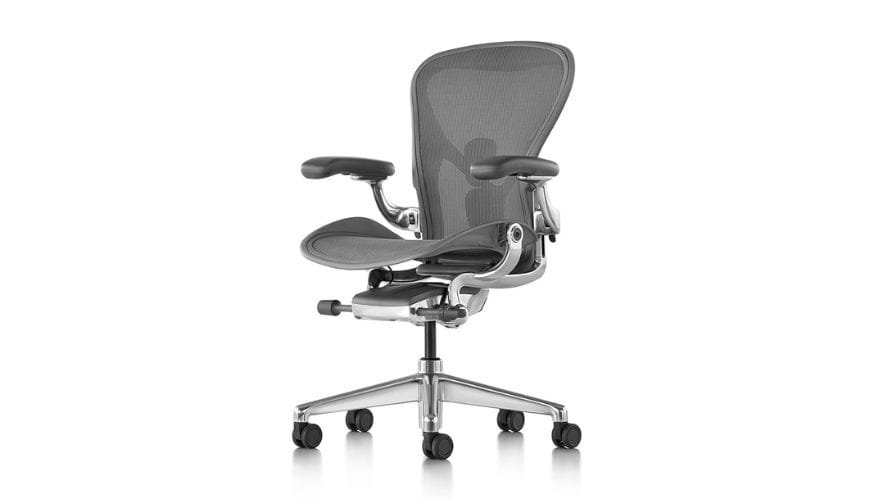
Image source: https://www.hermanmiller.com/products/seating/office-chairs/aeron-chair/
The Aeron’s Pellicle suspension material is world-class for heat dissipation. If you are doing high-intensity chair workouts that cause you to sweat, the breathable mesh ensures you stay cool and comfortable.
Planning and Consistency
To see results, you must treat mobility exercises with the same discipline as a gym visit.
Frequency: Aim for 3–5 times per week.
Duration: 15–30 minutes per session.
Progression: Increase your repetitions by 10% every two weeks.
Sample Daily & Weekly Plan
Consistency is the key to seeing results from mobility exercises. Use the following guide to structure your week.
| Day | Level | Focus | Duration |
| Monday | Beginner | Full Body Activation | 15 Mins |
| Tuesday | Intermediate | Lower Body & Glutes | 20 Mins |
| Wednesday | – | Active Recovery (Stretching) | 10 Mins |
| Thursday | Intermediate | Upper Body & Core | 20 Mins |
| Friday | Advanced | High-Intensity Intervals | 25 Mins |
| Weekend | Beginner | Yoga-inspired Flow | 15 Mins |
Safety First: Precautions for Home Fitness
When practicing home fitness for women, environment control is key. Ensure your chair is on a flat, non-slip surface. According to the Consumer Product Safety Commission, thousands of home injuries occur annually due to improper use of household furniture for exercise.
Lock the Wheels: If your chair has casters, use wheel stoppers or place it against a wall.
Listen to Joints: If you feel a “ping” or sharp pain, stop. Muscle burning is good; joint pain is a warning.
Hydrate: Even seated movement requires water to keep connective tissues supple.
Conclusion
By mastering flexibility training and strength moves in your chair, you are taking control of your biological clock. You don’t need a massive gym to achieve a toned, healthy body; you simply need a plan and a supportive seat.
For high-performance professionals, choosing quality furniture from Meet&Co Office Furniture ensures that your “office gym” is as professional as your career.