





 Meet&Co
Key Takeaways
-
Think Upward, Not Outward: Transitioning to vertical storage solutions opens up significant floor territory and reduces visual chaos.
-
Furniture Must Earn Its Keep: Incorporating multifunctional furniture ensures every single square foot delivers dual utility.
-
Conceal the Daily Chaos: Prioritizing hidden compartments keeps essential items within arm’s reach without cluttering the eyes.
-
Plan Before You Purchase: Tailoring storage units to the precise measurements of your architectural layout prevents expensive organization failures.
Why Most Small-Room Storage Solutions Fail

Living in a limited footprint often feels like an endless battle against physical items. When a space feels claustrophobic, the knee-jerk reaction is usually to run out and buy a handful of plastic bins or a generic bookcase. Yet, weeks later, the room feels tighter than it did before. Why does this happen?
1. Focusing on Floor Space Instead of Vertical Space
The biggest mistake people make is expanding horizontally. When you place wide chests, heavy baskets, or sprawling organizers along the ground, you aggressively reduce your physical movement zone. A room shrinks quickly when its floor perimeter is cut down.
2. Buying Storage Without a Plan
A common mistake highlighted on platforms like Reddit involves “blind organizing.” Homeowners often purchase trendy storage boxes before assessing what they actually need to store. Without auditing your belongings and measuring your dimensions, generic containers simply turn into more physical clutter.
3. Ignoring Accessibility and Daily Use
If a storage setup is annoying to open, close, or reach, it will fail. Placing frequently used items inside deep, tightly stacked bins means you will eventually leave those items out on the table instead of putting them away.
Our editor Sarah shared, “Open shelving is the devil for my anxiety. If everything doesn’t have a closed, dedicated home that is easy to reach, it instantly becomes visual noise.”
The 3 Rules for Maximizing Storage in Small Rooms
Before buying new furniture, it is vital to understand the foundational rules of spatial design. To successfully transform a small apartment storage layout, you must shift how you view your floor plan.
1. Use Vertical Space First
Your walls offer square footage that standard floor layouts completely ignore. By taking storage all the way up to the ceiling, you draw the eye upward, which visually stretches the height of the room while keeping your walking pathways entirely clear.
2. Choose Furniture That Does Double Duty
In a tight environment, no piece of furniture should have only one job. Every single item—whether it is a bed, a table, or a seating bench—must offer internal capacity. This allows you to host your daily essentials inside the footprints of items you already own.
3. Prioritize Hidden Storage
While open wire racks look great in industrial design photos, they expose your belongings to plain sight. Visual noise causes mental fatigue. Utilizing closed doors, deep drawers, and opaque cabinetry allows you to reduce clutter systematically.
15 Best Storage Ideas for Small Rooms
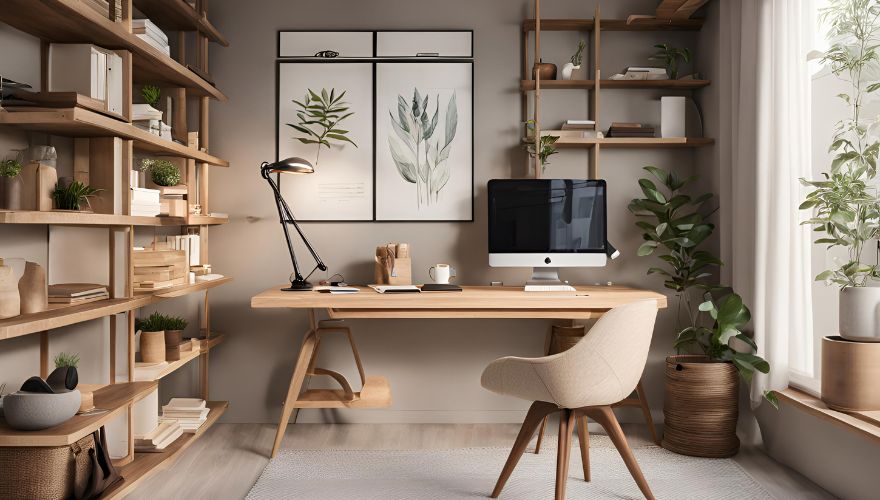
Implementing the right ideas can instantly alter the functionality of your home. Here are 15 proven methods to maximize floor space and organize your environment.
1. Install Floor-to-Ceiling Shelving
Building shelving units that extend from the floor to the roof ensures that no vertical space is wasted. Use the highest shelves for seasonal items like holiday decorations or heavy winter coats, keeping the lower shelves open for daily necessities.
2. Use Floating Shelves Above Furniture
The space directly above your couch, television, or entryway console is a goldmine. Installing floating shelves here allows you to display books and personal decor without taking up an inch of ground space.
3. Add Under-Bed Storage Containers
The void under your mattress is prime real estate. Utilizing slim, zippered fabric bags or rolling plastic bins allows you to establish an out-of-sight under bed storage system for extra sheets, shoes, and out-of-season clothing.
Also see: Best Adult Bunk Bed for Home Office in 2026
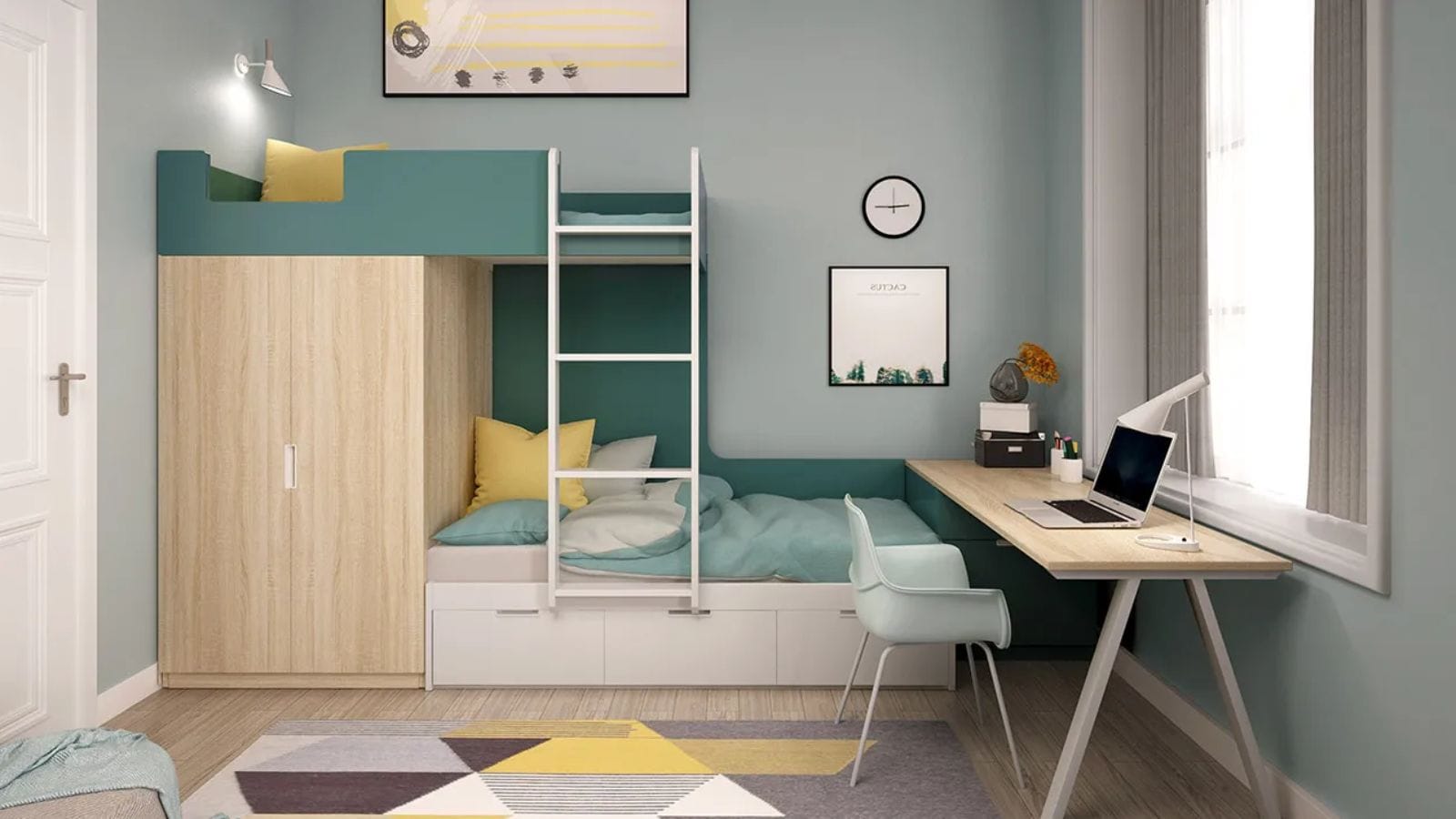
4. Choose a Storage Bed
If you want a cleaner look than exposed plastic bins, opt for a structural storage bed. These frames feature built-in deep drawers along the sides or hydraulic lift mechanisms that raise the entire mattress to reveal expansive hidden compartments.
5. Invest in a Desk With Storage
For anyone working remotely, a standard writing desk is a missed opportunity. A dedicated desk with storage provides an all-in-one hub that anchors your workflow while organizing your paperwork.
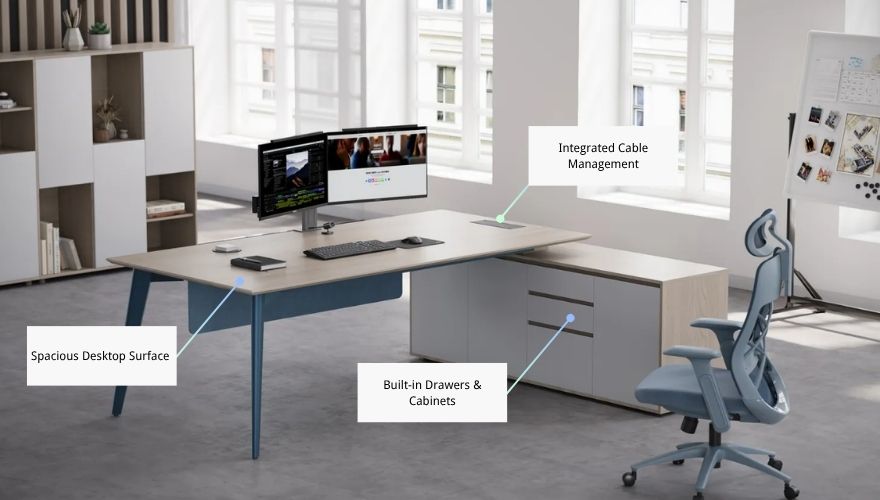
When selecting a workstation, prioritize models that integrate:
-
Deep Drawers: Perfect for keeping electronics, chargers, and notebooks off your primary work surface.
-
Enclosed Cabinets: Excellent for housing bulky items like printers, routers, or reference books.
-
File Storage: Built-in hanging file rails eliminate the need for an independent, ugly metal filing cabinet.
-
Cable Management: Built-in grommets and under-desk trays route unsightly wires safely out of view.
For a premium selection of space-saving office setups, exploring the curated collections at Meet&Co can help you discover pieces that effortlessly merge industrial durability with residential style.
6. Use a Corner Desk With Storage
Corners are notoriously underutilized in interior design. A corner desk with storage slips seamlessly into these architectural dead zones, turning an awkward nook into a high-powered, compact workstation.
7. Try a Wall-Mounted Folding Desk
If you truly lack room for a permanent office setup, a wall mounted desk is an excellent alternative. These units feature a desktop surface that folds flat against the wall when your workday ends, instantly freeing up your walking space.
8. Add a Storage Ottoman
An ottoman is a classic piece of storage furniture. It serves as a comfortable footrest, an extra seat for guests, and a hidden chest to stash throw blankets, gaming controllers, or board games.
9. Use a Storage Bench
Placing a sleek storage bench at the foot of your bed or right inside your entryway gives you a convenient place to sit while providing deep internal space to tuck away shoes, bags, or sports equipment.
10. Utilize Over-the-Door Organizers
The back of your bedroom, closet, and bathroom doors can hold substantial weight. Hanging a canvas multi-pocket organizer gives you an instant home office storage system for small accessories, cords, or toiletries.
11. Organize Closets Vertically
Maximize your closet organization by adding a secondary hanging rod below your short-hanging shirts. Combine this with stacked hanging canvas cubbies to double your wardrobe capacity without modifying the walls.
12. Add Mobile Storage Carts
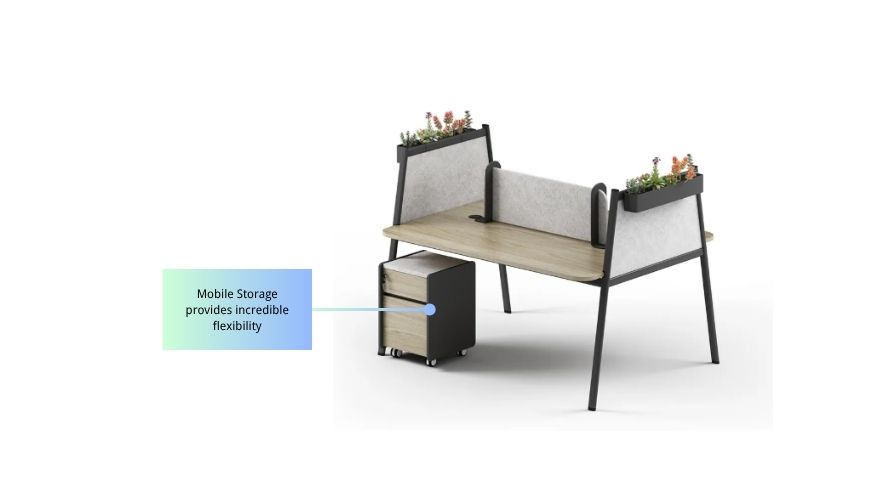
A three-tier rolling cart provides incredible flexibility. It can function as a dynamic nightstand, a portable craft station, or a small home office organization rack that can be rolled into a closet when company arrives.
13. Use Pegboards for Flexible Storage
Pegboards are no longer just for garages. Installing a modern wooden or matte-black pegboard in your workspace allows you to rearrange lightweight shelves, hanging cups, and hooks whenever your needs change.
14. Create Hidden Storage Zones
Look for unexpected architectural opportunities. The space behind a long floor-length mirror or a false panel at the base of a cabinet can serve as excellent hidden zones for valuables or documents.
15. Choose Modular Storage Furniture
Modular storage systems allow you to buy only what fits your room today, with the option to stack more units vertically or horizontally as your budget and storage needs evolve over time.
Best Storage Furniture for Different Room Types
_5.webp)
Lumodesk Oak Wood Office Storage Cabinets
Different living environments demand tailored organizational strategies. Choosing the right furniture prevents your layout from feeling disjointed.
1. Small Bedroom
In a small bedroom, the mattress dominates the footprint. Therefore, your bedroom storage ideas must focus on the bed frame and wardrobe. Combining a high-clearance bed frame with sleek closet organizers ensures your floor remains open and serene.
2. Small Home Office
When building a workspace in tight quarters, aim for a cohesive layout. Relying on a desk with storage combined with high wall shelving units allows you to run a highly productive business without cluttering your domestic environment.
3. Studio Apartment
Studio apartments require pieces that help zone the room. Utilizing a tall, open-backed bookshelf as a room divider creates a clear boundary between your sleeping area and living space while providing ample room for storage baskets.
4. Shared Room
In shared kids’ rooms or communal living spaces, mobile rolling carts and labeled vertical bins ensure that everyone has their own distinct, portable zone to manage their personal items.
Desk With Storage vs. Standard Desk: Which Saves More Space?
Many homeowners default to a simple, minimal writing desk because it looks lightweight. However, a minimalist table often creates a secondary storage crisis.
| Feature | Standard Desk | Desk With Storage |
| Storage Capacity | Low (Requires external units) | High (Everything is self-contained) |
| Clutter Control | Low (Items pile on the surface) | High (Items tuck away into drawers) |
| Extra Furniture Needed | Yes (Filing cabinets or carts) | Often No (Saves total floor area) |
While a standard table appears to occupy less visual volume, it forces you to buy separate filing drawers or desktop trays to hold your materials. A comprehensive storage desk consolidates those needs into a single footprint, ultimately saving more physical floor space.
How to Choose the Right Storage Solution for Your Room Size
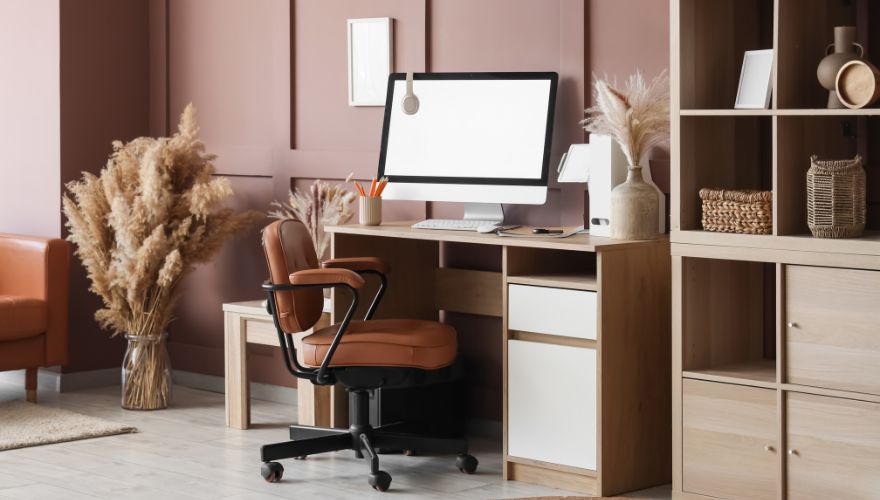
Your strategy should match your exact square footage. Here is a quick breakdown of how to approach different room sizes.
Under 80 sq ft
At this micro-scale, floor space is practically nonexistent. You must banish freestanding furniture. Rely exclusively on wall-mounted folding desks, floating shelves, and over-the-door hooks to keep the entire floor plane open.
80–120 sq ft
This is the standard size for guest bedrooms or average home offices. Introduce heavy-hitting double-duty pieces. A premium corner desk or an upholstered bench with a hollow core fits beautifully here without overwhelming the perimeter.
120–150 sq ft
While you have more room to breathe here, clutter can still accumulate fast. Use this space to install cohesive modular storage furniture networks along a single accent wall, keeping the remaining three walls clean and open.
Investing in beautifully crafted modular options from an established brand like Meet&Co Office Furniture ensures your layout stays balanced, functional, and visually stunning for years to come.
Conclusion
Maximizing a tight layout is entirely about making intelligent furniture choices and respecting spatial rules. Prioritize vertical storage solutions to draw the eyes upward, use multifunctional furniture to make every piece earn its place, and invest heavily in a dedicated desk with storage to keep your daily work environment clear. By focusing on accessibility rather than raw volume, you can easily design an organized, stress-free room that feels incredibly spacious.
-加USB_25.webp)