





 Meet&Co
You spend hours at your desk. Your back hurts. Your hips feel tight. But maybe a regular office chair is not the answer. Or you simply want to try something different.
Good news: You have options. Lots of them.
Some office chair alternatives look strange. Others feel strange at first. But many people find better comfort, better posture, and even less back pain when they switch things up.
In this guide, we will look at six real alternatives to the standard office chair. You will learn how each one works, who it helps most, and where to be careful. We will also include bean bag chairs and drafting stools – because yes, you can work from a bean bag.
Let’s sit differently.
Why Look for an Office Chair Alternative?
Standard office chairs work well for many people. But not everyone.
-
You have back pain – Some chairs force you into one position. Alternatives let you move.
-
You want better posture – Certain seats train your core muscles.
-
You have a small space – Some alternatives fold or tuck away.
-
You work from a standing desk – You need a perching option, not a full chair.
-
You simply hate your current chair – And you are ready to try something new.
Whatever your reason, the six alternatives below offer real benefits. None are perfect for everyone. But one might be perfect for you.
1. Bean Bag Chairs
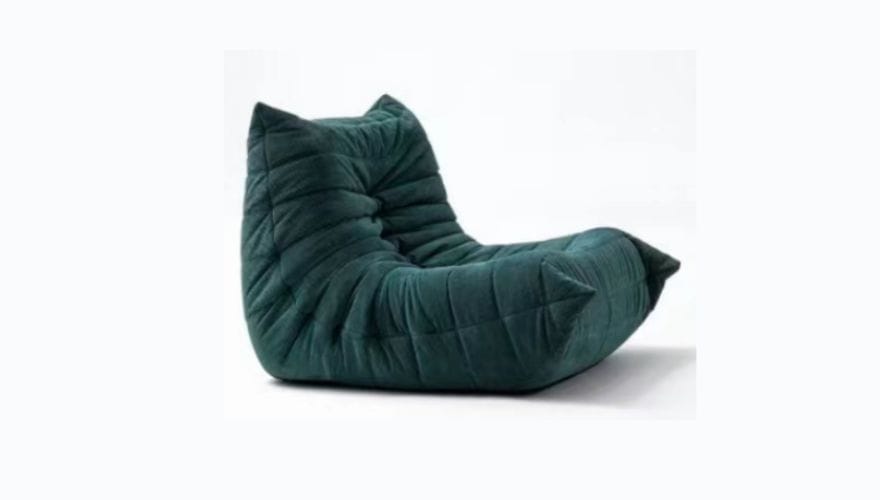
Yes, a bean bag chair. Not just for teenagers playing video games. Modern bean bags are larger, firmer, and surprisingly supportive.
How it works: You sink into the beans (usually shredded foam or EPS beads). The bag molds to your body shape. You get support everywhere – back, hips, arms.
Best for: Relaxed work like reading, sketching, or taking calls. Also great for people who like to change positions often.
Pros:
-
Molds to your body – no pressure points.
-
Very comfortable for lounging.
-
Lightweight and easy to move.
-
Fun and casual – lowers stress.
Cons:
-
Not great for typing intensely (you lean back too much).
-
Can make you feel too relaxed (nap risk).
-
Hard to get out of if you have knee or hip issues.
-
Takes up floor space.
Tip for office use: Choose a bean bag with a backrest shape (not a round blob). Look for “memory foam fill” instead of beads – it holds shape better. Use a lap desk for your laptop.
Who should try it: Writers, designers, or anyone who does not need a mouse and keyboard for hours. Also great for a secondary “thinking spot” in your home office.
2. Drafting Stools
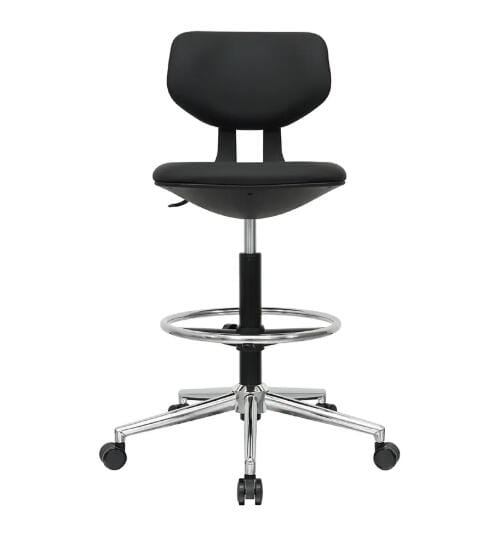
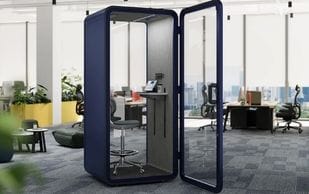
Meet&Co drafting stool
A drafting stool is a tall stool made for high desks. But you can use it with a standing desk too. It lets you perch, lean, or sit halfway between standing and sitting.
How it works: Drafting stools have a foot ring and adjustable height – usually 24 to 34 inches tall. Some have a small backrest. You sit with your feet on the ring, not the floor.
Best for: Standing desk users who want to rest without lowering the desk. Also good for artists, architects, and anyone who works at a high surface.
Pros:
-
Saves space – tucks under a tall desk.
-
Keeps you active – you shift weight often.
-
Good for back health (if you perch, not slouch).
-
Many have wheels for easy movement.
Cons:
-
No real back support (unless you buy a deluxe model).
-
Foot ring can feel restrictive.
-
Not comfortable for more than 2 hours straight.
Tip for office use: Look for a drafting stool with a curved, saddle‑style seat. That shape tilts your pelvis forward, keeping your spine natural. Also choose pneumatic height adjustment – easier than turning a knob.
Who should try it: People with standing desks. Also good for home offices smaller than 40 square feet.
Also see: Stool vs. Chair: Which One Should You Choose?
3. Kneeling Chairs
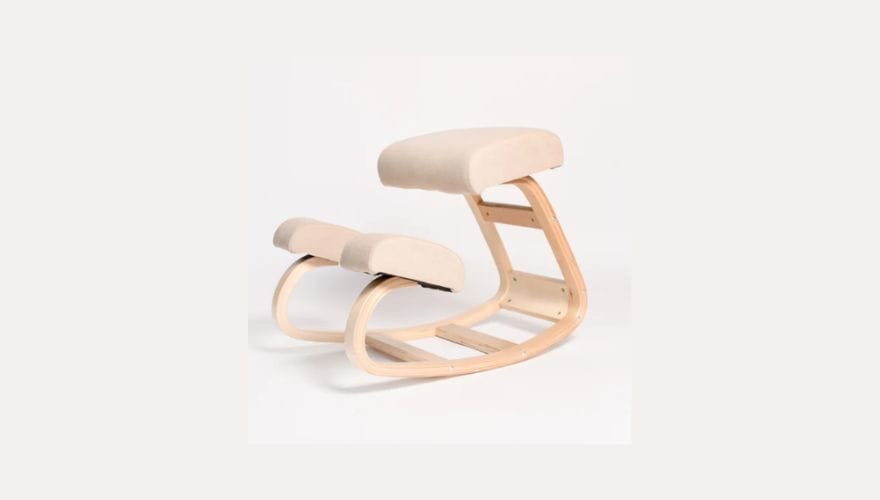
Source: https://sleekform.com/products/the-austin-ergonomic-kneeling-chair?variant=44163134718165
A kneeling chair looks odd. There is no backrest. Instead, you kneel on a padded cushion while your shins take some of your weight. Your thighs angle down, and your back stays naturally straight.
How it works: Your weight splits between your seat (under your butt) and your knee pad. This opens your hip angle to about 120 degrees – wider than a normal chair. Your spine aligns without slouching.
Best for: Lower back pain caused by slouching. Also good for people who want to strengthen their core.
Pros:
-
Forces good posture – you cannot slouch.
-
Reduces pressure on your lower back.
-
Helps with sitting for people with tailbone pain.
-
Compact size.
Cons:
-
Can hurt your shins or knees at first.
-
Hard to get in and out of.
-
Not good for people with knee problems or bad circulation.
-
You cannot lean back (obviously).
Tip for office use: Start with 15‑minute sessions. Build up slowly. Wear thick socks or add a cushion to the knee pad. Alternate with a regular chair.
Who should try it: People with mild to moderate lower back pain. Also good for anyone who catches themselves hunched over their keyboard.
4. Exercise Ball Chairs
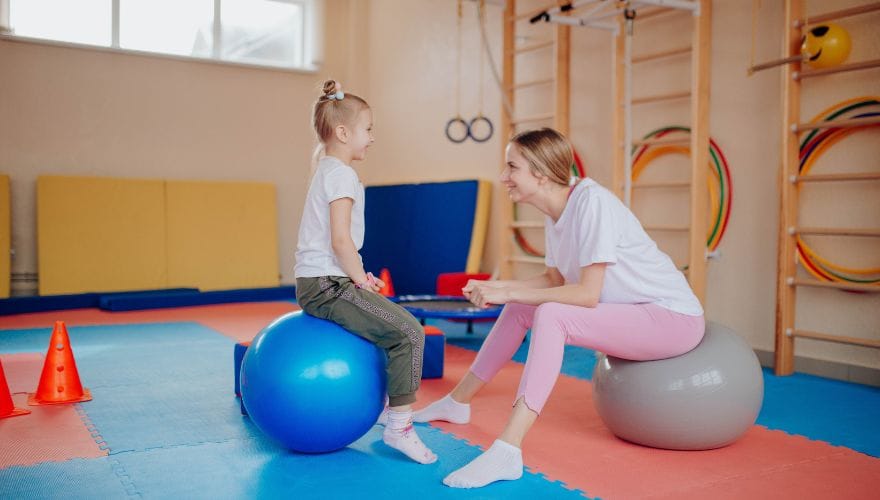
You have seen them. An inflatable stability ball on a rolling base or just the ball alone. Sitting on an exercise ball forces your core to constantly make small adjustments.
How it works: The unstable surface makes your abdominal and back muscles work to keep you upright. You bounce, wiggle, and shift naturally. That movement increases blood flow and reduces stiffness.
Best for: People who hate sitting still. Also good for strengthening your core over time.
Pros:
-
Active sitting – no more frozen posture.
-
Improves balance and core strength.
-
Cheap (often under $30 for just the ball).
-
Fun to bounce on during breaks.
Cons:
-
No back support at all.
-
Can roll away if you do not have a base.
-
Not good for tall people (your knees may be too high).
-
Risk of popping (but quality balls are tough).
Tip for office use: Buy a ball with a weighted base or a ring stand so it does not roll. Inflate it firmly – too soft and you sink. Match the ball size to your height: 65cm for 5’8” to 6’0”, 75cm for taller.
Who should try it: People without existing back problems. Also great for fidgety workers who need to move.
5. Saddle Stools
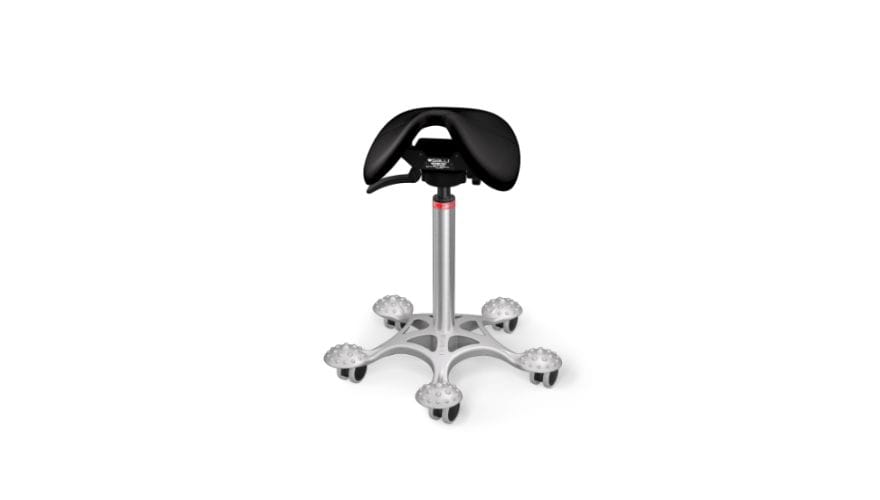
Source: https://salli.com/en/home
Saddle stools look like horse saddles on a pole. They are common in dental offices, hair salons, and labs. But they work great for desk work too.
How it works: Your legs straddle the “nose” of the saddle. Your hips tilt forward. Your spine follows a natural S‑curve. You sit higher than a normal chair, so your thighs angle down slightly.
Best for: People with lower back pain or disc issues. Also great for anyone who needs to lean forward often (drafting, drawing, surgery).
Pros:
-
Opens your hip angle – reduces pressure on lower back.
-
Keeps your spine in a neutral position.
-
Some models have a small backrest.
-
Wheels let you glide around.
Cons:
-
Takes getting used to – feels strange for the first week.
-
Can cause inner thigh discomfort if too wide.
-
No armrests (but you can add a desk‑mounted armrest).
-
More expensive than basic stools ($150–$400).
Tip for office use: Get a saddle stool with pneumatic height adjustment and a foot ring. Start with 30 minutes, then switch to a regular chair. Over time, you can sit longer.
Who should try it: People with herniated discs or sciatica. Also good for tall people who struggle with standard chair heights.
6. Floor Chairs (Cross‑Legged Chairs)
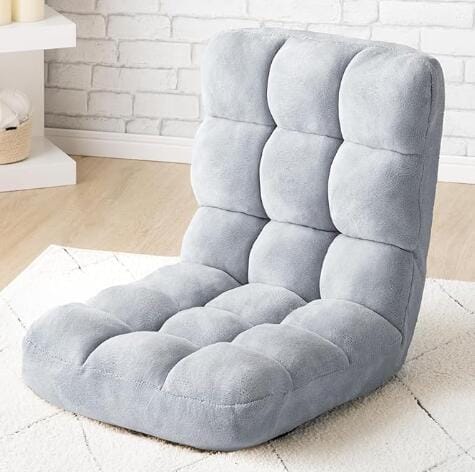
https://www.amazon.co.jp/-/en/65170003-Reclining-Positions-Compact-Sofa-Style/dp/B0BVZL5K9M/ref=zg_bs_g_16428071_d_sccl_1/358-9299708-5626824?th=1
Floor chairs are low seats designed for sitting on the floor. Some look like small recliners. Others are firm cushions with a backrest. You sit with your legs crossed, stretched out, or tucked under.
How it works: You place the chair directly on the floor. Your hips drop low. Your knees bend or cross naturally. Many people find this position relaxing and good for their hips.
Best for: People who already enjoy sitting on the floor. Also good for meditation, reading, or laptop work.
Pros:
-
Opens your hip flexors – great if you sit in normal chairs all day.
-
Very stable – no tipping risk.
-
Lightweight and easy to store.
-
Encourages a more active sitting style (you shift often).
Cons:
-
Not good for high desks – you need a low table or a lap desk.
-
Hard to get up from if you have bad knees.
-
No wheels – you cannot roll around.
-
May feel awkward at first.
Tip for office use: Pair a floor chair with a low desk (about 22–24 inches high) or use a lap desk on your regular desk (sit on the floor under it). Choose a floor chair with a washable cover – it will get dusty.
Who should try it: People who work from a laptop only (no external monitor). Also great for anyone with tight hips from too much regular sitting.
Quick Comparison
| Alternative | Back support | Best sitting duration | Good for back pain? | Space needed |
|---|---|---|---|---|
| Bean bag chair | Molds to you | 1–2 hours | Yes, mild | Large |
| Drafting stool | Little to none | 1–2 hours | No (unless perching) | Small |
| Kneeling chair | None (but posture correct) | 30–90 min | Yes, lower back | Medium |
| Exercise ball chair | None | 30–60 min | Yes (core strength) | Medium |
| Saddle stool | Optional small back | 2–4 hours | Yes, disc issues | Small |
| Floor chair | Yes, low profile | 1–2 hours | Yes, hip related | Medium |
Frequently Asked Questions (FAQ)
1. Can I use a bean bag chair as a full‑time office chair?
You can, but it is not ideal for eight hours of typing. Bean bag chairs encourage a reclined posture. That makes it hard to keep your wrists straight and your screen at eye level. For occasional work – like reading reports, taking calls, or creative brainstorming – a bean bag is great. For full‑time use, alternate it with a more supportive option like a saddle stool or a kneeling chair. Many people keep a bean bag in their office as a “secondary seat” for breaks.
2. Is a drafting stool better than an office chair for a standing desk?
Yes, if you use a standing desk. A normal office chair is too short for a desk set at standing height. You would have to lower the desk every time you sit. A drafting stool lets you perch at the same high level. You simply roll it under the desk and sit. However, drafting stools have little back support. So they work best for short sits – 30 minutes at a time. For longer seated sessions, lower your desk and use a regular chair. Or choose a drafting stool with a backrest and a curved seat.
Also see: What’s the Best Standing Desk Chair? Our Top 8 Picks
3. Which office chair alternative is best for chronic lower back pain?
The best two are kneeling chairs and saddle stools. Both open your hip angle and reduce pressure on your lumbar spine. Many physical therapists recommend kneeling chairs for people with disc problems. Saddle stools are excellent for sciatica because they keep your spine neutral without leaning back. However, neither works for everyone. Start with a kneeling chair for 15 minutes a day. If your knees hurt, switch to a saddle stool. Always consult a doctor if you have severe back pain. And remember – no single seat is perfect. Alternate between two different alternatives throughout your day.
How to Choose the Right Alternative for You
Ask yourself three questions:
-
How long do you sit at once?
-
Under 1 hour → Any alternative works.
-
1–3 hours → Saddle stool or kneeling chair.
-
Over 3 hours → Alternate between two alternatives (e.g., saddle stool in the morning, regular chair in the afternoon).
-
-
Where is your pain?
-
Lower back → Kneeling chair or saddle stool.
-
Hips → Floor chair or bean bag.
-
Neck/shoulders → Exercise ball (keeps you moving).
-
No pain → Drafting stool or exercise ball.
-
-
What is your desk setup?
-
Standard desk (29–30 inches) → Anything except drafting stool (too tall).
-
Standing desk → Drafting stool or saddle stool.
-
Low desk or lap desk → Floor chair or bean bag.
-
Final Thoughts
Office chairs are not the only way to work. Bean bag chairs, drafting stools, kneeling chairs, exercise balls, saddle stools, and floor chairs all offer real benefits. None is perfect for every person or every task. But trying one might change how you feel at the end of the workday.
Start small. Borrow or buy one alternative. Use it for one hour a day. Notice how your back, hips, and energy levels respond. Then add another alternative to rotate through the week.
Your body was not made to sit still. These alternatives help you move, adjust, and find comfort in new positions. And that might be the best office upgrade you never expected.
Need more ergonomic tips? Read our guides on sitting posture and choosing the right desk height.