





 Meet&Co
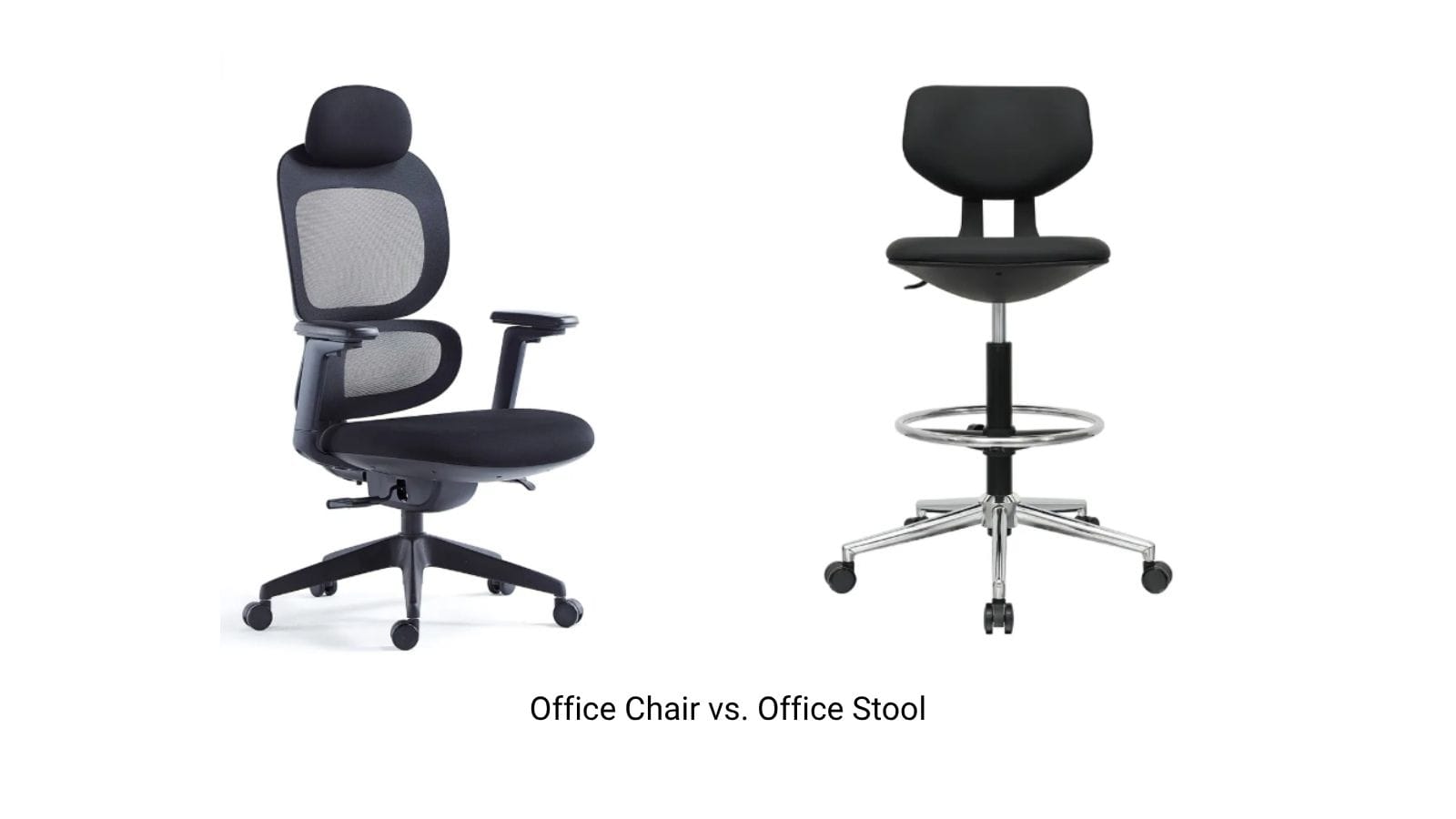
When you need a place to sit, you might ask: should I get a stool or a chair? They look similar, but they work very differently. A stool is usually taller and has no back or armrests. A chair has a backrest, and often armrests too.
But which one is better for you? It depends on what you do, where you sit, and how long you stay there. In this guide, we will explain the key differences, show you a simple comparison table, list the pros and cons, and help you make the right choice.
Let’s dive in.
What is a Stool?
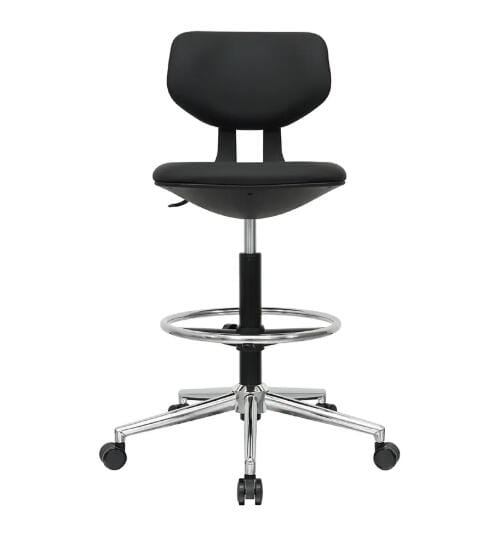
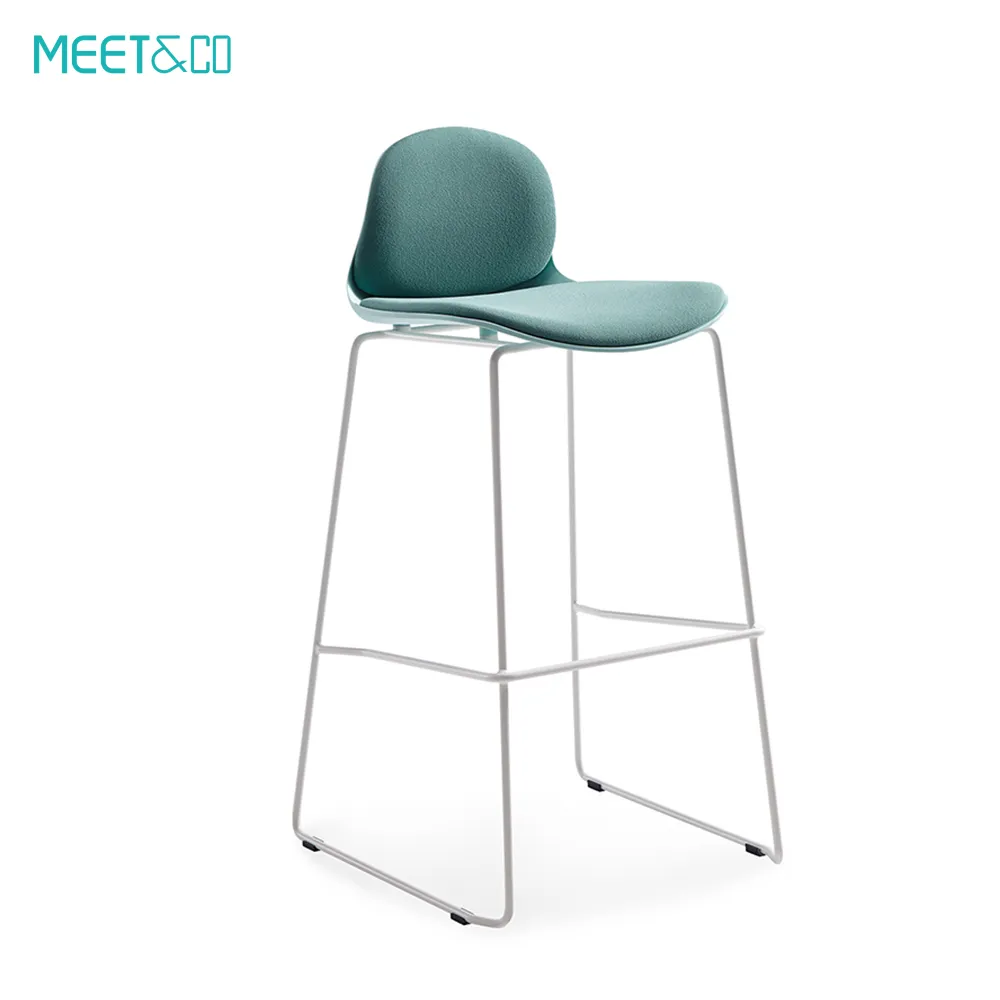
Meet&Co drafting stool
A stool is a seat without a backrest or armrests. Most stools are taller than standard chairs. Some stools have a small back, but traditional stools have none. You can find stools in many places: kitchens, bars, workshops, and even offices.
Common types of stools:
-
Bar stool – tall, for high counters or bars
-
Kitchen stool – medium height, for kitchen islands
-
Office stool – often on wheels, adjustable height, no back
-
Drafting stool – very tall, for architects or artists at high desks
-
Step stool – short, used to reach high places, sometimes folds
Stools are simple, light, and easy to move. They take up little space. But they offer less support for your back.
What is a Chair?
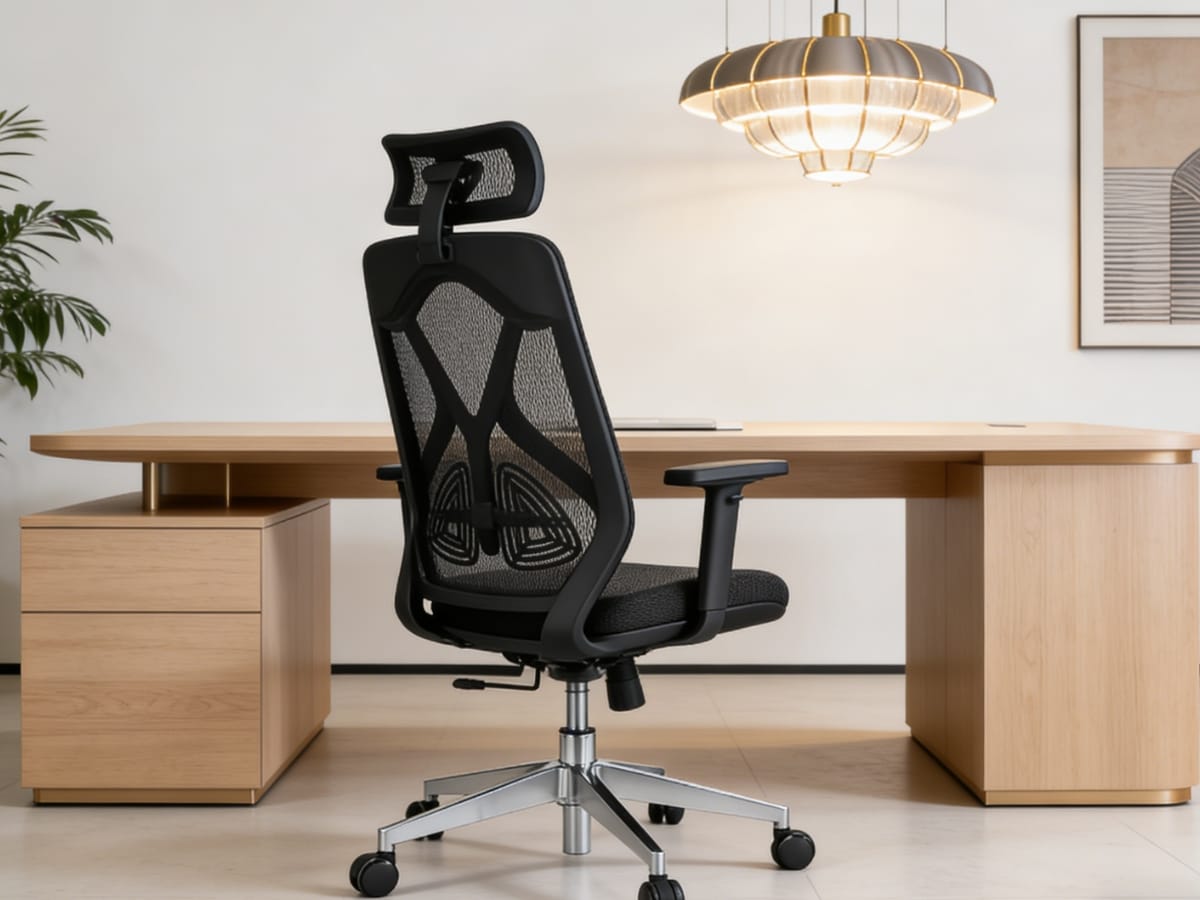
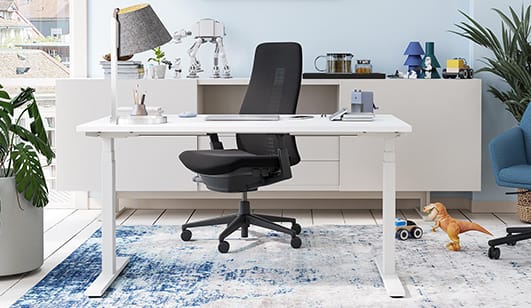
Meet&Co Wholesale Full Mesh Ergonomic Chair
A chair is a seat with a backrest. Most chairs also have armrests. Chairs come in many shapes and sizes, but the back support is the main feature that separates a chair from a stool.
Common types of chairs:
-
Office chair – adjustable, with backrest, armrests, and wheels
-
Dining chair – standard height, simple back, no wheels
-
Armchair – wide, padded, with full arm and back support
-
Recliner – leans back, footrest pops out
-
Rocking chair – curved legs for gentle motion
Chairs are designed for comfort over long periods. They support your spine and help you relax. But they are heavier and take up more room than stools.
What are the Key Differences Between Stool and a chair?
Here is a quick comparison. Use this table to see the main differences at a glance.
| Feature | Stool | Chair |
|---|---|---|
| Backrest | Usually none | Always has one |
| Armrests | None | Often has them |
| Height | Typically taller (24–30 inches) | Standard height (16–20 inches) |
| Portability | Light, easy to carry | Heavier, harder to move |
| Space needed | Small footprint | Larger footprint |
| Posture | Encourages active sitting | Supports relaxed sitting |
| Best for | Short tasks, high counters, small spaces | Long hours, dining, relaxing |
| Typical uses | Bars, kitchens, drafting tables | Offices, dining rooms, living rooms |
As you can see, stools save space and keep you more alert. Chairs give you comfort and back support.
Stool vs Chair for Different Activities
Not every seat works for every job. Let’s look at common activities and which seat fits better.
1. Working at a desk (8+ hours a day)
Winner: Chair
You need good back support for long hours. An ergonomic office chair with lumbar support is best. A stool might tire your back after a few hours. However, some people use an active sitting stool (like a saddle stool) to strengthen their core. That works only if you switch positions often.
Also see: Best Office Chair for Back Pain
2. Sitting at a kitchen island or bar
Winner: Stool
Kitchen counters and bars are tall – about 40 to 42 inches high. A standard chair is too low. A bar stool or counter stool fits perfectly. You can slide it under the counter when not in use, saving space.
Also see: How to Choose the Best Bar Stools for Kitchen Island
3. Dining at a table
Winner: Chair
Dining tables are around 30 inches high. Standard dining chairs (18 inches seat height) work best. A stool would be either too low (if short) or too high (if tall). Plus, meals last 30–60 minutes – a chair with a backrest is more comfortable.
4. Drawing or drafting at a tall desk
Winner: Stool
Artists, architects, and engineers often use high desks. A drafting stool lets you sit high enough to see your work. Many drafting stools have a foot ring and a small backrest for comfort.
5. Relaxing in front of the TV
Winner: Chair
You want to lean back, put your feet up, and rest your arms. A recliner or an armchair is perfect. A stool gives no back support, so you will slouch or get tired quickly.
6. Working in a small home office
Tie
If your room is tiny, a stool might be better because you can push it under the desk. But if you work long hours, a compact office chair (like a small task chair) gives you back support without taking too much space.
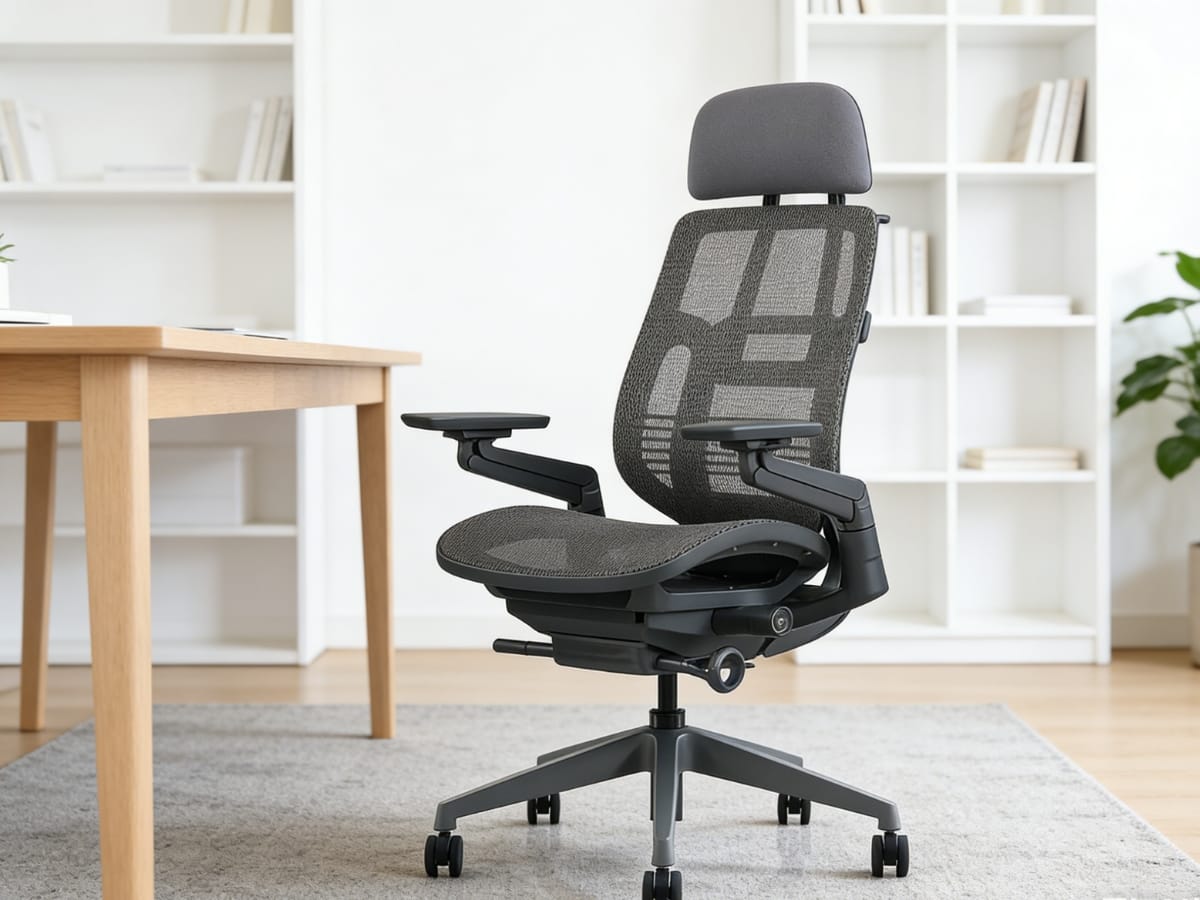
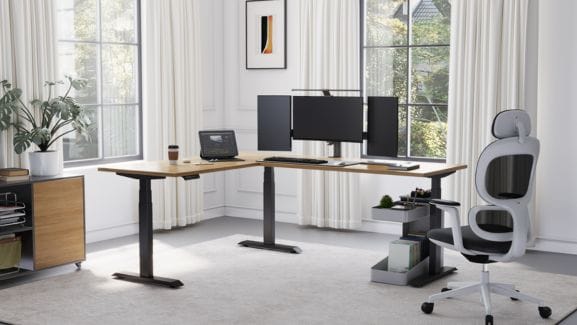
Meet&Co Wholesale Mesh Ergonomic Chair
Pros and Cons of Stools
Pros
-
Save space – You can tuck them under a table or counter.
-
Lightweight – Easy to carry from room to room.
-
Encourage active sitting – Your core muscles stay engaged.
-
Good for high surfaces – Bars, islands, drafting desks.
-
Often cheaper – Simple design means lower cost.
-
Easy to clean – No crevices for crumbs (great for kitchens).
Cons
-
No back support – Your lower back gets tired after a while.
-
No armrests – Your arms hang or rest on the table only.
-
Can be unstable – Tall stools with narrow legs may tip.
-
Not ideal for long periods – More than 2 hours can be uncomfortable.
-
Hard to relax – You cannot lean back or nap.
Pros and Cons of Chairs
Pros
-
Back support – Keeps your spine in a healthy position.
-
Armrests – Reduce shoulder strain when typing or reading.
-
Comfortable for hours – Padding and ergonomic shapes.
-
Stable – Four legs or a wide base prevent tipping.
-
Variety – Hundreds of styles, materials, and sizes.
-
Good for guests – People expect a chair for dinner or meetings.
Cons
-
Take up more space – You cannot slide most chairs under a desk.
-
Heavier – Harder to move, especially padded armchairs.
-
More expensive – Better materials and complex designs cost more.
-
Encourage slouching – With too much cushion, you might sit lazily.
-
Not for high surfaces – You need a booster or a stool for tall counters.
How to Choose Between a Stool and a Chair (Detailed but Concise)

Use this step‑by‑step guide. Answer each question, and you’ll know exactly which seat to buy.
Step 1: Measure your surface height
Grab a tape measure. Check the height of your desk, counter, or table.
-
22–30 inches (standard desk or dining table) → Chair only. A stool will be too low or too high.
-
34–36 inches (kitchen island or high table) → Counter stool (seat height 24–27 inches).
-
40–42 inches (bar or pub table) → Bar stool (seat height 28–32 inches).
-
36–40+ inches (drafting or standing desk) → Drafting stool (adjustable height, usually 24–34 inches).
Pro tip: Your seat height should leave a 8–12 inch gap between the seat and the underside of the surface. That gives your knees and thighs enough room.
Step 2: Decide how long you will sit
Be honest about your daily routine.
| Sitting time per session | Best choice | Why |
|---|---|---|
| Under 30 minutes | Stool (any type) | Your back won’t get tired. |
| 30 minutes – 2 hours | Stool with a small back, or a basic chair | A small back helps, but you don’t need full support. |
| 2 – 5 hours | Standard chair with a mid‑height back | Prevents lower back strain. |
| 5+ hours | Ergonomic chair with lumbar support and adjustable armrests | Stool will cause pain. |
Step 3: Check your available floor space
Take a quick look at your room.
-
Tiny room (e.g., 5×5 ft home office, small kitchen corner) → Stool. You can push it completely under the surface. A chair would block the walkway.
-
Medium room (e.g., 10×10 ft dining area) → Either. You have space for a chair, but a stool saves room for other furniture.
-
Large room (e.g., open kitchen + living area) → Chair. Comfort matters more than saving a few inches.
Example: In a narrow city apartment, three bar stools fit under a counter. Three dining chairs would make the room feel cramped.
Step 4: Consider your body and any pain issues
-
Do you have chronic lower back pain? → Chair with firm lumbar support. Never a backless stool.
-
Do you have knee or hip pain? → Chair with armrests. Armrests help you push up to stand. Stools make it harder.
-
Do you have good core strength and no pain? → Either. You can use a stool for active sitting, but keep a chair nearby for breaks.
Step 5: Match your budget to real options
Here are specific products you can look for (no brands, just types).
| Budget | Best stool option | Best chair option |
|---|---|---|
| Under $50 | Wooden backless kitchen stool | Folding metal chair (basic) |
| $50 – $100 | Padded bar stool with a small back | Simple dining chair with wood or plastic back |
| $100 – $250 | Adjustable drafting stool with foot ring | Mesh task chair with adjustable height |
| $250 – $500 | Saddle stool (ergonomic, no back but shaped) | Ergonomic office chair with lumbar and armrests |
| $500+ | Not worth it – buy a high‑end chair instead | Recliner or executive chair with full padding |
Step 6: Use the “one day test”
Still unsure? Try this.
-
Borrow a stool and a chair from a friend or buy from a store with free returns (e.g., IKEA, Amazon).
-
Use each for one full workday (or a full evening of cooking/TV).
-
At the end of the day, rate:
-
Back comfort (1–10)
-
Leg room (1–10)
-
How easy it was to get in/out (1–10)
-
-
Pick the one with the higher total score.
Many people end up buying both. A stool for the kitchen island, and a chair for the desk. That’s completely fine.
Quick decision table
| Your situation | Best choice |
|---|---|
| Standard desk + work all day | Chair |
| Standard desk + quick tasks (<1 hr) | Stool |
| Kitchen island (36” high) | Counter stool |
| Bar (42” high) | Bar stool |
| Small apartment + need to save space | Stool |
| Back pain + long sits | Chair |
| Standing desk + occasional sitting | Drafting stool |
| Watching TV or reading | Chair |
| Drawing / crafting at tall table | Drafting stool |
Frequently Asked Questions (FAQ)
1. Is sitting on a stool bad for your back?
Not necessarily. Sitting on a stool for short periods (30–60 minutes) is fine. Your core muscles work to keep you upright, which can actually strengthen your back. But if you sit on a stool for hours every day without a backrest, you may develop lower back pain. The problem is not the stool itself – it is how long you stay on it. For long workdays, use a chair with lumbar support.
2. Can a stool be used as an office chair?
Yes, some people use an office stool (also called an active sitting stool or kneeling stool) instead of a traditional office chair. These stools have no back, but they tilt or swivel to keep you moving. They work well for people who want to improve their posture and avoid sitting still all day. However, if you already have back pain, start with a stool for only 1–2 hours per day, then switch to a regular chair. Many experts recommend alternating between a stool and a chair.
3. Which is better for a standing desk – stool or chair?
A stool is better for a standing desk. Standing desks are usually set at elbow height when you stand. If you want to sit sometimes, a tall stool (called a leaning stool or perching stool) lets you rest without lowering the desk. You can perch on it, keeping one foot on the ground. A normal chair would be too short unless you lower the desk. So for a standing desk setup, get a drafting stool or a leaning stool with a small back.
Final Thoughts
So, stool or chair? There is no single right answer. It depends on your space, your body, and what you do.
-
Choose a stool if you need to save space, sit at a high surface, or sit for short periods. Stools are great for kitchens, bars, drafting desks, and tiny home offices.
-
Choose a chair if you sit for many hours, want back support, or relax at home. Chairs are best for regular desks, dining tables, living rooms, and long work sessions.
You do not have to pick only one. Many people own both. For example, use a stool at the kitchen island and a chair at your desk. That gives you flexibility for different tasks.
Remember to test your seat before buying if possible. Sit on it for 10–15 minutes. Does your back feel okay? Can you reach your work surface comfortably? Listen to your body – it will tell you what works.