








 Meet&Co
When you picture a classroom, what comes to mind? Rows of rigid desks, hard plastic chairs, and students struggling to sit still? Now imagine something different: students gently rocking as they read, collaborate, or listen to instructions. It looks almost too comfortable to be educational—but that’s exactly the point.
Rocking chairs in classrooms might seem unconventional, but they’re part of a broader shift toward active seating and flexible classroom furniture that prioritizes student wellbeing alongside learning outcomes. The logic is simple: children’s bodies need movement. Sitting still for extended periods doesn’t just cause discomfort—it actively works against how young brains focus and process information.
This guide explores whether rocking chairs deserve a place in modern classrooms, from the science behind the movement to practical buying considerations for 2026.
Why Rocking Chairs Work for Students: The Science of Movement
https://www.sensorydirect.com/sense-wobble-stool-adjustable?srsltid=AfmBOornYbGmME-pzHohl2sXMwPO-qtzEA8sxxLsWHOa0Pf_AJfuxtVb
1. Movement Fuels the Brain
Here’s something surprising: when students fidget, their brains may actually work better. Body mechanics studies show that small movements, like gentle rocking, can increase brain oxygen levels by up to 12%—directly improving memory and information processing.
The explanation lies in how our bodies are wired. Gentle, repetitive motion stimulates the vestibular system, located in the inner ear, which regulates balance and spatial orientation. This system connects directly to brain areas involved in emotional regulation and arousal. When students feel overwhelmed or distracted, vestibular input can help organize and settle the nervous system.
2. Rhythmic Motion Signals Safety
Our brains constantly scan for threats. Predictable sensory patterns—like the steady back-and-forth of rocking—tell the brain, “Nothing new or threatening is happening right now.” This shifts the body away from the stress response (fight, flight, or freeze) toward a calmer state.
For students experiencing anxiety, sensory overload, or difficulty transitioning between activities, this calming effect can be transformative. Rocking provides regulation without requiring students to explain or “think” their way out of distress.
3. Bilateral Movement Promotes Integration
Rocking involves side-to-side motion that engages both sides of the body. This bilateral movement supports communication between the left and right brain hemispheres, which can enhance emotional regulation and cognitive processing.
Teachers report that when students can move during lessons, they redirect attention far less frequently. Focus improves naturally when bodies are allowed to do what they need.
4. Physical Comfort Reduces Cognitive Load
Poorly fitted chairs cause real problems. When students slump or dangle their legs, blood flow decreases and muscles fatigue. Research suggests unsupportive seating can divert 15–20% of critical brain power away from learning—energy that should be going toward lessons, not managing discomfort.
Rocking chairs designed for students address this by supporting proper posture while allowing movement. The combination keeps bodies comfortable and minds available for learning.
Top Benefits of Rocking Chairs in Educational Settings

1. Improved Focus and Engagement
Students using active seating like rocking chairs demonstrate longer attention spans and reduced off-task behavior. The ability to make small movements prevents the restlessness that leads to disruption.
One teacher observed that after introducing movement-friendly seating, students required fewer redirections and stayed engaged for extended periods.
2. Support for Neurodivergent Learners
Rocking chairs offer particular benefits for students with ADHD, autism, or sensory processing differences. The rhythmic motion provides predictable sensory input that can be deeply regulating.
Products designed for active learning often specifically mention benefits for children with ADD, ADHD, and autism, noting that gentle movement helps relax the right side of the brain for better concentration.
Also see: What Is Flexible Seating? A Simple Guide For Better Classrooms
3. Reduced Physical Discomfort
Appropriately sized furniture reduces the risk of chronic back pain by up to 30%, according to educational research. Rocking chairs with ergonomic design distribute weight appropriately and allow posture changes throughout the day.
4. Calmer Classroom Environment
When individual students self-regulate through gentle movement, the whole classroom benefits. There’s a ripple effect: fewer disruptions, smoother transitions, and more time spent on learning.
Types of Rocking and Active Seating for Classrooms
| Product Type | Description | Best For | Example Product | Approximate Price |
| Full Rocking Chairs | Upholstered chairs with curved base, designed for K–12 spaces | Reading nooks, libraries, calming corners | Smith System Flowform Soft Rocker | $1,185 |
| Rocking Base Attachments | Add-ons that convert standard chairs to wobble/rocking chairs | Budget-friendly classroom upgrades | Bouncyband Wiggle Wobble Chair Feet | Varies (sold in packs) |
| Stackable Rocking Stools | Modular seats with rocker bases that can be used individually or stacked | Collaborative spaces, flexible seating | Smith System Oodle | $306 SGD (~$230 USD) |
| Wobble Chairs | 360-degree movement stools that engage core muscles | Desks, group work, active learning | Adjustable Height Wobble Chair | $129 CAD (~$95 USD) |
| Innovative Rockers | Unique shapes supporting upright posture while allowing fidgeting | Modern classrooms, collaborative zones | Allsteel Rock Chair | Commercial pricing |
1. Smith System Flowform Soft Rocker
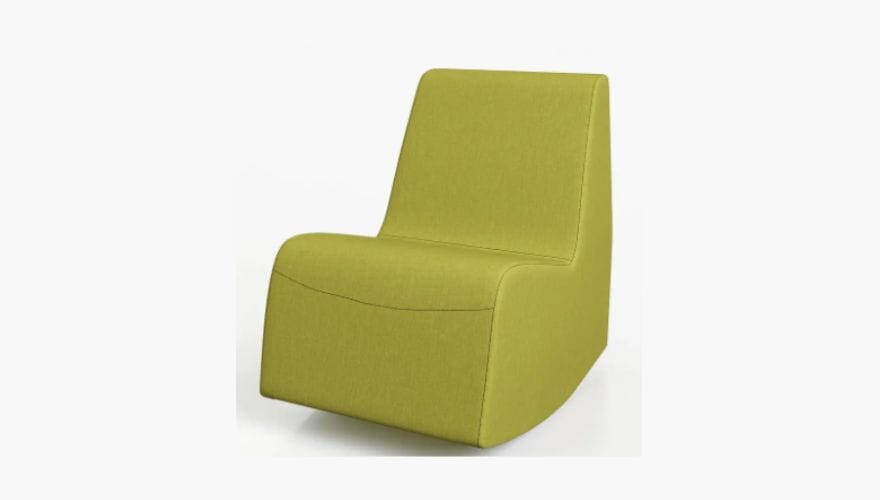
https://smithsystem.com/furniture/softrocker/
This modern active seating rocker features a high-density foam core with a hardwood frame, delivering controlled movement without tipping. The vinyl upholstery wipes clean with a 10:1 water-bleach solution, making it practical for high-traffic school environments.
Best for: Reading nooks, libraries, media centers, and collaborative spaces
2. Smith System Oodle
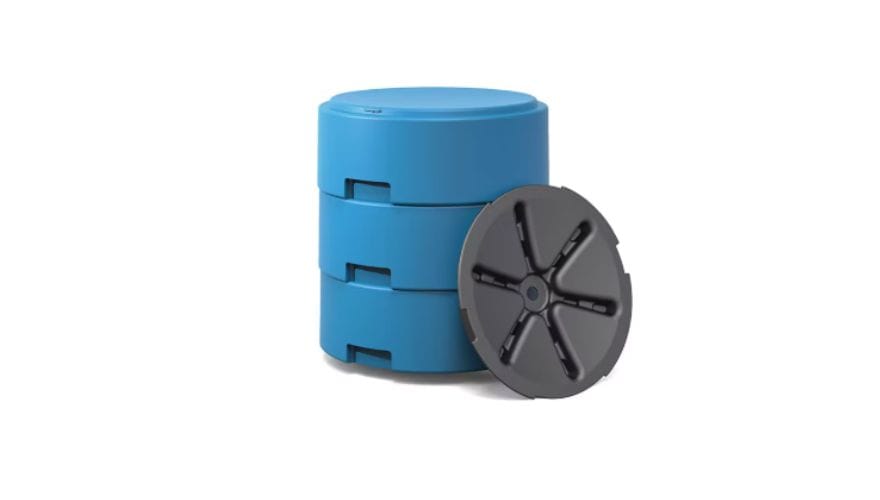
https://smithsystem.com/furniture/oodle/
Designed for children 12 and under, Oodle offers a playful, multi-functional approach. The stack-and-lock design can be split apart for lower seating or stacked for extra height. Flip the rocker base for 10 degrees of multi-dimensional rocking—or use it still when stability is needed.
Best for: Active learning environments where choice matters
3. Meet&Co Rock Chair
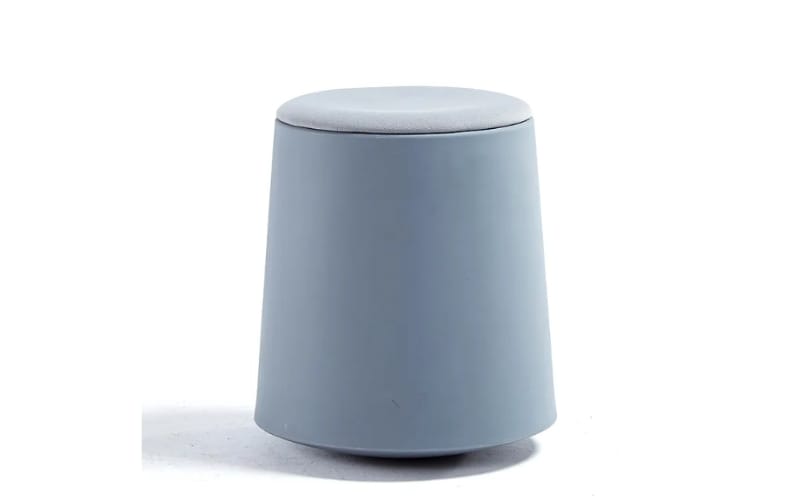
WRK Plastic Rocking Stool
This chair celebrates the “fidget” with a shape that supports upright posture while encouraging motion. Users can remain still or rock, sit with feet on the ground—the chair adapts to the person.
Best for: Modern classrooms seeking corporate-quality design
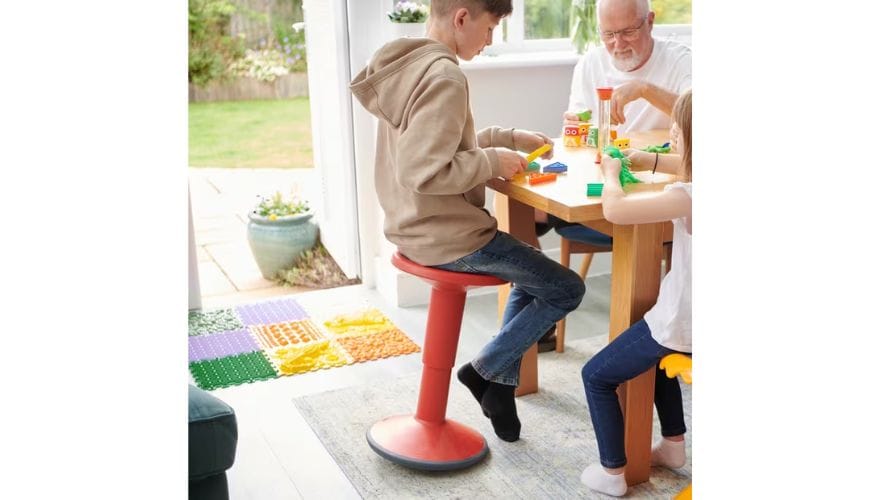
4. Adjustable Height Wobble Chair

https://www.sensorydirect.com/sense-wobble-stool-adjustable?srsltid=AfmBOornYbGmME-pzHohl2sXMwPO-qtzEA8sxxLsWHOa0Pf_AJfuxtVb
This active learning stool engages core muscles while allowing rocking and swiveling movements in all directions. The design encourages proper posture, and height adjusts from 40cm right up to 55cm to accommodate growing students.
Best for: Desks, home classrooms, therapeutic settings for children over 7
How to Choose the Right Rocking Chairs for Your School
1. Match Age and Size
Children of different ages need different chair dimensions. Six-year-olds typically require chairs 12–14 inches high, while older students need taller options. Check manufacturer specifications carefully—some products like the Oodle are designed specifically for children 12 and under.
2. Consider Movement Scale
Determine how much movement is appropriate for different activities. Some rocking chairs offer subtle motion perfect for reading time, while wobble chairs provide 360-degree movement suitable for active learning sessions.
3. Prioritize Durability and Safety
Look for:
- Rounded edges to prevent bumps and bruises
- Non-toxic coatings compliant with ASTM and CPSIA standards
- Reinforced frames ready for daily wear
- Non-slip bases for stability
4. Evaluate Cleanability
School furniture faces spills, germs, and constant use. Vinyl upholstery that wipes clean with bleach solution offers practical advantages. Surfaces designed to prevent germ hiding places can reduce sick days during cold months.
5. Plan for Flexibility
Start with a few rocking chairs in targeted areas—reading nooks, calm-down corners, or libraries. Observe how students respond before expanding. Some teachers find that offering choice matters more than converting every seat.
Four Implementation Tips for Classroom Rocking Chairs

1. Establish Clear Expectations
Teach students how to use rocking chairs appropriately. When is rocking helpful? When does it distract others? Most students adapt quickly when expectations are clear.
2. Create Designated Zones
Rather than scattering rocking chairs randomly, create specific areas where movement seating makes sense—quiet reading corners, collaboration zones, or calming spaces.
3. Start Small, Gather Feedback
Introduce a few chairs and ask students what works. Their input is invaluable for refining your approach and expanding thoughtfully.
4. Pair with Traditional Options
Not every student wants or needs active seating. Offer choices so students can select what works for their learning style on any given day.
FAQs about Rocking Chairs
1. Are rocking chairs distracting in a classroom setting?
When implemented thoughtfully, rocking chairs actually reduce distractions by meeting students’ need for movement. Teachers report fewer redirections and improved focus when students can rock appropriately. Clear expectations about when and how to use them are essential.
2. What age groups benefit most from rocking chairs?
All ages can benefit, but younger students (elementary age) often show the most dramatic improvements in focus and reduced fidgeting. Products are available for different age ranges—always check manufacturer age recommendations.
3. How much do classroom rocking chairs cost?
Prices vary widely. Simple wobble attachments start around $20–30 each , while premium upholstered rockers like the Flowform Soft Rocker run approximately $1,185. Stackable options like Oodle fall in between at around $230 USD.
4. Are rocking chairs safe for students with physical disabilities?
Many rocking chairs include safety features like non-slip bases and stability stops. However, always consult with specialists about individual student needs. Some chairs accommodate up to 250 pounds and work for a range of users.
5. Do rocking chairs help students with ADHD or autism?
Yes—many products specifically note benefits for children with ADD, ADHD, and autism. The rhythmic, predictable motion can be deeply regulating for neurodivergent students who need sensory input to focus.
6. How long do classroom rocking chairs last?
Quality chairs from reputable manufacturers are designed to withstand 5–10 years of daily classroom use. Features like reinforced frames, powder-coated metal, and durable upholstery extend lifespan significantly.
7. Can rocking chairs be used in high school settings?
Absolutely. Older students also benefit from movement, though aesthetic preferences differ. Products like the Allsteel Rock Chair offer mature designs suitable for secondary and even corporate environments.
Conclusion
Are rocking chairs good for students? The evidence suggests yes—when chosen thoughtfully and implemented well. The science is clear: rhythmic movement calms the nervous system, increases brain oxygenation, and helps students regulate attention.
For schools exploring flexible classroom furniture, rocking chairs offer a proven way to support diverse learning needs. They’re particularly valuable for:
- Reading and quiet zones where gentle movement supports focus
- Calming corners for students needing sensory regulation
- Collaborative spaces where comfort encourages lingering
- Libraries and media centers that serve multiple functions
The key is intentional design. Match chairs to student ages, prioritize durability and safety, establish clear expectations, and give students choice. When movement becomes part of the learning environment rather than a distraction from it, everyone benefits.
As one school furniture expert noted: “Children’s bodies and minds need movement. Sitting still, and stagnating blood flow, is not helpful, and can make kids sleepy. Rocking chairs allow kids to shift in ways that help their bodies stay stimulated instead of fidgeting out of discomfort”.
In 2026, the question isn’t whether rocking chairs belong in classrooms—it’s how many you need, and where to put them first.


