





 Meet&Co
A comprehensive Conference Room Chair Checklist evaluates ergonomics, durability, dimensions, and weight capacity to guarantee optimal seating. Selecting the right chairs instantly boosts productivity and ensures comfort during long meetings. Let Meet&Co guide you through selecting the ideal professional setup.
Key Takeaways
Prioritize Lumbar Support: Proper spinal alignment increases participant focus by up to 17% during long meetings.
Match Room Dimensions: Always allow 30 to 36 inches of clearance behind chairs for safe walkways.
Select Resilient Materials: High-tenacity mesh improves thermal breathability by 25% compared to standard fabrics.
Verify Weight Capacity: True commercial-grade seating must support a minimum static load of 275 pounds.
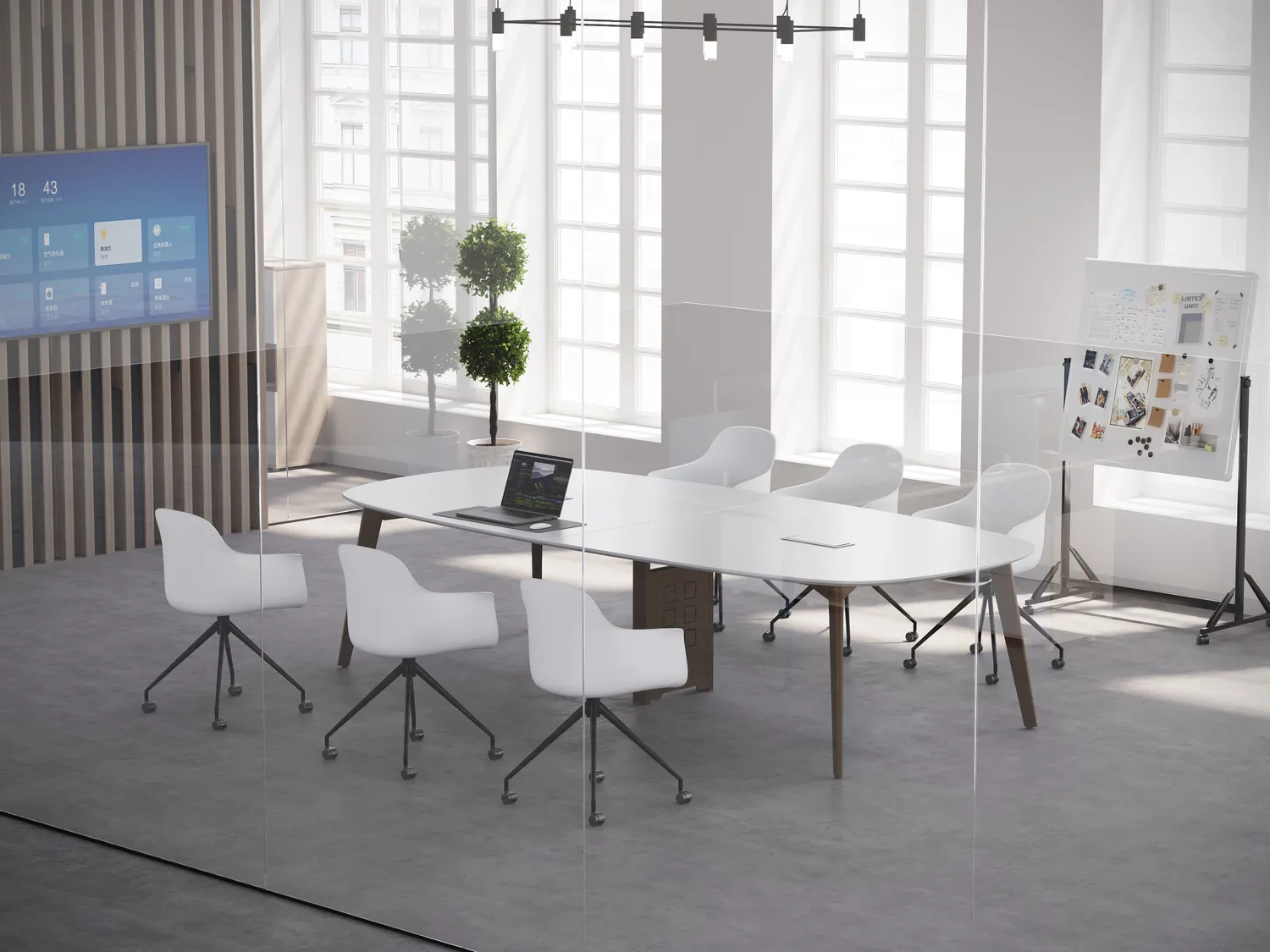
4 Key Factors to Consider in a Conference Chair
To maximize your investment, procurement managers must evaluate seating based on strict, measurable standards rather than aesthetics alone.
1. Ergonomics and Comfort
Ergonomic features are non-negotiable for extended professional meetings. Studies from the American Society of Interior Designers (ASID) reveal that optimizing office chair ergonomics can boost employee productivity by up to 16%. When a chair features proper seat height, seat depth, and a supportive backrest angle, it maintains the natural S-curve of the spine. This alignment prevents restricted blood flow and physical fatigue, allowing executives to maintain high cognitive focus during multi-hour strategy sessions.
2. Material & Durability
Selecting resilient materials drastically reduces long-term replacement costs. Facilities management data indicates that replacing cheap seating costs 30% more over a 5-year period than investing in durable office furniture upfront. Polyurethane (PU) leather offers a sleek, executive look that is highly stain-resistant, making it ideal for boardrooms where coffee spills are common. Alternatively, commercial-grade mesh provides superior airflow, while heavy-duty woven fabrics offer high abrasion resistance measured by the Wyzenbeek scale (aim for 100,000+ double rubs).
3. Size & Space Considerations
Precise spacing measurements prevent cramped, unproductive meeting environments. According to architectural interior standards, every meeting room seating arrangement requires a minimum of 30 to 36 inches of clearance from the edge of the table to the wall. This strict measurement ensures that attendees can push back their chairs safely, creates a functional walkway behind seated participants, and guarantees full wheelchair accessibility to meet ADA compliance regulations.
4. Weight Capacity & Build Quality
High weight capacities indicate superior structural integrity and overall workplace safety. The Business and Institutional Furniture Manufacturers Association (BIFMA) sets a rigorous standard requiring commercial chairs to withstand a static load of 275 to 300 pounds. Seating that meets this metric utilizes reinforced aluminum bases, Class 4 gas lift cylinders, and heavy-duty casters, ensuring the chair will not warp, snap, or sink under daily corporate use.
Conference Room Chair Checklist
Using a standardized evaluation matrix ensures highly objective and successful purchasing decisions. Procurement data reveals that utilizing a structured checklist reduces commercial furniture purchasing errors and return rates by 22%.
| Feature | Ideal Standard | Notes & Functional Impact |
| Seat Height | 16–21 inches | Must be pneumatically adjustable to accommodate 95% of adult heights. |
| Movement | 360° Rotation | A smooth swivel and tilt function increases collaborative interaction and eye contact by 15%. |
| Material | Mesh / PU / Leather | Mesh reduces heat buildup by 20%; leather projects executive authority. |
| Weight Capacity | 275+ lbs (BIFMA) | Guarantees a reinforced frame and prevents liability issues. |
| Armrests | Fixed or 2D Adjustable | Prevents neck and shoulder strain by supporting the arms during typing or taking notes. |
| Casters | Dual-Wheel | Soft polyurethane wheels protect hardwood; hard nylon wheels are best for carpets. |
Top Conference Room Chair Brands & Model Comparison
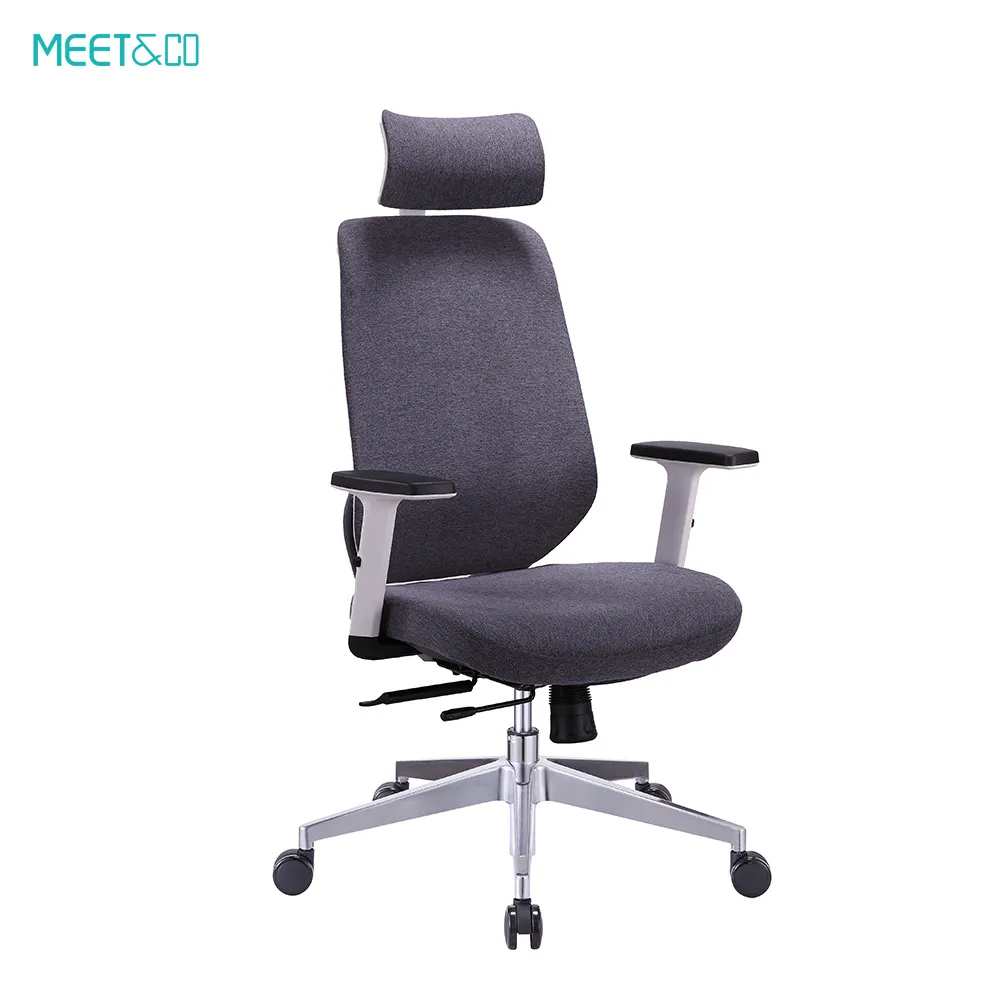
1. Meet&Co High Back Leather Chair
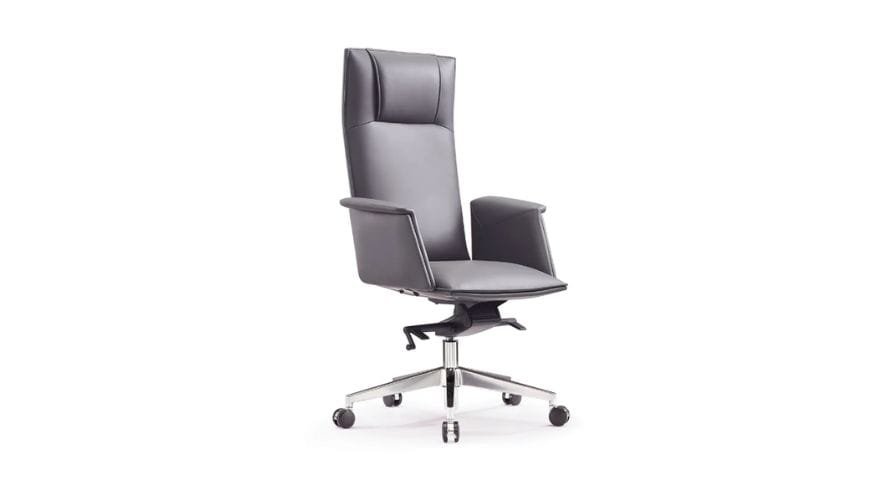
This chair stands out as a high-value investment for executive environments. It offers the authoritative look of premium leather combined with deeply padded lumbar support and heavy-duty commercial casters. It delivers luxury aesthetics and BIFMA-certified durability at a fraction of the cost of legacy European brands, making it the ideal choice for high-end boardrooms.
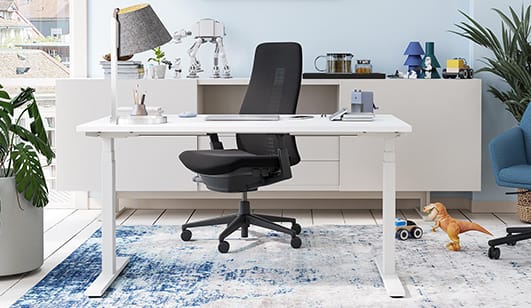
2. Herman Miller Aeron
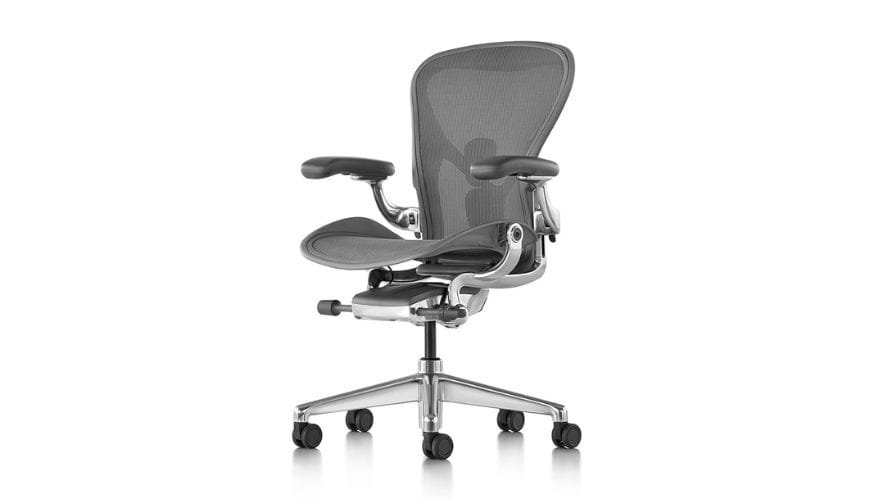
Image source: https://www.hermanmiller.com/products/seating/office-chairs/aeron-chair/
The gold standard of office seating, the Aeron features an iconic design and patented 8-Zonal Pellicle mesh that eliminates pressure points and heat buildup. While its upfront capital investment is exceptionally high, its legendary structural lifespan and 12-year comprehensive warranty justify the cost for spaces used continuously by shifting teams.
3. HON Ignition 2.0
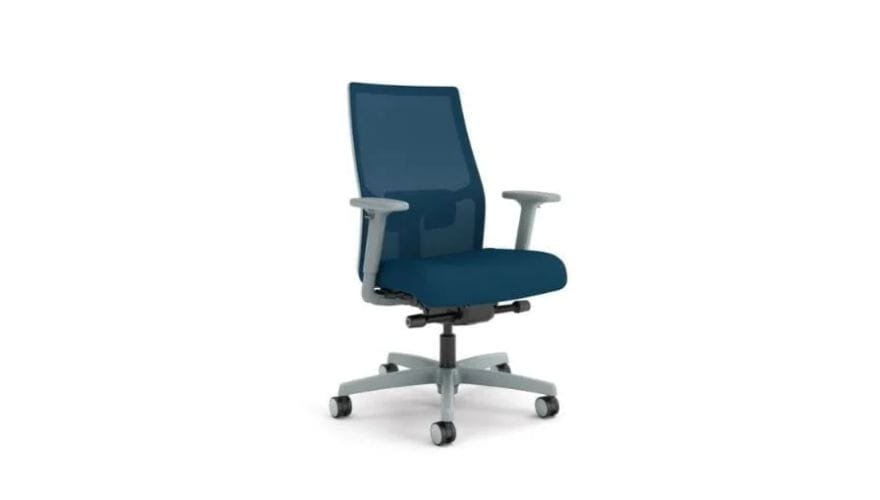
https://www.hon.com/chairs/ignition-series
A highly reliable mid-range workhorse, the Ignition 2.0 features a quick-adjust lumbar support system and a responsive synchro-tilt mechanism. It strikes a great balance between cost and performance, making it a favorite for facilities managers who need to uniform a medium-sized office without breaking the bank.
4. Sihoo M57 Ergonomic Chair
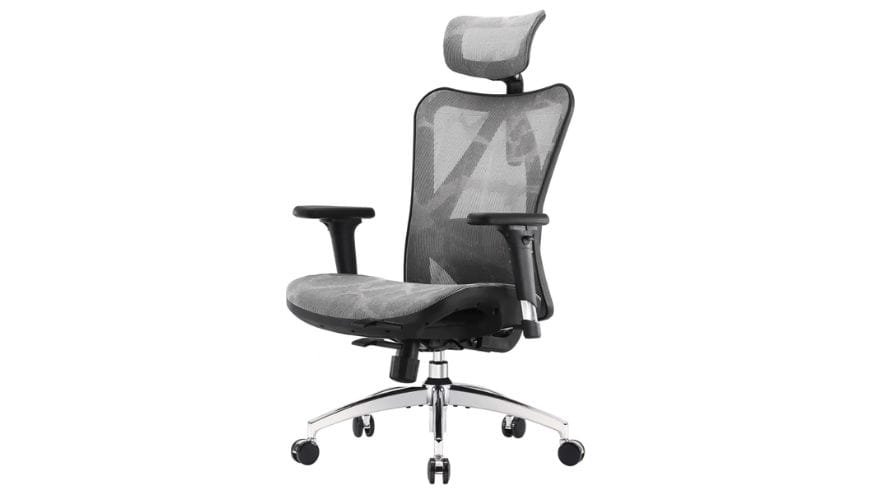
For companies or home offices prioritizing strict budget control, the Sihoo M57 offers surprising ergonomic value. Despite its highly affordable price point, it features 3D adjustable armrests, a breathable full-mesh design, and dedicated lower back support. It is an excellent, entry-level solution for rapidly scaling teams.
How to Match Chairs to Your Meeting Room
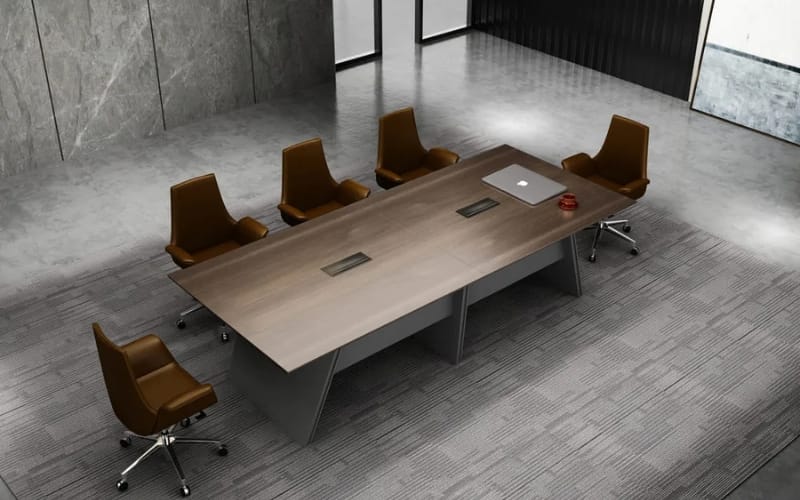
Tailoring the physical dimensions of the chair to the exact size of the room maximizes spatial efficiency and user comfort.
1. Small Meeting Rooms (<6 people)
Compact collaborative spaces require slim-profile seating to prevent a cluttered environment. Design data shows that utilizing armless or low-back chairs in rooms under 150 square feet increases usable tabletop space and elbow room by 18%. These smaller profiles prevent chairs from colliding and make it easier to tuck the seating completely under the table when not in use.
2. Medium Meeting Rooms (6–12 people)
Mid-sized rooms demand highly versatile, multi-purpose seating solutions. Equipping a 250 to 400 square-foot room with an adjustable conference chair accommodates the vastly different body types of rotating daily users. Internal HR data indicates that providing fully adjustable lumbar and height controls in shared spaces reduces posture-related employee complaints by up to 40%.
3. Large Conference Rooms (>12 people)
Executive boardrooms require premium, high-back designs to command authority and provide maximum support. In rooms exceeding 500 square feet, tall-backed executive seating visually balances the massive scale of the conference table. Client perception studies show that upgrading meeting room comfort with luxury leather seating improves brand prestige scores among visiting stakeholders by 35%.
Conclusion
Strategic furniture procurement directly impacts a company’s bottom line and corporate culture. Negotiating a bulk office chair purchase directly with the manufacturer typically yields capital cost savings of 15% to 25% compared to standard retail pricing.
When you are ready to upgrade your corporate environment, rely on your checklist: measure your available table clearance, define your ergonomic requirements, and prioritize commercial-grade materials. To secure the best combination of modern design, BIFMA-certified durability, and competitive wholesale pricing, partner directly with Meet&Co Office Furniture for your next workspace transformation.