





 Meet&Co
Let’s be honest. Life gets busy. Between work, family, and just trying to keep up with everything, finding time to go to the gym can feel impossible.
The good news? You don’t need a gym. You don’t need a lot of space. And you don’t need fancy equipment.
All you need is a chair.
Chair exercises are a simple, practical way to keep your body moving, build strength, and stay flexible — whether you’re at home, in the office, or anywhere in between. They’re low‑impact, easy on your joints, and surprisingly effective.
This guide is for men of all ages. Maybe you’re just getting started with exercise. Maybe you’re returning after an injury. Maybe you spend long hours at a desk and want to stay active. Whatever your situation, these seated exercises can help.
Let’s get started.
Why Chair Workouts Work (Really Well)
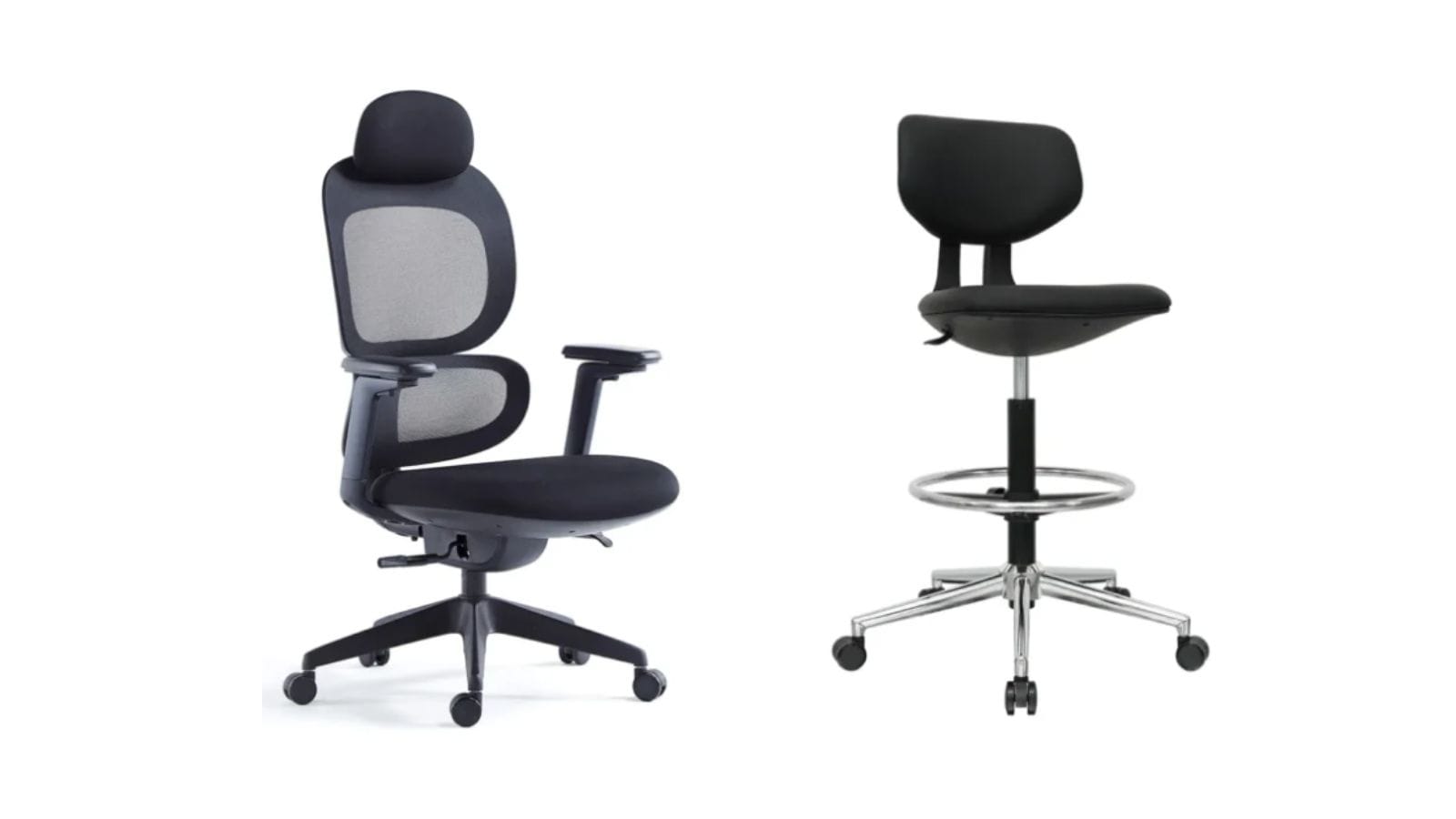
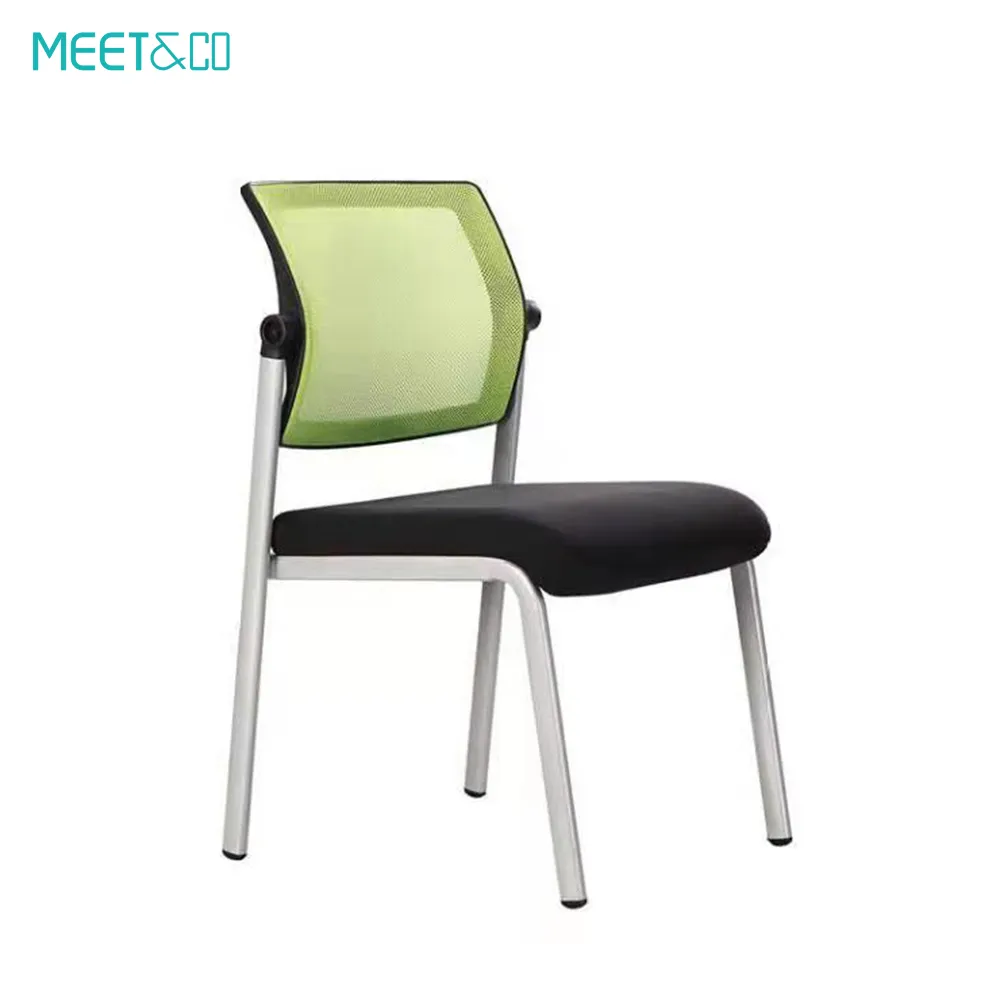
Meet&Co office chairs
You might think sitting down to exercise sounds too easy. But chair workouts work for a few good reasons.
They’re low‑impact. Unlike running or jumping, most chair exercises don’t put stress on your knees, hips, or lower back. This makes them a great option if you have joint issues or are recovering from an injury.
They build real strength. You’re not just sitting around. Many seated exercises target multiple muscle groups at once — legs, core, arms, and shoulders — giving you a surprisingly complete workout.
They’re accessible anywhere. You can do them at your office desk during a break, in your living room while watching TV, or even in a hotel room while traveling. No gym membership required.
They improve daily movement. Getting out of a chair, reaching for something on a shelf, bending down — these everyday actions get easier when you practice the movements that support them.
As one fitness guide put it: “The chair turns ‘can’t do that anymore’ into ‘I can train this safely.’ That’s not regression — it’s smart progression.”
Before You Start: A Few Simple Tips
A few quick pointers will help you get the most out of these exercises and stay safe.
Pick the right chair. Choose a sturdy, stable chair that doesn’t have wheels. You should be able to sit with your feet flat on the floor and your knees bent at a roughly 90‑degree angle. Armless chairs are often easier for certain movements, but a chair with arms works fine for most exercises.
Wear comfortable clothes. Anything loose and breathable works well. Keep some water nearby too.
Pay attention to your form. Sit up straight. Keep your shoulders relaxed. Engage your core. Don’t slouch or round your back, especially during exercises like chair squats.
Start slow and listen to your body. If you’re new to exercise or returning after a break, begin with fewer repetitions and work your way up. Don’t rush. Let your body adapt.
Check with a doctor if needed. If you have any health concerns or aren’t sure whether these exercises are suitable for you, it’s always a good idea to check with a GP or a health professional.
Also see: Best Chair for Lower Back Pain at Home: Complete 2026 Guide
12 Chair Exercises for Men
Here are twelve effective exercises you can do from a chair. Some target specific muscle groups; others work your whole body. Try a few that look interesting, or put together a short routine of 5‑6 exercises.
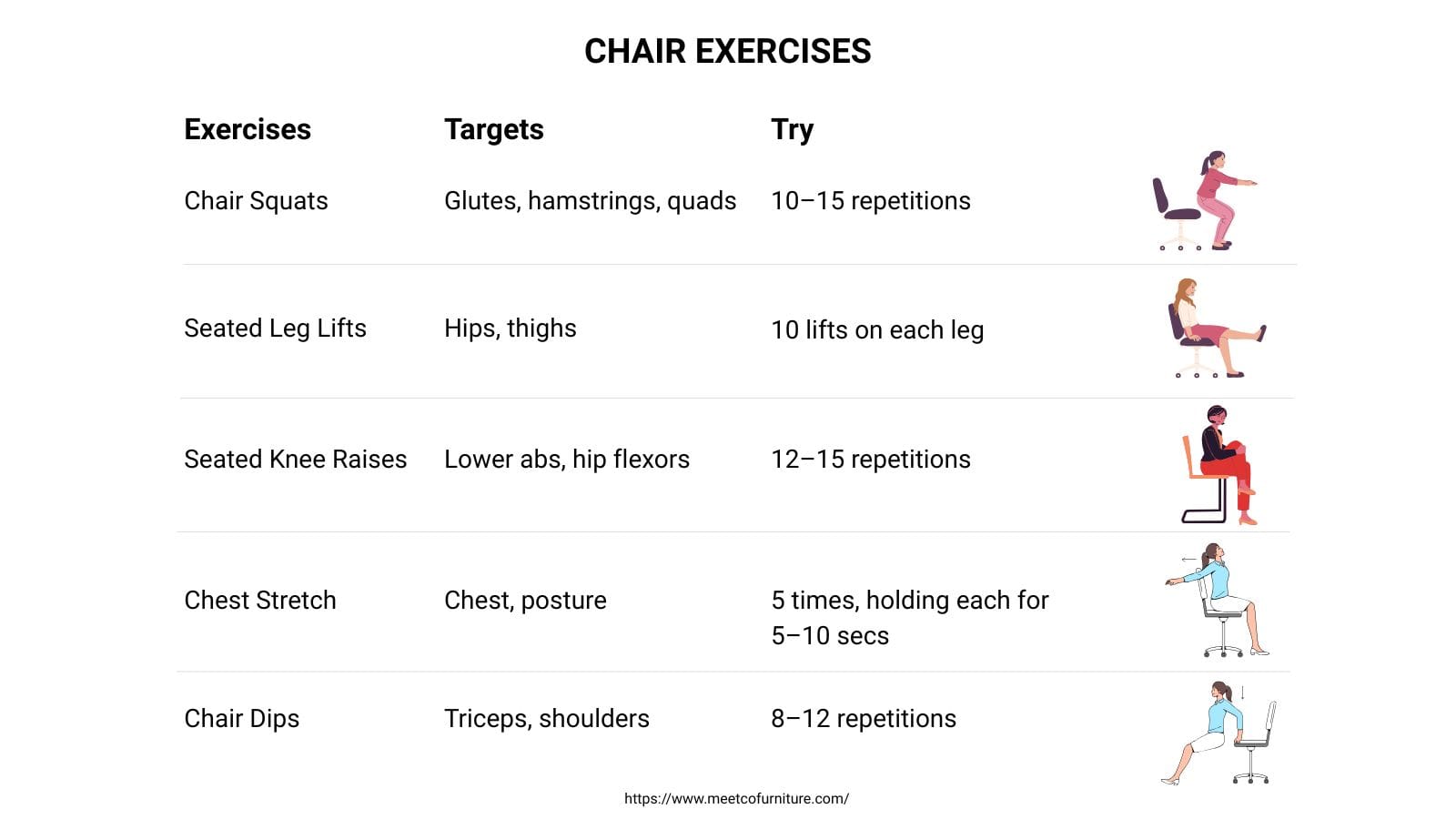
Chair Exercises
1. Chair Squats (Sit‑to‑Stand)
Targets: Glutes, hamstrings, quads
Sit on the edge of your chair with your feet shoulder‑width apart and flat on the floor. Cross your arms over your chest or rest them on your thighs. Stand up using just your legs — don’t push off the armrests. Lower yourself back down slowly until your glutes just graze the seat, then stand again. That’s one repetition.
Why it’s great: This movement trains something you do every single day — getting out of a car, rising from a sofa, or standing up from your desk. Making it stronger makes everything easier.
Try: 10–15 repetitions.
2. Seated Leg Lifts
Targets: Hips, thighs
Sit upright without leaning on the back of the chair. Hold the sides of the chair for stability if needed. Lift your left leg with your knee bent as high as comfortable, then place your foot back down with control. Repeat with your right leg.
Why it’s great: Simple, but it wakes up your hips and thighs. Great for loosening up after long periods of sitting.
Try: 10 lifts on each leg.
3. Incline Chair Push‑Ups
Targets: Chest, shoulders, triceps
Place your hands on the seat of a sturdy chair, shoulder‑width apart. Walk your feet back until your body forms a straight line from head to heels. Lower your chest toward the seat, then push back up.
Why it’s great: A proper push‑up can be tough. Doing them on an incline makes the movement more manageable while still building real upper‑body strength.
Try: 8–12 repetitions.
4. Seated Shoulder Press
Targets: Shoulders, triceps
Sit up straight with your feet flat on the floor. Hold a dumbbell in each hand at shoulder height, with your palms facing away from you. Press the weights overhead until your arms are fully extended, then lower them back down with control.
Note: No dumbbells? Use water bottles, resistance bands, or even soup cans. Something is better than nothing.
Try: 10–15 repetitions.
5. Chest Stretch
Targets: Chest, posture
Sit upright, away from the back of the chair. Pull your shoulders back and down. Extend your arms out to the sides. Gently push your chest forward and up until you feel a stretch across your chest. Hold for 5 to 10 seconds.
Why it’s great: Hours of desk work make your chest tight and your shoulders round forward. This simple stretch helps pull them back where they belong.
Try: 5 times, holding each for 5–10 seconds.
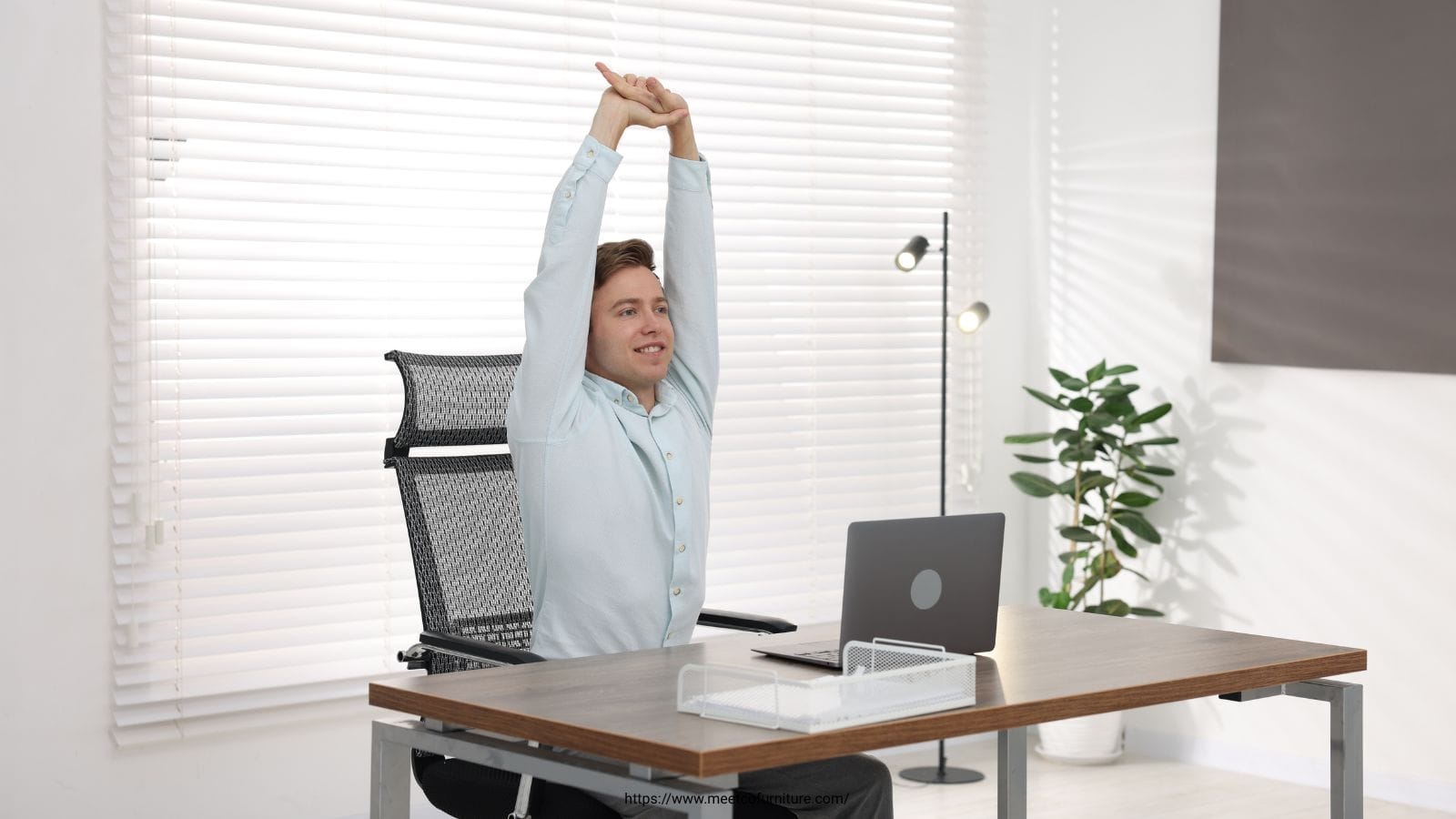
6. Seated Knee Raises
Targets: Lower abs, hip flexors
Sit upright with your feet flat on the floor. Place your hands on the sides of the chair for support. Keeping your back straight, lift your knees toward your chest as high as comfortable. Slowly lower them back down.
Why it’s great: A sneaky good ab exercise. Your lower core does real work to stabilize the movement.
Try: 12–15 repetitions.
7. Upper‑Body Twist
Targets: Upper back, obliques
Sit upright with your feet flat on the floor. Cross your arms and reach for your shoulders. Without moving your hips, turn your upper body to the left as far as comfortable. Hold for 5 seconds. Return to center, then repeat on the right side.
Why it’s great: Your spine needs to rotate. This movement keeps your upper back flexible and mobile.
Try: 5 times on each side.
8. Seated Rows
Targets: Back, biceps
Sit upright with your feet flat on the floor. Hold a resistance band (or two water bottles) with your arms extended in front of you. Pull your hands back toward your ribs, squeezing your shoulder blades together. Slowly return to the start.
Why it’s great: Strong back muscles = better posture. This exercise fights the “hunched over a keyboard” look.
Try: 10–15 repetitions.
9. Chair Dips
Targets: Triceps, shoulders
Sit on the edge of a sturdy chair. Place your hands on the seat beside your hips, fingers pointing forward. Scoot your hips off the front of the chair, supporting your weight with your arms. Lower your body straight down by bending your elbows, then press back up.
Note: If this feels too tough, keep your feet closer and don’t lower as far. Build up slowly.
Try: 8–12 repetitions.
10. Ankle Stretch
Targets: Ankle flexibility, circulation
Sit upright and hold the sides of the chair. Straighten your left leg with your foot off the floor. Point your toes away from you, then point them back toward you.
Why it’s great: Sitting for long periods can reduce circulation in your lower legs. This small movement wakes up your feet and ankles and helps keep blood flowing.
Try: 2 sets of 5 stretches with each foot.
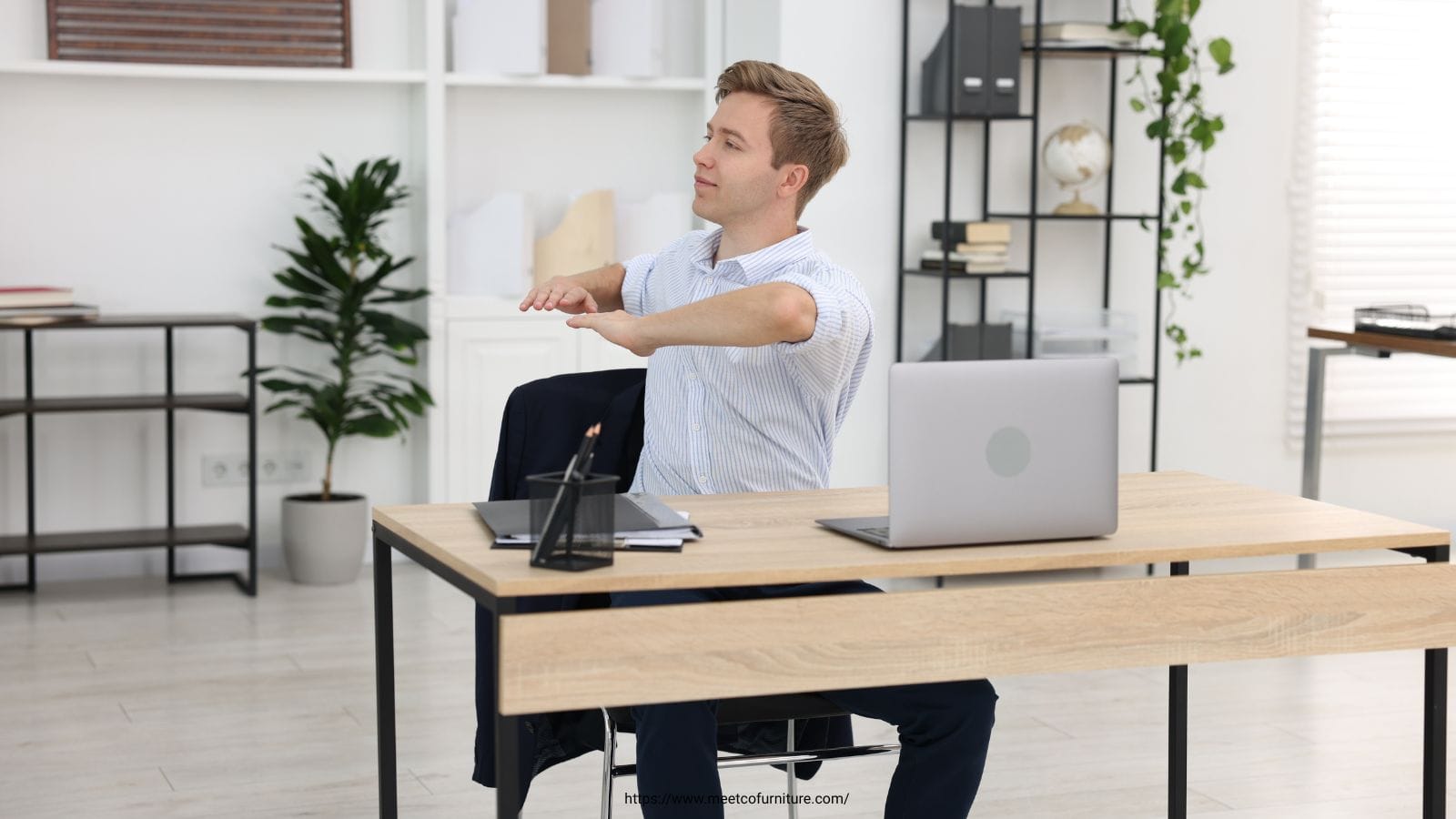
11. Neck Rotation
Targets: Neck mobility
Sit upright with your shoulders down and relaxed. Look straight ahead. Slowly turn your head toward your left shoulder as far as comfortable. Hold for 5 seconds. Return to center, then repeat on the right side.
Why it’s great: If you spend hours looking at screens, your neck and shoulders get stiff. This gentle rotation helps loosen things up.
Try: 3 rotations on each side.
Also see: Ergonomic Office Chairs for Neck and Shoulder Pain: The Ultimate Relief Guide
12. Seated Twist with a Core Hold
Targets: Overall core, spine mobility
Sit upright with your feet flat. Place your right hand on the outside of your left thigh. Place your left hand behind your head. Gently twist your torso to the left, using your right arm to deepen the stretch slightly. Hold for 2–3 deep breaths. Repeat on the other side.
Why it’s great: This works your entire core and gives your spine a gentle, intentional stretch. It’s a great way to end a seated workout.
Try: 3–5 slow rotations on each side.
A Simple Sample Routine
Don’t overcomplicate things. Here’s a beginner‑friendly routine you can do in about 10–15 minutes:
| Exercise | Repetitions |
| Chest Stretch | 5 holds |
| Chair Squats | 10–12 |
| Seated Shoulder Press | 10–12 |
| Seated Leg Lifts | 10 each leg |
| Incline Chair Push‑Ups | 8–10 |
| Neck Rotation | 3 each side |
| Upper‑Body Twist | 5 each side |
How often should you do this? Aim for at least twice a week to start. As you get stronger, you can increase frequency or add more repetitions.
Frequently Asked Questions (FAQ)
1. Are chair exercises good for men over 50?
Yes. Chair exercises are excellent for men over 50. They’re low‑impact, easy on the joints, and can help maintain muscle, improve mobility, and support heart health without straining your body. Plus, because they’re gentle, you’ll recover faster than after a heavy gym session.
2. Do chair workouts actually build muscle?
They can, especially if you add resistance. Bodyweight chair exercises will improve strength and endurance, particularly for beginners. For more muscle growth, add resistance bands, dumbbells, or water bottles to exercises like the seated shoulder press and seated rows. Even small amounts of resistance make a difference.
3. How many calories do chair exercises burn?
That depends on your weight, the intensity of the exercises, and how long you work out. A 30‑minute seated workout with moderate effort might burn 100–150 calories. That’s less than running, but the goal here isn’t just calorie burn — it’s building strength, improving mobility, and staying active in a sustainable way.
4. What kind of chair should I use?
A sturdy, stable chair without wheels is best. You should be able to sit with your feet flat on the floor and your knees bent at a roughly 90‑degree angle. Armless chairs work well for certain exercises, but you can adapt most movements to chairs with arms.
5. Can I do these exercises at my desk?
Definitely. That’s one of the best things about chair exercises. You can easily do seated leg lifts, upper‑body twists, chest stretches, and neck rotations right at your workstation. A few minutes of movement every hour makes a real difference in how you feel.
Final Thoughts
Exercise doesn’t have to be complicated. You don’t need a gym membership. You don’t need expensive equipment. And you don’t need hours of free time.
A simple chair is enough.
The twelve exercises in this guide can help you build strength, improve flexibility, and stay active — no matter where you are. Start with a few that look interesting. Do them a couple of times a week. Pay attention to how you feel. Then, as you get more comfortable, add more exercises or increase your repetitions.
Your body was meant to move. Even a few minutes a day makes a difference. And the best part? You can start right now. Right where you are.
Also see: Effective Chair Exercises for Women: Home & Office Guide 2026