





 Meet&Co
Conference rooms come in all shapes and sizes, serving everything from formal board reviews and strategy off-sites to daily team syncs and hybrid video calls. The seating inside those rooms needs to match the way you work—but with so many chair types on the market, knowing where to start can be overwhelming.
This guide breaks down the six main types of conference room chairs you’ll encounter in 2026, explains where each one performs best, and gives you a clear framework for making the right choice.
Why Conference Room Chair Types Matter More in 2026
The way we use meeting spaces has fundamentally changed. Hybrid work means the same room might host a virtual client presentation in the morning and an all-hands brainstorming session in the afternoon. Fixed layouts no longer work.
Steelcase research shows that posture shifts every 8–10 minutes when chairs lack dynamic support, which correlates directly with decreased attention and engagement. The Journal of Occupational Ergonomics found that chairs with armrest mobility improved participant focus by 18%, while adjustable lumbar support reduced fatigue in meetings lasting over 60 minutes.
In short: the right chair type keeps people alert, engaged, and comfortable—not fidgeting and rushing through decisions.
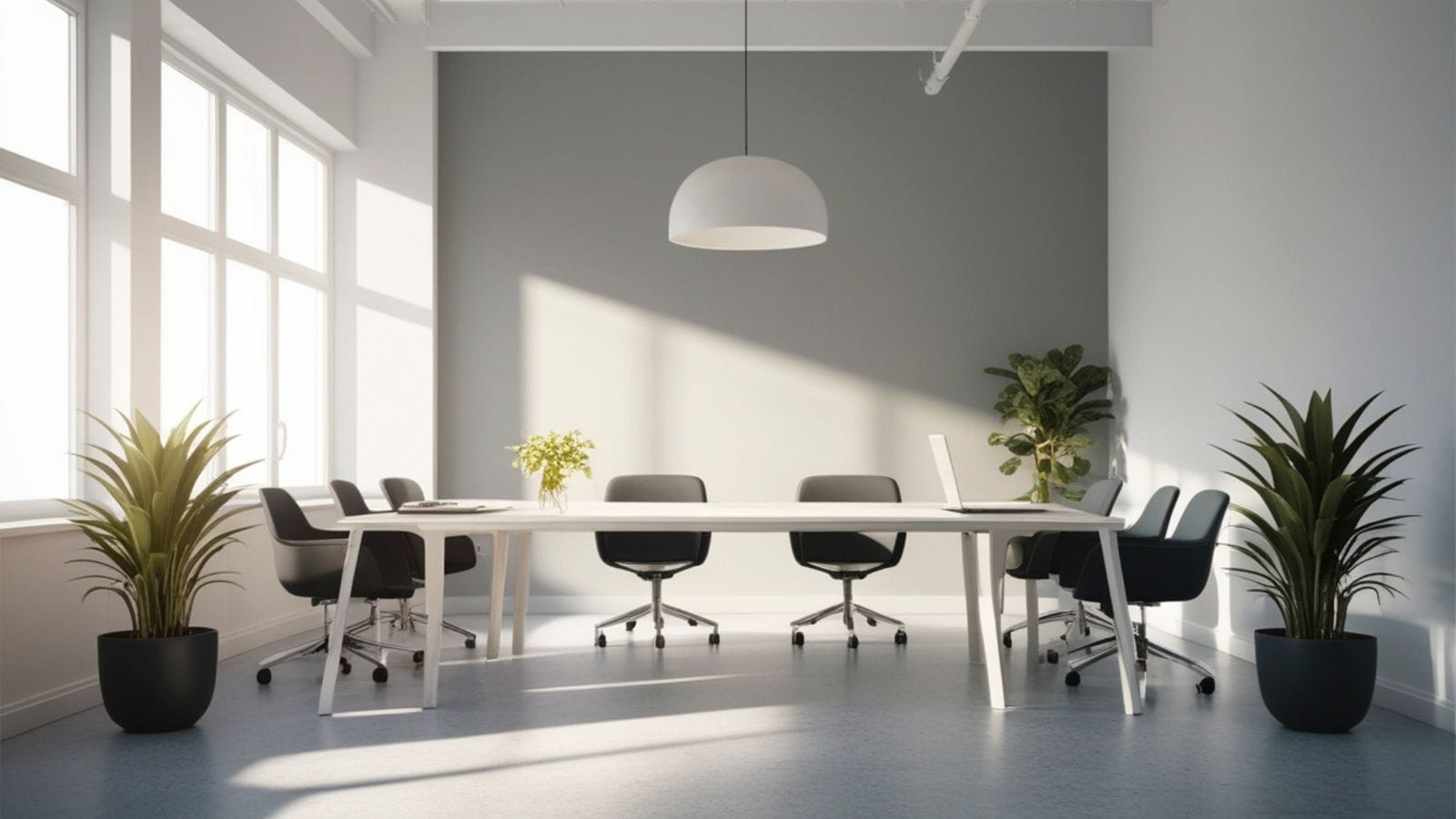
The Six Main Types of Conference Room Chairs
Each type serves a specific purpose. Choosing the wrong category for your room is the fastest way to waste money on seating that never quite works.
| Type | Best For | Key Features | Typical Meeting Duration |
|---|---|---|---|
| Task-style conference chairs | Longer strategy sessions, daily use | Full ergonomic adjustability, lumbar support, seat depth control | 2–8 hours |
| Executive conference chairs | Boardrooms, client-facing spaces | High-back design, premium materials, polished appearance | 2–4 hours |
| Weight-sensitive meeting chairs | Mixed-use rooms, shared spaces | Minimal controls, adaptive recline based on user weight | 1–3 hours |
| Cantilever sled-base chairs | Boardrooms, shorter meetings | Clean sightlines, stable base, limited recline | 30–90 minutes |
| Upholstered hybrid chairs | Design-conscious rooms | Tailored look, concealed mechanisms, breathable textiles | 1–4 hours |
| Multi-purpose stackable/nesting chairs | Training rooms, multi-use spaces | Space-saving storage, tablet arms, ganging | 1–8 hours |
1. Task-Style Conference Chairs
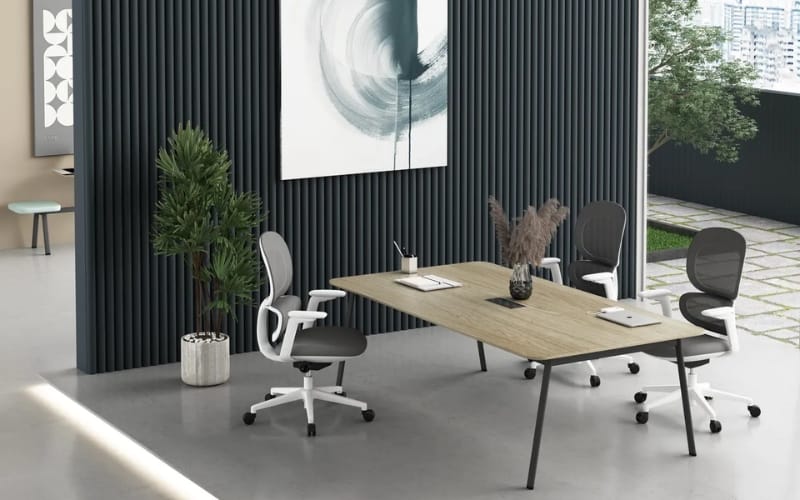
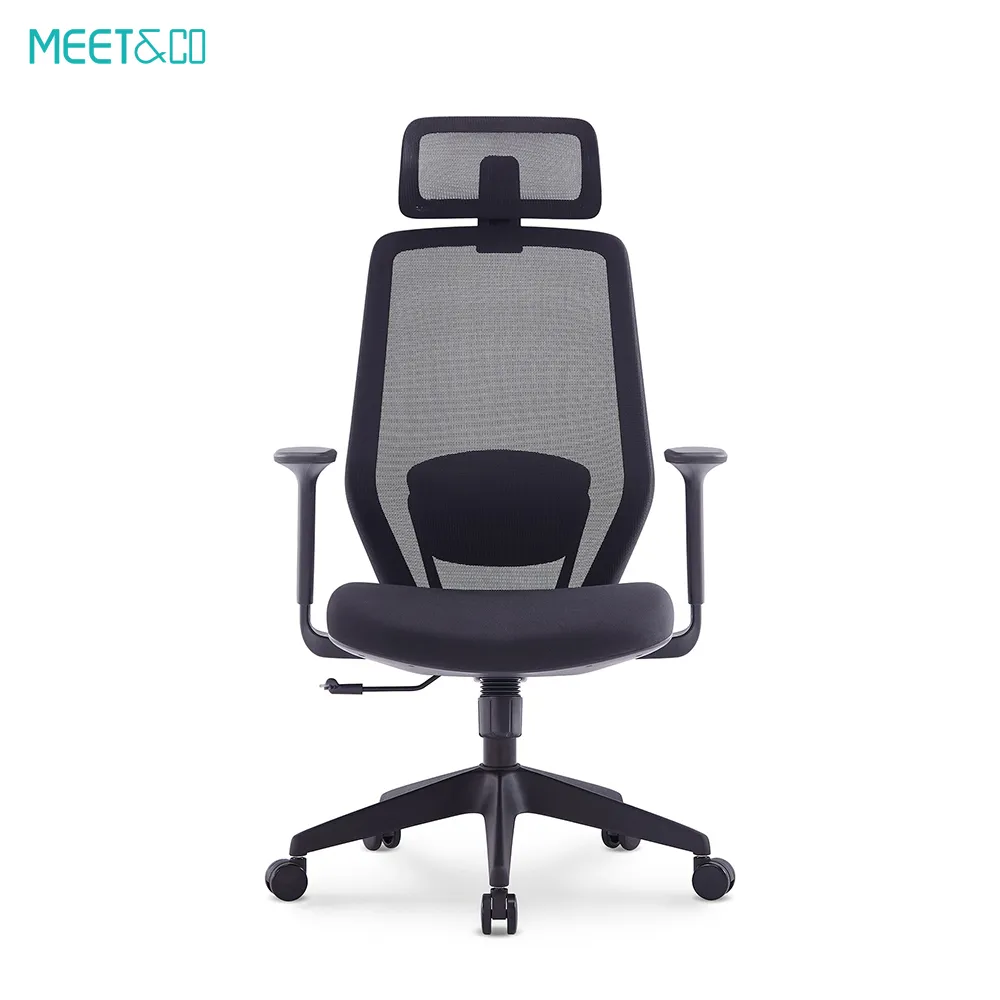
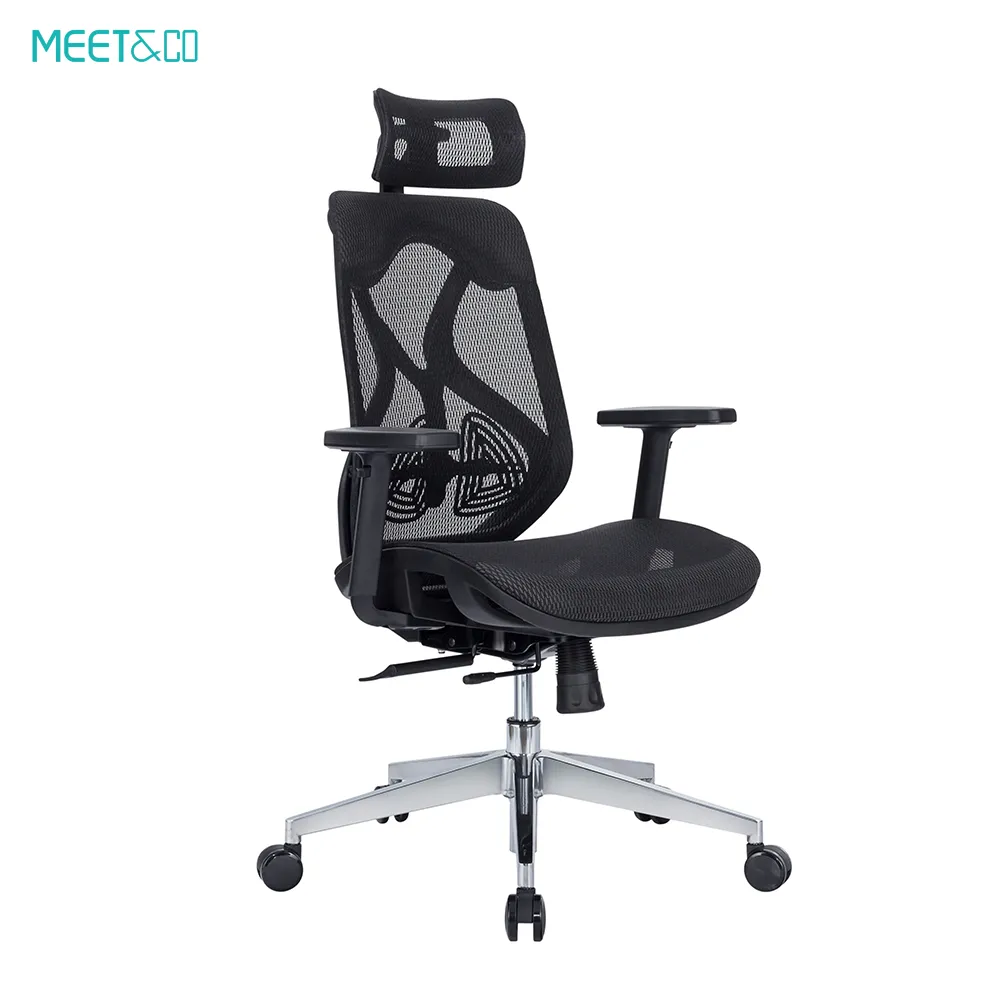
Task-style conference chairs borrow heavily from ergonomic office chairs but are optimized for meeting room use. They offer full adjustability—seat height, lumbar support, armrest positioning, and often seat depth—while maintaining a lower profile that fits neatly around a conference table.
Where they shine: Rooms where people sit for longer strategy sessions (2+ hours) and where multiple users of different body types share the same chairs.
Key features to look for:
-
Adjustable lumbar support (height and preferably depth)
-
Seat depth adjustment (typically 1–2 inches of travel)
-
Breathable mesh back to prevent heat buildup
-
Armrests that adjust vertically and pivot inward for typing
Example: The Steelcase ZILO offers 3-position back lock, back tension adjuster, seat depth adjustment, 3-way adjustable arms, and smooth lumbar adjustment—all at a sub-$500 price point. It’s designed for all-day seated support in conference and task settings.
Best for: Dedicated conference rooms used daily for 2–8 hour meetings; rooms where different teams rotate through; organizations that prioritize ergonomics.
2. Executive Conference Chairs
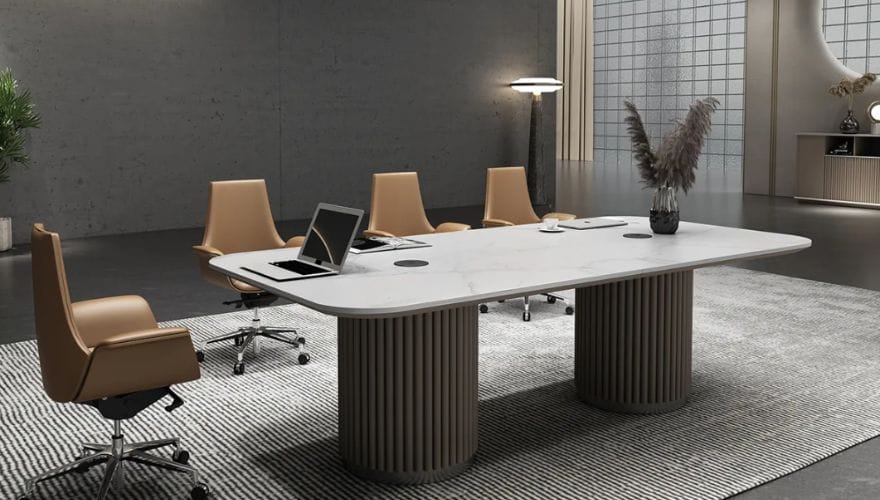
Executive conference chairs are the high-back, leather-upholstered pieces you’d expect in a formal boardroom. They prioritize appearance and comfort for shorter sessions, but typically lack the deep ergonomic adjustability of task chairs.
Where they shine: Boardrooms used for monthly or quarterly reviews, client presentations, and formal negotiations—where aesthetics and perceived prestige matter as much as comfort.
Key features to look for:
-
High-back design with headrest option
-
Premium upholstery (genuine leather or high-grade PU)
-
Polished metal or wood accents
-
Weight-activated recline with tension control
What to watch for: Many executive chairs use bonded leather that peels within 2–3 years. Look for genuine leather or high-performance vinyl with bleach-cleanable surfaces. Avoid fixed armrests that may not align with table height.
Best for: Formal boardrooms, executive offices, client-facing meeting spaces, and law firm conference rooms.
Also see: Executive Chairs vs. Task Chairs for Conference Rooms: Which Is Better?
3. Weight-Sensitive Swivel Meeting Chairs
These chairs have minimal visible controls but adapt automatically based on user weight. A weight-activated mechanism lets the chair recline with resistance calibrated to the person sitting in it—no levers, no training required.
Where they shine: Mixed-use rooms with frequent turnover (different people using the chairs daily) where you want ergonomic support without asking users to figure out complicated adjustments.
Key features to look for:
-
Weight-sensitive recline mechanism (automatically adjusts tension)
-
Swivel base for easy movement around the table
-
Mid-back design for good upper-back support
-
Low-profile arms that clear table aprons
Best for: Huddle rooms, collaboration spaces, and any conference room where chairs are shared across many different people each day.
4. Cantilever Sled-Base Chairs
Cantilever chairs have a continuous metal frame that forms the base in a sled-like curve. They’re visually quiet—no visible mechanisms, no bulky bases—and extremely stable.
Where they shine: Boardrooms and formal meeting rooms where a clean, uncluttered sightline around the table is important. Best for shorter meetings (under 90 minutes) due to limited recline.
Key features to look for:
-
Chrome or powder-coated steel sled base
-
Upholstered seat and back (often with waterfall seat edge)
-
No visible adjustment levers (clean appearance)
-
Optional casters or glides
Limitations: Limited recline and minimal adjustability make them unsuitable for all-day sessions. People over 6 feet tall may find the seat depth too short.
Best for: Boardrooms, visitor seating, and conference rooms used for meetings under 90 minutes where appearance matters more than ergonomic depth.
5. Upholstered Hybrid Chairs
Hybrid chairs combine the tailored appearance of executive seating with modern ergonomic features hidden beneath the upholstery. The mechanisms are concealed, so the chair looks clean and refined, but the support is there when you need it.
Where they shine: Design-conscious conference rooms where both aesthetics and comfort matter—think creative agencies, boutique hotels, and high-end corporate spaces.
Key features to look for:
-
Concealed tilt and recline mechanisms
-
Breathable textiles or perforated backs to prevent heat buildup
-
High-resilience foam with multi-density construction
-
Replaceable arm caps and casters for extended life
Best for: Design-forward offices, executive retreat centers, and conference rooms where the furniture is part of the brand expression.
6. Multi-Purpose Stackable and Nesting Chairs

Meet&Co Flip Top Nesting Training Table and Chairs
These chairs are designed for flexibility above all else. Stackable chairs go vertically on dollies; nesting chairs slide into each other front-to-back like shopping carts. Both types save massive amounts of floor space when not in use.
Where they shine: Training rooms, multi-purpose halls, conference centers, and any space that needs to switch between meeting mode and open-floor events.
Key features to look for:
-
Stacking: Chairs stack vertically; some designs stack up to 45 chairs on a trolley
-
Nesting: Chairs slide front-to-back; some nestable designs save up to 75% of storage space
-
Optional tablet arms (foldable or fixed)
-
Ganging connectors to link chairs into rows
-
Casters or glides depending on floor type
Notable example: The Keily ES 13 combines nestable and stackable functionality in one chair—it can be stacked up to 4 high as standard or 10 high on special order, and its flip seat allows nesting with 75% space savings. It includes a breathable mesh back, built-in recline, and optional A4 foldable tablet arm.
Another strong option is the Starr from Boss Design, a multi-purpose high-density stacking chair suitable for conferences, training, and dining areas. With a plastic seat and back, it stacks up to 45 chairs high on a trolley (16 on the floor without trolley), and is available with or without arms and optional writing tablets.
Best for: Training facilities, school auditoriums, corporate learning centers, and any multi-use venue that needs to clear the floor for events.
Also see: Mobile Conference Chairs: The 2026 Guide to Flexible, Space-Saving Seating
How to Match Chair Types to Your Conference Room
| Room Type | Primary Chair Type | Secondary/Backup |
|---|---|---|
| Executive boardroom | Executive conference or cantilever sled-base | Upholstered hybrid (for side seating) |
| Daily-use team room | Task-style conference chairs | Weight-sensitive meeting chairs |
| Hybrid meeting room | Task-style (for in-person attendees) + weight-sensitive (for flexible use) | N/A |
| Training / multi-purpose room | Multi-purpose stackable/nesting with tablet arms | N/A |
| Visitor / overflow seating | Cantilever sled-base or guest chairs | Stackable chairs for overflow |
Quick Reference: Key Features by Chair Type
| Type | Adjustable Lumbar | Seat Depth Adjustment | Breathable Mesh | Stackable/Nestable | Tablet Arm Option |
|---|---|---|---|---|---|
| Task-style conference | ✓ | ✓ | ✓ | No | No |
| Executive conference | Limited | Limited | No | No | No |
| Weight-sensitive meeting | Sometimes | No | Sometimes | No | No |
| Cantilever sled-base | No | No | No | No | No |
| Upholstered hybrid | Limited (concealed) | No | Sometimes | No | No |
| Multi-purpose stackable/nesting | No | No | ✓ | ✓ | ✓ |
Frequently Asked Questions
1. What is the difference between a task chair and a conference chair?
Task chairs are designed for 8+ hours of continuous use at a desk, with deep ergonomic adjustments (seat depth, 4D armrests, adjustable lumbar). Conference chairs prioritize appearance, stability around a table, and shorter-session comfort. However, in 2026, the line is blurring—many conference-specific chairs now include task-style ergonomics at a lower profile.
2. What is a weight-sensitive meeting chair?
A weight-sensitive meeting chair uses a mechanism that automatically adjusts recline resistance based on the user’s weight. There are no visible levers or knobs—you simply sit, and the chair calibrates itself. This is ideal for shared rooms where different people use the chairs daily.
3. What is a cantilever conference chair?
A cantilever chair has a continuous metal frame that curves from the backrest down to form the base (resembling a sled). There is no central mechanism or visible adjustment hardware, creating a clean, minimalist appearance. They are stable and visually quiet but offer limited ergonomic adjustability.
4. What are the best conference room chairs for hybrid meetings?
Task-style chairs with adjustable height and armrests work best for in-person attendees, allowing them to position themselves correctly for camera sightlines. Mesh backs look professional on video and keep users cool. Avoid chairs with high headrests that block rear cameras.
5. Which chair type is best for all-day training sessions (6–8 hours)?
Task-style conference chairs with full ergonomic adjustability (lumbar, seat depth, armrests) are the best choice for all-day sessions. For high-density storage between sessions, multi-purpose stackable/nesting chairs with tablet arms are the practical alternative, though they offer less ergonomic depth.
6. What is the most space-efficient conference chair type?
Nesting chairs are the most space-efficient because they slide front-to-back, storing up to 75% more chairs in the same floor depth compared to stacking. Nesting requires lower ceiling clearance than stacking. Stacking chairs are more efficient for storage closets with vertical space.
Wrapping Up
Choosing the right type of conference room chair comes down to three factors: how long people sit, how often the room is used, and how much storage space you have.
-
Task-style conference chairs deliver the best ergonomics for daily, long-session use.
-
Executive chairs prioritize appearance for formal boardrooms.
-
Weight-sensitive chairs are ideal for shared rooms with frequent turnover.
-
Cantilever chairs offer a clean, minimal look for shorter meetings.
-
Upholstered hybrid chairs balance design and comfort for creative spaces.
-
Multi-purpose stackable/nesting chairs maximize flexibility for training and multi-use rooms.
Match the chair type to the room’s primary function, and you’ll end up with seating that supports better meetings—not disrupts them.
Ready to choose the right conference chairs for your space? Contact our team for a free consultation and space planning support.