






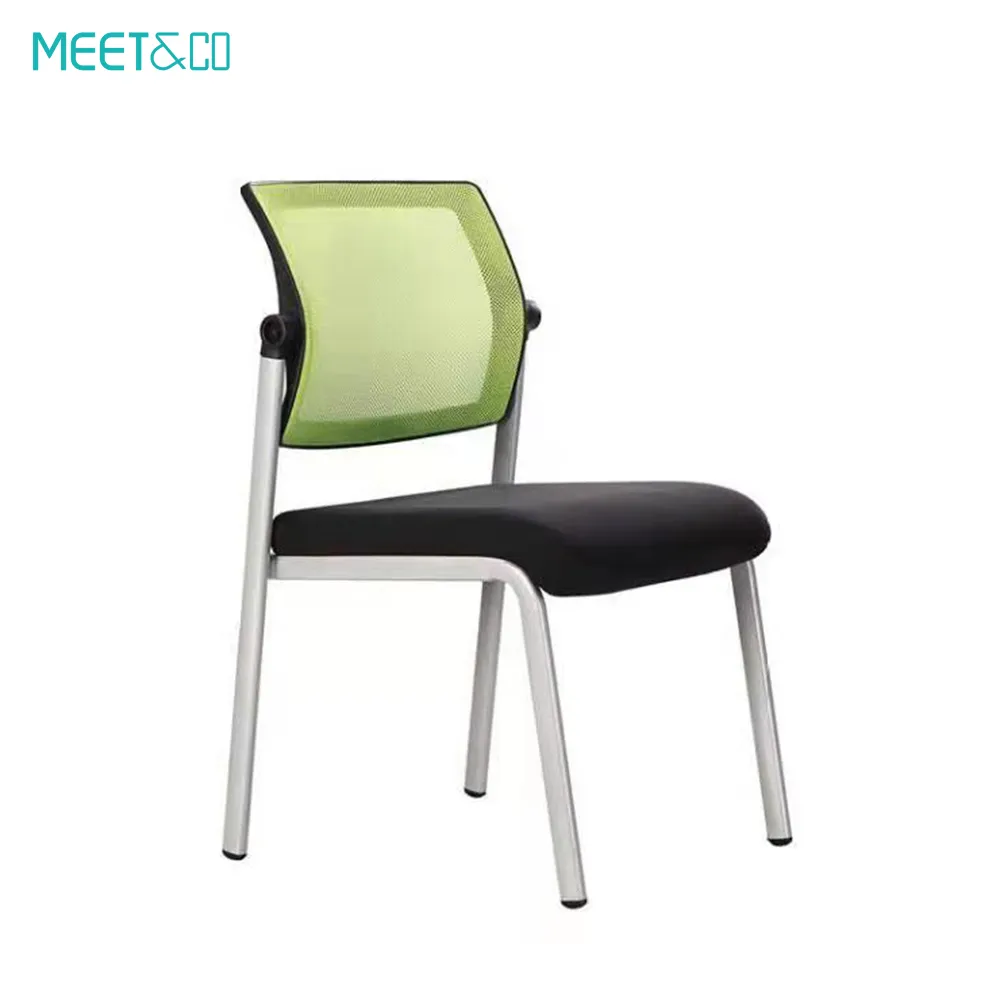
Black
Green
Meet&Co Stackable Training Chair
$1.00
Select options
This product has multiple variants. The options may be chosen on the product page
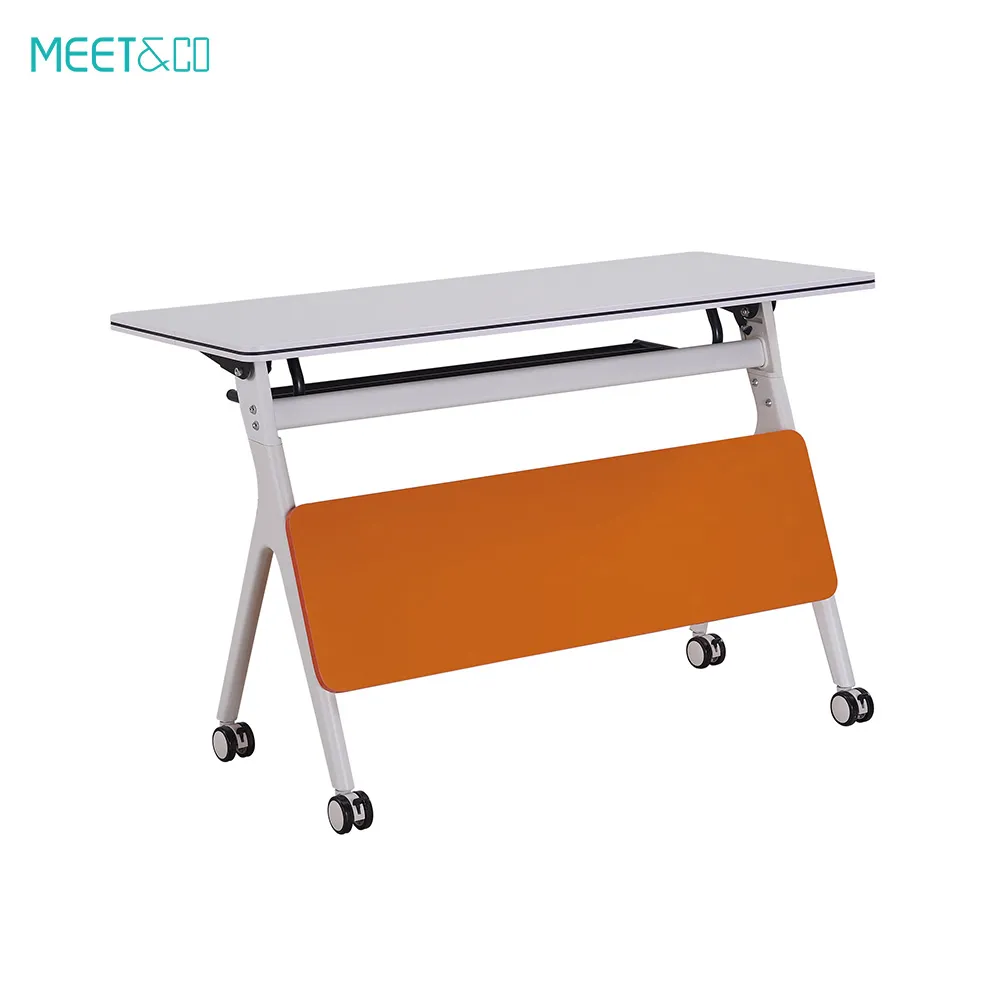
White
Meet&Co Mobile Flip Top Training Table
$1.00
Select options
This product has multiple variants. The options may be chosen on the product page

Blue
Green
Orange
Meet&Co Plastic Student Desk and Chair Set
$1.00
Select options
This product has multiple variants. The options may be chosen on the product page
Blue
Green
Yellow
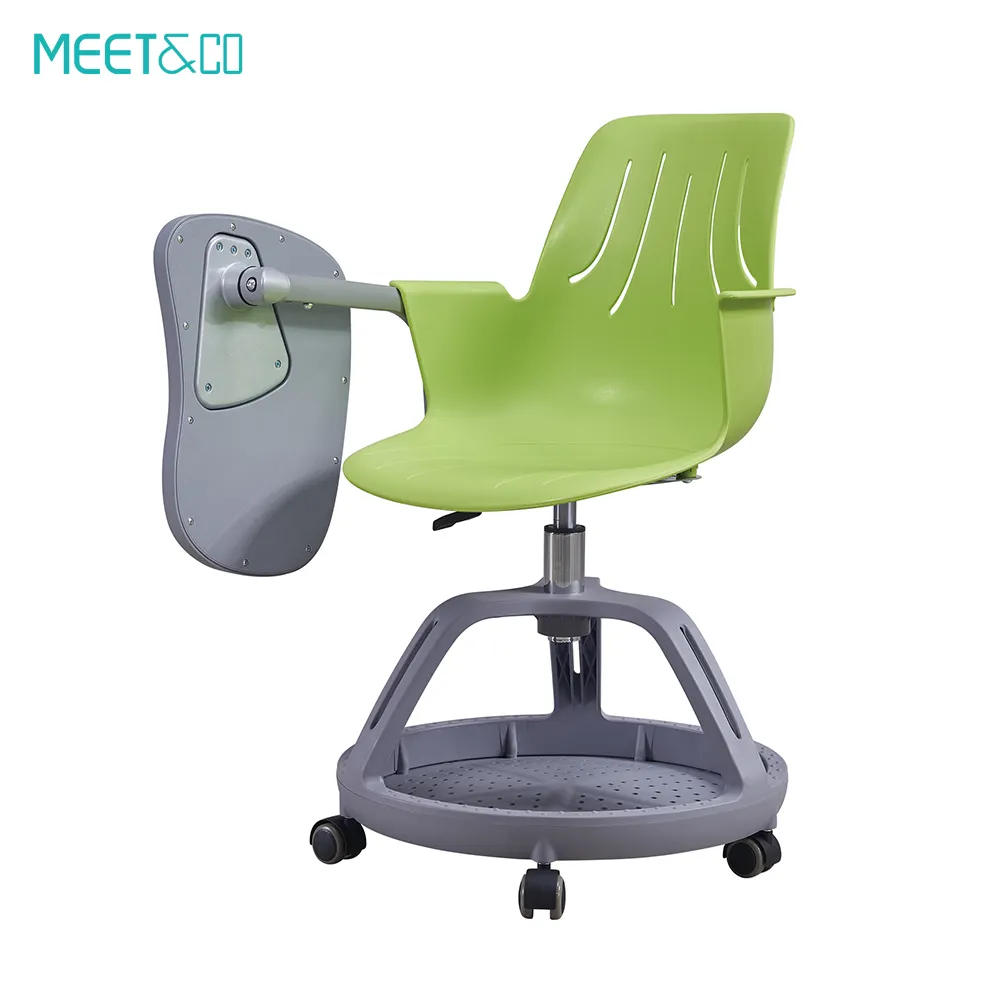
Meet&Co Movable Training Chair
$1.00
Select options
This product has multiple variants. The options may be chosen on the product page
Orange
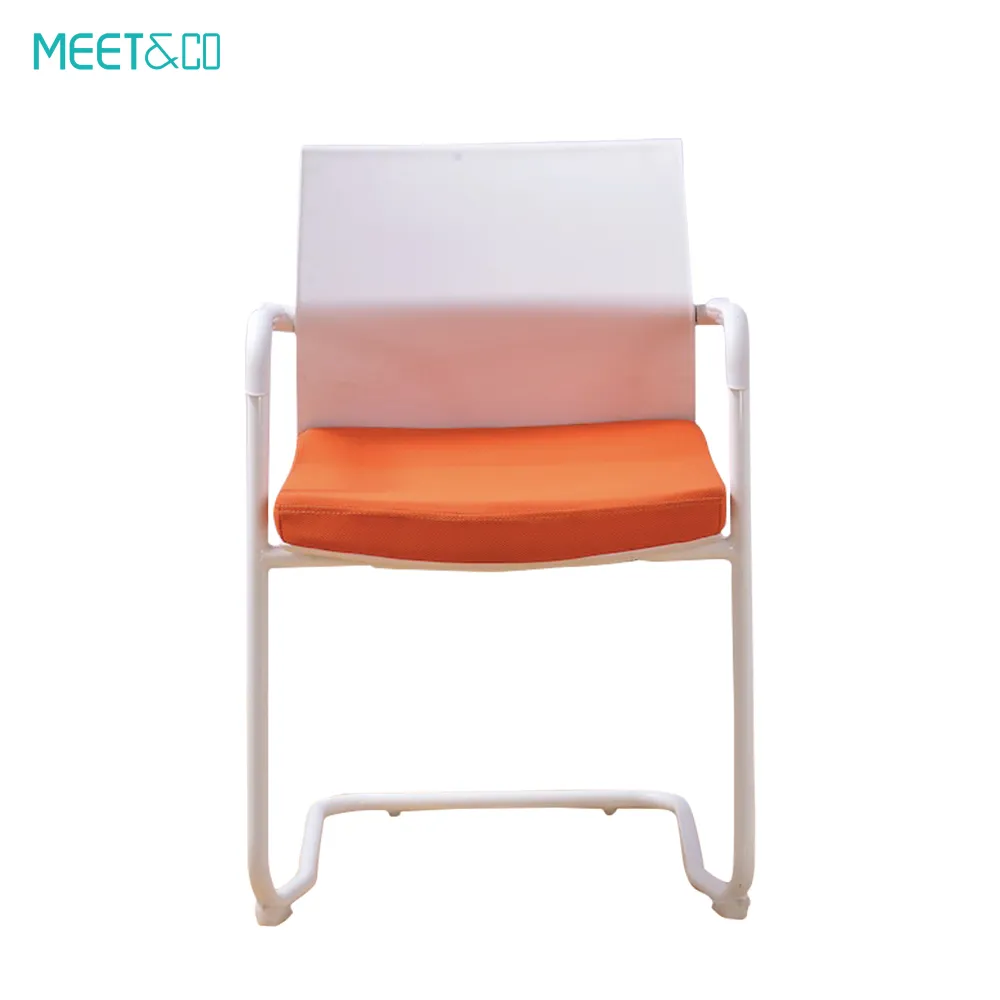
Meet&Co Training Chair without Wheels
$1.00
Select options
This product has multiple variants. The options may be chosen on the product page

White
Meet&Co Flip Top Nesting Training Table
$1.00
Select options
This product has multiple variants. The options may be chosen on the product page

White
Meet&Co Flip Top Training Table
$1.00
Select options
This product has multiple variants. The options may be chosen on the product page

Black
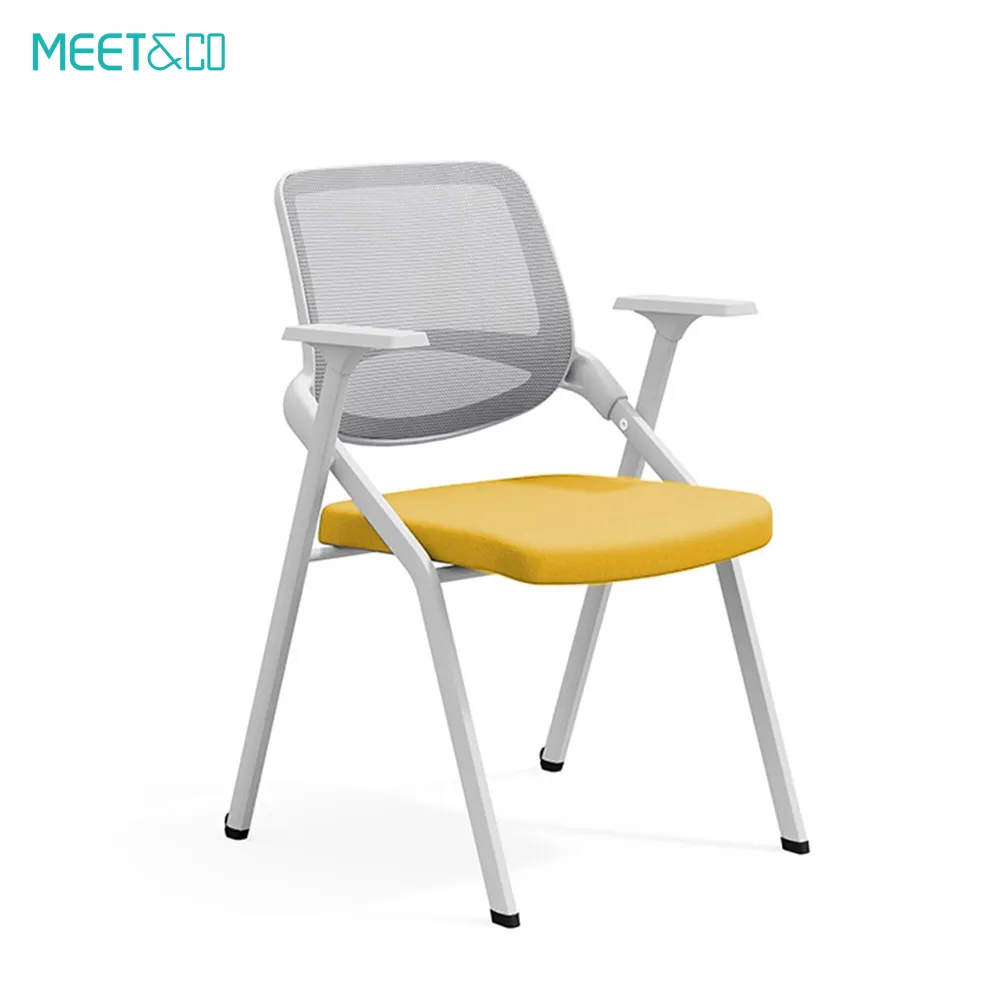
Meet&Co Mesh Back Nesting Chair
$1.00
Select options
This product has multiple variants. The options may be chosen on the product page
Black
Blue
Grey
Orange
Red
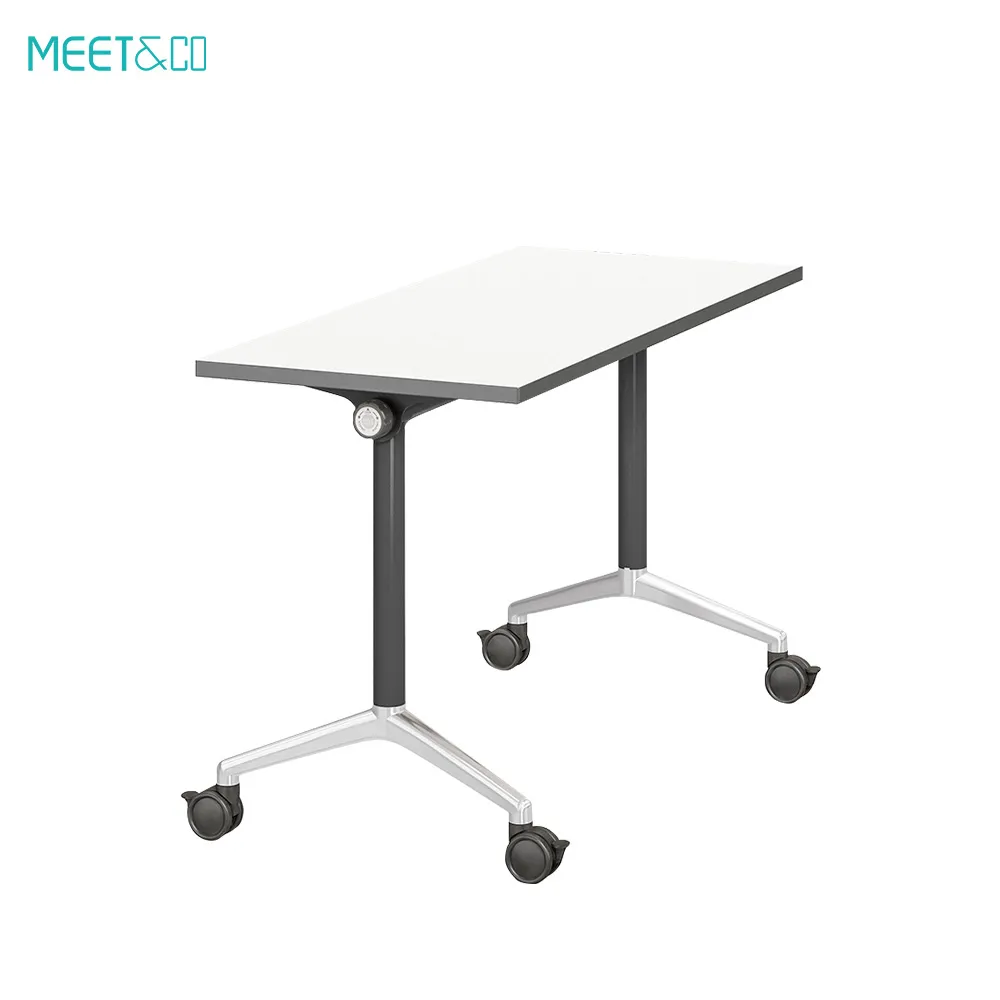
Meet&Co Mesh School Training Chair
$1.00
Select options
This product has multiple variants. The options may be chosen on the product page
White
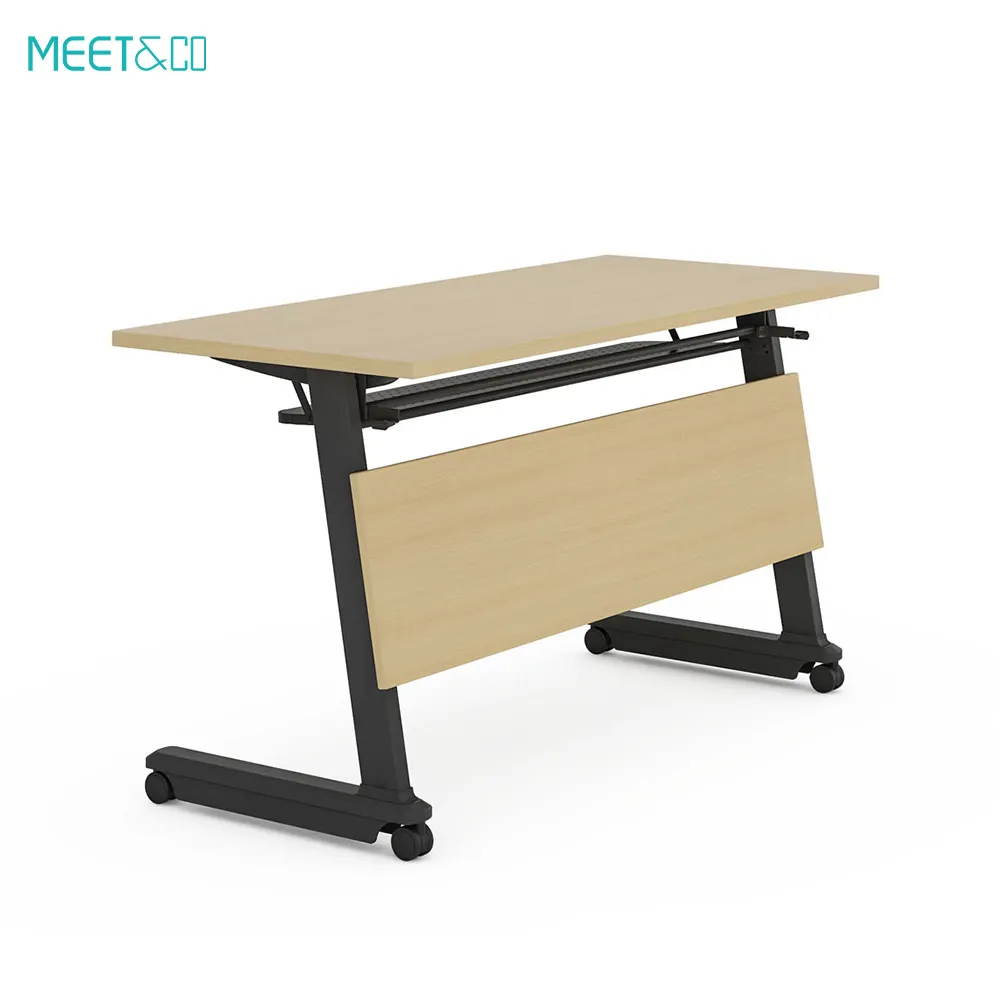
Meet&Co Mobile Foldable Training Table
$1.00
Select options
This product has multiple variants. The options may be chosen on the product page

Wood
Meet&Co Foldable Training Table
$1.00
Select options
This product has multiple variants. The options may be chosen on the product page
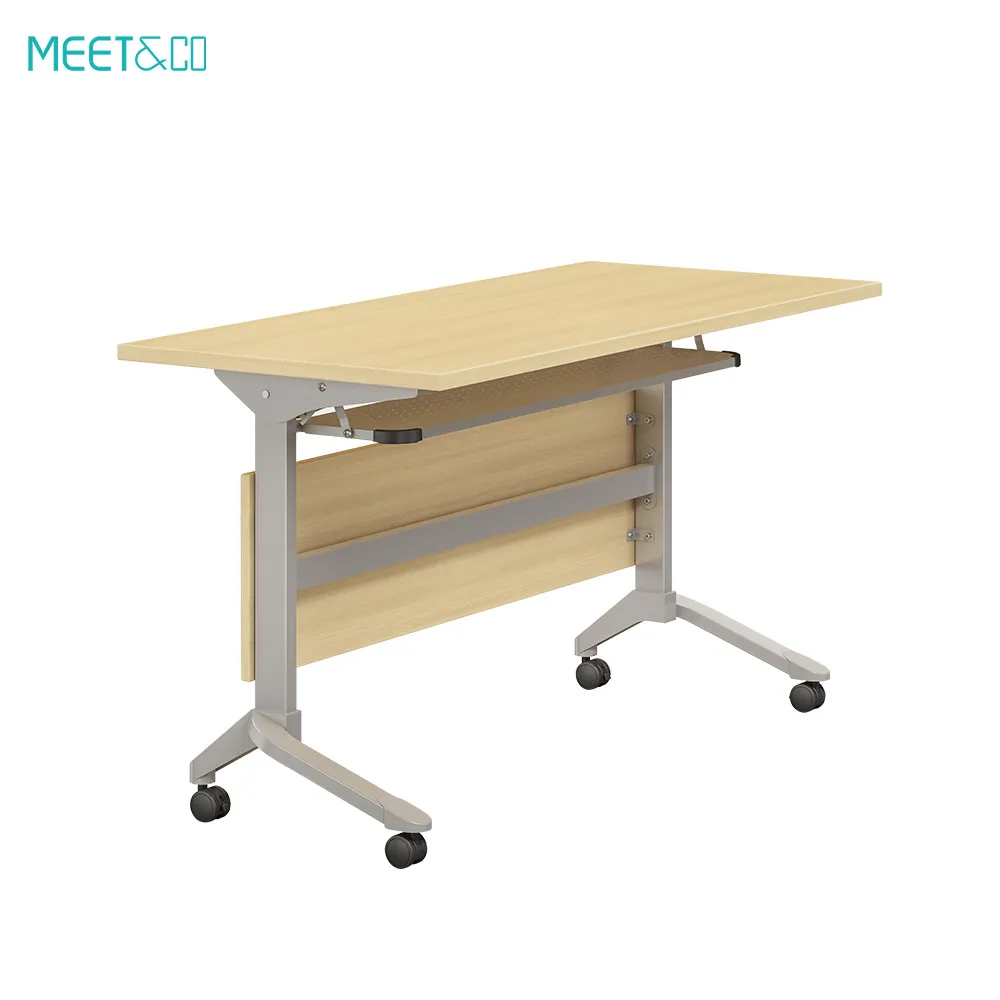
Wood
Meet&Co Modular Training Table with Wheels
$1.00
Select options
This product has multiple variants. The options may be chosen on the product page