





 Meet&Co
“You never get a second chance to make a first impression.”
This saying hits differently when you learn that 93% of visitors judge your entire business within seven seconds of walking through the door. Your waiting room furniture acts as your silent salesperson, working around the clock.
Those uncomfortable chairs tell potential clients you don’t care about their comfort. That outdated reception desk whispers that maybe your services haven’t evolved either.
Cramped seating forces strangers into an awkward proximity nobody wants. Bad furniture choices lose you business before anyone even shakes hands. People hold onto feelings about your space long after they forget the actual conversation.
Smart waiting room furniture choices flip this critical moment from weakness into strength. You can build environments that calm anxiety, project competence, and make people show up early just to enjoy the space.
Why Your Waiting Room Furniture Matters More Than You Think
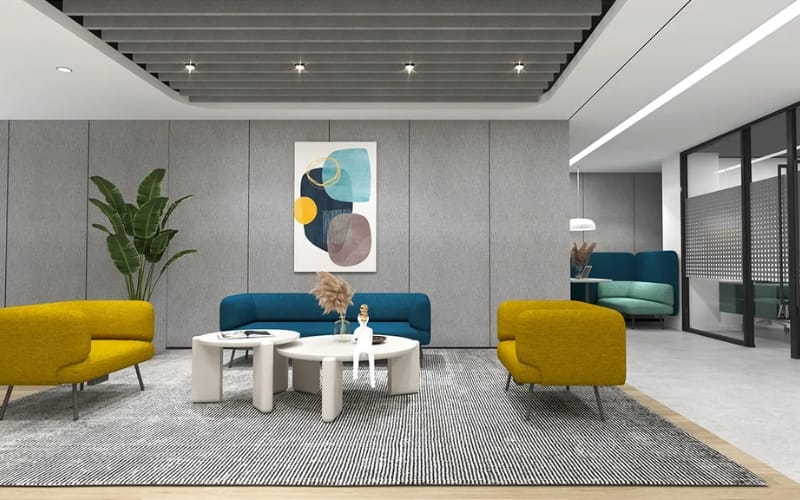
Walk into any thriving business and pay attention to how the reception area hits you. The furniture speaks volumes about company priorities before words enter the conversation.
How Furniture Shapes What Visitors Think:
- Cheap plastic chairs scream that you cut costs over customer comfort
- Well-designed seating shows you invested thought into the visitor experience
- Dated furniture makes people wonder if your methods lag, too
- Contemporary pieces signal that you keep pace with current standards
- Terrible seats multiply every waiting minute by three in people’s minds
- Quality materials prove you sweat the details others ignore
Think back to the waiting rooms you’ve experienced. That doctor’s office with ancient magazines and rock-hard seats still haunts your memory. You also remember that surprisingly nice business lounge where waiting felt almost pleasant. These memories stick around and influence whether you return or recommend places to others.
Key Considerations When Selecting Waiting Room Furniture
Choosing reception area furniture means juggling several balls simultaneously. Understanding these factors helps you spend money wisely.
Space Planning and Traffic Flow
Your waiting room layout ideas need to check ADA boxes from day one. You can’t let furniture create fire risks or accessibility barriers. Watch how people actually move through busy periods. Jams near doors or bathrooms frustrate everyone quickly.
Critical Space Requirements:
- Measure every inch of available square footage before you shop
- Give people 36 inches minimum in main walkways
- Count how many visitors typically wait during your busiest hours
- Built-in wheelchair turning radius of 60 inches
Durability for High Traffic Environments
Waiting room furniture takes relentless punishment from hundreds of bodies every week. Commercial construction quality matters exponentially more than residential pieces.
Durability Markers Worth Checking:
- Hardwood frames outlive particleboard by actual decades
- Metal bases handle abuse better than plastic ever will
- Commercial fabrics need a minimum of 30,000 double rub ratings
- Reinforced joints at stress points stop wobbling
Medical waiting room chairs face extra scrutiny around cleaning and infection control. Vinyl and polyurethane materials handle disinfectants better than fabric. Seamless construction eliminates hiding spots for bacteria. Pick materials that survive frequent scrubbing with hospital-grade chemicals.
Comfort for Extended Sitting
People routinely wait longer than anyone predicts in reception areas. Seats need real cushioning that stays comfortable for 30 to 45 minutes minimum.
Comfort Features That Actually Matter:
- Foam density needs to hit 1.8 pounds per cubic foot or higher
- Seat depths run 20 to 22 inches for average-sized adults
- Seat heights measure 17 to 19 inches from the floor
- Lumbar support curves match the natural lower back shape
Ergonomic design stops discomfort from building during extended sessions. Backs need support curves that mirror how spines naturally curve. Armrests become crucial for older visitors or anyone with mobility issues who struggle standing up.
Aesthetic Alignment with Brand Identity
Your reception area furniture ideas need to reinforce what your brand stands for visually and emotionally. Every furniture choice broadcasts messages about your organization.
Style Choices by Industry:
- Law firms: Traditional leather conveys stability and seriousness
- Tech startups: Colorful modular pieces suggest innovation and energy
- Medical practices: Calming hues and approachable designs ease patient stress
- Financial services: Polished wood and metal project trustworthiness and security
Budget Reality and Long-Term Value
Quality waiting room furniture demands a serious financial commitment. Understanding true costs prevents ugly surprises down the road.
Real Budget Numbers:
- Commercial-grade seating runs $200 to $800 per chair
- Sofas and lounge pieces cost $800 to $2,500 each
- Reception desk furniture spans $1,000 to $5,000+ based on customization
- Side tables and accessories cost $150 to $600 apiece
- Complete waiting room buildouts total $5,000 to $25,000+
Essential Furniture Types for a Functional Waiting Room

Yunsen Series B Reception Desk
Complete waiting areas need several furniture types working together smoothly. Each piece plays a specific role in the overall environment.
The Reception Desk
Reception desk furniture operates as mission control for your entire waiting area. This piece greets every visitor first and houses staff managing appointments, questions, and paperwork.
Pick materials that broadcast the right sophistication level for your field. Solid wood announces established permanence and traditional values. Your desk style needs to flow with the overall waiting room design ideas, creating visual harmony.
Soft Seating Options
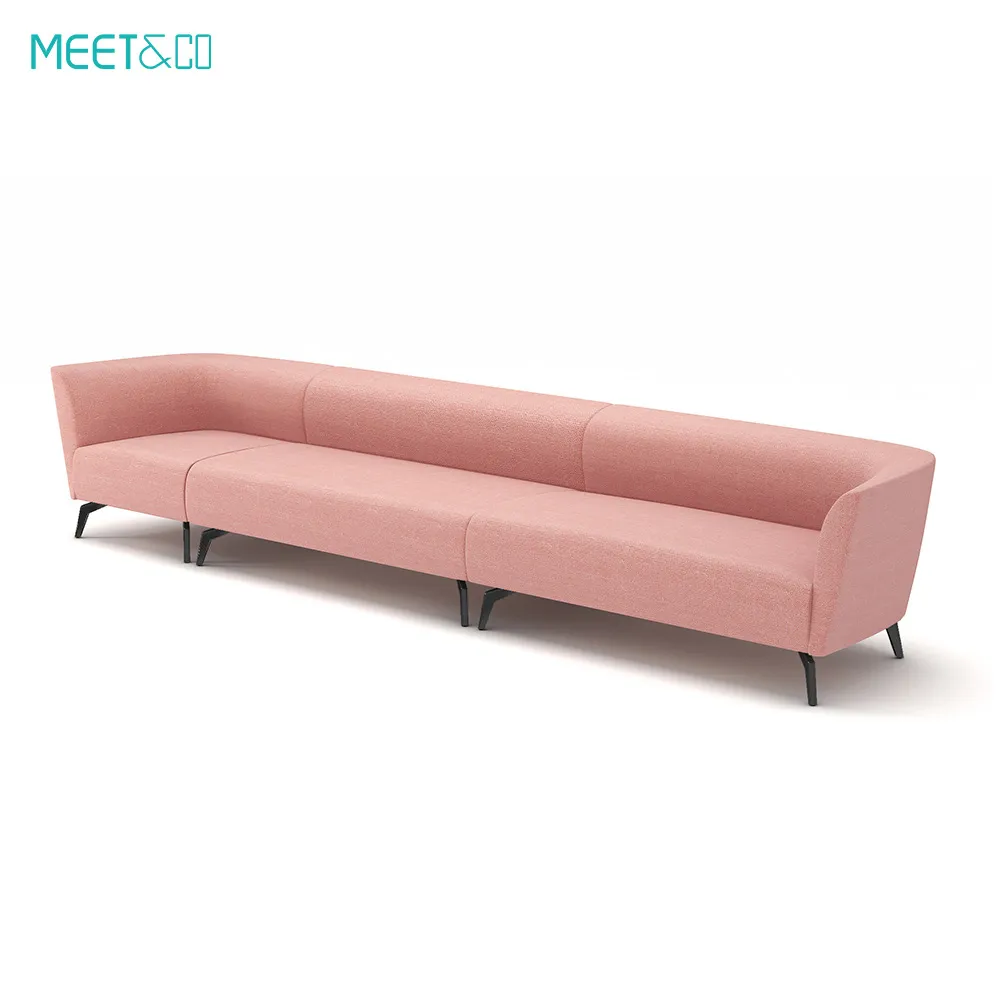
Sofas and lounge chairs deliver the most comfortable waiting room seating you can offer. These pieces handle longer waits far better than hard chairs ever could.
Modern waiting room seating increasingly uses modular parts that connect into various shapes. Individual seats link up, letting you create custom arrangements. You rearrange them seasonally or when traffic patterns change without buying all new furniture.
Side Chairs and Task Seating
Side chairs fill gaps around sofas and add seating capacity efficiently. These pieces typically cost way less than fully upholstered options.
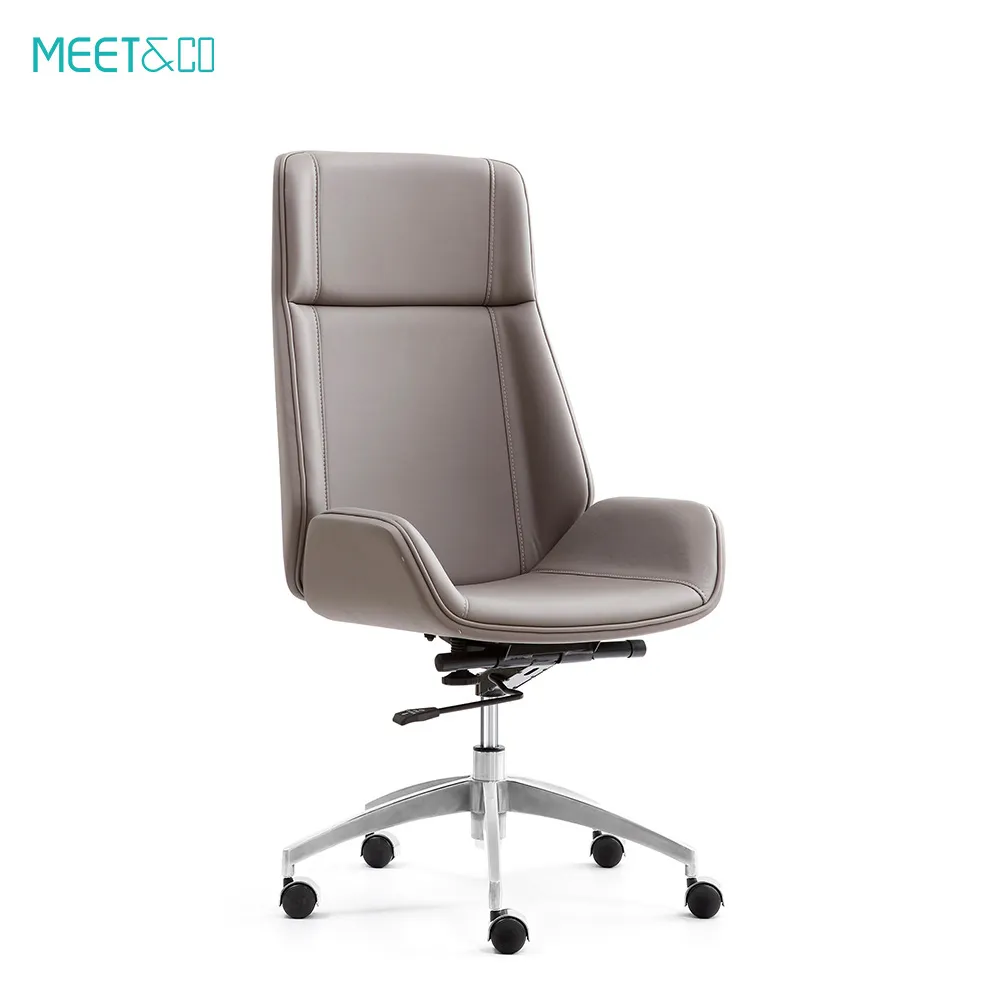
Office waiting room furniture often includes task chairs at workstations where visitors fill out paperwork. These chairs need real ergonomic features supporting extended sitting during form marathons.
Tables and Surfaces
Side tables placed strategically between seats give people convenient spots for phones, drinks, magazines, or bags.
Magazine racks or literature displays organize reading material,s stopping messy piles from forming. Wall-mounted versions save precious floor space. Freestanding racks need stable weighted bases to prevent tip-over accidents. Digital displays increasingly replace printed stuff in modern reception areas, cutting clutter.
Types of Waiting Room Seating Comparison
| Seating Type | Capacity | Comfort Level | Durability | Best For |
| Upholstered Sofa | 2 to 3 people | High | Medium to High | Professional offices, hotels |
| Lounge Chairs | 1 person | High | High | Executive offices, boutiques |
| Side Chairs | 1 person | Medium | High | General offices, clinics |
| Benches | 2 to 4 people | Low to Medium | Very High | High volume facilities |
| Modular Seating | Variable | Medium to High | High | Flexible spaces |
| Stools | 1 person | Low | High | Modern minimalist spaces |
What are the Best Design Strategies for a Modern Waiting Area
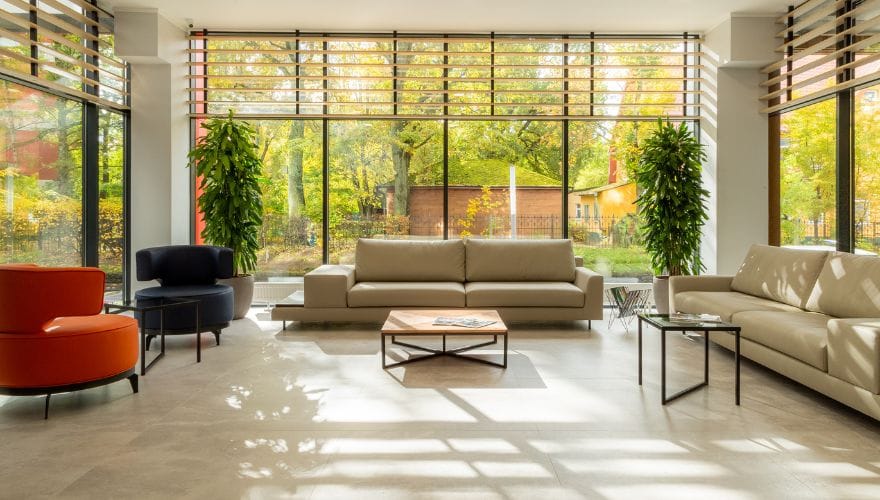
Creating welcoming reception spaces takes thoughtful design, extending way beyond just furniture purchases. These strategies enhance how visitors experience everything.
Create Distinct Zones Within the Space
Big waiting areas benefit hugely from being broken into several smaller zones instead of one giant open room. This makes spaces feel more intimate and manageable. People appreciate choosing where to sit based on mood and privacy preferences.
Zone Planning Moves:
- Group sofas and chairs conversationally for main seating
- Set up a separate check-in zone near the reception desk furniture
- Build a quiet corner with individual seats for privacy seekers
- Use furniture placement to mark zones naturally without walls
Incorporate Natural Elements
Plants dramatically lift waiting room vibes both visually and psychologically. Research consistently shows natural elements knock down stress and improve mood.
Smart Plant Integration:
- Large floor plants fill empty corners, adding height and drama
- Tabletop greenery on side tables brings surfaces alive
- Pick low-maintenance varieties like snake plants or pothos
- Make sure planters match your waiting room furniture design vibe
Natural materials in furniture create organic warmth that synthetic stuff can’t touch. Wood grain finishes feel inherently more welcoming than plastic laminates.
Optimize Lighting for Comfort
Natural daylight profoundly boosts mood and cuts eye strain. Position seating clusters near windows whenever floor plans allow. Hang sheer window treatments that soften brutal direct sunlight while keeping pleasant views. Skylights flood interior spaces lacking exterior windows with natural light.
Layered Lighting Strategy:
- Ditch harsh fluorescent overheads, creating institutional vibes
- Install ambient ceiling fixtures providing general light
- Add task lighting near reading spots for comfortable browsing
- Use accent lights to highlight art or architectural features
Top Trends in Waiting Room Furniture for 2026
Modern office reception furniture keeps evolving, responding to changing work patterns and visitor expectations. These trends dominate current design thinking.
Biophilic Design Integration
Biophilic design principles bring nature indoors through materials, colors, and living elements. Living walls create stunning focal points while cleaning the air. Natural wood furniture finishes feel inherently warmer than synthetic laminates. Stone and natural material accents ground spaces, connecting them to the earth.
Biophilic Elements Taking Over:
- Living walls or vertical gardens as dramatic focal points
- Natural wood furniture finishes over synthetic laminates
- Stone and natural material accents throughout spaces
- Organic curved shapes replacing rigid straight lines
Flexible Modular Configurations
Modular seating systems allow endless reconfiguration, matching shifting needs. Individual pieces connect, creating custom arrangements. Healthcare facilities particularly appreciate this flexibility as patient volumes and safety protocols shift. You modify layouts seasonally or for special events without purchasing entirely new furniture.
Modular Furniture Advantages:
- Individual pieces rearrange for different uses or events
- Scale seating capacity up or down, matching demand
- Create varied layouts, preventing visual boredom
- Replace single damaged pieces without buying complete sets
Wellness Focused Features
Wellness considerations influence every design decision in post-pandemic environments. Antimicrobial fabric treatments reduce surface bacteria transmission. Touchless technology minimizes contact points at reception interactions. Air purification systems visibly demonstrate health commitments.
Health Conscious Design Elements:
- Antimicrobial fabric treatments reduce germ transmission
- Touchless technology in reception interactions
- Air purification systems integrated into spaces
- Furniture materials free from harmful VOCs
Frequently Asked Questions
What spacing works best between waiting room chairs?
Allow 18 to 24 inches between chair centers for comfortable personal space. Main aisles need 36 inches minimum clearance for accessibility and traffic flow. Wheelchair accessible areas require a 60-inch turning radius.
How many seats does my waiting room actually need?
Calculate based on peak hour visitor volume plus 20% buffer capacity. Medical practices typically need one seat per appointment slot in a 30-minute window. Corporate reception areas need seats for scheduled meetings plus walk-in visitors.
What colors work best for waiting room furniture?
Neutral bases like gray, beige, or navy provide timeless foundations. Add calming blues or greens in healthcare settings. Warm earth tones create welcoming professional service environments. Accent colors through accessories allow easy updates.
How often should I replace waiting room furniture?
Commercial-grade furniture lasts 10 to 15 years with proper maintenance. Replace pieces showing visible wear, structural damage, or outdated appearance. Budget for phased replacement rather than complete overhauls.
What fabric performs best in high-traffic waiting rooms?
Commercial-grade polyester blends rated at 30,000+ double rubs offer excellent durability. Vinyl and polyurethane clean easily in medical settings. Performance fabrics with stain resistance treatments handle spills effectively.
Should waiting room chairs have arms?
Armrests help elderly visitors and people with mobility challenges stand more easily. Armless chairs fit more flexibly in tight spaces. Mix both types, accommodating different user needs and spatial constraints.
Conclusion
Your waiting room furniture shapes visitor perceptions more powerfully than any marketing material ever could. Those first seven seconds of impression determine whether people trust your professionalism and competence. Investing in quality, comfortable waiting room seating and thoughtful waiting room furniture design pays dividends through improved satisfaction, reduced anxiety, and stronger business relationships.
Ready to transform your reception area? Visit Meet&Co Furniture to explore commercial-grade waiting room solutions. Their extensive experience serving healthcare facilities, corporate offices, and professional services means you get furniture that meets your specific needs. Request consultations to discuss your space requirements, aesthetic preferences, and budget parameters.
_10-1.webp)
_17.webp)