






 Meet&Co
The way we work has changed forever. Hybrid schedules, distributed teams, and a renewed focus on well-being are reshaping the office—not just as a place to work, but as a destination people choose to visit. In 2026, office furniture is no longer about desks and chairs. It’s about creating environments that adapt, heal, connect, and inspire.
From AI-powered smart desks to mushroom-based biomaterials, the trends driving this year’s workplace transformations are bold, practical, and deeply human. This guide covers the six most important office furniture trends for 2026, with actionable insights for facility managers, designers, and business leaders.
Top 6 Trends at a Glance
| Trend | Core Idea | Key Action Items |
|---|---|---|
| 1. Modular & Agile | Space as a service; adapts in minutes | Modular desks, mobile partitions, universal connectors |
| 2. Biophilic & Wellness | Nature-infused spaces for health | Living walls, circadian lighting, ergonomic seating |
| 3. Smart & IoT Furniture | Furniture that senses and responds | AI posture coaching, occupancy sensors, adjustable desks |
| 4. Circular & Regenerative | From “less harm” to “positive impact” | Recycled materials, design for disassembly, mycelium composites |
| 5. New Aesthetics & Color | Emotional connection through design | Earth tones, textured surfaces, vintage-modern mixes |
| 6. Acoustic & Focus Zones | Quiet within open plans | Acoustic panels, phone booths, modular sound-absorbing seating |
Trend 1: Modular & Agile – The Interior That Reconfigures Itself
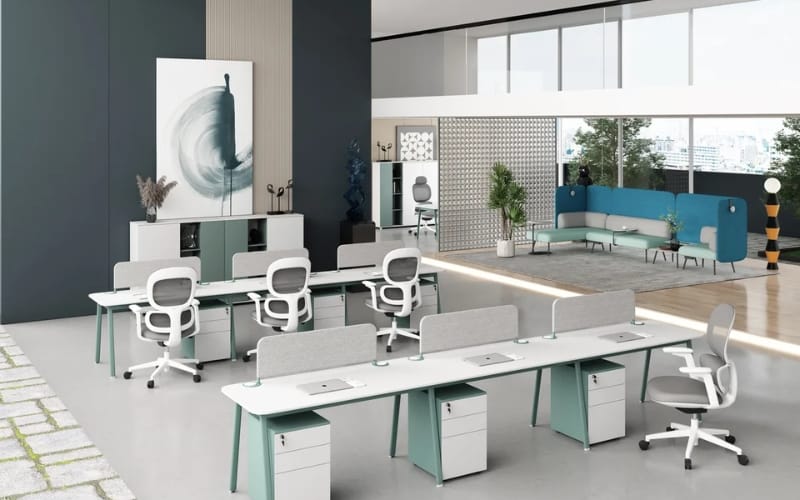
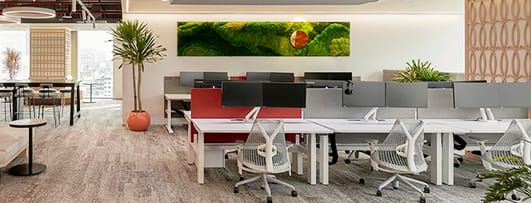
Linora Office Workstation Desk
Fixed floor plans are disappearing. In their place: modular furniture systems that can be rearranged in minutes to support solo work, team collaboration, town halls, or hybrid meetings.
Why now? Global office utilization rates still hover around 54%, meaning nearly half of all space is underused at any given time. Agile furniture allows organizations to shrink, expand, or repurpose zones without construction costs.
What to look for in 2026:
Modular seating systems (e.g., Meet&Co Caterpillar) that combine into sofas or separate into individual chairs
Height-adjustable desks on casters for easy relocation
Mobile whiteboards and partitions that double as room dividers
Universal connection hardware that works across brands
Trend 2: Biophilic & Wellness – Nature as a Co-Worker
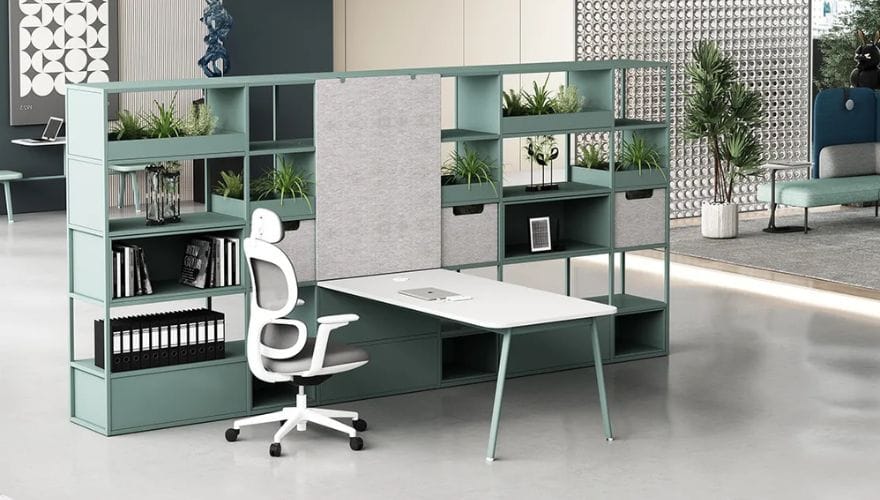
Biophilic design—connecting people with nature—has moved from trend to standard. In 2026, wellness-focused furniture addresses physical, mental, and emotional health.
Key elements:
Living walls and indoor planters that improve air quality and reduce stress
Circadian lighting systems that mimic natural daylight patterns
Ergonomic chairs with dynamic lumbar support that moves with you
Sit-stand desks with gentle reminders to change posture
The numbers don’t lie: studies show biophilic workspaces reduce stress by 40% and increase productivity by 15%. Employees in wellness-focused offices report 30% fewer sick days.
Product spotlight: The Steelcase Gesture chair adapts to any posture—whether you’re typing, swiping a tablet, or leaning back to think. Its 3D LiveBack technology follows your spine’s natural movement.
Action tip: Start small. Add three large potted plants to a meeting room, then measure team feedback. Expand to living walls or green partitions over time.
Trend 3: Smart & IoT Furniture – The Office That Thinks
Furniture is getting a brain. In 2026, smart desks, chairs, and pods use sensors and AI to improve comfort, efficiency, and space utilization.
What’s new:
Smart desks that track sitting vs. standing time and suggest posture corrections
Occupancy sensors integrated into lounge seating, feeding real-time data to room booking systems
AI-powered chairs (debuted at CES 2026) that learn your preferred settings and adjust automatically
Voice-controlled height adjustment for accessible workstations
Example: The Herman Miller Aeron with posture-fit SL and optional sensor package can detect when you’ve been slouching for too long and send a gentle notification to your phone.
Why it matters: For hybrid teams, smart furniture helps facilities managers understand which areas are actually used—so they can right-size spaces and reduce real estate costs.
Trend 4: Circular & Regenerative Materials – Beyond Recycling
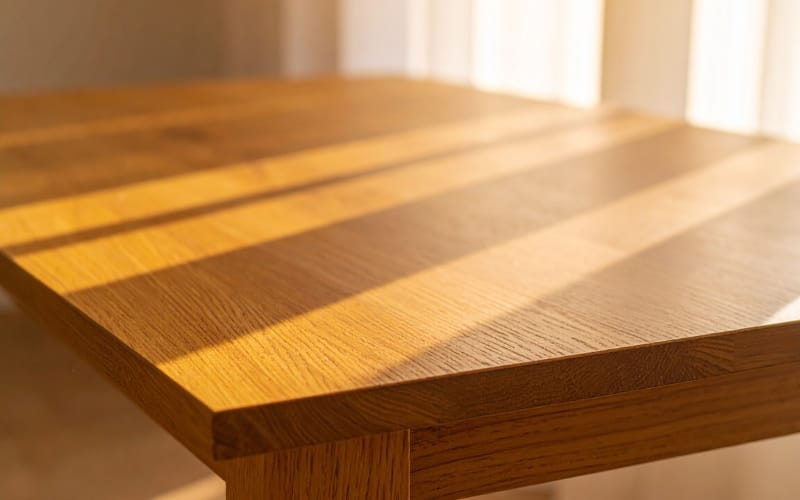
Sustainability in 2026 is no longer just about using recycled plastic. The new frontier is regenerative design—furniture that gives back to the environment.
Materials gaining traction:
Post-consumer recycled plastics (ocean waste, discarded appliances)
Fast-growing bamboo and FSC-certified wood
Mycelium composites – grown from mushroom roots and agricultural waste, fully biodegradable
Recycled aluminum and steel with near-zero virgin mining
Circular design principles:
Design for disassembly – furniture that can be taken apart for repair, upgrade, or recycling
Low-VOC finishes – no off-gassing; safe for indoor air
Take-back programs – manufacturers that repurpose old furniture into new products
Look for certifications: BIFMA LEVEL, GREENGUARD Gold, Cradle to Cradle.
Action tip: When sourcing, ask suppliers: “Can this product be repaired? Can I buy replacement cushions or casters? What happens at end of life?” The answers reveal true circular commitment.
Trend 5: New Aesthetics & Color – Emotional Connection Through Design
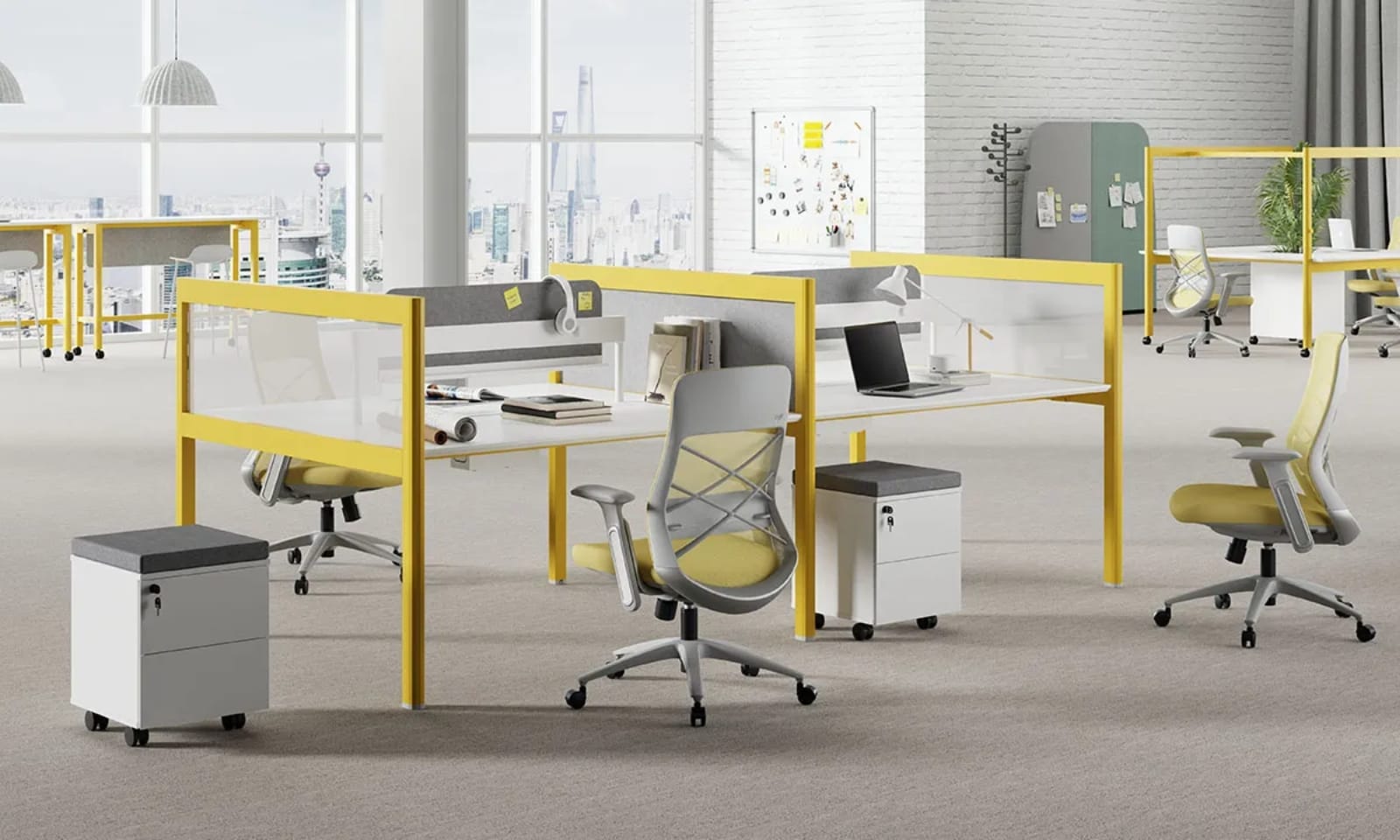
The gray, beige, and black office is over. In 2026, workplaces use color and texture to express brand personality and support emotional well-being.
Color palettes:
Biophilic earth tones: Moss green, terracotta, sand, clay, ocean blue
Warm neutrals: Natural wood, stone, rattan, cork
Strategic brights: Accent colors used sparingly for wayfinding or energy zones
Texture trends:
Fluted wood and ribbed metal add depth to panels and desks
Bouclé and high-pile fabrics for soft, residential comfort
Matte finishes over glossy to reduce glare and create calm
Mixing old and new: Vintage-inspired shapes (rounded edges, tapered legs) combined with modern materials (mesh, recycled plastic) create timeless, approachable spaces.
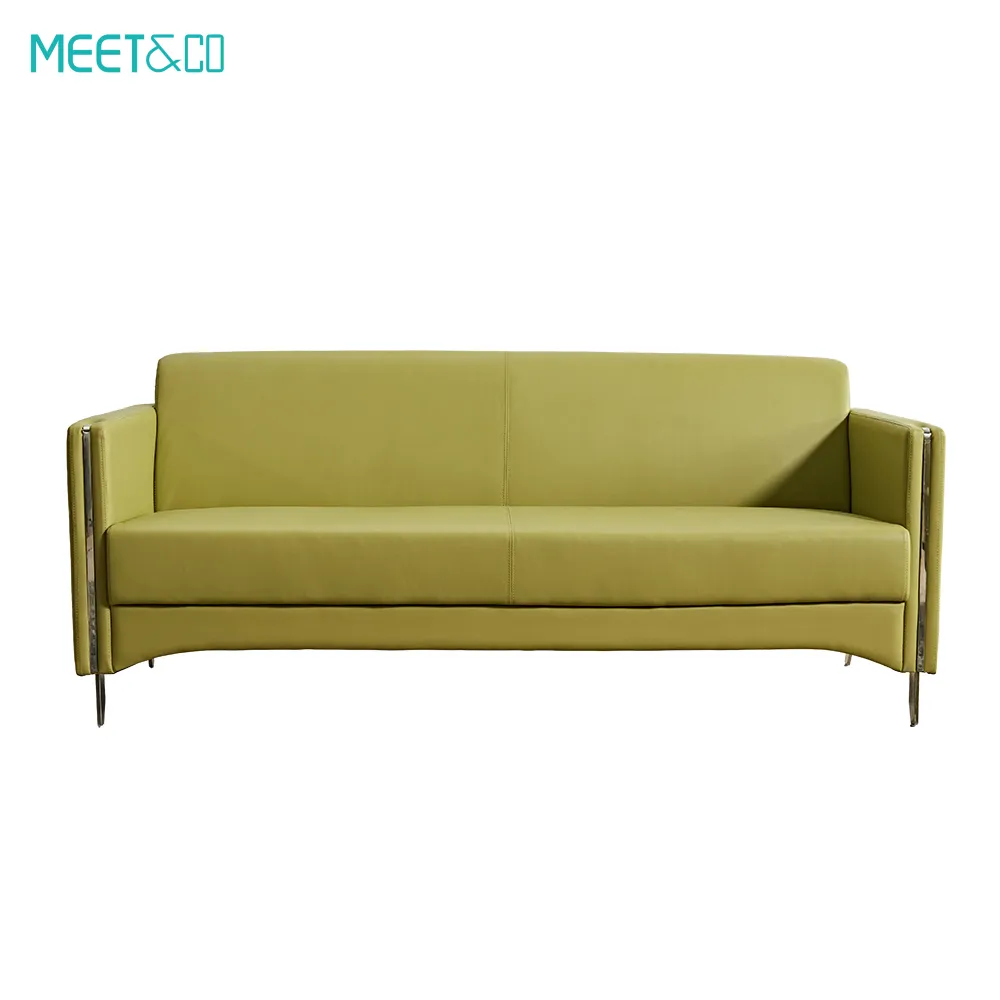
Example: The Meet&Co Enjoy Low Back Sofa comes in dozens of colors—from calming sage green to warm rust orange—allowing you to zone your lobby by mood.
Trend 6: Acoustic & Focus Zones – Quiet Within the Open Plan
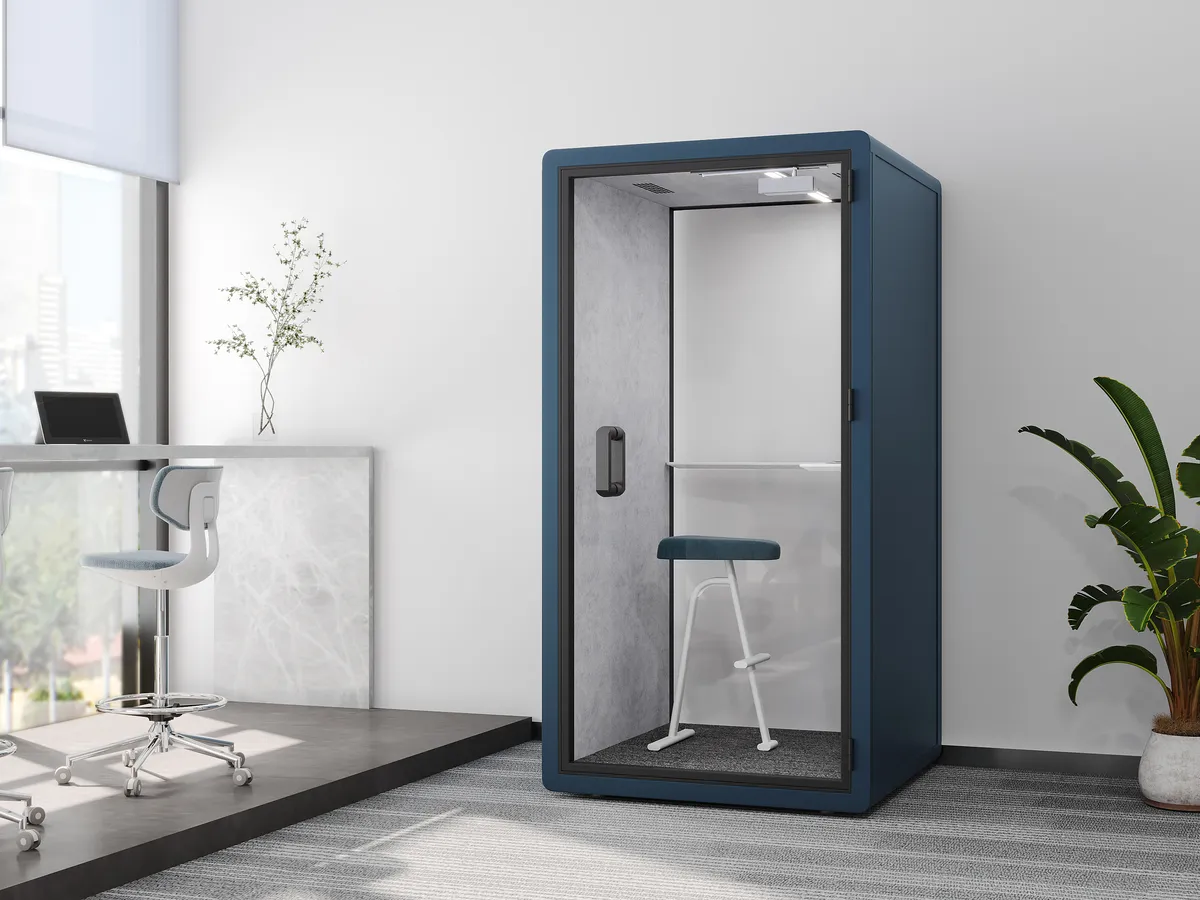
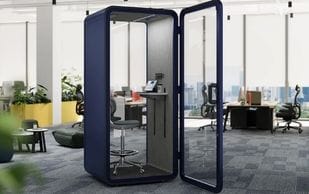
Meet&Co Office Pod Series A
Open offices are here to stay, but so is the need for quiet. Acoustic solutions in 2026 are more effective, more beautiful, and more integrated than ever.
Solutions to consider:
Modular acoustic panels – fabric-wrapped, felt-backed panels that attach to walls, ceilings, or desks
Phone booths and office pods – fully enclosed, ventilated, and powered spaces for private calls or deep work
High-back lounge seating – chairs and sofas with tall, sound-absorbing backs that create visual and acoustic privacy
Acoustic partitions – freestanding screens on casters that can be repositioned as needed
Product spotlight: The Meet&Co Office Pod Series D reduces noise by 28 dB, has silent ventilation, and assembles in under an hour. It’s the ultimate focus zone for open plans.
Action tip: Map your office’s noise hotspots. Place acoustic panels at printer stations, break areas, and high-traffic corridors. Add one phone booth per 20–30 employees to reduce distracting personal calls.
Comparison: Which Trends Fit Your Workplace?
| Workplace Type | Top 3 Trends to Prioritize |
|---|---|
| Corporate HQ (large, open plan) | Acoustic zones, modular agility, biophilic wellness |
| Startup / creative agency | New aesthetics, modular seating, smart desks |
| Law firm / finance (client-facing) | Acoustic privacy, circular materials, premium ergonomics |
| Hybrid-first / distributed team | Smart furniture (occupancy data), modular agility, phone booths |
| Healthcare / wellness practice | Biophilic design, circular materials, easy-clean surfaces |
Frequently Asked Questions about Top Office Furniture Trends
1. Which 2026 trend is most important for employee well-being?
Biophilic and wellness design has the strongest direct impact on mental and physical health. Natural light, plants, and ergonomic seating reduce stress, improve mood, and lower sick days. Start here if you can only invest in one trend.
2. Are smart desks worth the extra cost?
For teams that track productivity or have employees with chronic back issues, yes. Smart desks provide data and gentle reminders that help users form healthier habits. For general use, a standard sit-stand desk with manual adjustment may be sufficient.
3. How do I know if a material is truly sustainable?
Look for third-party certifications (GREENGUARD, BIFMA LEVEL, Cradle to Cradle). Ask suppliers for material safety data sheets and supply chain transparency reports. Avoid vague claims like “eco-friendly” without evidence.
4. What’s the difference between modular and traditional furniture?
Traditional furniture is fixed—a 3-seat sofa stays a 3-seat sofa. Modular furniture consists of individual units that can be rearranged, separated, or combined. Modular systems cost more upfront but offer lower total cost of ownership because you replace only damaged modules, not entire pieces.
5. How many acoustic panels do I need in a typical open office?
A general rule: cover 20–30% of ceiling or wall surface in the noisiest zones (printer areas, break zones, high-traffic corridors). Start with panels placed directly above and around noise sources, then add more if needed.
6. Can I combine multiple trends in one space?
Absolutely. The best workplaces layer trends: a biophilic living wall with integrated acoustic panels, modular seating in earth tones, and a smart desk with posture coaching—all in one zone. The key is intentional integration, not random addition.
Conclusion
The office of 2026 is not a static place. It’s a living ecosystem that adapts to people, supports health, respects the planet, and delights the senses. Whether you’re planning a full renovation or a phased refresh, these six trends offer a roadmap:
Modular & Agile – For spaces that change with your team.
Biophilic & Wellness – For people who need to feel their best.
Smart & IoT – For data-driven decisions and personalized comfort.
Circular & Regenerative – For a future we can be proud of.
New Aesthetics & Color – For brand expression and emotional connection.
Acoustic & Focus – For quiet within the open plan.
Start with one trend that addresses your biggest pain point. Test. Learn. Then layer in others. The result will be an office that doesn’t just house work—it elevates it.
Ready to bring 2026 trends into your workplace? Explore our collection of modular seating, office pods, smart desks, and biophilic solutions. Contact us for a free workplace consultation.

_10-1.webp)


