






White
Meet&Co Tablet Arm Nesting Chair
$1.00
Select options
This product has multiple variants. The options may be chosen on the product page
_16.webp)
Olive Green
Pink
Linora Bar Chair
$1.00
Select options
This product has multiple variants. The options may be chosen on the product page

Black
Meet&Co Mesh Conference Chair
$1.00
Select options
This product has multiple variants. The options may be chosen on the product page
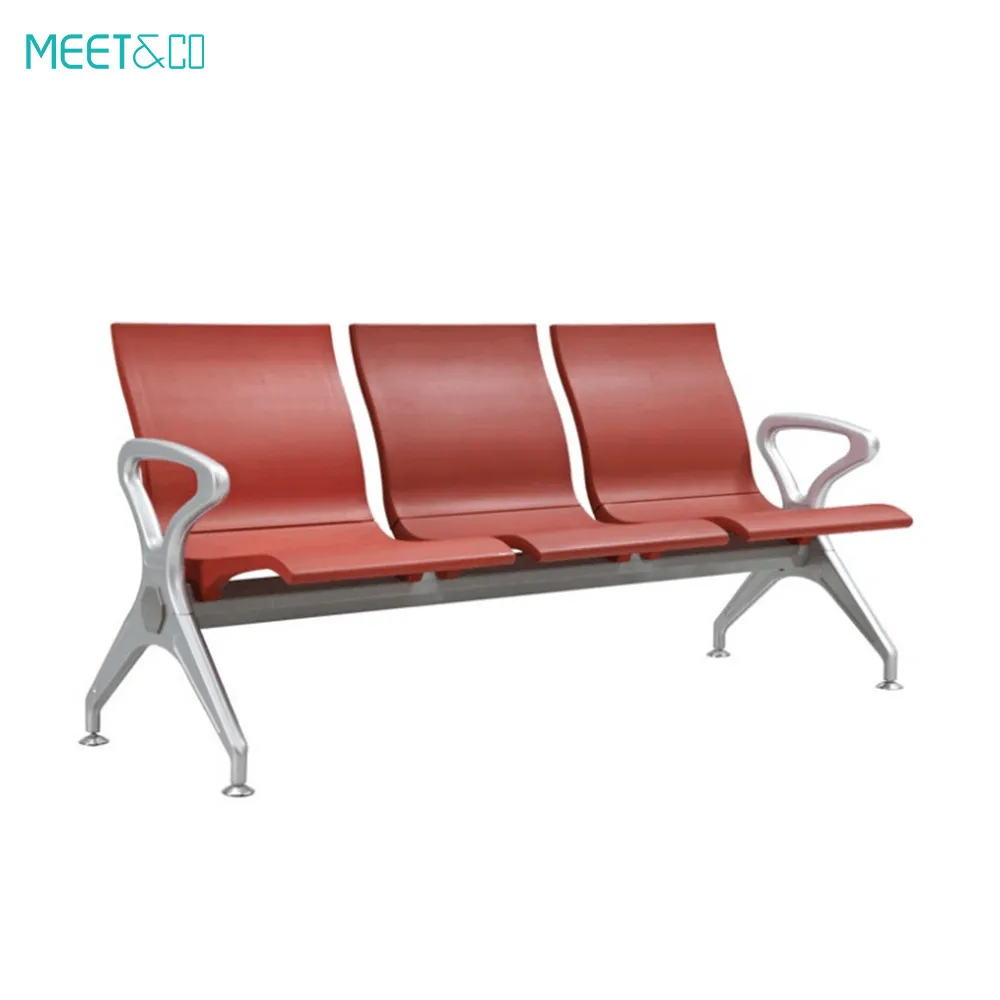
Red
Meet&Co Modern Waiting Room Chairs
$1.00
Select options
This product has multiple variants. The options may be chosen on the product page
Grey
Light Blue
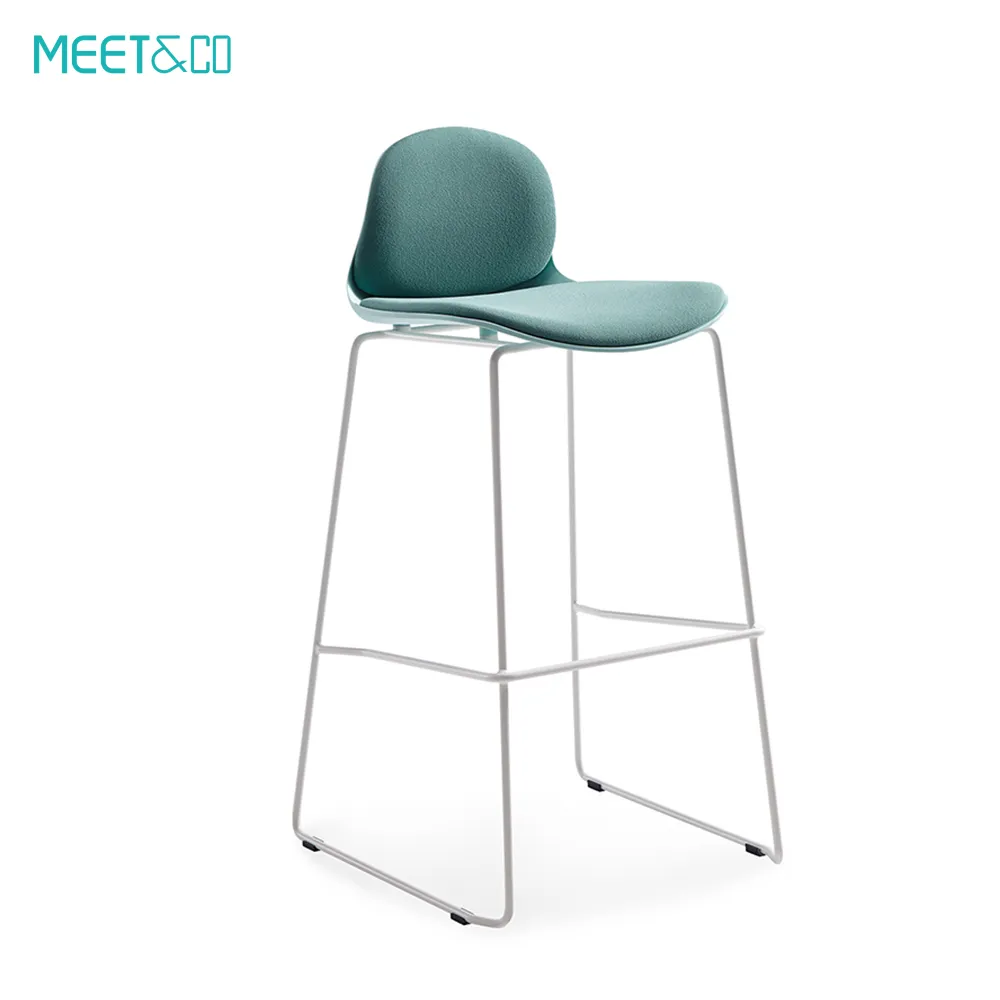
Meet&Co Bar Stool
$1.00
Select options
This product has multiple variants. The options may be chosen on the product page
Black
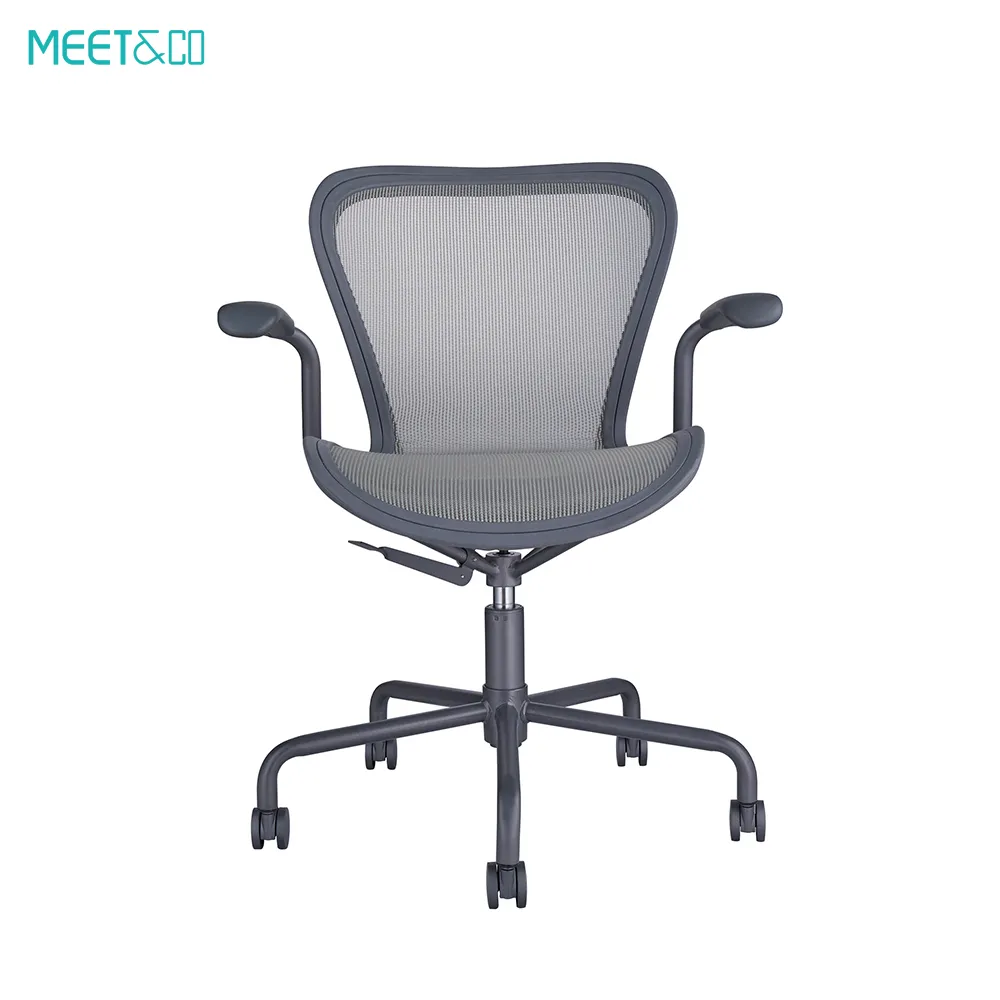
Grey frame
Meet&Co High-quality All Mesh Office Chair
$1.00
Select options
This product has multiple variants. The options may be chosen on the product page
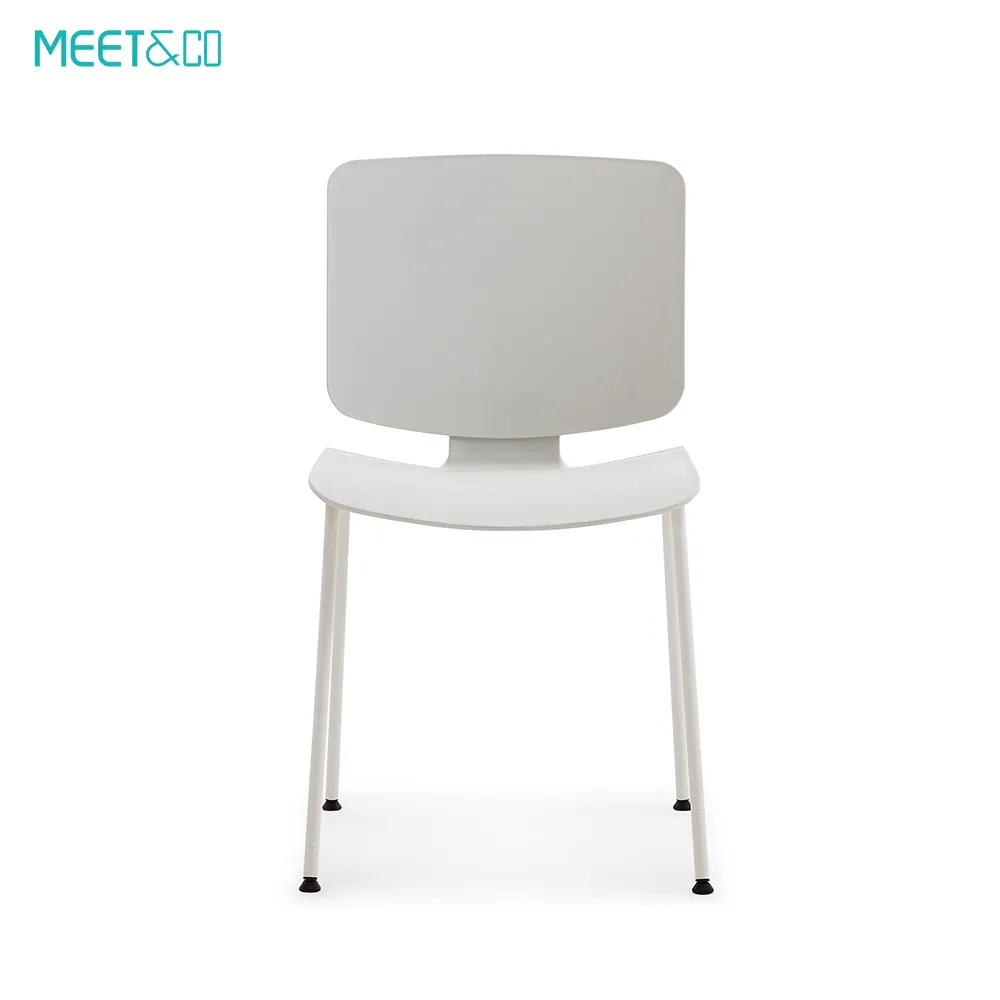
Black
Green
Orange
White
Meet&Co Training Chair With Writing Tablet
$1.00
Select options
This product has multiple variants. The options may be chosen on the product page
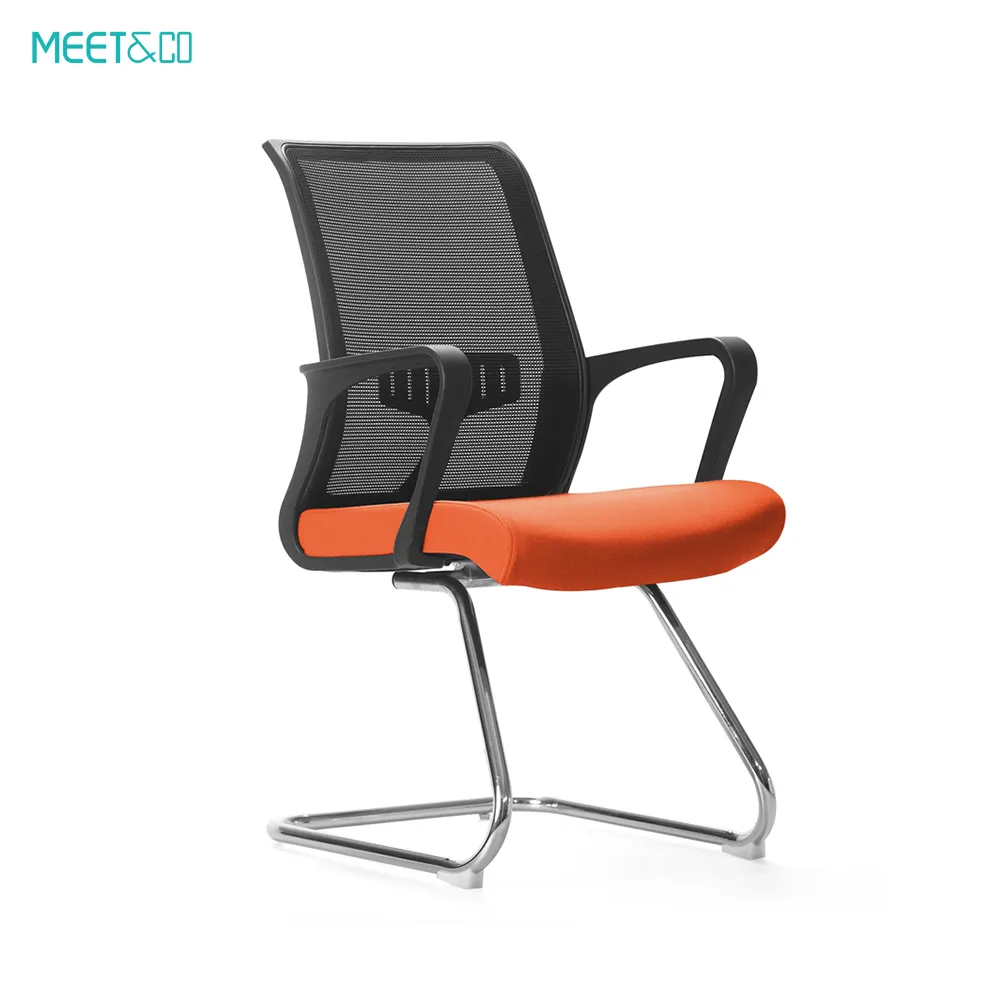
Black
Meet&Co Mesh Back Office Chair
$1.00
Select options
This product has multiple variants. The options may be chosen on the product page
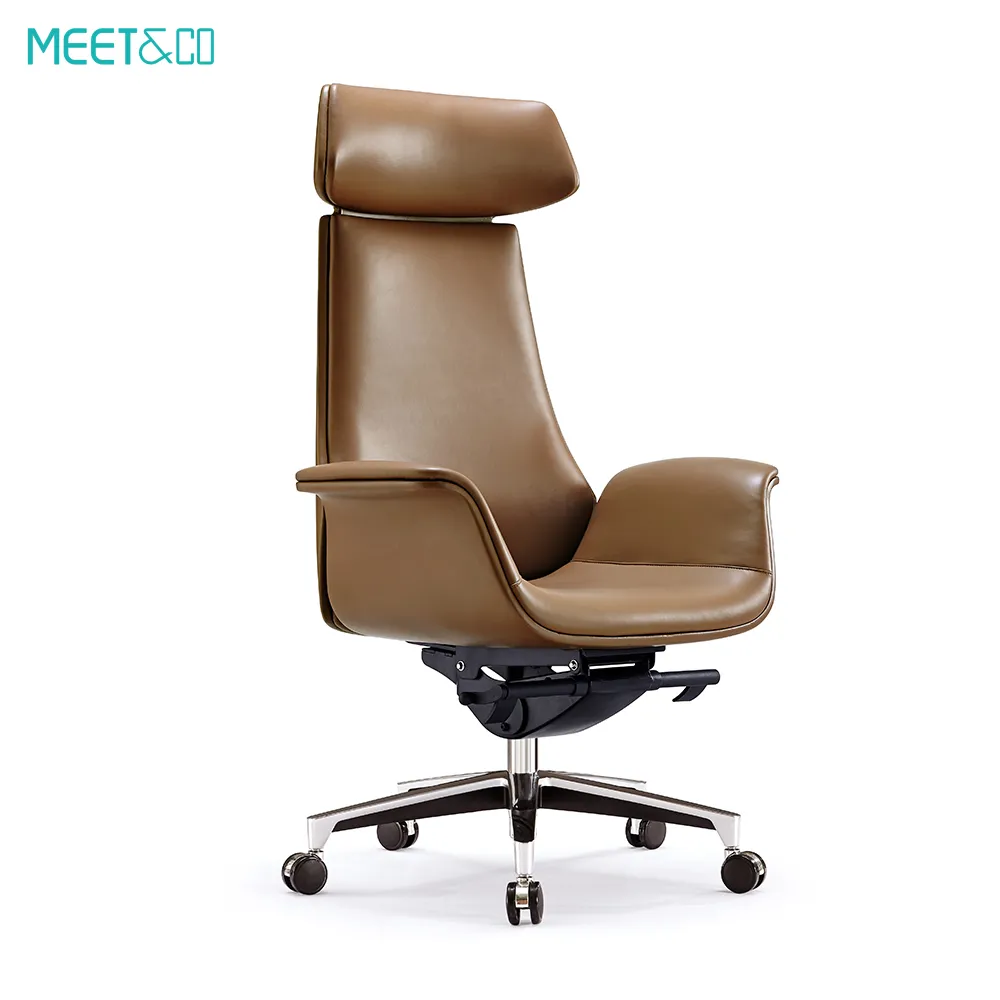
Brown
Meet&Co Leather Executive Chair
$1.00
Select options
This product has multiple variants. The options may be chosen on the product page

White
Meet&Co Big and Tall Leather Chair
$1.00
Select options
This product has multiple variants. The options may be chosen on the product page

Dark Grey
WRK Plastic Stool
$1.00
Select options
This product has multiple variants. The options may be chosen on the product page

Beige
Black
Brown
Grey
Orange
White
Yellow
Meet&Co Leather Swivel Chair
$1.00
Select options
This product has multiple variants. The options may be chosen on the product page