





 Meet&Co
Outdoor learning is no longer a novelty—it is a growing educational priority. Schools are discovering that fresh air and natural light boost student engagement, reduce stress, and create new opportunities for hands-on lessons. But taking the classroom outside brings a practical challenge: furniture must survive sun, rain, wind, and heavy use.
Not every picnic table or plastic chair is up to the task. The wrong choices lead to splintered wood, rusted frames, and unstable seating within a single season. To build a successful outdoor classroom, you need weather-resistant furniture that balances durability, comfort, and safety—all while supporting nature-based learning.
In this guide, we’ll break down which materials and designs work, what to avoid, and how to choose pieces that will last for years.
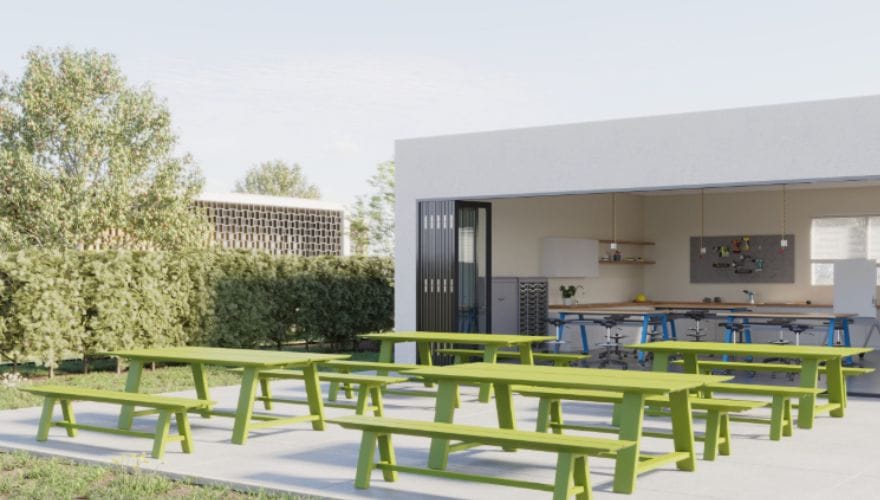
Image credit: https://smithsystem.com/
What Makes Furniture “Weather-Resistant”?
Weather-resistant furniture is designed to withstand exposure to the elements without degrading quickly. For outdoor classroom settings, this means materials that resist:
- UV radiation: Prevents fading, cracking, and weakening from sun exposure.
- Moisture: Repels rain, humidity, and ground moisture to avoid rot, mold, or swelling.
- Temperature extremes: Withstands freeze-thaw cycles without warping or becoming brittle.
Beyond materials, construction matters. Look for stainless steel or coated hardware, sealed edges, and designs that allow water to drain rather than pool. A truly weather-resistant piece should require minimal maintenance and remain safe for students year-round.
Top Materials for Outdoor Classroom Furniture: HDPE vs. Treated Wood vs. Metal
When selecting outdoor classroom furniture, the material is the most important decision. Here is how the three most common options compare.
| Material | Durability | Maintenance | Comfort | Best Use Case |
| HDPE (High-Density Polyethylene) | Excellent – resists UV, moisture, and stains | Very low – cleans with soap and water | Good – available in ergonomic shapes | All-around best for long-term outdoor classrooms |
| Treated Wood | Moderate – can rot or splinter over time | High – requires annual sealing | High – natural feel, comfortable temperature | Rustic settings, budget-conscious projects |
| Powder-Coated Metal | Moderate to high – resists rust if coating intact | Medium – inspect for scratches | Low – can get hot in sun, cold in winter | Tables and frames combined with other materials |
HDPE: The Gold Standard for Weather-Resistant Furniture
HDPE (high-density polyethylene) is a recycled plastic material that has become the go-to choice for outdoor learning environments. It does not absorb water, so it never rots, splinters, or harbors mold. Colors are integral, meaning they won’t fade or peel. HDPE furniture is heavy enough to stay put in wind yet easy to clean with a quick wipe. It also comes in vibrant colors that appeal to young learners.
Treated Wood: Natural Aesthetics with Trade-Offs
Pressure-treated lumber or cedar fits beautifully into nature-based learning environments. Wood blends with the surroundings and stays cooler under direct sun. However, even treated wood requires annual maintenance—sealing, sanding, and checking for splinters. In humid climates, mold can become an issue. If your budget is tight and you have facilities staff to maintain it, wood can work; otherwise, it often becomes a long-term liability.
Metal: Best for Structural Components
Aluminum or powder-coated steel is commonly used for chair frames, table legs, and storage racks. Metal alone is rarely comfortable for seating, but it excels in providing sturdy support. When combined with HDPE or wood slats, it creates durable hybrid furniture. Beware of untreated steel—it rusts quickly outdoors. Always verify that metal components have a UV-stable powder coating.
Key Features to Look For: Sun Protection, Rain Resistance, and Mold Prevention
A material that resists the elements is only half the story. Smart design features make weather-resistant furniture truly functional for daily school use.
Sun Protection
- UV-stabilized materials: Ensure HDPE and plastics are rated for outdoor use. Non-stabilized plastics become brittle within months.
- Shade integration: Consider tables with built-in umbrella holes or benches positioned under permanent shade structures to keep surfaces cool.
- Light colors: Dark surfaces absorb heat. Lighter-colored HDPE or wood stays significantly cooler during midday lessons.
Rain Resistance
- Drainage: Tabletops and seats should have small gaps or slight slopes to let water run off. Flat, solid surfaces trap water and encourage mildew.
- Elevated feet: Furniture with legs that lift surfaces off the ground prevents wicking of moisture from wet pavement or grass.
- Non-porous materials: HDPE and properly coated metals do not absorb water; avoid unsealed wood or fabric cushions unless they are removable and machine-washable.
Mold and Mildew Prevention
Mold is a health hazard and a sign of poor material choice. To prevent it:
- Choose HDPE over wood in humid climates.
- Ensure furniture is designed with airflow—solid back panels can trap moisture against surfaces.
- Specify antimicrobial additives if available, especially for seat surfaces.
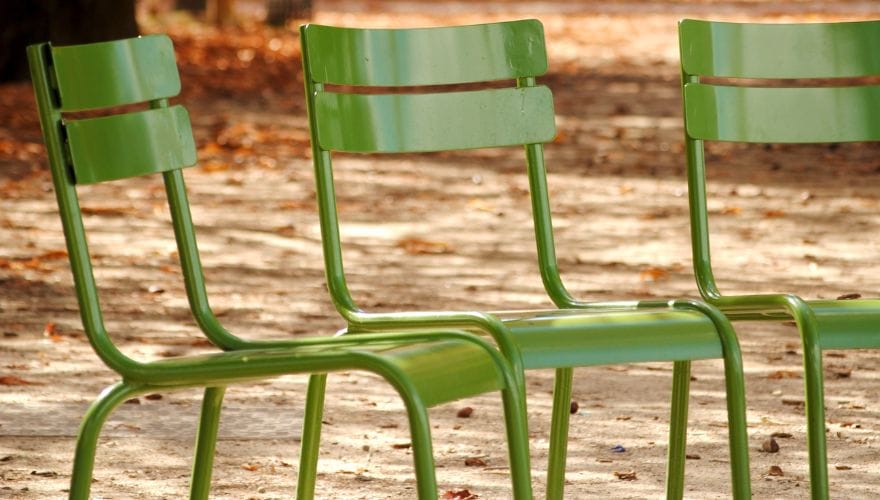
Why Mobile Seating and Easy Storage Matter for Outdoor Classrooms
Not every school has a dedicated outdoor pavilion. Many teachers share outdoor spaces or need to clear the area for recess and events. This is where mobile seating becomes essential.
- Flexibility: Lightweight chairs and tables allow teachers to reconfigure the space for group work, circle time, or individual study.
- Storage: Stackable chairs and folding tables can be rolled into a storage shed or classroom when not in use, protecting them from harsh weather and vandalism.
- Inclusivity: Mobility enables teachers to bring furniture to shaded areas as the sun moves, ensuring student comfort throughout the day.
When evaluating mobile seating, look for:
- Wheels with locks: Tables on casters can be moved easily but must stay stable during use.
- Ganging mechanisms: Chairs that can be connected temporarily prevent tipping during group activities.
- Stacking profiles: Chairs should stack neatly without damaging seats or backs; some HDPE chairs are designed to stack 10–12 high.
What Doesn’t Work: Common Pitfalls to Avoid
Even well-intentioned schools make mistakes when outfitting outdoor classrooms. Here are the most common failures to avoid.
1. Regular Indoor Furniture
Standard classroom chairs and desks left outside will warp, rust, and become unsafe within weeks. Indoor furniture lacks UV protection and moisture seals.
2. Fabric Cushions Without Covers
Cushions invite mold, mildew, and pests. If you want soft seating, choose removable, machine-washable covers stored indoors when not in use—or better yet, select contoured HDPE seating that is comfortable without fabric.
3. Heavy, Non-Movable Pieces
Permanent concrete or massive wood tables might seem durable, but they lock you into one layout. If you ever need to change teaching zones or accommodate different group sizes, you are stuck.
4. Sharp Edges and Pinch Points
Outdoor furniture should be kid-friendly. Avoid designs with exposed metal edges, gaps that trap fingers, or uncoated fasteners that can cause injury.
How to Choose the Right Outdoor Furniture for Your School?
With so many options, narrowing down the choices can feel overwhelming. Use this step-by-step approach.
Step 1: Assess Your Climate
- Hot and sunny: Prioritize UV-stable HDPE or light-colored wood. Avoid dark metal seats.
- Rainy or humid: Choose HDPE over wood. Ensure all furniture has drainage and elevated feet.
- Cold with freeze-thaw: Avoid materials that absorb water; freeze-thaw cycles crack wood and concrete. HDPE and aluminum perform well.
Step 2: Define How the Space Will Be Used
- Dedicated outdoor classroom: You can invest in heavier, non-stacking HDPE furniture because it will stay in place.
- Multi-purpose outdoor area: Choose mobile seating and folding tables that can be cleared for assemblies or recess.
Step 3: Plan for Storage
If you don’t have a locked shed or covered storage, your furniture must be highly weather-resistant. If storage exists, you can consider a mix of lightweight, stackable pieces for flexibility.
Step 4: Test for Comfort and Ergonomics
Students sit for extended periods during lessons. Look for chairs with slight contours and back support. Benches without backs are fine for short activities but uncomfortable for full-class sessions.
Also see: How to Find the Best School Furniture Suppliers in Singapore
Frequently Asked Questions about Outdoor Classroom Furniture
1. Is HDPE furniture truly durable enough for year-round outdoor use?
Yes, HDPE is one of the most durable materials for weather-resistant furniture. It is specifically engineered to withstand continuous outdoor exposure. Unlike wood, it will not rot, splinter, or require staining. Unlike metal, it does not rust. Most HDPE furniture carries warranties of 10 years or more, even in full-sun, high-rain environments.
2. Can I leave outdoor classroom furniture outside over winter?
It depends on the material. HDPE and powder-coated aluminum can remain outdoors throughout winter without damage. Treated wood should be covered or stored if possible, as snow and ice accelerate wear. For any furniture, storing it indoors or under a weatherproof cover will always extend its lifespan, but HDPE and quality metal are designed to handle the elements without deterioration.
3. What is the best way to clean and maintain outdoor classroom furniture?
For HDPE, a simple scrub with soap and water removes dirt and mildew. Do not use abrasive pads, as they can create surface scratches. For treated wood, inspect annually for splinters and reapply a UV-protectant sealant every 1–2 years. Metal should be checked for scratches in the coating; touch up any exposed spots with rust-resistant paint to prevent corrosion. Regular cleaning also prevents buildup of pollen and debris that can trap moisture.
Conclusion
Outdoor classrooms offer incredible benefits for students, but success depends on choosing furniture that can handle nature’s demands. HDPE stands out as the most reliable material for weather-resistant furniture, combining longevity with low maintenance. Treated wood works for rustic settings when you have the resources to maintain it, and powder-coated metal is best for structural components.
Prioritize mobile seating and easy storage if your outdoor space serves multiple purposes. And always avoid the common pitfalls—indoor furniture, fabric cushions, and designs that trap water.
With the right choices, your outdoor classroom will become a lasting asset that supports nature-based learning for years to come, rain or shine.
Looking to furnish your outdoor learning space? Contact us for expert guidance on selecting the perfect school furniture solutions.