







 Meet&Co
Sleep Number Corp. filed for Chapter 11 bankruptcy protection in June, beginning a court-supervised restructuring process in the U.S. Bankruptcy Court for the Southern District of New York. The company announced an agreement for a potential sale to Sleep Country Canada, subject to court approval and the bankruptcy process.
The most important thing about Sleep Number’s bankruptcy may be not about that consumers did not suddenly stop caring about sleep. Nor did they stop looking for products designed to improve comfort, wellness and quality of life. And one of the most recognized names in the sleep category did not simply disappear.
Instead, Sleep Number‘s Chapter 11 filing provides a look at a challenge facing many consumer companies today: how to preserve the value of a respected brand while navigating a changing economic environment.
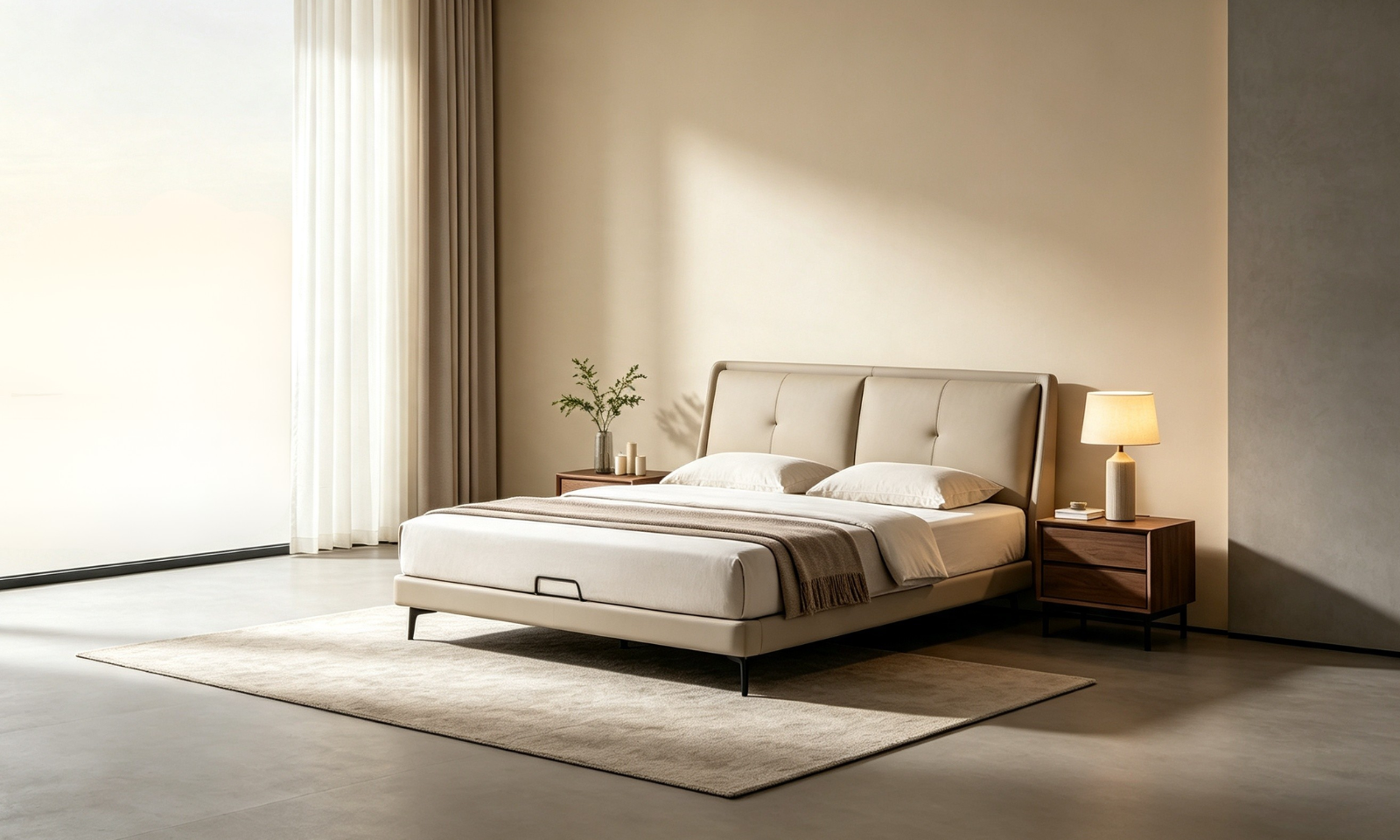
Source: https://www.furnituretoday.com/
That distinction matters, and here‘s why: This is not a story about a company that lacked consumer awareness.
Sleep Number spent decades building a recognizable brand in the sleep category. The company helped change the way many consumers think about mattresses, moving the conversation beyond a basic household purchase and toward comfort, personalization and wellness.
But Chapter 11 exists because a company‘s value and its financial obligations do not always move together.
According to company filings, Sleep Number obtained debtor-in-possession financing to support operations during the restructuring process.
In public disclosures, Sleep Number cited several factors affecting its business environment, including inflation, tariffs, supply-chain pressures and broader financial challenges.
Those pressures will sound familiar to many companies across home furnishings. The industry has spent the past several years adjusting to a dramatically different marketplace. Consumers have become more cautious with large discretionary purchases. Costs have remained a concern. Companies across the supply chain have to examine inventory levels, expenses and long-term strategies.
The broader lesson from the Sleep Number case is not that brands no longer matter. They matter enormously. But value must be supported by a business structure that can adapt when conditions change.
The bankruptcy process will determine how Sleep Number‘s value is ultimately distributed among creditors, lenders and other stakeholders. The fact that the company entered the process with a proposed transaction and continued interest in its assets demonstrates that the business retained value.
That may be the point worth watching.
Home furnishings has always been an industry built on relationships. Manufacturers, retailers, suppliers and consumers are connected through trust developed over years and, in many cases, generations.
Those relationships matter, but today‘s environment also demands resilience. Companies must balance innovation with financial discipline, growth with flexibility, brand building with the ability to withstand economic cycles.
The strongest brands are not only the ones consumers remember; they are the ones built to last.


_1.webp)