





 Meet&Co
You’ve found the perfect ergonomic chair. The adjustability is right, the lumbar support hits the spot, and the price fits your budget. Then you face one final decision: what material should it be covered in?
Mesh, fabric, and leather each promise different benefits. Mesh claims breathability and modern style. Fabric offers warmth and color options. Leather projects professionalism and easy cleaning. But which one actually wins for your specific needs? The answer depends on where you work, how you work, and what matters most to you.
This guide compares mesh, fabric, and leather across the factors that matter: breathability, durability, comfort, maintenance, and aesthetics. By the end, you’ll know exactly which material belongs in your workspace.
Quick Comparison: Mesh vs. Fabric vs. Leather
| Factor | Mesh | Fabric | Leather |
| Breathability | Excellent | Moderate | Poor |
| Initial comfort | Firm, supportive | Soft, plush | Smooth, premium |
| Long-term comfort | Consistent | May compress | Molds to body |
| Durability | High (5–10+ years) | Moderate–High | High (genuine); Poor (bonded) |
| Cleaning | Easy (vacuum, wipe) | Moderate (spot-clean) | Easy (wipe) |
| Stain resistance | Moderate | Low–Moderate | High |
| Pet resistance | Good (claws slide) | Moderate | Poor (scratches) |
| Temperature regulation | Cool | Warm | Temperature-dependent |
| Aesthetic | Modern, technical | Warm, varied | Classic, professional |
| Price range | $$–$$$ | $–$$$ | $$–$$$$ |
| Best for | Hot climates, long sessions | Comfort-focused, home offices | Professional settings, easy cleaning |
Mesh: The Breathability Champion
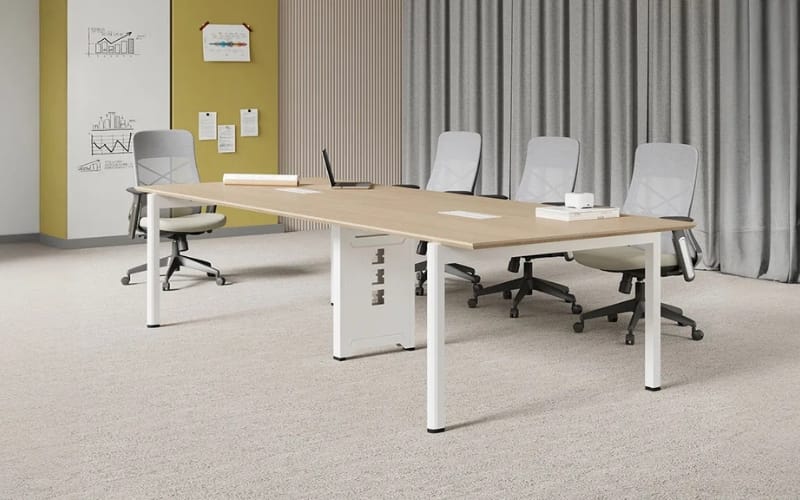
Style Ergonomic Office Chair
What Is Mesh?
Mesh is a woven synthetic fabric (typically polyester or nylon) stretched taut over a frame. It’s characterized by thousands of tiny openings that allow air to flow freely. In office chairs, mesh is most commonly used for backrests and increasingly for seats.
The Pros
Exceptional breathability
Mesh’s superpower is airflow. Heat from your body escapes continuously rather than building up against your skin. For anyone who runs warm, works in a non-air-conditioned space, or lives in a humid climate, this is transformative.
Consistent support
Unlike foam, mesh doesn’t compress or soften over time. A high-quality mesh chair provides the same support on day 1,000 as it did on day 1. There’s no “bottoming out” or sagging.
Low maintenance
Mesh doesn’t absorb spills (they pass through) and doesn’t trap dust like fabric. A quick vacuum or wipe keeps it clean.
Modern aesthetic
Mesh chairs like the Herman Miller Aeron have become design icons. They signal ergonomic quality and contemporary style.
The Cons
Firm initial feel
Mesh lacks the plush, sink-in comfort of foam. Users accustomed to padded chairs may find mesh feels “hard” initially, though most adapt within days.
Limited cushioning
Mesh seats (as opposed to mesh backs) don’t offer the same pressure distribution as high-density foam. Some users find mesh seats uncomfortable for all-day sitting.
Can feel cold
In cooler environments, mesh feels chilly against the skin—though it warms quickly with body contact.
Shows dust
Lint, dust, and pet hair are visible against dark mesh. Regular vacuuming is needed to maintain appearance.
Who Should Choose Mesh
- Hot climates or warm offices: If you’re constantly adjusting the thermostat, mesh keeps you cool
- Long-session users: 8+ hour days benefit from consistent support and temperature regulation
- Those who prioritize breathability: If sweating through your back is a concern, mesh is the answer
- Low-maintenance seekers: Minimal cleaning required
Who Should Avoid Mesh
- Users who prefer plush comfort: If you love sinking into soft cushions, mesh may feel too firm
- Those with sensitive skin: Some find mesh texture slightly abrasive against bare arms or legs
- Very cold offices: Mesh transfers temperature; in chilly spaces, fabric or leather retains heat better
Fabric: The Comfortable All-Rounder
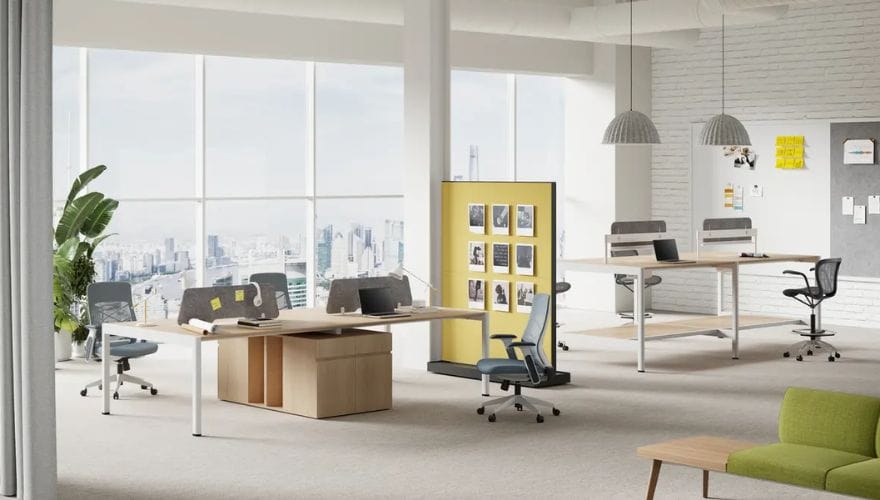
What Is Fabric?
Fabric upholstery encompasses a range of woven textiles—from basic polyester blends to premium wool or felt. Fabric chairs typically have foam padding beneath, offering a traditional cushioned feel.
The Pros
Plush comfort
Fabric provides the classic “comfy chair” feeling. The combination of foam padding and soft textile creates a welcoming, sink-in experience that many users prefer.
Warm and cozy
Unlike mesh, fabric retains body heat. In cooler offices or climates, this is a genuine advantage—your chair feels warm from the moment you sit down.
Color and texture variety
Fabric comes in endless colors, patterns, and textures. You can match corporate branding, add personality to a home office, or choose subtle neutrals that blend with any decor.
Good for cooler environments
If your workspace tends to be chilly, fabric keeps you warmer than mesh. It doesn’t conduct temperature the way mesh does.
The Cons
Heat retention
The same warmth that feels cozy in winter becomes uncomfortable in summer. Fabric absorbs and traps body heat, leading to sweaty backs and thighs during warm months.
Stain susceptibility
Fabric is absorbent. Coffee spills, food stains, and even sweat can leave permanent marks. Light-colored fabrics show every spot.
Cleaning complexity
Unlike leather or mesh, fabric requires spot cleaning or professional shampooing. Removable covers help, but not all chairs have them.
Wear over time
High-use areas (seat edges, armrests) show wear first—pilling, fading, or flattening foam beneath.
Who Should Choose Fabric
- Cool climate dwellers: If your office is often chilly, fabric keeps you comfortable
- Those who prioritize softness: The plush, welcoming feel of fabric is hard to beat
- Design-focused spaces: Fabric offers the widest color and texture selection
- Home offices: Fabric feels warm and residential
Who Should Avoid Fabric
- Messy eaters at desks: If you regularly eat at your workstation, spills will be a problem
- Pet owners with shedding animals: Fabric traps fur; you’ll need frequent vacuuming
- Warm offices: Heat retention becomes uncomfortable in hot environments
Leather: The Professional Statement

What Is Leather?
“Leather” in office chairs actually describes several materials. Genuine leather is real hide, durable and beautiful. Bonded leather is leather scraps bonded to polyurethane—it looks like leather but fails quickly. Faux leather (PU leather) is entirely synthetic.
| Leather Type | What It Is | Durability | Price | Lifespan |
| Genuine/top-grain leather | Real hide, natural surface | Excellent | $$$$ | 15–20+ years |
| Bonded leather | Leather scraps + polyurethane | Poor | $$ | 2–5 years |
| PU leather (faux) | Synthetic polyurethane | Moderate | $–$$ | 3–6 years |
The Pros (Genuine Leather)
Professional appearance
Leather projects authority, success, and timeless style. On video calls, a leather executive chair reads as “established” and “professional.”
Easy cleaning
Spills wipe away instantly. A damp cloth removes most dirt. For genuine leather, occasional conditioning maintains suppleness.
Molds to your body
Quality leather softens and conforms over time, creating a custom fit that becomes more comfortable with use.
Durable
Genuine leather lasts 15–20 years or more. It develops a beautiful patina with age rather than looking worn.
The Cons (All Leather Types)
Temperature sensitivity
Leather is non-porous. In warm conditions, it absorbs and retains body heat, creating stickiness and sweat. In cold conditions, it feels initially chilly (though warms with contact).
Bonded leather fails
The most common mistake: buying bonded leather thinking it’s genuine. Bonded leather peels and cracks within 2–4 years, leaving an irreparable mess.
Scratches easily
Cats and leather are a disastrous combination. Even genuine leather shows scratches from sharp claws.
Premium pricing
Genuine leather chairs start around $800 and can exceed $2,000. For the same budget, you could get a top-tier mesh or fabric chair.
Who Should Choose Genuine Leather
- Climate-controlled offices: If your environment stays 68–72°F year-round, leather works well
- Executive or client-facing spaces: Leather signals professionalism
- Low-pet households: No cats, and dogs that don’t scratch
- Long-term investment: Willing to pay for 15+ years of use
Who Should Choose Bonded Leather (Cautiously)
- Short-term needs: If you need a professional-looking chair for 2–3 years (e.g., rental)
- Budget constraints: Want leather look without premium price
- Acceptance of replacement: Understand you’ll replace it within 3–5 years
Who Should Avoid Leather Entirely
- Cat owners: Even genuine leather shows scratches; bonded leather is destroyed quickly
- Warm offices: Sweat and sticking become daily annoyances
- Those who prioritize breathability: Leather traps heat
- Budget-conscious but wanting longevity: Mesh or fabric offer better value long-term
Comparison: Office Chair Materials Detailed Breakdown
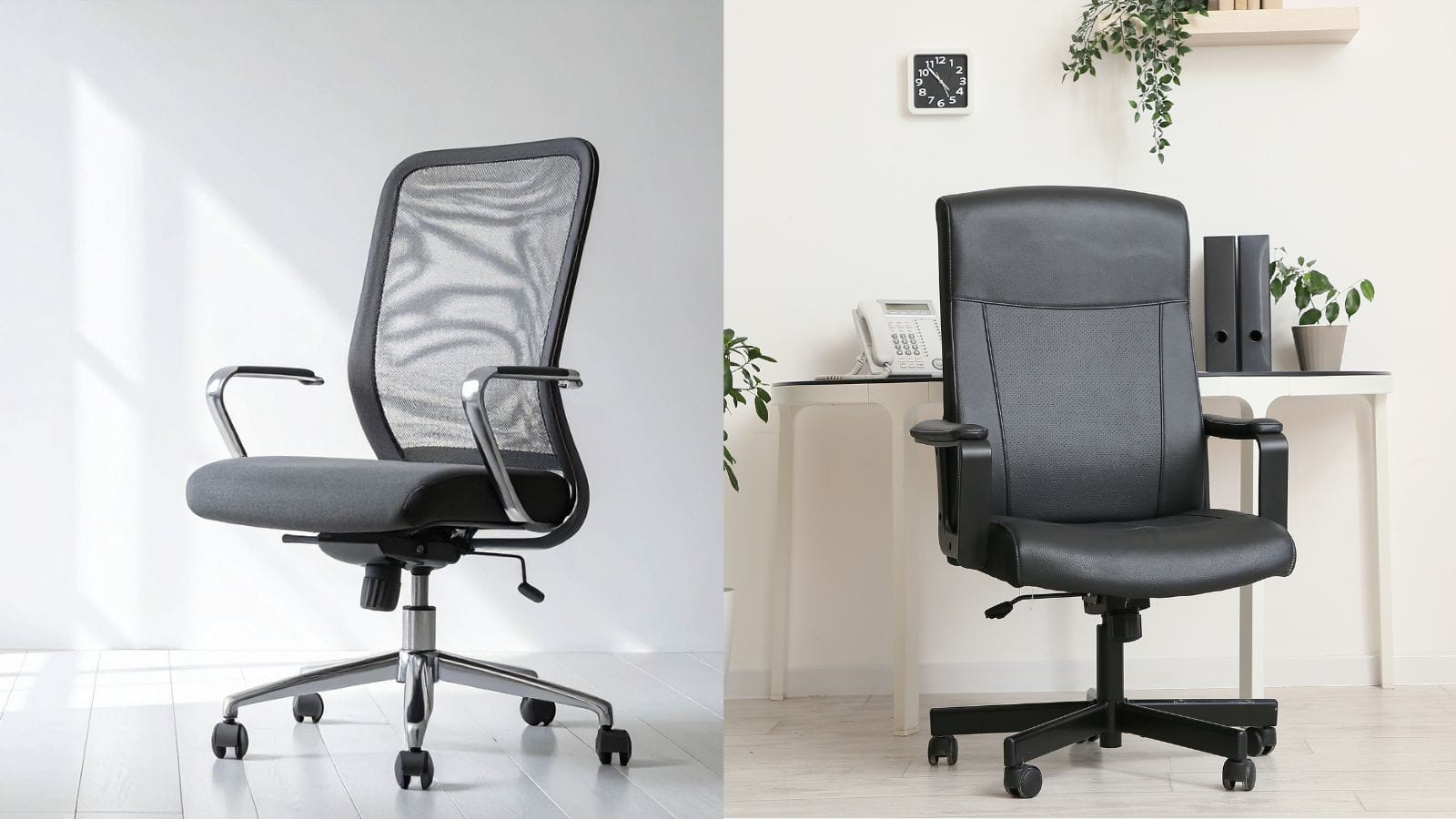
Breathability
| Material | Rating | Details |
| Mesh | ★★★★★ | Air flows freely; heat escapes continuously |
| Fabric | ★★☆☆☆ | Absorbs heat; can become warm; breathability varies by weave |
| Leather | ★☆☆☆☆ | Non-porous; traps heat; sticky in warm conditions |
Winner: Mesh
Durability
| Material | Rating | Details |
| Mesh | ★★★★☆ | 5–10+ years; no sagging; resists stretching |
| Fabric | ★★★☆☆ | 3–8 years; foam compresses; fabric may pill or stain |
| Genuine leather | ★★★★★ | 15–20+ years; develops patina; needs conditioning |
| Bonded leather | ★☆☆☆☆ | 2–5 years; inevitable peeling |
Winner: Genuine leather (if budget allows); otherwise mesh
Cleaning and Maintenance
| Material | Rating | Details |
| Mesh | ★★★★☆ | Vacuum; wipe with damp cloth; no stains (spills pass through) |
| Fabric | ★★☆☆☆ | Spot-clean; professional shampooing; stains absorb |
| Leather | ★★★★☆ | Wipe clean; genuine needs occasional conditioning |
Winner: Mesh and leather (tie)
Comfort Over Long Sessions
| Material | Rating | Details |
| Mesh | ★★★★☆ | Consistent; no heat buildup; may feel firm initially |
| Fabric | ★★★★★ | Plush; soft; retains heat; foam may compress over time |
| Leather | ★★★☆☆ | Smooth; molds to body; temperature issues |
Winner: Fabric for plush comfort; mesh for temperature consistency
Aesthetic Variety
| Material | Rating | Details |
| Mesh | ★★★☆☆ | Modern; technical; limited colors |
| Fabric | ★★★★★ | Unlimited colors, patterns, textures |
| Leather | ★★☆☆☆ | Classic; limited colors (black, brown, tan) |
Winner: Fabric
Value for Money
| Material | Rating | Details |
| Mesh | ★★★★☆ | High durability; moderate price; long lifespan |
| Fabric | ★★★☆☆ | Good initial value; replacement sooner than mesh |
| Genuine leather | ★★☆☆☆ | High upfront cost; excellent longevity |
| Bonded leather | ★☆☆☆☆ | Low upfront; poor value over time |
Winner: Mesh
Also see: How to Test an Office Chair Before Buying: A 15-Minute Showroom Checklist
Decision Framework: Which Material Wins for You?
Consider Your Environment
| Environment | Best Material | Why |
| Hot office (no AC) | Mesh | Breathability prevents sweating |
| Cold office | Fabric or genuine leather | Retains warmth |
| Climate-controlled | Any | No environmental pressure |
| Home office | Fabric or mesh | Residential feel; flexibility |
Consider Your Habits
| Habit | Best Material | Why |
| Eat at desk | Mesh or leather | Easy to clean; spills don’t absorb |
| Drink coffee/tea | Mesh or leather | Stains not an issue |
| Long sessions (8+ hours) | Mesh | Temperature regulation; consistent support |
| Move frequently | Fabric or mesh | Leather can be slippery |
Consider Your Household
| Household Factor | Best Material | Why |
| Cats | Mesh | Claws slide off; no damage |
| Dogs that shed | Mesh or leather | Hair releases easily |
| Children | Mesh or leather | Easy to clean; durable |
| Allergies | Mesh or leather | Less dust/pollen retention than fabric |
Consider Your Priorities
| Priority | Best Material |
| Breathability | Mesh |
| Plush comfort | Fabric |
| Professional appearance | Genuine leather |
| Low maintenance | Mesh or leather |
| Longevity | Mesh or genuine leather |
| Budget under $500 | Fabric or mesh |
| Budget over $1,000 | Premium mesh or genuine leather |
The Verdict: Which Material Wins?
There’s no single winner—the best material depends entirely on your specific situation.
Mesh wins for:
- Hot climates or warm offices
- Users who run warm or sweat easily
- Long-session workers needing consistent support
- Low-maintenance seekers
- Pet owners (especially cats)
Fabric wins for:
- Cooler environments
- Those who prioritize plush, sink-in comfort
- Design-conscious spaces needing color options
- Home offices with residential feel
Genuine leather wins for:
- Climate-controlled, professional environments
- Executive spaces where appearance matters
- Users willing to invest in 15+ years of use
- Those who don’t have cats
Bonded leather loses to all—its low upfront cost is outweighed by short lifespan and inevitable peeling.
Also see: How to Clean and Disinfect Upholstered Furniture (Without Ruining It)
FAQ about Office Chair Materials
1. Is mesh really cooler than fabric?
Yes—significantly. Mesh allows continuous airflow, while fabric traps heat against your body. In warm environments, the difference is noticeable within minutes.
2. Does fabric stain easily?
Fabric absorbs spills and can stain permanently. If you eat at your desk, choose mesh or leather. If you choose fabric, look for stain-resistant treatments or dark colors.
3. Is genuine leather worth the extra cost?
If you work in a climate-controlled office, don’t have cats, and plan to keep the chair for 10+ years, yes. The longevity and patina development justify the investment. If any of those conditions don’t apply, mesh or fabric may be better choices.
4. What’s the problem with bonded leather?
Bonded leather is leather scraps bonded to polyurethane. Within 2–5 years, the polyurethane coating cracks and peels, leaving an irreparable mess. It’s the most common chair material mistake.
5. Can I mix materials?
Yes—many chairs combine materials. Mesh backs with fabric or leather seats are common. This gives you breathability where you need it (back) with plush comfort where you want it (seat).
6. What material is easiest to clean?
Mesh and leather tie for easiest cleaning. Mesh: vacuum, wipe, spills pass through. Leather: wipe with damp cloth. Fabric requires spot cleaning or professional shampooing.
7. What’s the best material for home offices?
Fabric and mesh are most popular. Fabric feels warm and residential; mesh offers breathability and modern style. Leather can work in climate-controlled spaces but may feel too formal for home settings.
Conclusion
Mesh, fabric, and leather each have distinct strengths and weaknesses. The “winner” is the material that aligns with your environment, habits, and priorities.
| If You… | Choose… |
| Run hot, want low maintenance, have pets | Mesh |
| Want plush comfort, design options, work in cool spaces | Fabric |
| Need professional appearance, have climate control, no cats | Genuine leather |
| Are tempted by low-priced “leather” | Read the label—avoid bonded leather |
The best chair material is the one that keeps you comfortable through long workdays, matches your aesthetic, and lasts as long as you need it to. Choose thoughtfully, and your chair will serve you well for years to come.