







 Meet&Co
You need a chair for your desk. You open your laptop and start searching. And there they are—office chairs for $60, $80, even $40. The pictures look nice. The price feels almost too good to be true.
So, should you buy one?
Here’s the short answer: It depends on how you plan to use it. A $100 chair can work fine for some people. For others, it can lead to back pain, frustration, and buying another chair six months later.
Let’s walk through what you actually get for under $100, when it makes sense, and when you might want to save a little more.
What Does $100 Actually Get You?
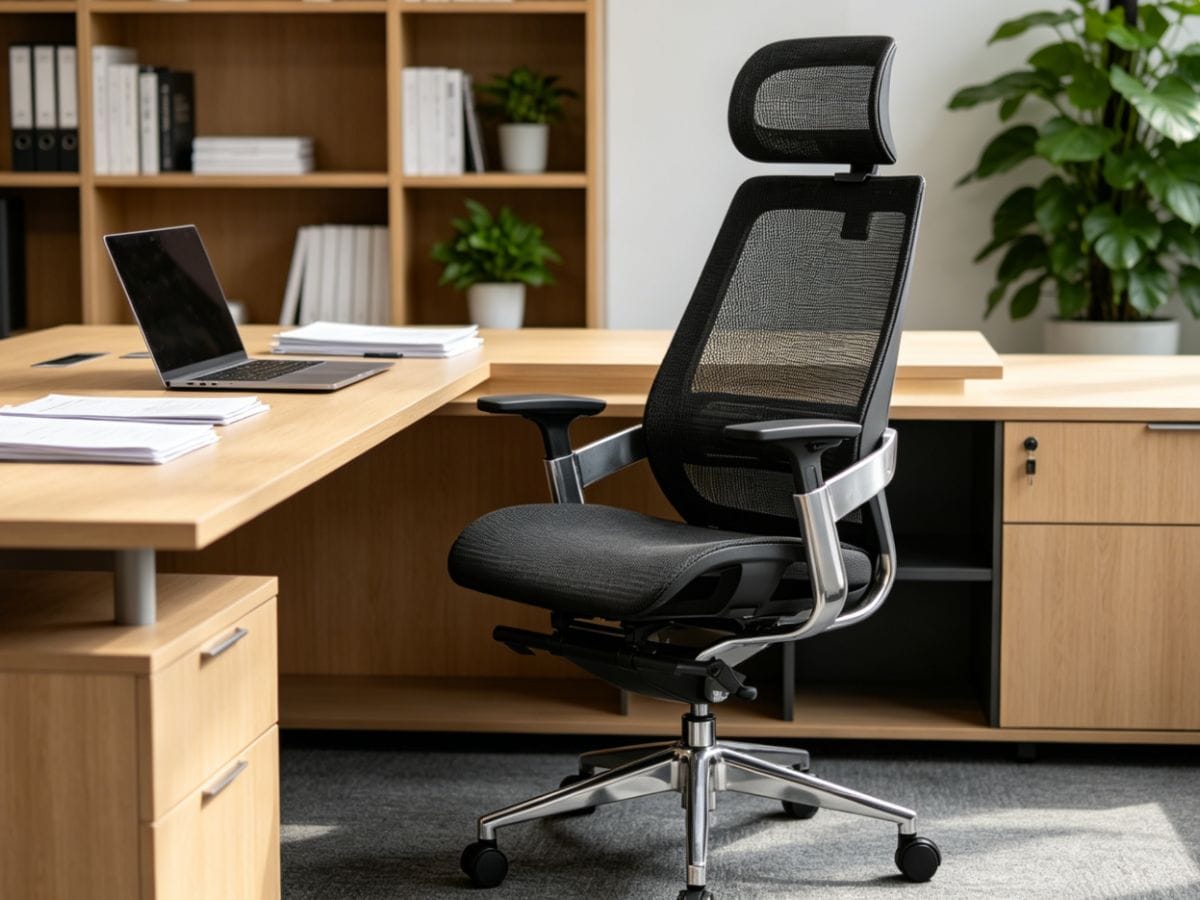
Let’s be real. At this price, you are not getting premium materials or cutting‑edge ergonomics. But that does not mean all $100 chairs are garbage. You just need to know what to expect.
Typical features at this price point:
-
Basic height adjustment (pneumatic lever)
-
Simple tilt mechanism (often the whole chair leans back, not just the backrest)
-
Padding that feels okay at first but may flatten over time
-
Plastic or nylon base (not metal)
-
Basic lumbar support (usually a small pillow or fixed curve)
What you probably will not get:
-
Adjustable armrests (they are usually fixed, if included at all)
-
Seat depth adjustment
-
Lumbar height adjustment
-
High‑density or memory foam
-
Breathable, high‑quality mesh
A study by the Human Factors and Ergonomics Society found that 68% of sub‑$150 office chairs showed visible wear or mechanical failure within six months of regular use. That does not mean every chair fails. But it does mean the odds are not in your favor if you sit in it every single day.
The Good Side: When a $100 Chair Makes Perfect Sense
Let’s start with the positives. Cheap chairs exist for a reason. They serve real needs.
1. The Price Is Hard to Beat
This is obvious, but it matters. If you have $100 in your pocket and need a chair today, you can get one. You do not have to wait, save, or finance anything. For students, freelancers just starting out, or anyone on a very tight budget, that low upfront cost is a lifesaver.
2. Great for Short‑Term or Light Use
Not everyone sits in their chair for eight hours a day. Maybe you work from home two days a week. Maybe you only use your desk for a couple of hours in the evening. Maybe you need a temporary chair while you save for something better.
For light or occasional use, a $100 chair can work just fine. The wear and tear happen slowly when you only sit in it a few hours a week.
3. Surprisingly Decent Basic Comfort
Some budget chairs are genuinely comfortable for what they are. The cushioning may feel soft and cloud‑like at first. The basic lumbar pillow might hit the right spot for your back. If you are not picky and do not have existing back problems, you might be perfectly happy.
4. Easy Assembly and Wide Availability
Budget chairs are everywhere. Amazon, Walmart, Target, office supply stores. They usually come with simple instructions and basic tools. Most people can put one together in 15 to 30 minutes.
The Not‑So‑Good Side: Trade‑Offs You Should Know
Now for the honest part. These chairs have real limitations.
1. Durability Is a Gamble
This is the biggest issue. Many cheap chairs are built with low‑cost materials and minimal durability testing. The gas lift may start sinking after a few months. The wheels might get wobbly. The armrests could loosen. The seat padding can flatten to a hard board.
One reviewer put it bluntly: “If you want a quality chair, pay the $500 for the ‘cheap’ one.” That might sound harsh, but it reflects a real pattern. A $70 chair that breaks in eight months is actually more expensive than a $200 chair that lasts five years.
2. Limited Adjustability = Limited Comfort for Your Body
Chairs under $100 usually offer height adjustment and maybe a tilt lock. That is it. No seat depth. No lumbar height. No adjustable armrests.
This becomes a problem if you do not fit the “average” body shape that the chair was designed for. If you are tall, short, have long legs, or have specific back issues, a one‑size‑fits‑all cheap chair may never feel right.
3. Potential for Back Pain
This is where things get personal. For some people, a basic chair is fine. For others—especially those with existing back issues—a poorly designed cheap chair can make things worse.
The issue is not that all cheap chairs hurt your back. The issue is that you cannot adjust them to fit your spine. If the fixed lumbar curve hits the wrong spot, you will slouch or strain. Over weeks and months, that can lead to real discomfort.
Also see: Best Chair for Lower Back Pain at Home
4. They Do Not Breathe Well
Many budget chairs use bonded leather or cheap PU leather. These materials look nice at first but do not let air through. On a warm day or after a few hours, you may find yourself sweating against the seat and back.
Mesh chairs exist at this price, but the mesh is often rough or poorly tensioned.
5. You Might End Up Buying Twice
Here is the hidden cost. You spend $80 on a chair. It feels fine for three months. Then the padding flattens. Then the gas lift starts slipping. Then an armrest cracks.
You get frustrated. You start looking for another chair. You spend another $80. Now you have spent $160 total—more than a decent mid‑range chair would have cost in the first place.
Quick Comparison: Under $100 vs. $150–$300 Chairs
Let’s put this side by side so you can see the difference clearly.
| Feature | Under $100 | $150–$300 |
|---|---|---|
| Price | $40–$100 | $150–$300 |
| Adjustable armrests | Rare (usually fixed) | Often included (2D or 3D) |
| Seat depth adjustment | No | Sometimes |
| Lumbar adjustment | Fixed pillow or none | Height‑adjustable |
| Cushion quality | Low‑density foam (flattens in months) | High‑density foam (lasts years) |
| Frame material | Plastic or thin nylon | Thicker nylon, some metal |
| Typical lifespan (daily use) | 6–18 months | 3–7 years |
| Best for | Occasional or light use | Daily, full‑time use |
4 Chairs to Consider If Your Budget Is Tight
If you decide that under $100 is where you need to be, here are four chairs worth looking at. None are perfect, but they are among the better options in this price range.
1. Furmax Office Chair (Mid‑Back Mesh)
The Furmax is one of the most popular budget chairs online. It has a mesh back, basic lumbar support, and a padded seat. It looks clean and modern. The mesh helps with airflow. Many users find it comfortable for a few hours at a time.
Who it is for: People who want a simple, decent‑looking chair for light to moderate use.
Downside: The seat padding is not very thick. The mesh back is supportive but not adjustable.
2. Amazon Basics Classic Puresoft Padded Chair
This is as basic as it gets. Padded seat and back, simple design, no frills. It looks nice and modern. The padding is soft.
Who it is for: Someone who wants a clean, simple chair for occasional use—maybe a guest chair or a starter home office.
Downside: Very little ergonomic support. Not ideal for long hours. No breathable mesh.
3. Sweetcrispy Office Computer Desk Chair
This mid‑back mesh chair comes with flip‑up armrests (so you can tuck it under a desk) and basic lumbar support. It has a simple, clean look. The mesh back helps with airflow.
Who it is for: People with small spaces who need to save room. Also good for lighter body types.
Downside: The build quality is basic. The wheels are plastic and may not roll smoothly on carpet.
4. BestOffice Mesh Office Desk Chair
This chair has a mesh back, a cushioned seat, and a padded headrest—which is unusual at this price. The upper back is surprisingly supportive. The seat is relatively plush.
Who it is for: Taller users who want some neck support. Also good for people who like to lean back during calls.
Downside: The build quality is basic. The armrests are fixed and may feel wobbly.
How to Make a $100 Chair Last Longer (If You Buy One)
If you go the budget route, here are a few small things you can do to stretch its life.
-
Add a seat cushion. A $20 gel or memory foam cushion can make a thin seat feel much better and take pressure off the original foam.
-
Tighten screws every few months. Cheap chairs loosen over time. A quick check with an Allen wrench can prevent wobbling.
-
Do not lean hard on the armrests. Cheap armrests are a common failure point. Use them lightly.
-
Keep it out of direct sunlight. Sunlight dries out and cracks cheap PU leather and bonded leather.
-
Consider it temporary. Think of a $100 chair as a 12‑ to 18‑month solution, not a decade‑long investment. That mindset helps you plan ahead
Also see: What Is the Best Ergonomic Chair Under $500
Frequently Asked Questions (FAQ)
1. Is a $100 office chair good for 8 hours of daily use?
Probably not. For eight hours every day, you want better padding, more adjustability, and stronger build quality. A $100 chair may feel okay for the first few weeks, but the foam will likely flatten, and you may start feeling discomfort in your back and legs. If you work full‑time from home, try to save up for the $200–$300 range. Your body will thank you.
2. Can a cheap chair cause back pain?
It can, yes. A chair with poor lumbar support or a badly shaped backrest can encourage slouching. If you already have back issues, a cheap chair may make them worse. If you are generally healthy and only sit for short periods, you will probably be fine. But listen to your body. If your back starts hurting after switching to a cheap chair, that is a sign.
3. What is the best cheap office chair under $100 right now?
Based on user reviews and value for money, the Furmax Office Chair is a strong contender. It offers a mesh back, decent lumbar support, and a clean look for around $40–$60. The Sweetcrispy mid‑back chair is another good option if you need flip‑up armrests to save space. None of these are “great” chairs, but they are among the better ones at this price.
Final Thoughts
So, should you buy an office chair under $100?
Here is my honest take.
Yes, if:
-
You only sit for 2–4 hours a day
-
You need a temporary solution for a few months
-
You are on a very tight budget and cannot spend more right now
-
You do not have existing back problems
No, if:
-
You work from home full‑time (8+ hours daily)
-
You already have back, neck, or hip pain
-
You want a chair that will last more than two years
-
You are tall, short, or have a body type that needs adjustability
The truth is, a $100 chair is not an investment. It is a short‑term tool. And that is okay. Not everyone needs a $500 ergonomic masterpiece. Sometimes you just need something to sit on while you work, study, or browse the web.
But if you can stretch your budget to $150 or $200, the difference in quality, comfort, and durability is significant. A $200 chair is often built better, lasts longer, and includes features like adjustable armrests or better lumbar support.

_1-1.webp)

_15.webp)