






 Meet&Co
The kitchen island has become the undisputed heart of the modern home. It’s where morning coffee meets homework, where casual meals turn into conversations, and where guests naturally gather during parties. Choosing the right seating for this central piece—bar stools—can make or break the look and function of your space.
Gone are the days when all four stools had to match perfectly. Today’s designers embrace mixing and matching to create visual interest, personality, and a layered, collected feel. But there’s a fine line between curated and chaotic.
This guide will walk you through the principles of mixing and matching bar stools around your kitchen island, helping you achieve a cohesive, stylish, and functional setup that reflects your personal taste.
What Makes a Kitchen Island the Focal Point of Seating?
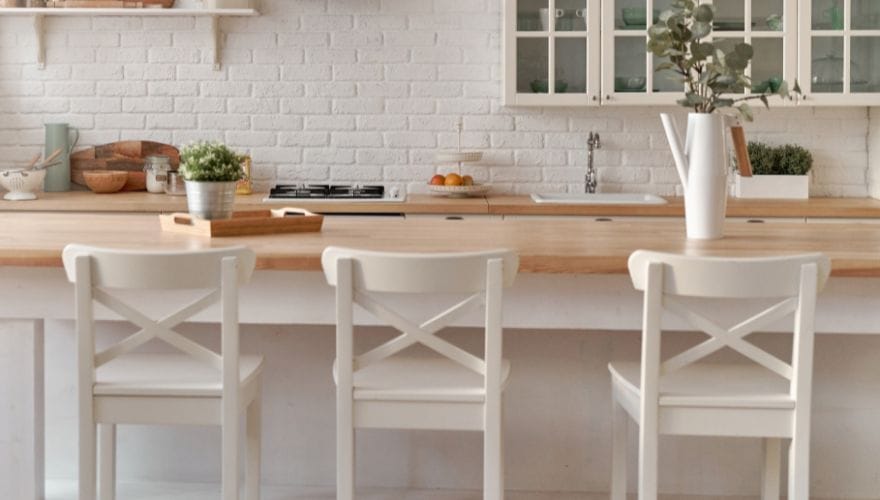
A kitchen island serves multiple roles: food prep station, dining table, home office, and social hub. Because it sits in the center of activity, the seating you choose draws immediate attention. Bar stools are often the first thing guests notice when they walk into the room.
Thoughtfully mixed seating can:
Add texture and warmth to a sleek kitchen
Introduce color without committing to painted cabinets
Reflect your personal style—modern, farmhouse, industrial, or eclectic
Create a relaxed, welcoming atmosphere that encourages people to linger
When done well, a mismatched set looks intentional and inviting. When done poorly, it can feel chaotic or unfinished.
Can You Really Mix and Match Bar Stools?
Absolutely. In fact, matching sets often look stiff and showroom-like. Mixing allows you to play with materials, colors, and silhouettes to create depth. The key is to establish a unifying element—a common thread that ties the different pieces together.
That unifying element can be:
Consistent height
A shared material (e.g., all wood seats, all metal frames)
A repeating color
A similar design style (e.g., all mid-century modern)
Once you have that anchor, you can introduce variation without losing cohesion.
Top Strategies for Mixing and Matching Bar Stools
Here are five proven approaches to create a harmonious mix.
| Strategy | How It Works | Best For |
|---|---|---|
| Same Frame, Different Finish | Choose identical frames but vary upholstery or seat colors | A cohesive look with subtle contrast |
| Same Style, Different Silhouette | Keep the design era consistent but vary back styles (e.g., low-back vs. high-back) | Adding visual rhythm without clashing |
| Color Coordination | Pull accent colors from your kitchen (cabinetry, backsplash, hardware) | Introducing color in a controlled way |
| Texture and Material Play | Combine wood, metal, fabric, and leather in a curated mix | Eclectic, collected, or industrial spaces |
| Uniform Seating with Statement Backs | Use identical seat bases but swap in different backrest designs | A playful yet anchored look |
Strategy 1: Same Frame, Different Finish
This is the safest route for beginners. Choose a single stool frame style (e.g., a simple metal frame) and select two or three different seat finishes—perhaps two in black leather and two in natural wood, or two with woven seats and two with upholstered cushions. The identical silhouette keeps the look clean, while the variations add interest.
Strategy 2: Same Style, Different Silhouette
Stick to one design era (e.g., mid-century modern, industrial, farmhouse) but vary the back heights or shapes. For example, pair two high-back stools at the ends of the island with two low-back or backless stools in the middle. This creates a balanced rhythm and accommodates different comfort preferences.
Strategy 3: Color Coordination
Pull colors directly from your kitchen’s palette. If you have navy cabinets, choose two stools in navy and two in a neutral like warm oak or white. If your backsplash features terracotta tiles, incorporate stools with that hue. This approach makes the seating feel integrated into the overall design.
Also see: How to Choose Bar Stools for Different Counter Heights
Strategy 4: Texture and Material Play
Mix materials to create tactile contrast. Pair:
Metal and wood: Industrial bar stools with a wood seat alongside all-wood stools
Leather and fabric: Two sleek leather stools with two cozy fabric-upholstered ones
Natural and painted: Woven rattan stools with glossy white painted ones
Keep the color palette muted or cohesive to prevent the mix from feeling busy.
Strategy 5: Uniform Seating with Statement Backs
Use the same seat base and cushion throughout, but vary the back design. For instance, choose a simple upholstered seat pad for all four stools, then pair two with a curved back, one with a ladder back, and one with a solid panel. The common seat ties everything together while the backs add personality.
How Many Bar Stools Do You Need?
The number of stools depends on the length of your island. Overcrowding makes seating uncomfortable and disrupts traffic flow. Use this general guide:
| Island Length | Recommended Number of Stools |
|---|---|
| 4–5 feet | 2 stools |
| 6–7 feet | 3 stools |
| 8–9 feet | 4 stools |
| 10+ feet | 5–6 stools (consider grouping in pairs) |
Ergonomic rule: Allow at least 24 inches of width per stool, and 28–30 inches for larger, swivel models. Leave 15–18 inches of clearance behind the stools for comfortable passage.
What Height Should You Choose?
Bar stools come in two standard heights: counter height and bar height.
| Stool Type | Seat Height | Ideal For |
|---|---|---|
| Counter height | 24–27 inches | Standard kitchen islands (34–36 inches high) |
| Bar height | 28–33 inches | Taller bar counters (40–42 inches high) |
Measure your island’s surface height before purchasing. The ideal seat height leaves 9–12 inches between the seat and the countertop for comfortable legroom. If your island has a raised breakfast bar, you’ll likely need bar‑height stools.
Mixing heights: Generally, stick to one height for all stools around the same island. Mixing counter and bar heights on a single island creates an awkward, uneven sightline.
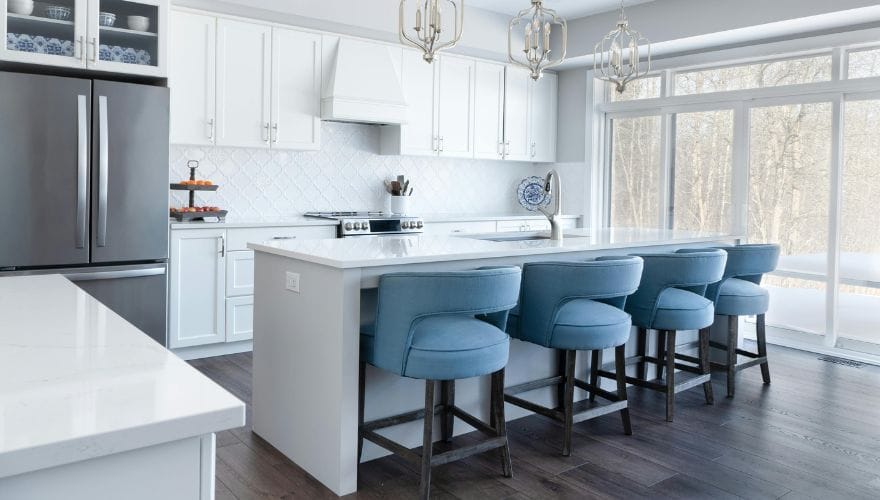
Common Mistakes to Avoid
Even with the best intentions, it’s easy to make missteps. Here are pitfalls to watch for.
1. Overloading the Island
Too many stools crammed together looks cluttered and makes seating uncomfortable. Less is often more.
2. Ignoring the Scale
Oversized, bulky stools can overwhelm a small island, while dainty stools look lost under a massive island. Match stool scale to island scale.
3. Forgetting Function
If you frequently host long dinners, choose stools with backs for comfort. If you need flexibility for a narrow walkway, backless or low-profile stools allow tucking away.
4. Creating Too Much Contrast
Mixing without a unifying element—such as common height, color, or material—can result in a disjointed look. Always anchor your mix with one consistent thread.
5. Neglecting Flooring and Cabinet Finishes
Your stools should harmonize with the room’s permanent elements. If your kitchen has white oak cabinets, wood stools in a similar tone will feel cohesive; contrasting dark wood may feel disconnected.
Also see: Where to Buy the Best Bar Stools? Top 10 Picks & Style Guide
Frequently Asked Questions
1. Can I mix metal and wood bar stools around the same island?
Yes, mixing metal and wood is a classic way to add texture. Keep the finishes complementary—for example, black metal frames with natural oak seats—and ensure the overall style (e.g., industrial, modern) aligns. Using the same seat color or same leg finish can tie them together.
2. Should all my bar stools match exactly?
Not at all. Matching sets can look static. Mixing two or three styles creates visual interest and a more curated, relaxed feel. However, aim for a unifying element like consistent height, material, or color family to maintain cohesion.
3. How do I choose the right height for my kitchen island?
Measure the distance from the floor to the underside of your countertop. Subtract 9–12 inches to determine the ideal seat height. For a standard 36‑inch island, counter‑height stools (24–27 inches) are correct. For a 42‑inch bar counter, choose bar‑height stools (28–33 inches).
4. How many bar stools fit at a 6‑foot island?
A 6‑foot island comfortably accommodates three stools with standard spacing (24 inches per stool). Two stools would leave excess space; four would be too tight for comfortable seating and movement.
5. Can I use backless and backed stools together?
Absolutely. Placing two backless stools in the center and two with backs at the ends creates a balanced, functional arrangement. The backless stools are easier to tuck in and don’t obstruct sightlines, while the end stools provide support for longer seating.
Conclusion
Mixing and matching bar stools around your kitchen island is an opportunity to infuse personality into one of your home’s most used spaces. Whether you choose to vary finishes, play with materials, or coordinate colors, the secret lies in establishing a unifying element that ties the mix together.
Start by measuring your island and determining the correct stool height. Then, select a strategy from this guide that resonates with your style. And remember—comfort and function are just as important as aesthetics. Choose stools that invite people to sit, stay, and connect.
With a thoughtful mix, your kitchen island will not only look beautiful but will truly feel like the heart of your home.
Ready to find the perfect bar stools for your kitchen island? Explore our curated collection of counter‑height and bar‑height seating in a variety of styles, materials, and colors.