







 Meet&Co
You sit down in the morning feeling fine. By 11 a.m., you’re shifting around. By 3 p.m., your lower back feels tight and you’re counting down the minutes until you can stand up. If this sounds familiar, your office chair is probably doing the bare minimum—holding you up, but not really supporting you.
Most budget chairs skip the comfort details. The padding is thin, the lumbar support is missing, and the armrests don’t move. Over a long workday, those small missing pieces add up to real discomfort.
The good news? You don’t need to spend a lot to fix this. A few simple, low-cost adjustments can make a cheap office chair surprisingly comfortable. And if you do decide to upgrade, there are solid budget-friendly chairs that won’t hurt your wallet.
Below, I’ll share four quick fixes you can try right now, plus a few quality budget chairs worth a look.
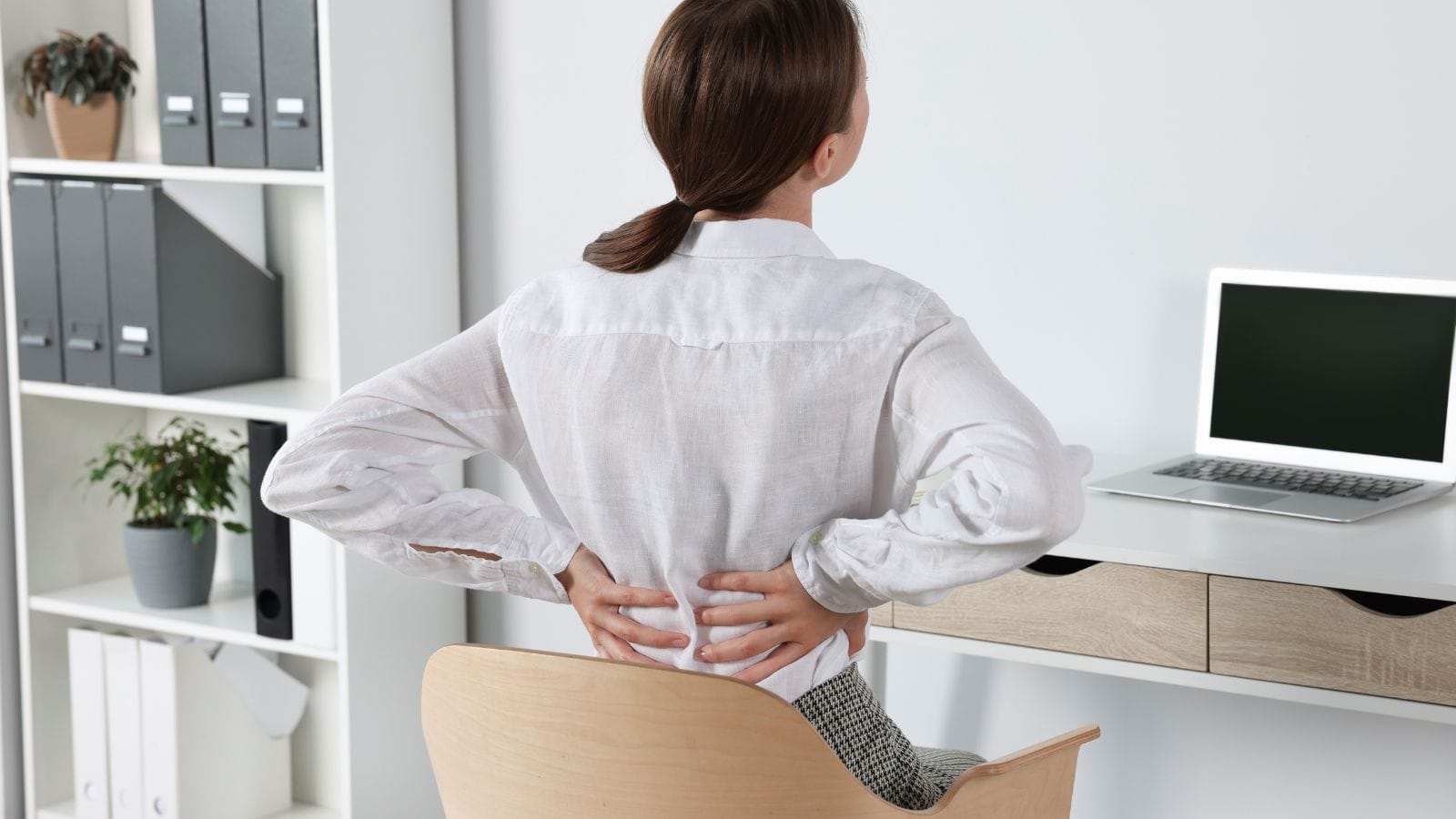
4 Quick Fixes to Make Any Budget Office Chair More Comfortable
These fixes are easy, inexpensive, and work on almost any standard office chair.
Fix 1: Get Your Chair Height Right
A surprising amount of discomfort comes from one thing: your chair is at the wrong height. If your feet don’t rest flat on the floor, your lower back and legs will feel the strain within an hour. A basic chair height adjustment can immediately reduce pressure on your spine.
What to do: Raise or lower your chair so your feet sit flat and your knees form roughly a 90-degree angle, level with your hips. If the chair is too high and your feet dangle, a folded towel or small cushion under your seat can add height. If it’s too low and can’t go any higher, a firm seat cushion gives you the extra lift. Either way, a stable base and proper alignment make a bigger difference than most people expect.
Also see: What is the Standard Chair Height?
Fix 2: Give Your Lower Back Some Love
Most cheap office chairs skip proper lumbar support, leaving your lower back vulnerable to strain. When that gap between your spine and the chair back stays unsupported, you slouch forward and tighten your postural muscles—leading to aches and stiffness.
The simplest solution isn’t fancy at all. Roll up a small towel and tuck it behind your lower back, right at your belt line. This fills the gap and supports your spine’s natural curve without costing a single dollar. If a towel feels too makeshift, you can buy a simple lumbar cushion for around 20 to 40. Either way, plugging that support gap transforms how your back feels by late afternoon.
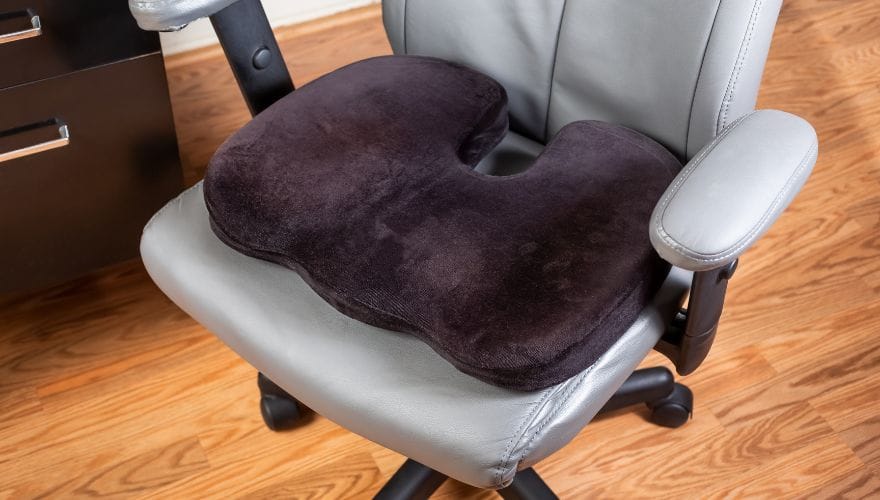
Fix 3: Add a Seat Cushion
If your chair’s padding has gone flat—or was never thick to begin with—your tailbone and hips take the hit. A good seat cushion spreads your weight evenly and prevents pressure points that cause discomfort and poor circulation.
A high-density foam or memory foam cushion dramatically improves comfort on an under-padded seat. You can find solid options in the 30to50 range. If you’re pinching pennies, even a folded blanket draped over the seat adds a layer of relief. The goal is simple: more cushion between you and that hard flat surface.
Fix 4: Fix Your Armrests (or Pretend You Have Some)
When armrests aren’t set right—or don’t exist—your shoulders tense up to hold your arms in position all day, causing upper back and neck strain.
If your chair has adjustable armrests, set them so elbows rest naturally at roughly 90 degrees with forearms parallel to the ground. Your shoulders should stay relaxed, not hunched or shrugged. If the armrests are too low or non-existent, a simple rolled towel draped over each side can create a soft, temporary arm pad. If the armrests are too high or fixed in the wrong spot, consider removing them entirely—when they push your shoulders upward, they sometimes do more harm than good.
Top 4 Quality Budget Options Worth a Look in 2026
Sometimes the fixes help, but you know the chair itself isn’t going to make it. If you’re ready for an upgrade on a budget, here are four solid picks.
Chair 1: Meet&Co Wholesale Mesh Office Chair
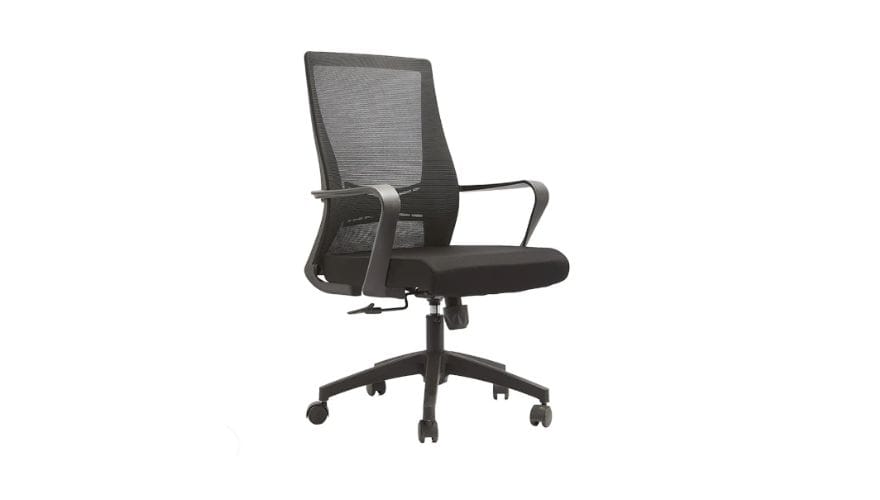
This mesh chair from Meet&Co brings features usually found at much higher price points. The high-resilience mesh back flexes with your body and encourages healthy posture changes, while the synchro-tilt mechanism lets you recline smoothly to promote natural spinal movement and blood flow. The reinforced nylon plastic frame is built to resist sagging over time, so the chair won’t collapse or deform after a year of daily use.
The mesh back is also a major win for staying cool during long workdays—no more sweaty-back syndrome when temperatures rise. Simple lines and a minimalist profile make it look professional in any setup. Factory-direct pricing and a 1–3 year warranty add peace of mind.
Quick pros:
-
Breathable mesh back keeps you cool for long hours
-
Synchro-tilt mechanism encourages healthy movement
-
Sturdy build with reinforced nylon frame
-
Clean, modern look that fits any workspace
Potential drawbacks:
-
Armrest adjustability might be limited compared to high-end options
-
Works best with basic posture awareness—no chair fixes everything
Best for: Anyone who wants an affordable mesh chair with dynamic sitting support and a clean aesthetic, without paying premium-brand prices.
Chair 2: Ticova Ergonomic Office Chair
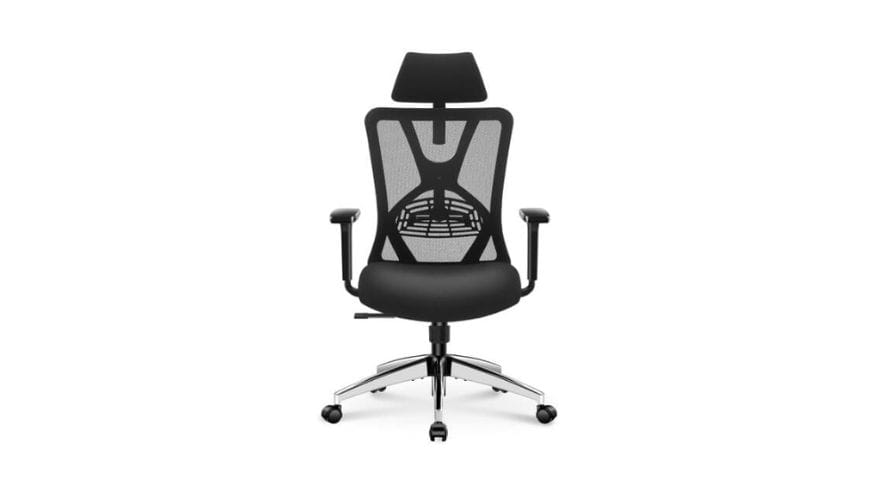
source: https://www.amazon.com/Ticova-Ergonomic-Office-Chair-130%C2%B0Rocking/dp/B07PKF7TY9/ref=sr_1_4?th=1
The Ticova office chair brings a surprising number of adjustments to the under-$200 bracket. Users consistently praise its comfortable headrest and versatile lumbar support, which adjusts both in height and depth. You get tilt-lock, armrest height adjustment, and a contoured backrest that follows your spine better than most chairs in this price range.
Quick pros:
-
High adjustability for the price
-
Supportive headrest and depth-adjustable lumbar
-
Comfortable cushioning for all-day sitting
Potential drawbacks:
-
Long-term durability of the mesh and cushion less tested
-
Assembly takes a little patience
Best for: Home office workers seeking maximum adjustability on a tight budget.
Chair 3: Staples Dexley Mesh Chair

source: https://www.amazon.com/Staples-Dexley-Mesh-Task-Chair/dp/B07Z44KBR7?th=1
The Dexley is widely recommended as one of the best all-mesh chairs you can buy for under $200. It includes a headrest and adjustable lumbar, plus a comfortable seat that fits a broad range of body types. The full mesh design helps with airflow, and the five-year limited warranty gives you some confidence in the purchase.
Quick pros:
-
Full mesh design stays cool
-
Headrest included
-
Good adjustability at a low price
-
5-year limited warranty
Potential drawbacks:
-
Mesh material can feel a bit rough
-
Plastic components won’t match premium chair durability
-
Limited aesthetic appeal—functional more than stylish
Best for: Budget-conscious buyers who want a reliable mesh chair that does the basics well.
Chair 4: Branch Aire All-Mesh Chair
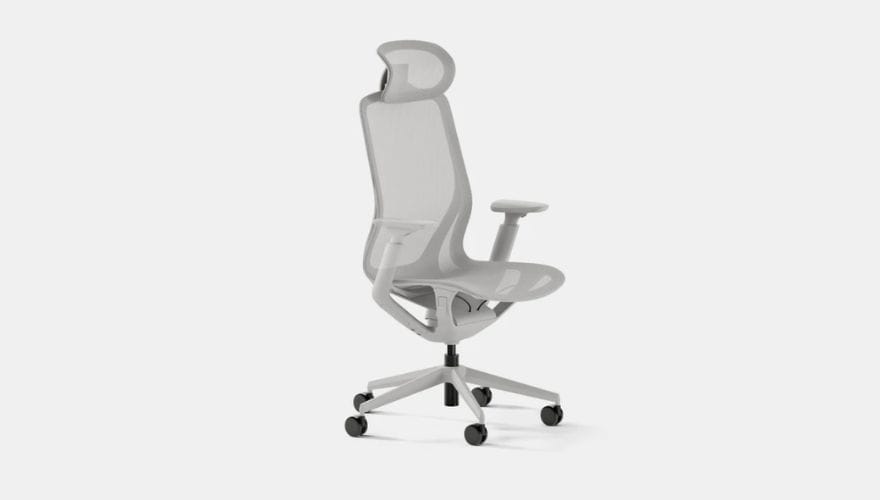
source: https://www.branchfurniture.ca/products/aire-chair?srsltid=AfmBOopCDW-foJ8F77HF2fBQMm4sUs1WTXzIoY55gZHxWYbfsbCL8iAc
If you can stretch your budget a little higher, the Branch Aire offers a lightweight, all-mesh design with a clean minimalist look. Its zoned mesh distributes weight evenly across the backrest, providing support that moves with your body without traditional lumbar hardware. A headrest comes included, and assembly is quick and straightforward.
Quick pros:
-
Lightweight and easy to move between rooms
-
Premium all-mesh feel at a mid-range price
-
Zoned mesh offers adaptive back support
-
Headrest included
Potential drawbacks:
-
No dedicated lumbar adjustment mechanism
-
Limited recline angle compared to pricier chairs
-
Upper end of the budget spectrum (~$499)
Best for: Home office users who want premium all-mesh comfort and a sleek appearance without spending four figures.
Before and After: A Simple Example
Our editor Olivia was working from a basic $80 task chair purchased a few years ago. By mid-afternoon every day, her lower back would feel stiff, and the flattened seat cushion made it hard to stay focused for more than an hour at a time. The chair didn’t have adjustable lumbar support, and the armrests couldn’t be moved.
She tried three of the fixes above: she adjusted the chair height so her feet sat flat, added a rolled towel behind her lower back, and placed a memory foam seat cushion on top of the flattened pad. Total cost for the cushion was about $35. The towel was free.
Two weeks later, the difference was clear. Afternoon back stiffness had noticeably decreased, and she could sit comfortably through longer work sessions without constantly shifting around. Eventually, she upgraded to the Meet&Co Budding Ergonomic Office Chair. But even before the upgrade, those small fixes had already made her workday dramatically more comfortable.
The Bottom Line
You don’t need a luxury chair to feel better at your desk. The right height, a bit of lumbar support, enough cushion, and properly positioned armrests can turn a mediocre chair into something you can actually work in all day. These fixes cost almost nothing and take minutes to try.
And when you’re ready for a new chair, you’ll find quality options that don’t require a four-figure budget. Start with the quick fixes. Your back will thank you by lunchtime.
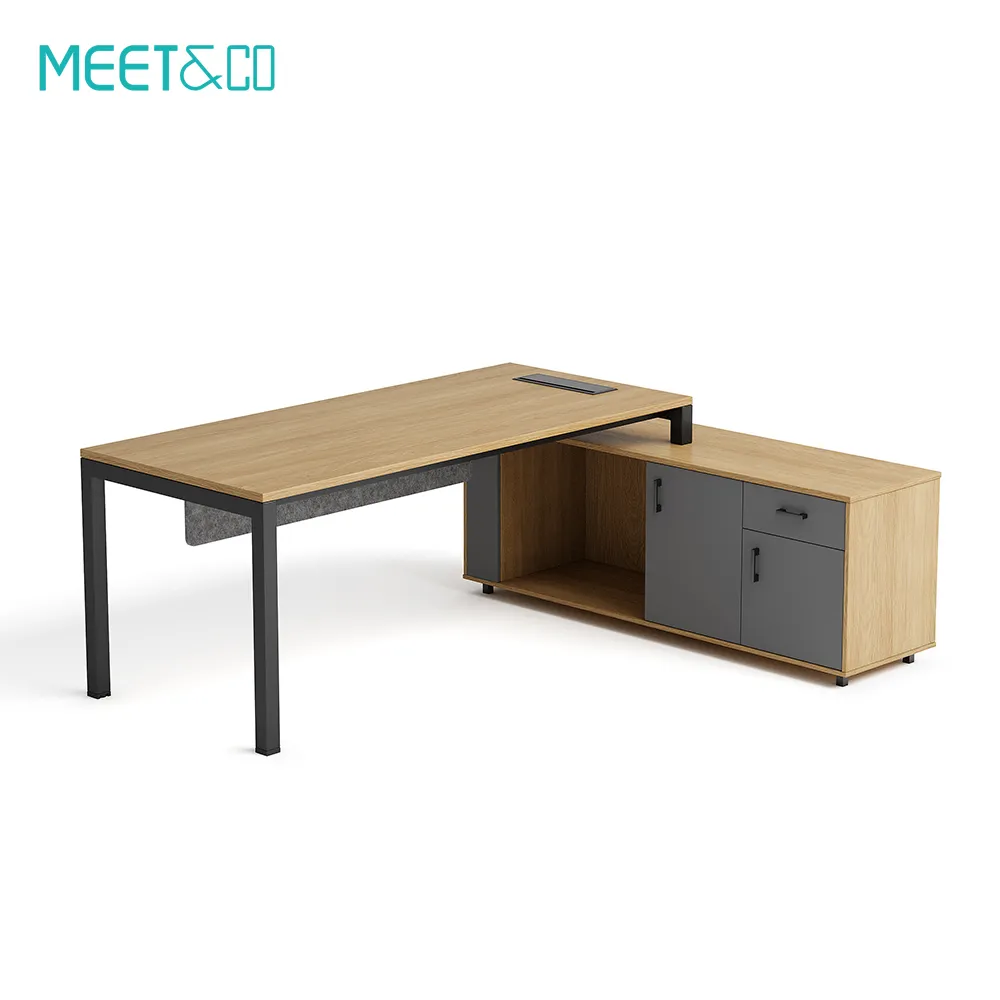

_9.webp)
_1-1.webp)
