








 Meet&Co
A quality leather chair is an investment. Whether you’ve invested in a premium executive model for your home office or splurged on a high-end ergonomic chair, that chair represents both significant cost and the promise of years of comfortable, professional seating. But leather isn’t indestructible—and without proper care, even the finest leather can crack, fade, or peel long before its time.
The good news? Maintaining a leather chair isn’t complicated. With the right techniques and a little regular attention, you can keep your chair looking beautiful and functioning perfectly for 10, 15, even 20 years. This guide covers everything you need to know: from identifying what type of leather you actually have, to daily maintenance routines, deep cleaning, and common mistakes to avoid.
Why Leather Chair Maintenance Matters
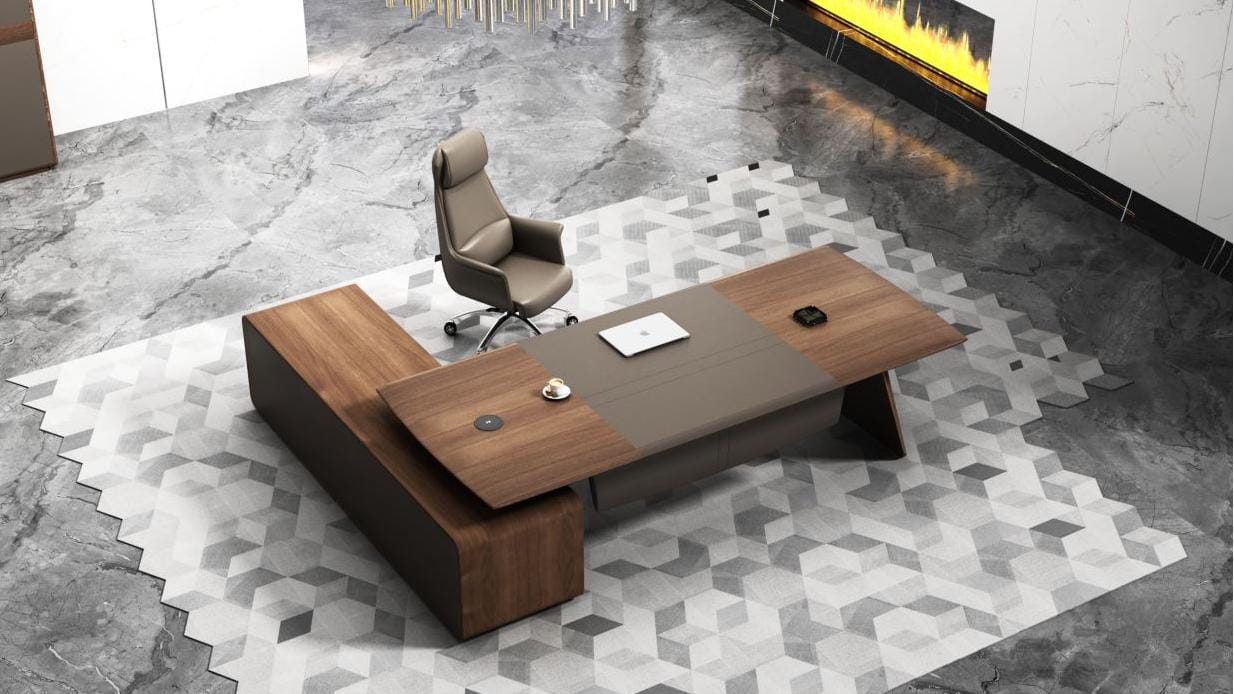
Leather is a natural material that requires care to maintain its suppleness and appearance. Unlike fabric or mesh, leather can dry out, crack, and fade when neglected. Proper maintenance isn’t just about looks—it preserves the structural integrity of the chair.
| Benefit of Regular Maintenance | Why It Matters |
| Prevents cracking | Dry leather becomes brittle and splits |
| Maintains appearance | Conditioning preserves color and luster |
| Extends lifespan | Well-maintained leather lasts 15–20+ years |
| Preserves comfort | Supple leather conforms to your body |
| Protects investment | A cared-for chair retains value |
First: Identify Your Leather Type
Before cleaning or conditioning, you must know what type of leather you’re dealing with. Different leathers require completely different care approaches. Using the wrong product can cause irreversible damage.
| Leather Type | What It Is | Durability | How to Identify | Care Approach |
| Full-grain leather | Top layer of hide; natural surface | Excellent | Visible natural grain; marks and imperfections | Clean + condition regularly |
| Top-grain leather | Sanded and refinished hide | Excellent | Smooth, uniform surface | Clean + condition regularly |
| Corrected-grain leather | Buffed to remove imperfections, embossed | Good | Artificial grain pattern; very uniform | Clean + condition; gentler products |
| Bonded leather | Leather scraps bonded to polyurethane | Poor | Thin surface layer; often has fabric backing | Clean only; never condition |
| PU leather / Faux leather | 100% synthetic polyurethane | Moderate | No natural grain; often has backing | Clean only; never condition |
The Critical Distinction
The most common mistake in leather chair care is treating bonded leather like genuine leather. Bonded leather should never be conditioned—conditioners can accelerate peeling by softening the adhesive layer beneath the polyurethane coating. If you’re unsure what type of leather you have, check the manufacturer’s label or assume it’s bonded and use only gentle cleaning.
Also see: Mesh vs. Fabric vs. Leather: Which Office Chair Material Wins?
Daily and Weekly Care
Daily Habits
| Task | How to Do It | Why It Matters |
| Wipe spills immediately | Blot with clean, dry cloth; never rub | Prevents moisture from penetrating seams |
| Avoid direct sunlight | Position chair away from windows | UV rays fade and dry leather |
| Keep heat sources away | Maintain distance from radiators, vents | Heat accelerates drying and cracking |
Weekly Cleaning
| Task | Genuine Leather | Bonded/Faux Leather |
| Dust removal | Wipe with dry microfiber cloth | Wipe with dry microfiber cloth |
| Light cleaning | Damp cloth (water only) or mild soap solution | Damp cloth (water only) or mild soap solution |
| Drying | Buff with dry cloth immediately | Buff with dry cloth immediately |
Mild soap solution: Mix a few drops of gentle, pH-balanced liquid soap (like castile soap) with distilled water. Avoid dish soaps that contain degreasers or harsh chemicals.
Deep Cleaning (Every 3–6 Months)
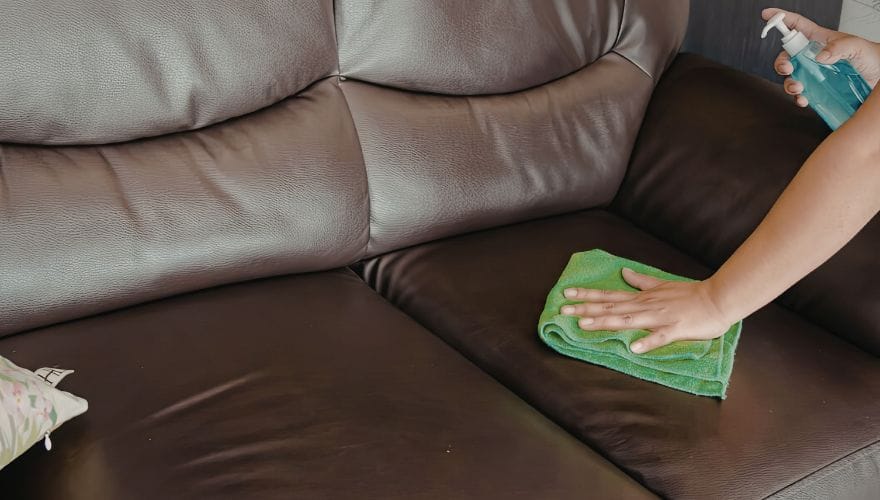
For Genuine Leather
- Vacuum crevices and seams with soft brush attachment
- Clean with leather cleaner or mild soap solution using soft cloth
- Test cleaner on hidden area first (under the seat or inside edge)
- Apply cleaner in circular motions; don’t saturate
- Wipe away residue with clean, damp cloth
- Dry thoroughly with clean, dry cloth
- Condition (see section below)
For Bonded and Faux Leather
- Vacuum crevices and seams
- Clean with mild soap solution; never use leather conditioner
- Wipe with damp cloth; avoid oversaturation
- Dry thoroughly
- Inspect for peeling—if present, no cleaning will restore; consider replacement
Warning: Never use alcohol, ammonia, or bleach on any leather type. These chemicals strip protective coatings and accelerate deterioration.
Conditioning Genuine Leather
Conditioning is essential for genuine leather but optional for top-grain and corrected-grain. It replenishes natural oils that evaporate over time, keeping leather supple and preventing cracks.
When to Condition
- New chair: Condition after 6–12 months of use
- Established chair: Every 6–12 months depending on climate and use
- Signs you need to condition: Leather feels dry, looks dull, or feels stiff
How to Condition
- Clean leather thoroughly first (never condition over dirt)
- Apply conditioner sparingly to soft cloth (never pour directly on chair)
- Rub in circular motions, working into seams
- Let absorb for 10–15 minutes
- Buff with clean, dry cloth to remove excess
What to Look For in a Conditioner
| Feature | Why It Matters |
| pH-balanced | Won’t damage leather’s natural chemistry |
| No silicones | Silicones create buildup that prevents future conditioning |
| No petroleum distillates | Can dry leather over time |
| UV protection | Helps prevent fading from sunlight |
Recommended products: Lexol Leather Conditioner, Chamberlain’s Leather Milk, or furniture-specific products from quality manufacturers.
How to Protect Your Leather Chair
Environmental Protection
| Threat | Solution |
| Sunlight | Position away from windows; use UV-protective window film |
| Heat | Keep at least 3 feet from radiators, space heaters |
| Humidity | Avoid extreme dryness (use humidifier in winter) |
| Direct contact | Rotate seating position; avoid sitting in wet clothing |
Protection from Pets and Children
| Threat | Prevention |
| Cat scratches | Provide scratching posts near chair; consider deterrent sprays |
| Dog nails | Keep nails trimmed; use throw blanket when pets are on chair |
| Spills | Keep drinks on separate surface; use stain-resistant spray (test first) |
Common Leather Chair Problems and Solutions
| Problem | Cause | Solution |
| Cracking | Dryness, age, sunlight | Prevent with regular conditioning; cracks can’t be reversed |
| Peeling | Bonded leather failure | Cannot be repaired; replacement is only option |
| Stains | Ink, oil, food | Act quickly; blot; use leather-specific stain remover |
| Fading | Sun exposure | Move chair; use leather dye or color restorer |
| Sticky surface | Oil buildup or adhesive breakdown | Clean with mild soap; if bonded leather, replacement needed |
| Scratches | Pets, sharp objects | For genuine leather, minor scratches may buff out; deeper scratches need repair kit |
Stain Removal Guide
| Stain Type | Genuine Leather | Bonded/Faux Leather |
| Ink | Dab with rubbing alcohol; act immediately | Same; may not remove completely |
| Oil/grease | Sprinkle cornstarch, let sit overnight, wipe | Same; may leave shadow |
| Water spots | Gently rub with damp cloth; condition afterward | Wipe with damp cloth; dry |
| Mold/mildew | Clean with 1:1 water/vinegar solution; dry thoroughly | Same; discard if severe |
When to Replace Instead of Repair
Not all leather chairs can be saved. Consider replacement when:
| Sign | Why Replacement Is Needed |
| Bonded leather peeling | Cannot be repaired; peeling will continue |
| Structural damage | Cracked frame, broken mechanism, failing gas cylinder |
| Deep cracks in genuine leather | Beyond conditioning; leather has lost integrity |
| Persistent odor | Mold or mildew in foam; cannot be fully cleaned |
Three Leather Chairs Worth Maintaining
If you’re considering a leather chair investment—or already own one—these models are known for their quality and longevity when properly maintained.
1. Herman Miller Aeron with Leather Options – Premium Choice
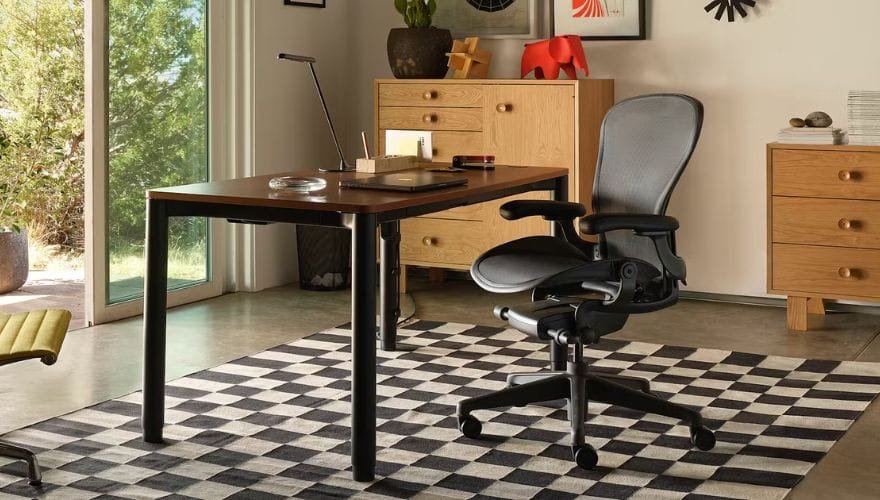
(Source: Herman Miller)
While the Aeron is famous for its Pellicle mesh, Herman Miller offers leather seat and back options for those who prefer upholstery. The chair retains the Aeron’s ergonomic excellence—PostureFit SL lumbar support, 8Z Pellicle back (if choosing mesh back with leather seat), and 12-year warranty.
- Pros: Best-in-class ergonomics, exceptional durability, 12-year warranty, holds value
- Cons: Very expensive ($1,500–2,500), leather options limited
- Best for: Users wanting premium ergonomics with leather comfort; long-term investment
2. Steelcase Leap with Leather Upholstery – Best Ergonomic Leather Chair

Image source: steelcase.com
The Steelcase Leap is one of the most adjustable chairs on the market, and when upholstered in genuine leather, it combines ergonomic excellence with professional aesthetics. The Leap’s LiveBack technology flexes with your spine, and the seat depth adjusts for proper thigh support.
- Pros: Exceptional adjustability, durable leather options, 12-year warranty
- Cons: Premium pricing ($1,200–1,800), leather adds cost
- Best for: Users needing extensive adjustability in a professional package
3. Meet&Co Ergonomic Executive Leather Chair – Value Leather Option

For budget-conscious buyers who want the look of leather, the Meet&Co Ergonomic Executive Leather Chair offers real or PU leather upholstery with Meet&Co’s signature layered cushioning. It includes a contoured lumbar zone and elevated headrest. It offers affordable entry to leather aesthetics.
- Pros: Affordable, comfortable cushioning, professional look
- Cons: PU leather will peel over time, limited adjustability
- Best for: Budget concious buyers, rental spaces, those wanting leather look without premium investment
FAQ about Leather Office Chairs
1. How often should I condition my leather chair?
Every 6–12 months for genuine leather. In dry climates or with heavy use, condition more frequently. Never condition bonded or faux leather.
2. Can I use olive oil or coconut oil on leather?
No. Household oils can go rancid, attract dirt, and damage leather’s finish. Use only products specifically formulated for leather.
3. My bonded leather is peeling—can I fix it?
No. Peeling indicates the polyurethane coating has separated from the backing. No repair is effective; replacement is the only option.
4. How do I remove cat scratches from leather?
Minor scratches on genuine leather may buff out with gentle rubbing. Deep scratches may require leather repair kits. Prevention (scratching posts, deterrent sprays) is the best approach.
5. Is it safe to use leather wipes?
It depends. Quality leather wipes (like Weiman) are fine for light cleaning but don’t replace proper conditioning. Avoid wipes with harsh chemicals or alcohol.
6. How do I clean white leather that has yellowed?
Yellowing often results from sun exposure or body oils. Clean with leather cleaner, then use a leather brightener or color restorer. Prevention: avoid direct sunlight.
7. Can I leave my leather chair in a sunny room?
Avoid if possible. UV rays fade and dry leather. If unavoidable, use UV-protective window film and condition more frequently.
Conclusion
A quality leather chair can serve you for a decade or more—but only with proper care. The key principles are simple:
- Know your leather type: Genuine leather needs conditioning; bonded leather never does
- Clean regularly: Weekly dusting and immediate spill response prevent buildup
- Condition genuine leather: Every 6–12 months to maintain suppleness
- Protect from sun and heat: Position away from windows and radiators
- Address problems early: Small stains and minor dryness are easier to fix than cracks
Your leather chair is an investment worth protecting. With the routine outlined here—minutes per week, an hour every few months—you can keep it looking and feeling like new for years to come.

_29.webp)


