








 Meet&Co
Dyeing a leather sofa can completely transform its look, restore faded color, and even fix scratches or minor damage.
If you are wondering how to dye leather sofa at home, you’ve come to the right place.
In this guide, we’ll walk you through everything from preparation to post-dyeing care, making sure your sofa looks fresh and vibrant without risking damage to the leather.
Whether you have a black, brown, or faded leather sofa, these techniques will help you achieve professional results from the comfort of your home.
1. Introduction: Why Dye Your Leather Sofa?
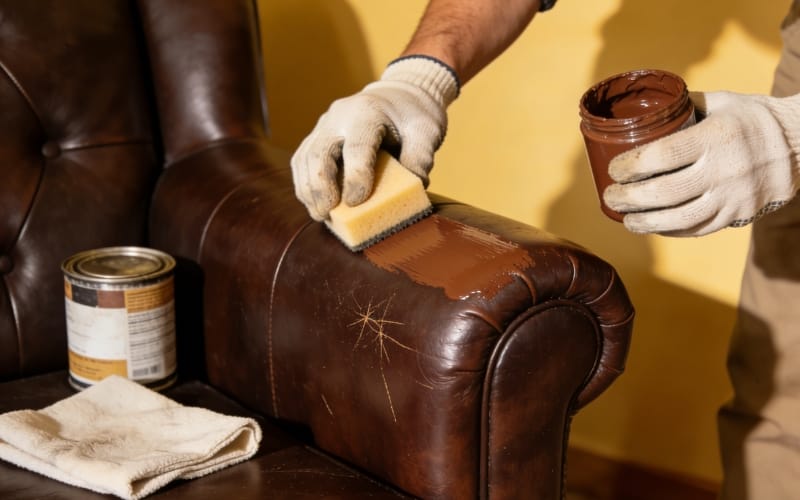
Quality leather sofas are a long-term investment, but over time, they can lose their original luster due to fading, sun exposure, spills, and daily wear.
Dyeing your leather sofa offers several benefits:
Restore color: Bring back the rich, original tone of your leather.
Repair scratches and scuffs: A new layer of dye can mask minor damage.
Change style: Update your living space with a fresh new color.
Most DIY articles overlook one critical point: different leather types require different techniques.
For instance, top-grain leather reacts differently to dye than bonded or faux leather.
Understanding your sofa’s material is key before starting the dyeing process.
2. Materials and Tools Needed
Before you start dyeing, it’s essential to gather all the necessary materials.
Skipping this step can lead to uneven coloring or damage. Here’s what you’ll need:
Leather dye: Available in liquid, cream, or spray forms. Choose a shade that matches your original color or your desired new color.
Leather cleaner: Removes dirt, oils, and old polish.
Leather prep/stripper: For old dyed or heavily finished surfaces.
Sponges, brushes, or cloths: For applying the dye evenly.
Protective gear: Gloves, masks, and old clothing.
Optional: Eco-friendly or low-odor dye alternatives, especially for indoor projects.
3. Preparing Your Leather Sofa
Preparation is the foundation of a successful dyeing process. Here’s how to do it:
Clean thoroughly: Use a leather cleaner to remove dirt, grease, and residues. For stubborn stains, a gentle leather prep solution works best.
Strip old finish (if necessary): For older or heavily treated sofas, use a leather stripper to remove previous coatings. This step ensures the new dye adheres properly.
Test patch: Always test a small, hidden area to check color compatibility and leather reaction.
Protect surroundings: Cover floors and nearby furniture with old sheets or plastic. Leather dye can stain easily.
Choose your method: Decide whether to use a brush, sponge, or spray for your sofa, based on your sofa’s size and leather type.
Different leather types require extra attention:
Top-grain leather(such as Mandis Leather Sectional Sofa and Rose Office Leather Sofa) : Can take more layers of dye but may show streaks if applied too thickly.
Bonded leather: More sensitive; use thin, even coats.
PU/faux leather: Limited color absorption, consider specialty dyes designed for synthetic surfaces.
4. Step-by-Step Leather Sofa Dyeing Process
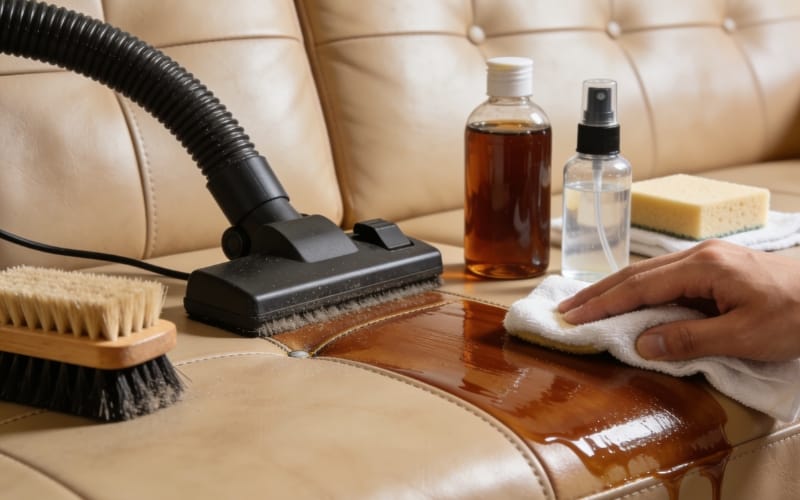
Step 1: Test Patch First
Always start with a hidden area. This ensures the dye will produce the expected color and that your leather isn’t overly sensitive.
Step 2: Section the Sofa
Divide the real leather sofa into small sections. This prevents uneven drying and allows you to focus on detail areas like armrests, seams, and cushions.
Step 3: Apply Dye Evenly
Use a sponge or brush to apply thin, even layers.
Work in circular motions to avoid streaks.
Avoid over-saturating one spot; multiple thin layers are better than a single heavy coat.
Step 4: Layering Technique
Allow each layer to dry completely before applying the next (typically 2–4 hours).
Light sanding between layers can help create a smooth, professional finish.
Step 5: Final Touches
Inspect seams and edges for missed spots.
Touch up carefully with a small brush if needed.
Remove protective coverings and clean any accidental stains immediately.
5. Post-Dyeing Care and Maintenance
Once your sofa is dyed, proper aftercare ensures the color lasts and leather stays soft:
Conditioning: Apply a leather conditioner after the dye is fully dry to restore moisture.
Sealing: Consider a leather finish or sealant to prevent color transfer.
Regular care: Wipe with a damp cloth, avoid direct sunlight, and recondition every 3–6 months.
Seasonal tips: During dry winters, extra moisturizing helps prevent cracks.
6. Common Problems and Troubleshooting
| Problem | Cause | Solution |
|---|---|---|
| Uneven color | Inconsistent application | Apply thin layers, use circular motion |
| Streaks | Over-saturating areas | Light sanding, reapply thin layer |
| Dye transfer | Insufficient drying | Allow 24–48 hours to fully cure |
| Cracks or scratches | Dry leather | Condition thoroughly, avoid thick coats |
Pro tip: Always monitor humidity and temperature. High humidity can affect drying, while very dry air may cause the leather to stiffen.
7. Safety and Eco-Friendly Tips
Dyeing leather at home involves chemicals. Keep these precautions in mind:
Work in a well-ventilated area to reduce inhalation of fumes.
Wear gloves, masks, and protective clothing.
Use low-toxicity, water-based, or natural dyes where possible.
Dispose of leftover dye and cleaning materials responsibly to avoid environmental contamination.
8. Conclusion and Recommended Products
Dyeing your genuine leather sofa at home can be rewarding and cost-effective when done correctly. Key takeaways:
Prepare thoroughly and know your leather type.
Apply dye in thin, even layers and allow proper drying time.
Condition and seal the leather to maintain longevity.
For high-quality leather sofas and care products that are easy to dye and maintain, check out Meet&Co.
Their curated collection of sofas ensures style, durability, and compatibility with DIY leather care projects.
By following this guide, you can transform a faded or scratched leather sofa into a vibrant centerpiece for your living space, achieving professional results without leaving your home.
Frequently Asked Questions (FAQ)
Yes, you can. With proper preparation, the right materials, and careful application, DIY dyeing is achievable.
Always test a small hidden area first and follow step-by-step instructions.
Typically, the dye will dry to the touch in 2–4 hours, but it may take 24–48 hours for the color to fully set.
Avoid sitting or placing objects on the sofa during this period.
Changing from a very dark color to a lighter one can be difficult.
You may need to use a leather stripper first to remove the old dye, then apply multiple thin coats of the new color. Always do a test patch first.
It’s recommended to condition your sofa every 3–6 months, depending on usage and indoor climate.
Proper conditioning keeps the leather soft, moisturized, and helps maintain the dye color.
Yes, there are water-based, low-VOC, or natural leather dyes available. They are safer for indoor use and have less chemical odor.