







 Meet&Co
Cleaning a wooden desk or table is an essential part of maintaining a beautiful and functional workspace.
In this guide, we’ll explain how to clean wood table surfaces safely and effectively, whether it’s your home office desk or a large conference table.
Proper cleaning techniques not only keep your furniture looking polished but also extend its lifespan.
From daily dusting to deep stain removal, this guide covers everything, including tips for specific products like the Warnock Series A L-Shaped Executive Desk and the Minotti Conference Table.
Understanding Your Wood Table
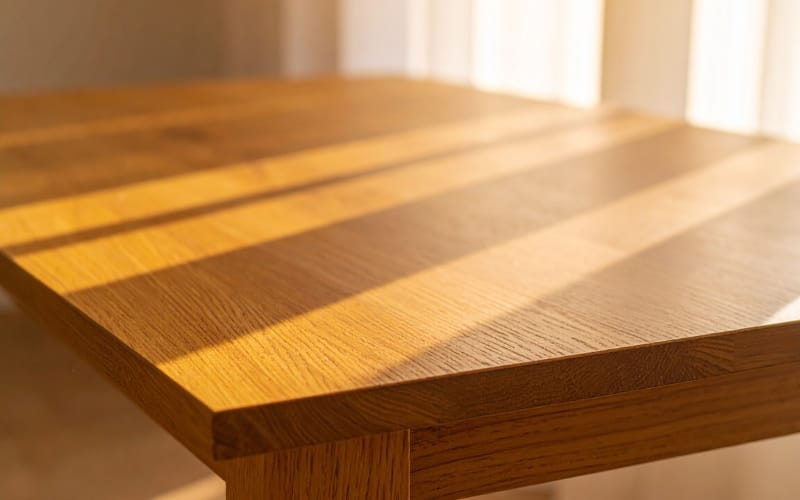
Before starting, it’s important to understand the type of wood table you have.
Different wood types and finishes require different care methods to prevent damage.
Types of Wood Tables
- Solid Wood Tables: Examples include oak, maple, and walnut. These are durable but sensitive to moisture and harsh chemicals. Use a slightly damp cloth and mild soap.
- Composite Wood or Particleboard: Often found in budget office furniture, these surfaces should not be overexposed to water. Wipe gently with a barely damp cloth.
- Veneer Tables: Thin wood layers over a base material. Excess water can peel the veneer, so use minimal moisture.
Common Wood Finishes
- Varnish or Gloss Finish: Can handle mild cleaning solutions, such as warm water and a few drops of dish soap. Avoid abrasive scrubbing.
- Wax Finish: Requires dry dusting or specialized wax polish.
- Oil Finish: Sensitive to water, best maintained with oil-based cleaners or conditioners.
By understanding your table type and finish, you can choose the safest cleaning method.
Daily Cleaning for Wood Tables
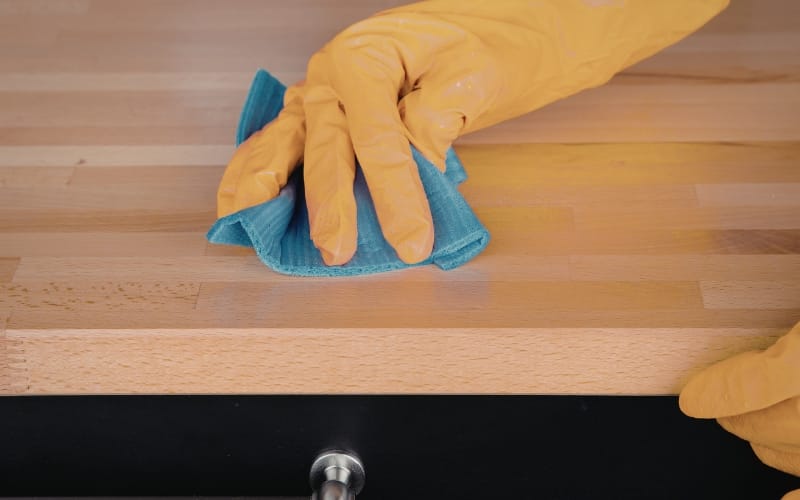
Daily cleaning is about removing dust, preventing scratches, and keeping the surface polished.
Basic Dusting and Wiping Techniques
Use a soft microfiber cloth to remove dust. Avoid spraying cleaners directly onto the surface, which can seep into seams and damage the wood.
For example, on a Warnock Series A Executive Desk, always wipe along the grain to prevent streaking.
DIY Gentle Cleaning Solutions
- Mix warm water with a few drops of mild dish soap.
- Dampen a cloth, wring thoroughly, and wipe the surface.
- Immediately dry the surface with a clean, dry cloth.
Avoid harsh chemicals like ammonia or bleach, which can strip the finish.
Tips to Avoid Damage
- Never use a hard-bristled brush on wood.
- Avoid letting water sit on the surface.
- Test any cleaning solution on a small, inconspicuous area first.
Deep Cleaning and Stain Removal
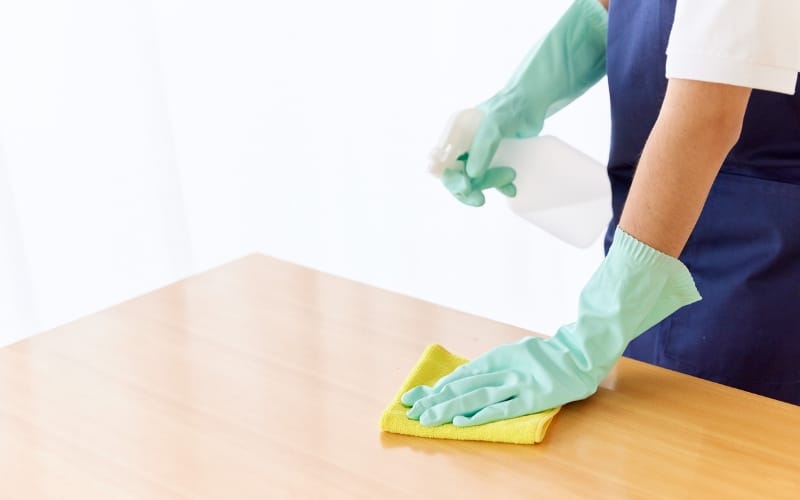
Some stains or sticky residues require deeper cleaning methods.
Removing Tough Stains
- Coffee, Wine, Ink, or Oil Stains: Apply a solution of vinegar and olive oil or use a specialized wood cleaner.
- Work gently with a soft cloth along the grain.
On larger surfaces like the Minotti Conference Office Table, deep cleaning should be done carefully to maintain even finish and avoid streaking.
Home Remedies vs Commercial Products
- Home Remedies: Vinegar, olive oil, and mild soap solutions.
- Commercial Cleaners: Choose products designed for wood surfaces, like furniture polish or oil-based cleaners.
When to Call a Professional
For severe scratches, burn marks, or deep-set stains, professional restoration may be necessary.
Professionals can safely handle delicate finishes and restore your table without damage.
Seasonal Deep Cleaning Schedule
- Spring/Fall: Deep clean and apply protective wax or oil.
- Summer: Watch humidity levels to prevent warping.
- Winter: Use a humidifier to prevent wood from drying out and cracking.
Maintaining and Protecting Your Wood Table
Protection is just as important as cleaning. Proper maintenance ensures longevity.
Polishing and Waxing Tips
- Polish every 4–6 weeks depending on usage.
- Use a small amount of furniture wax, buff gently.
Preventive Measures
- Use coasters, desk pads, or placemats.
- Avoid direct sunlight to prevent fading.
- Place furniture away from heat sources.
Humidity and Temperature Control
Wood is sensitive to environmental changes. Maintain stable room humidity and temperature to prevent cracking or warping.
Common Mistakes to Avoid
- Using bleach, ammonia, or abrasive cleaners.
- Letting water sit on the table.
- Ignoring wood type or finish when selecting cleaning methods.
- Over-polishing or using inappropriate oils.
- Not considering seasonal environmental factors.
Avoiding these mistakes will keep your wood table looking great and maintain its structural integrity.
FAQs
Can I use vinegar on all wood tables?
Only on finished wood surfaces. Avoid raw or waxed finishes. Always test on a hidden area first.
How often should I polish my wooden desk?
Generally, every 4–6 weeks. High-use desks like the Warnock Series A L-Shaped Executive Desk may need more frequent polishing.
What’s the safest way to remove ink stains?
Use a small amount of vinegar mixed with olive oil. Rub gently along the wood grain with a soft cloth.
Conclusion
Learning how to clean wood table properly ensures your furniture stays beautiful and lasts for years.
From daily dusting to seasonal deep cleaning, following safe cleaning methods protects your investment.
For more premium wood office furniture and cleaning tips, check out Meet&Co for a range of high-quality desks and conference tables.
_12.webp)
_17.webp)