





 Meet&Co
Plastic chairs are everywhere in commercial settings—schools, offices, cafeterias, conference centers, and event venues. They’re lightweight, durable, and easy to move, but they also see constant use and exposure to spills, germs, and dirt. In high-traffic environments, regular cleaning isn’t just about appearance—it’s about hygiene, safety, and extending the life of your furniture.
Properly cleaning and sanitizing commercial plastic chairs requires the right techniques, products, and frequency. Too harsh, and you’ll damage the finish. Too gentle, and you’ll leave behind harmful bacteria. This guide provides a practical, step-by-step approach to keeping your plastic chairs spotless, sanitary, and looking their best for years.
Why Cleaning and Sanitizing Plastic Chairs Matters
In commercial environments, plastic chairs face unique challenges:
High turnover: Dozens or hundreds of users daily
Spills: Food, drinks, ink, bodily fluids
Germ transmission: Viruses and bacteria can survive on plastic surfaces for hours to days
Aesthetic wear: Dirt buildup, scuff marks, and fading
Regular cleaning removes visible dirt and prevents buildup. Sanitizing—reducing microorganisms to safe levels—protects occupants from illness. In schools, healthcare settings, and food service areas, sanitizing is often a regulatory requirement.
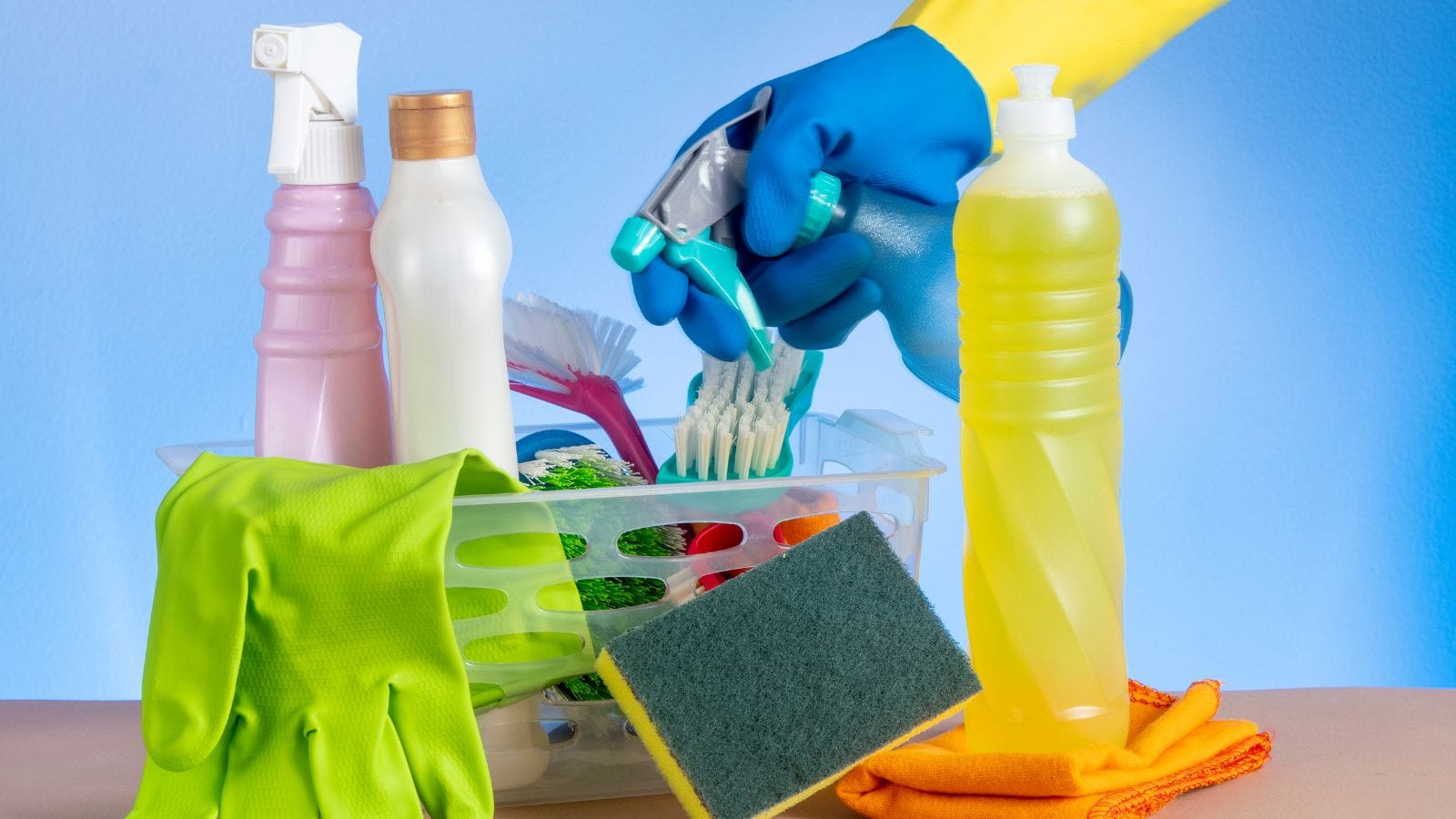
What You’ll Need: Cleaning Supplies
Before starting, gather the right tools and products.
| Item | Purpose |
|---|---|
| Soft microfiber cloths | Gentle cleaning without scratching |
| Non-abrasive sponge | For stubborn spots |
| Mild dish soap | General cleaning |
| Baking soda | Removing scuffs and odors |
| Isopropyl alcohol (70%) | Sanitizing and ink removal |
| Hydrogen peroxide | Alternative sanitizer; safe on most plastics |
| White vinegar | Natural cleaner for light soil |
| Soft-bristle brush | For textured surfaces |
| Bucket | Mixing solutions |
| Rubber gloves | Skin protection |
| Spray bottle | Applying sanitizers |
| Microfiber drying cloth | Preventing water spots |
Step 1: Identify the Type of Plastic
Not all plastics react the same way to cleaning products. Most commercial chairs are made from:
Polypropylene (PP): Most common; durable, chemical-resistant
Polyethylene (PE): Often used in molded chairs; softer, more prone to scratching
Polycarbonate (PC): Used in transparent or high-impact chairs; can be damaged by ammonia or alcohol
Fiberglass-reinforced plastic: Heavy-duty; used in outdoor or high-use settings
Test first: Always test any cleaning product on a hidden area (under the seat) before full application.
Step 2: Routine Cleaning (Daily or Weekly)
For chairs in regular use, perform routine cleaning to prevent buildup.
Procedure:
Remove loose debris: Wipe with a dry microfiber cloth or use a vacuum with a brush attachment to remove dust, crumbs, and hair from crevices.
Prepare cleaning solution: Mix a few drops of mild dish soap with warm water in a bucket.
Wipe down: Dip a microfiber cloth into the solution, wring thoroughly, and wipe all surfaces—seat, back, legs, and underside.
Rinse: Wipe with a clean, damp cloth (water only) to remove soap residue.
Dry: Use a dry microfiber cloth to prevent water spots and streaks.
Frequency:
Schools: Daily (especially in cafeterias and early childhood rooms)
Offices: Weekly, or more often in high-use areas
Event venues: After each use
Step 3: Deep Cleaning (Monthly or as Needed)
For built-up grime, scuff marks, or stains, deep cleaning restores appearance.
Removing Scuff Marks
Black scuff marks from shoes are common on chair legs and bases.
Method 1: Sprinkle baking soda on a damp sponge; gently rub the scuff in a circular motion. Wipe clean.
Method 2: Use a magic eraser (melamine foam) lightly dampened. Test on an inconspicuous area first—some matte finishes can become shiny.
Method 3: Apply a small amount of non-gel toothpaste to a cloth; rub the scuff; wipe clean.
Removing Stains (Ink, Food, Marker)
Ink: Dab with isopropyl alcohol (70%) using a cotton swab. Blot—don’t rub—to lift the ink. Rinse immediately.
Food and drink: Create a paste of baking soda and water; apply to the stain; let sit for 10–15 minutes; scrub gently; rinse.
Permanent marker: Apply rubbing alcohol or hand sanitizer; let sit for 30 seconds; wipe clean.
Cleaning Textured or Woven Plastic
Textured surfaces trap dirt. Use a soft-bristle brush with soapy water, working in circular motions. Rinse thoroughly and dry.
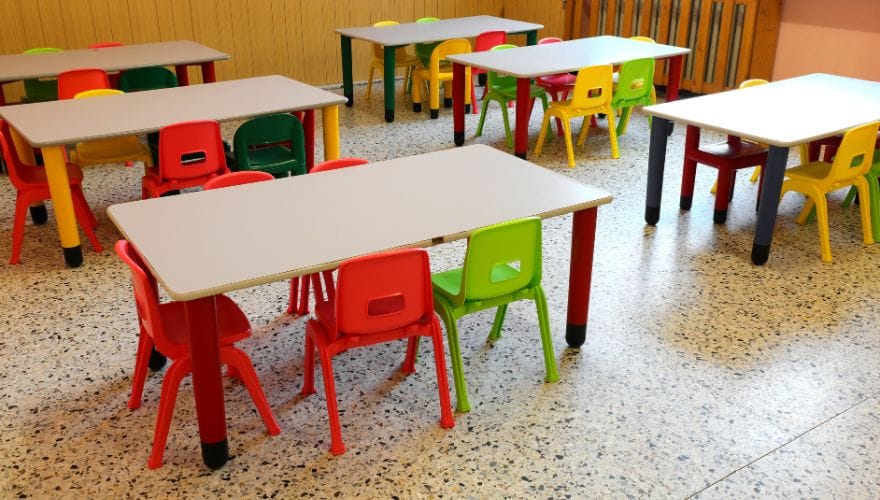
Step 4: Sanitizing and Disinfecting
Sanitizing reduces bacteria to safe levels; disinfecting kills a broader range of pathogens. For commercial settings, regular sanitizing is essential.
Approved Disinfectants for Plastic Chairs
| Disinfectant | Effectiveness | Considerations |
|---|---|---|
| 70% isopropyl alcohol | Kills bacteria, viruses, fungi | Evaporates quickly; safe on most plastics; no rinse needed |
| Diluted bleach solution | Broad-spectrum disinfectant | Mix 1/3 cup bleach per gallon of water; rinse after 5–10 minutes; can degrade plastic with repeated use |
| Hydrogen peroxide (3%) | Effective against bacteria, viruses | No rinse needed; safe on most plastics; may cause fading on colored plastics over time |
| Quaternary ammonium compounds (quats) | Common in commercial disinfectant wipes | Follow dwell time (usually 1–4 minutes); rinse food-contact surfaces |
| Vinegar | Mild sanitizer | Effective against some bacteria; not effective against viruses; safe for plastics |
Sanitizing Procedure:
Clean first: Remove visible dirt; sanitizers work best on clean surfaces.
Apply sanitizer: Spray or wipe with disinfectant, ensuring full coverage.
Observe dwell time: Check product label for required contact time (typically 1–10 minutes). Surface must remain wet for the full duration.
Air dry or rinse: Follow product instructions. For food-contact surfaces (cafeteria chairs), rinse with water after sanitizing unless product specifies no-rinse.
Frequency:
Schools: Daily sanitizing of high-touch surfaces (seat, back, armrests)
Healthcare: After each use
Offices: Weekly, or more often during flu season
Also see: Where to Use Plastic Chairs: From Classrooms to Cafeterias
Step 5: Special Considerations by Setting
Schools
Use non-toxic, low-VOC disinfectants approved for use around children.
Pay special attention to chair backs, where heads rest, and undersides, where hands touch when moving chairs.
Label chairs with cleaning schedules if shared among classes.
Also see: Best School Furniture Manufacturers You Should Know
Cafeterias and Food Service Areas
Sanitize before each meal service.
Rinse sanitizer residue from seats and backs to prevent chemical transfer to skin and clothing.
Use food-contact-safe sanitizers (e.g., diluted bleach solution with appropriate concentration).
Healthcare and Medical Offices
Follow facility infection control protocols.
Use EPA-registered hospital-grade disinfectants.
Consider chairs with seamless surfaces to eliminate crevices where pathogens hide.
Event Venues
Perform spot cleaning between events; deep clean after major events.
Inspect chairs for damage (cracks, sharp edges) during cleaning.
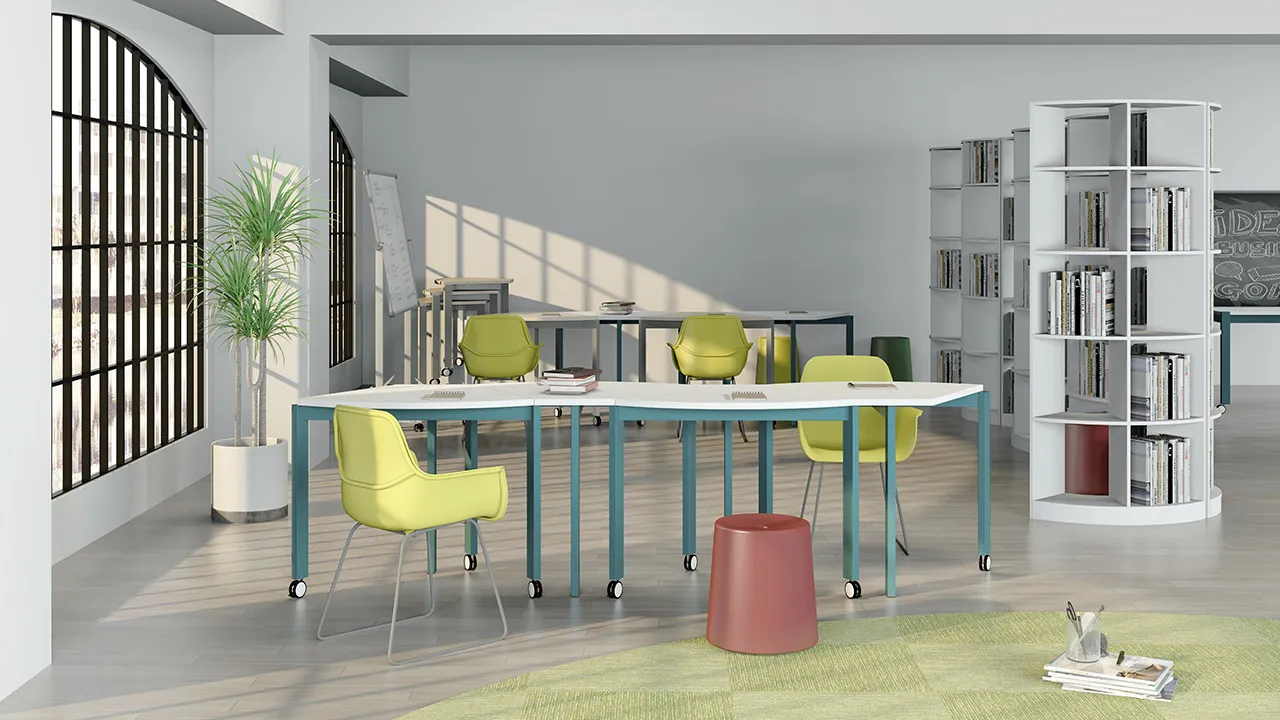
Training Tables
What to Avoid: Common Cleaning Mistakes
| Mistake | Why It’s Harmful |
|---|---|
| Using abrasive pads or steel wool | Scratches plastic, creating crevices for bacteria and permanent visual damage |
| Bleach at full strength | Causes discoloration, brittleness, and degradation over time |
| Ammonia-based cleaners | Can damage polycarbonate and some polypropylene finishes |
| Leaving chairs wet | Promotes mold and mildew in crevices; water spots may remain |
| Skipping rinsing after sanitizing | Residue can irritate skin and attract more dirt |
| Using wax or furniture polish | Leaves oily film that attracts dust and makes future cleaning harder |
Extending the Life of Plastic Chairs
Proper cleaning is part of a maintenance strategy that includes:
Stacking correctly: Follow manufacturer stacking limits; overstacking causes warping and cracking.
Protecting from UV: Store chairs indoors or under cover; UV exposure causes fading and brittleness.
Inspecting regularly: Check for cracks, sharp edges, or loose parts; remove damaged chairs from service.
Using chair glides: Attach felt or rubber glides to legs to prevent floor scratches and reduce scuffing.
Frequently Asked Questions
1. How often should I clean and sanitize plastic chairs in a school?
For classrooms, weekly cleaning with soap and water and daily sanitizing of high-touch surfaces (especially during cold and flu season) is recommended. Cafeteria chairs should be sanitized before each meal service. Check local health department guidelines for specific requirements.
2. Can I use bleach to sanitize plastic chairs?
Yes, but use a diluted solution (1/3 cup bleach per gallon of water) and rinse thoroughly afterward. Avoid using bleach frequently, as it can cause plastic to become brittle over time. For daily sanitizing, consider milder alternatives like 70% alcohol or quat-based wipes.
3. How do I remove stubborn scuff marks from plastic chairs?
Baking soda paste, magic eraser (on non-matte finishes), or a small amount of non-gel toothpaste applied with a soft cloth works well. For textured plastic, a soft-bristle brush with soapy water can lift scuffs from crevices. Avoid abrasive pads that scratch.
4. Are disinfectant wipes safe for plastic chairs?
Most commercial disinfectant wipes (Clorox, Lysol) are safe for use on polypropylene and polyethylene chairs. However, some wipes contain chemicals that can damage polycarbonate or leave residues. Test on a hidden area first. Always follow the product’s dwell time—wiping and immediately drying reduces effectiveness.
5. How do I clean stackable plastic chairs that are stored in stacks?
Clean chairs before stacking to prevent dirt from transferring between surfaces. For chairs stored stacked, periodically unstack and clean all surfaces, including areas that are hidden when stacked. Pay attention to the underside of seats and tops of backs, which collect dust over time.
6. Can I pressure wash plastic chairs?
For outdoor or heavy-duty plastic chairs, low-pressure washing with mild detergent can be effective. Avoid high pressure, which can force water into seams and damage structural integrity. Air dry thoroughly before restacking.
7. What’s the difference between cleaning, sanitizing, and disinfecting?
Cleaning: Removes visible dirt, dust, and debris with soap and water.
Sanitizing: Reduces bacteria to levels considered safe by public health standards (usually a 99.9% reduction).
Disinfecting: Kills a broader range of pathogens, including viruses. Requires stronger chemicals and longer contact time.
For most commercial settings, regular cleaning plus periodic sanitizing is sufficient. During illness outbreaks, upgrade to disinfecting.
Wrapping Up
Keeping commercial plastic chairs clean and sanitized is essential for appearance, hygiene, and longevity. A routine that includes:
Daily or weekly cleaning with mild soap and water
Regular sanitizing using appropriate disinfectants with proper dwell times
Deep cleaning for scuffs and stains
Avoiding harsh chemicals and abrasives
will keep your chairs looking professional and safe for users. Tailor your cleaning frequency to your setting—schools and healthcare facilities require more frequent attention than low-traffic offices.
With proper care, quality plastic chairs can provide years of reliable service, maintaining both their appearance and their ability to support a healthy environment.
Need durable, easy-to-clean plastic chairs for your commercial space? Browse our selection of commercial-grade seating designed for high-traffic environments.