





 Meet&Co
You’ve found the perfect kitchen island or home bar. The countertops are gleaming, the cabinets are exactly what you wanted, and you can already imagine hosting friends and family around it. Then comes the question: what stools go with it?
Choosing bar stools seems simple—until you realize there’s a science to it. Get the height wrong, and your stools are either too short (forcing everyone to hunch) or too tall (making knees hit the counter). Get the spacing wrong, and your island feels crowded. And with so many styles—backless, low-back, swivel, upholstered—it’s easy to feel overwhelmed.
As a professional chair manufacturer, Meet&Co will walk you through everything you need to know about matching bar stools to your counter height. By the end, you’ll know exactly how to measure, what heights to look for, and how to choose stools that are both functional and beautiful.
Step 1: Measure Your Counter Height
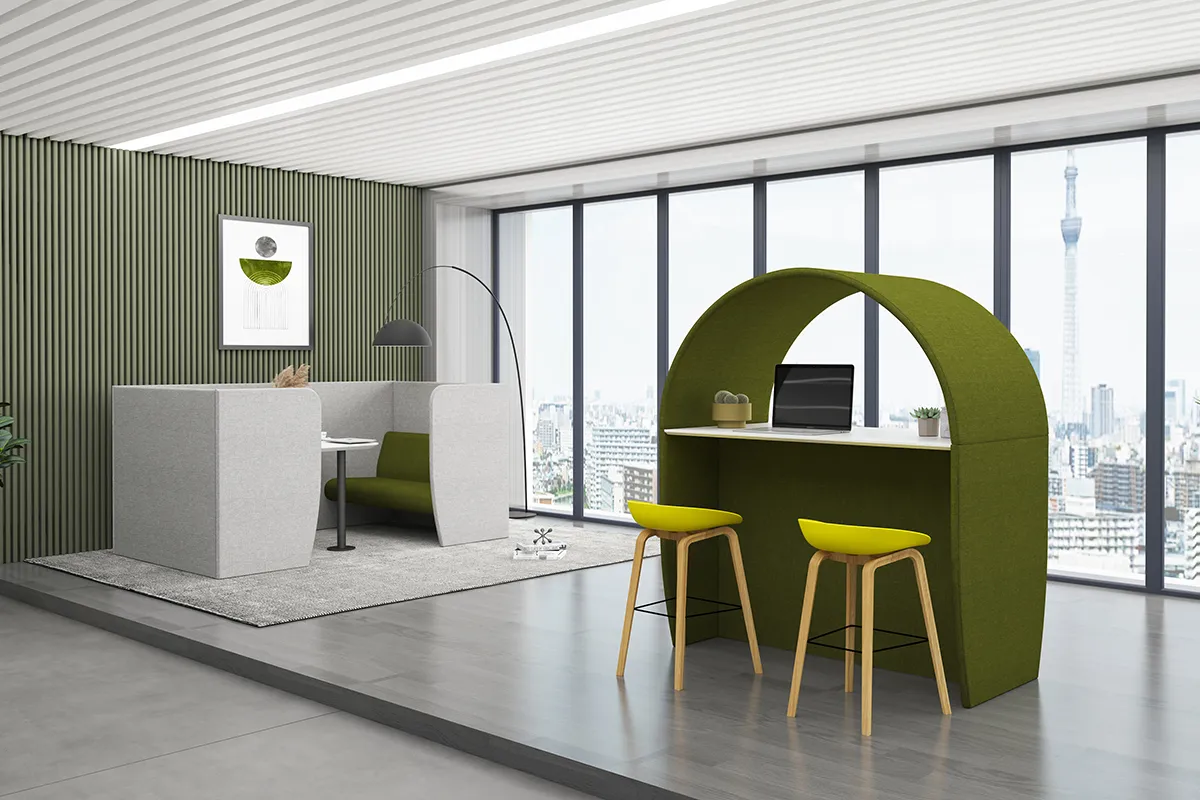
The most critical step—and the one most people get wrong—is measuring your counter correctly. Bar stool height is determined entirely by the height of your counter or bar.
How to Measure
- Measure from floor to countertop underside (the surface where people will sit)
- Use a measuring tape and measure at several points—floors and counters aren’t always perfectly level
- Note the measurement in inches
The Golden Rule
| Counter Height | Stool Height | Gap Between Seat and Counter |
| 34–36 inches (standard counter) | 24–26 inches | 10–12 inches |
| 40–42 inches (bar height) | 28–30 inches | 10–12 inches |
| 44–47 inches (extra-tall / pub height) | 32–36 inches | 10–12 inches |
The formula: Stool height = Counter height – (10 to 12 inches)
The 10–12 inch gap is the sweet spot. It provides enough room for knees and legs while keeping the counter at a comfortable height for eating, working, or chatting.
Also see: How to Choose the Best Bar Stools for Kitchen Island in 2026
Counter Heights Explained
Standard Counter Height (34–36 inches)
This is the most common kitchen island height. Standard counter-height stools are designed for these counters.
| Specification | Details |
| Counter height | 34–36 inches |
| Stool height | 24–26 inches |
| Typical uses | Kitchen islands, breakfast bars, standard counters |
| Best stool styles | Backless, low-back, saddle seats |
Note: If your island is 36 inches tall, a 24-inch stool gives you exactly 12 inches of clearance—perfect for most adults.
Bar Height (40–42 inches)
Higher counters—often found in home bars, raised islands, or commercial settings—require taller stools.
| Specification | Details |
| Counter height | 40–42 inches |
| Stool height | 28–30 inches |
| Typical uses | Home bars, raised islands, pub tables |
| Best stool styles | Full-back, swivel, upholstered |
Note: Bar-height stools are often the most comfortable for extended sitting because they allow more legroom and often include footrests.
Extra-Tall / Pub Height (44–47 inches)
Less common but increasingly popular in modern homes with dedicated bar areas or high-top tables.
| Specification | Details |
| Counter height | 44–47 inches |
| Stool height | 32–36 inches |
| Typical uses | Pub tables, high-top dining, commercial bars |
| Best stool styles | Full-back, swivel, with footrests |
Note: At these heights, footrests become essential—without them, legs dangle uncomfortably.
Step 2: Measure Your Space
Height is just the beginning. You also need to consider how many stools will fit and how much space each person needs.
Spacing Guidelines
| Measurement | Recommended | Why |
| Width per stool | 24–30 inches | Enough for seated person to eat, work, or talk comfortably |
| Space between stools | 6–10 inches | Prevents elbows from bumping; allows easy access |
| Counter overhang | 15–18 inches minimum | Enough knee clearance for seated person |
How Many Stools Fit?
Formula: Usable counter length (inches) ÷ 24–30 inches = maximum number of stools
Example: An 8-foot island (96 inches) ÷ 24 inches = 4 stools (comfortable) or ÷ 30 inches = 3 stools (spacious)
Corner and End Considerations
- Corner islands: Stools placed at the corners often face inward, which can cause leg interference. Consider fewer stools or choose stools with narrower profiles.
- Island ends: Allow 12–18 inches from the end of the island to the first stool for comfortable entry/exit.
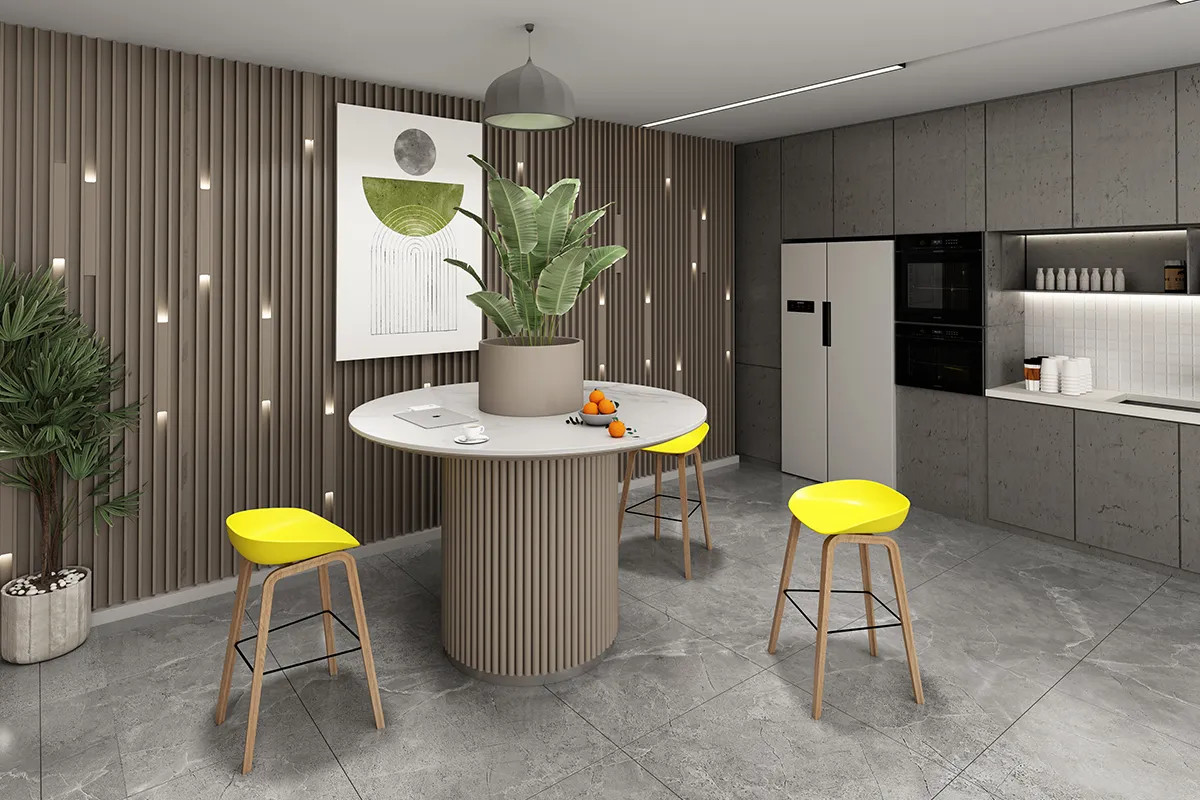
Step 3: Choose Your Stool Style
Back Styles
| Style | Pros | Cons | Best For |
| Backless | Tucks completely under counter; sleek look; space-saving | Least comfortable for extended sitting | Small spaces, occasional use, minimalist design |
| Low-back | Some back support; still tucks mostly under counter | Moderate comfort | Casual seating, quick meals |
| Full-back | Maximum comfort; good lumbar support | Takes more visual space; doesn’t tuck fully | Extended sitting, dining, home bars |
| Upholstered back | Comfortable; adds softness | Requires maintenance; can stain | Long meals, comfortable seating areas |
Additional Features
| Feature | Pros | Cons |
| Swivel | Easy to get in/out; great for conversation | Mechanism can wear over time; adds width |
| Footrest | Essential for taller stools; improves comfort | Adds complexity to design |
| Armrests | Increases comfort for extended sitting | Adds width; prevents tucking under counter |
| Adjustable height | Versatile for different counters | Mechanism adds cost; may wobble |
Step 4: Choose Your Material
| Material | Durability | Comfort | Cleaning | Best For |
| Wood | High | Medium | Easy | Traditional kitchens, farmhouse style |
| Metal | Very high | Low–Medium | Very easy | Industrial, modern spaces |
| Upholstered fabric | Low–Medium | High | Difficult | Low-traffic, adults-only |
| Vinyl / PU leather | High | Medium–High | Very easy | Families with kids, daily use |
| Woven / rope | Medium | Medium | Difficult | Coastal style, occasional use |
| Plastic / polypropylene | High | Medium | Very easy | Outdoor, casual, budget-friendly |
Also see: Where to Buy the Best Bar Stools? Top 10 Picks & Style Guide
Step 5: Test for Comfort
If possible, test stools before buying. Here’s what to check:
| Test | What to Look For |
| Sit for 5 minutes | Does the seat feel comfortable? Does the back support your spine? |
| Check footrest | When sitting, can you comfortably rest your feet? (Essential for taller stools) |
| Test swivel | Does it turn smoothly without wobbling? |
| Check stability | Does the stool feel solid, or does it rock? |
| Measure your fit | Sit with the stool tucked under the counter—do your knees clear comfortably? |
Quick Reference: Stool Height by Counter Type
| Counter Type | Counter Height | Stool Height | Best Stool Features |
| Standard kitchen island | 36 inches | 24 inches | Backless or low-back; saddle seat |
| Bar-height island | 42 inches | 30 inches | Full-back; swivel; footrest |
| Pub table | 44 inches | 33 inches | Full-back; footrest essential |
| Outdoor bar | 42 inches | 30 inches | Weather-resistant materials |
Common Mistakes to Avoid
| Mistake | Why It’s Problematic | Better Approach |
| Buying without measuring | Stools too tall or short; uncomfortable | Always measure counter height and space first |
| Ignoring footrests on tall stools | Legs dangle; discomfort after minutes | Choose stools with built-in footrests for bar height or taller |
| Cramming too many stools | Crowded; elbows bump; difficult access | Follow 24–30 inch per stool guideline |
| Choosing style over comfort | Looks great but no one sits there | Balance aesthetics with ergonomics |
| Forgetting about floor protection | Metal feet scratch hardwood; plastic feet stain carpet | Add felt pads or choose stools with protective glides |
Style Tips by Kitchen Type
| Kitchen Style | Recommended Stool Materials | Colors |
| Farmhouse | Wood, woven, painted wood | White, natural wood, muted pastels |
| Modern | Metal, polypropylene, upholstered | Black, white, gray, bold single colors |
| Industrial | Metal, wood, leather | Black, brown, raw metal |
| Coastal | Woven, light wood, whitewashed | White, blue, natural fiber |
| Transitional | Mixed materials, upholstered | Neutral with accent color |
| Scandinavian | Light wood, plastic, upholstered | White, light wood, muted tones |
FAQ about Bar Stools
1. What if my counter is a non-standard height?
Measure your counter height, subtract 10–12 inches, and look for stools in that range. If your counter is 38 inches, you’ll need stools around 26–28 inches. Adjustable-height stools are also a good option.
2. Can I mix different stool styles around the same island?
Yes—with intention. Matching colors but different materials (e.g., two wood, two woven) creates an collected look. Matching shapes but different finishes (e.g., all backless, some with cushions) works well. Keep heights consistent.
3. Do I need a footrest on bar stools?
For stools over 28 inches tall, yes. Without a footrest, legs dangle, which cuts circulation and becomes uncomfortable quickly. Most bar-height stools include footrests; check before buying.
4. What’s the best material for homes with kids?
Vinyl or PU leather wins for families. It wipes clean instantly, stands up to spills, and still looks good. Metal frames with these materials are practically indestructible.
5. How do I clean upholstered bar stools?
Vacuum regularly. For spills, blot immediately with clean cloth; never rub. Use upholstery cleaner for stains, testing on a hidden area first. Consider fabric protection spray for new stools.
6. Should bar stools have arms?
Arms add comfort but also add width. If you’re placing stools along a narrow island, arms may prevent tucking under the counter. For corner placements or wide islands, arms are fine.
7. How tall should stools be for a 36-inch counter?
24 inches is standard. This leaves 12 inches of clearance—ideal for most adults. Some people prefer 26-inch stools for a slightly higher seat, but test first to ensure knees clear.
Conclusion
Choosing bar stools isn’t complicated—once you know the rules. Start with your counter height, calculate the stool height you need, then measure your space to determine how many will fit comfortably.
The essentials:
- Counter height 34–36 inches → 24–26 inch stools
- Counter height 40–42 inches → 28–30 inch stools
- Counter height 44–47 inches → 32–36 inch stools
- Allow 24–30 inches per stool
- Match material to usage: vinyl for families, wood for traditional, metal for industrial
With these guidelines, you’ll find stools that fit perfectly—comfortable, functional, and beautiful in your space.
_2-1.webp)