





 Meet&Co
There are well-known premium office furniture brands such as HON and Herman Miller that offer high-quality products and strong ergonomic features. However, startups do not necessarily need to spend heavily on every piece of furniture. Smaller and mid-sized manufacturers such as Meet&Co Furniture can provide practical, modern office furniture with customization options and competitive pricing, making them worth considering for growing businesses.
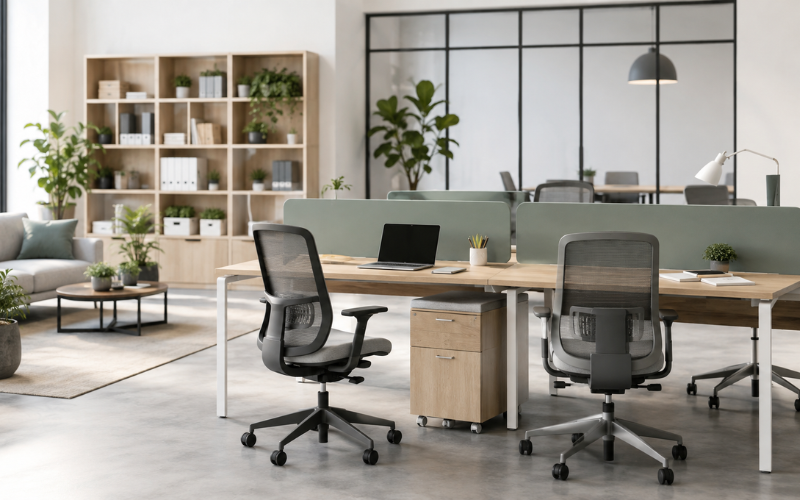
The key is not to create the most luxurious office possible. Instead, focus on creating a workspace that supports productivity, represents your brand, and leaves enough room in the budget for the things that actually drive business growth.
Key takeaways
Determine your team's actual furniture needs before purchasing.
Add meeting and reception furniture according to how your business operates.
Consider used, refurbished, or second-hand furniture when appropriate.
Choose furniture that reflects your startup's brand and workplace culture.
Favor modular and flexible furniture that can grow with your team.
Compare quality, durability, customization, and total cost rather than focusing only on the initial price.
Make a List of Needs Before You Purchase
For startups, expenses arise across all areas, from rent and salaries to software subscriptions, marketing and more. Office furniture should therefore be treated as a planned business investment. And careful planning prior to purchasing office furniture can maximize the value of every dollar.
Before shopping, determine:
- How many employees need workstations?
- How much office space is available?
- How many people work in the office every day?
- Does your team need private desks or shared workstations?
- How frequently do you meet clients or investors?
- Do you need a dedicated conference room?
- How much storage is actually necessary?
- Is the company likely to hire more employees within the next one to three years?
A simple furniture plan can prevent two common startup mistakes: buying too much too early or buying cheap furniture that needs to be replaced quickly.
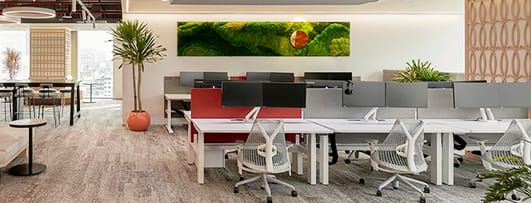
For example, for a 10-person startup, a modular workstation system can provide a more efficient use of floor space while leaving room for future expansion.
If a startup needs to regularly meet investors and clients, investing in a premium conference table and reception desk might be worthwhile.
In other words, design the office around how your business works—not how a traditional office is supposed to look.
Avoid Non-Essential Purchases
Once you have identified your essential furniture needs, the next step is to avoid spending money on items that do not provide immediate value. Startups often operate with limited budgets, so every furniture purchase should have a clear purpose.
For example, a small team may not need a large conference table, executive lounge, or elaborate reception area from day one. If employees rarely hold in-person meetings, a compact meeting table or flexible collaborative space may be enough. Similarly, a dedicated reception desk may not be necessary if the office receives only occasional visitors.
Instead of furnishing every area at once, prioritize the spaces employees use every day, such as workstations, ergonomic office chairs, and basic storage. As the company grows or its needs change, additional furniture can be added gradually.
This approach not only helps control upfront costs but also gives startups more flexibility. Rather than investing heavily in furniture that may become unnecessary after a change in team size or office layout, businesses can allocate their budget to furniture that directly supports productivity and daily operations.
The goal is simple: buy what you need now, and add what you need later.
Consider Second-Hand, Used, or Refurbished Office Furniture
Buying brand-new furniture is not always the most economical option for a startup.
Used, second-hand, and refurbished office furniture can be excellent choices when the products are in good condition. This is particularly true for items such as filing cabinets, conference tables, storage units, and basic desks.
There are several advantages:
- Lower upfront costs
- Faster availability
- Less furniture waste
- Access to higher-end furniture at lower prices
- Easier replacement of individual pieces
However, used furniture should be evaluated carefully.
Check the condition of chair mechanisms, casters, desk surfaces, drawer systems, electrical components, and structural connections. For ergonomic chairs, pay particular attention to seat cushions, gas lifts, armrests, lumbar mechanisms, and wheels.
For heavily used furniture, purchasing from a reputable manufacturer can sometimes offer better long-term value than buying an extremely inexpensive used product with an uncertain history.
Startups can also combine strategies. For example, purchase new ergonomic chairs for employees while sourcing used storage cabinets and conference tables.
This approach allows the company to control its initial investment without compromising the parts of the workplace that employees interact with most.
Furniture That Reflects Your Unique Style
Office furniture is functional, but it also speaks volume about your company.
A creative agency may want a colorful, relaxed workplace. A fintech company may prefer a clean and professional environment. A technology startup may choose a modern, minimalist aesthetic.
The important thing is consistency. One Useful tip is to buy a whole set of office furniture to keep a cohesive look.
Modern and Minimalist
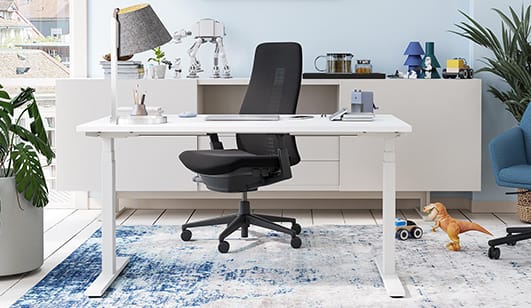
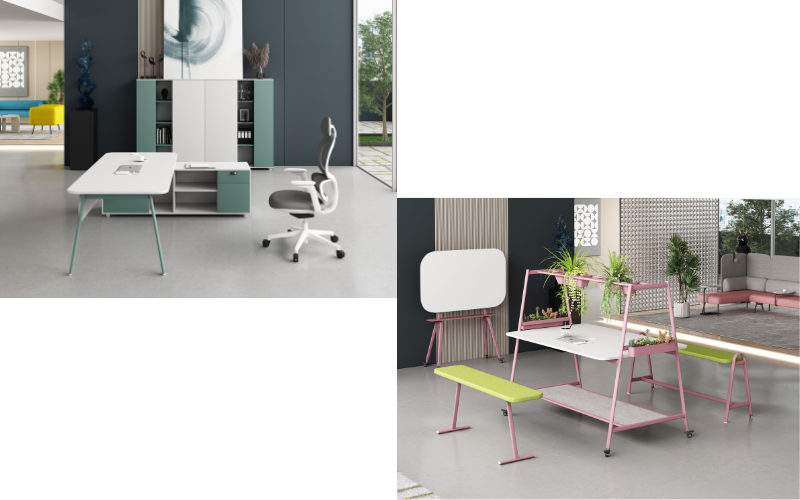
Clean lines, neutral colors, simple desks like Meet&Co's Katie Seris B can create a contemporary technology-oriented workplace.
Vibrant and Creative
Linora Seris A uses vibrant colors, wood finishes, plants, soft seating, and shared tables can make an office feel more approachable and encourage informal interaction.
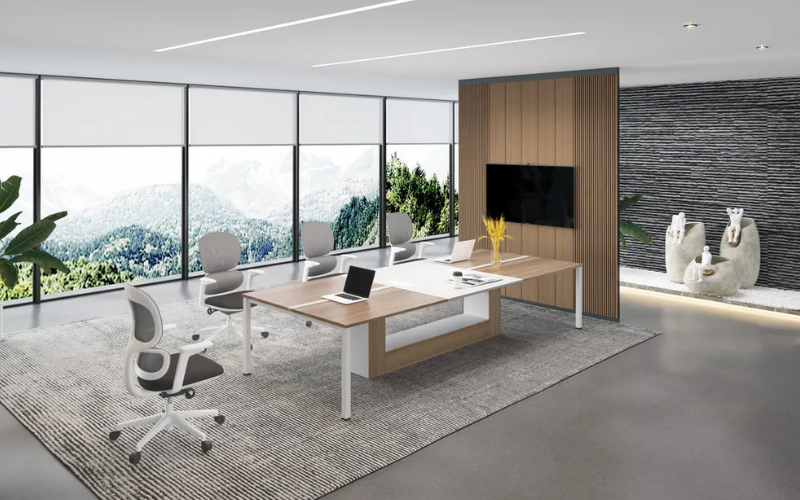
Professional and Collaborative
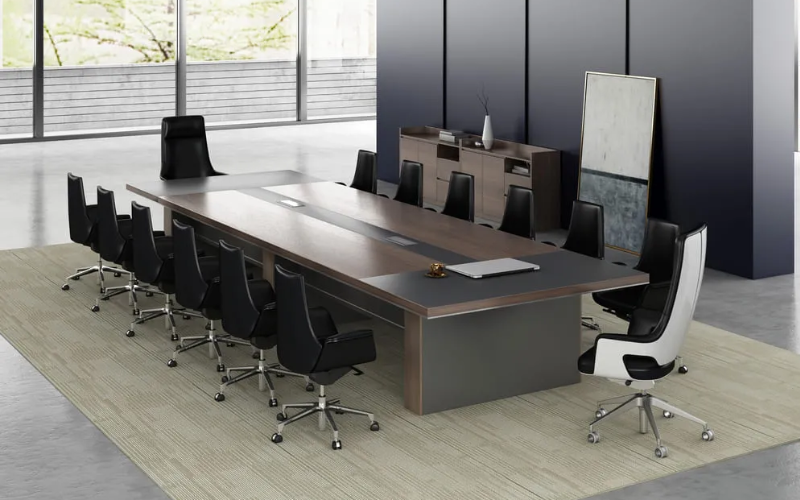
For companies that frequently host clients, investors, or business partners, sophisticated executive desks and well-designed conference tables can help create a polished and professional impression. Meet&Co's Linkedin Seris is a good example,combining a refined executive look with a practical layout for modern professional offices.
Plan for Growth
Startups rarely stay the same size for long.
A company with 10 employees today may have 20, 30, or 50 employees a few years from now. Furniture should therefore be selected with future growth in mind.
This doesn't mean buying everything in advance.
In fact, purchasing too much furniture before you need it can waste valuable capital and office space. Instead, look for modular, scalable furniture systems that can be expanded as the company grows.
For example, modular workstations can be configured for two, four, or more employees. Additional units can be added when new employees join the company.
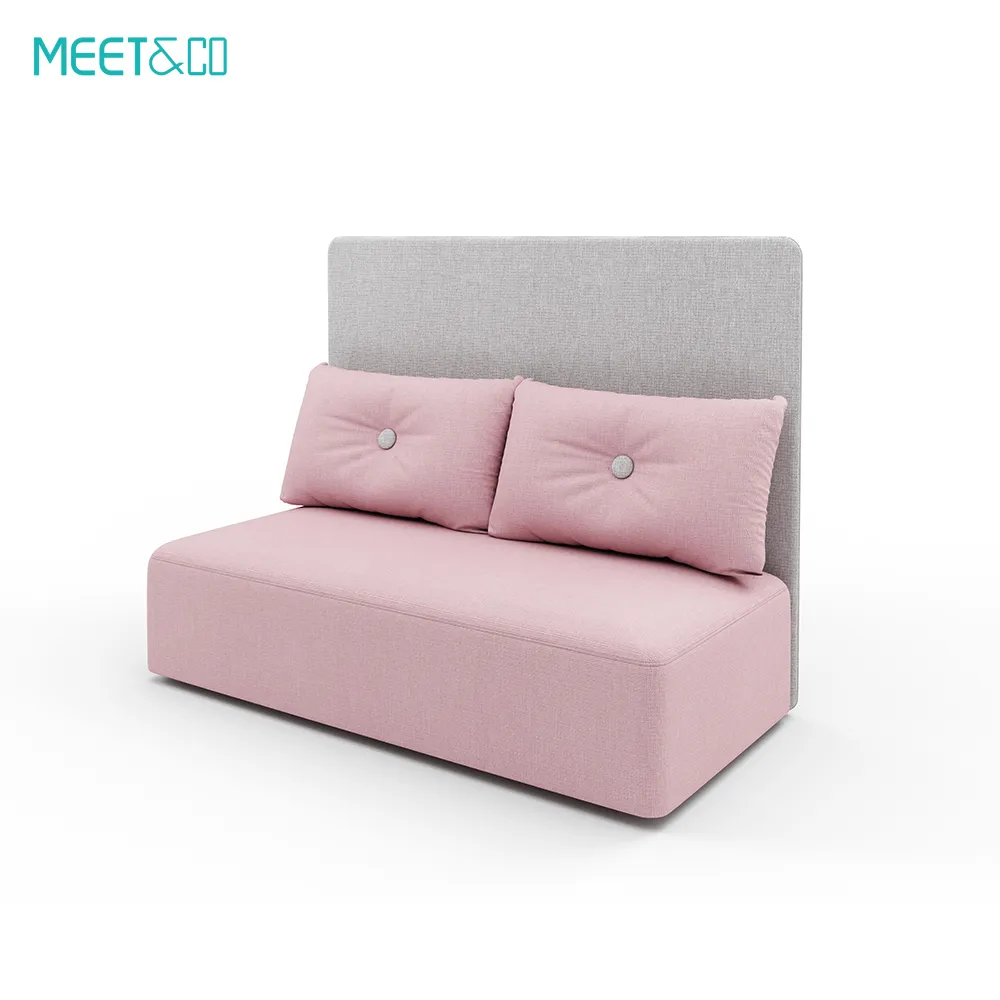
Modular sofas also can not be ignored.
Don't Ignore Storage and Cable Management
Startups often focus heavily on desks and chairs while overlooking storage.
Even a relatively paperless company needs somewhere to store documents, equipment, samples, office supplies, personal belongings, and other materials.
Well-designed storage can help keep the workplace tidy and make frequently used items easier to access. Depending on the office layout, startups can incorporate storage into workstations, place compact cabinets beneath or beside desks, or use larger shelving and lockable cabinets for shared items. Reception and common areas can also benefit from discreet storage solutions that keep clutter out of sight while maintaining a clean, professional appearance.
Cable management is equally important.
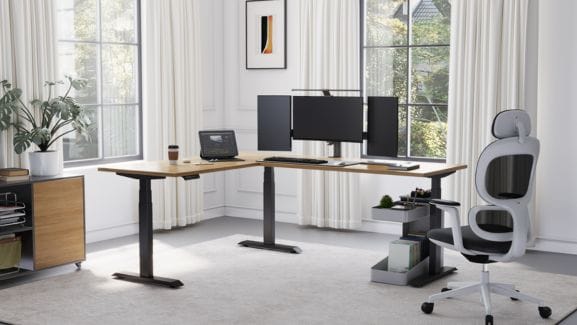
Multiple monitors, laptops, chargers, power strips, and networking equipment can quickly create visual clutter. Desks with integrated cable management or concealed power systems can create a cleaner workspace and make maintenance easier.
For conference rooms, integrated power and data access can be especially useful. Meet&Co's conference table range includes options with concealed power and data integration on selected models.
How Much Should a Startup Spend on Office Furniture?
When comparing furniture, consider: Purchase price + shipping + installation + maintenance + replacement cost
There is no universal number because the right budget depends on office size, location, employee count, working style, and growth plans.
A better approach is to divide the furniture budget into priorities.
Essential
- Employee desks or workstations
- Comfortable office chairs
- Basic storage
- Necessary lighting
Important
- Conference table
- Meeting chairs
- Reception furniture
- Collaboration tables
Optional
- Lounge furniture
- Decorative pieces
- Premium executive furniture
- Extra breakout areas
This approach allows startups to create a professional office without spending heavily on features they do not currently need.
Conclusion
Choosing office furniture for a startup is not about creating the most luxurious office possible. It is about creating a workplace that supports your business and deliver a professional image without putting unnecessary pressure on your budget.
Start with the essentials. Invest in good ergonomic seating and functional workstations. Add conference and reception furniture when your business actually needs them. Consider used or refurbished pieces where appropriate, and choose modular products that can adapt as your team grows.
Most importantly, think beyond the initial purchase price. Durability, ergonomics, flexibility, maintenance, and future expansion all affect the real value of office furniture.
Whether you choose a premium international brand such as Herman Miller or HON, a mid-sized manufacturer such as Meet&Co, or a combination of new and refurbished furniture, the best startup office is one that fits your people, your space, your brand, and your budget.


_15.webp)