






 Meet&Co
When comparing file cabinet vs drawer, most people assume they’re interchangeable. After all, both are used for storage—so how different can they be?
In reality, choosing the wrong one can lead to clutter, wasted space, and even reduced productivity.
Over the past 5 years testing office furniture setups, I’ve seen one common mistake: people choose based on appearance or price—not workflow.
Whether you’re setting up a small home office, upgrading your workspace, or simply trying to stay organized, understanding the difference between a file cabinet and a drawer can dramatically improve how you work.
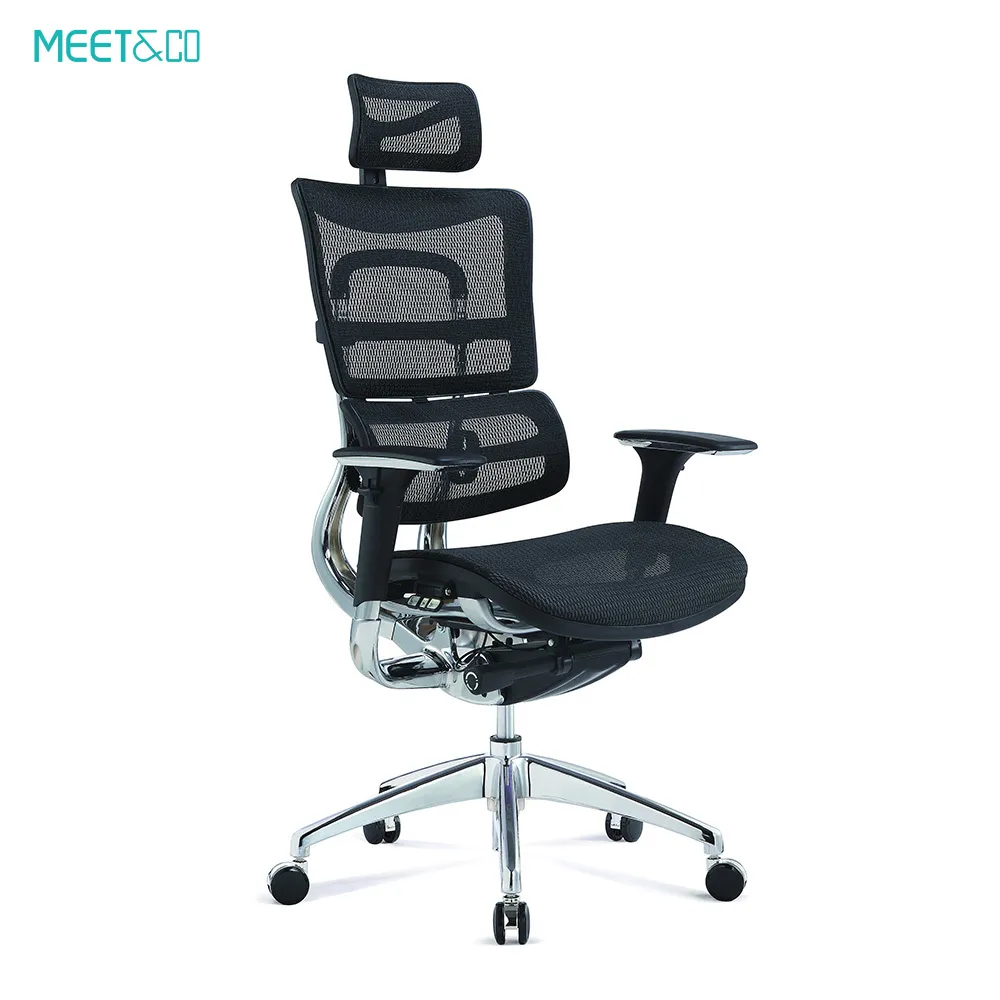
If you’re exploring smarter workspace solutions, brands like Meet&Co offer practical office storage systems worth checking out.
What Is a File Cabinet?
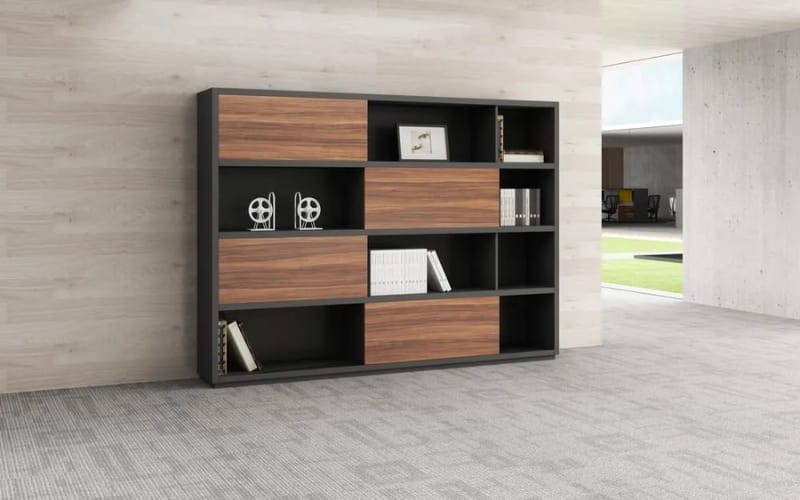
A filing cabinet is a piece of furniture specifically designed for storing documents in an organized and structured way.
Unlike general storage, it supports filing systems such as hanging folders, labels, and categorized sections.
Common Types of File Cabinets
1. Vertical File Cabinets
- Tall and narrow
- Ideal for small spaces
- Typically 2–5 drawers
2. Lateral File Cabinets
- Wider and shorter
- Higher capacity
- Easier side-to-side access
Key Advantage
The biggest strength of a cabinet for filing is systematic organization. It’s not just storage—it’s a filing system.
If you deal with contracts, invoices, or paperwork regularly, a file cabinet becomes less of a luxury and more of a necessity.
What Is a Drawer?

A drawer is a general storage compartment built into desks, cabinets, or other furniture. It’s designed for convenience rather than specialization.
Typical Uses
- Office supplies (pens, notebooks)
- Personal items
- Light document storage
Key Limitation
While drawers are versatile, they lack built-in organization systems for documents. Files often end up stacked, mixed, or forgotten.
In short:
👉 A drawer is for storage
👉 A file cabinet is for organization
File Cabinet vs Drawer: Key Differences
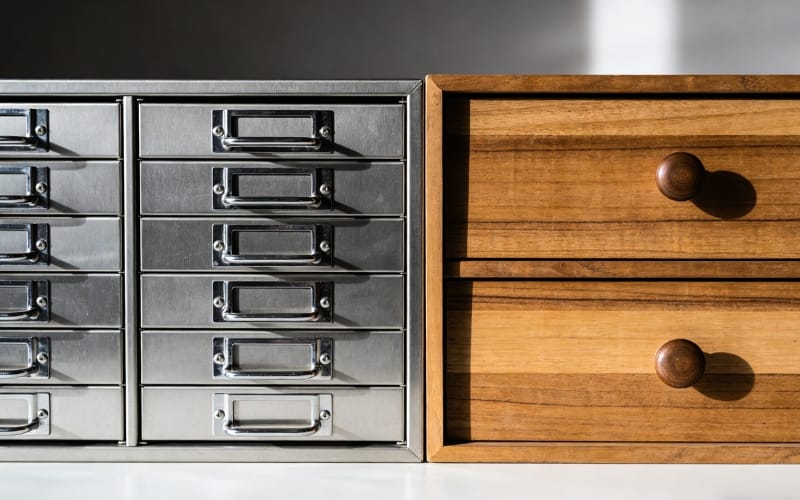
1. Storage Purpose
A file cabinet is purpose-built for documents. Everything from its size to its structure supports filing systems.
A drawer, on the other hand, is multi-purpose. It can store anything—but that flexibility comes at the cost of organization.
2. Organization Level
File cabinets allow:
- Categorization
- Labeling
- Easy retrieval
Drawers often lead to:
- Stacking
- Mixing items
- Visual clutter
Over time, this difference becomes significant. A poorly organized drawer can cost minutes every day in searching time.
3. Storage Capacity
File cabinets—especially lateral ones—can store hundreds of documents efficiently.
Drawers have limited depth and width, making them unsuitable for growing document needs.
4. Accessibility & Workflow Efficiency
If you frequently access documents, file cabinets are far superior. They are designed for quick scanning and retrieval.
Drawers require digging through piles, which disrupts workflow and increases frustration.
5. Space Efficiency
This is where drawers shine.
- Drawers: built into desks, space-saving
- File cabinets: require dedicated floor space
For small apartments or compact home offices, this trade-off becomes critical.
Real Use Cases: Which One Should You Choose?
1. Small Home Office
If you’re working with limited space:
👉 Best choice: Drawer + minimal filing system
Why?
- Saves space
- Keeps essentials within reach
- Works well with digital workflows
2. Paper-Heavy Jobs (Accounting, Legal)
👉 Best choice: File Cabinet
Why?
- High document volume
- Frequent access
- Need for categorization
3. Remote Workers & Freelancers
👉 Best choice: Hybrid system
- Drawer for daily tools
- Small file cabinet for documents
This setup balances flexibility and organization.
4. Students & Light Users
👉 Best choice: Drawer
If you only handle occasional paperwork, a full file cabinet is unnecessary.
Hidden Factors Most Articles Ignore
1. Workflow Efficiency
A file cabinet reduces search time dramatically. Instead of digging, you scan and retrieve.
Over weeks and months, this can save hours of productivity.
2. Cognitive Load
Cluttered drawers create mental stress. When everything is mixed together, your brain works harder to locate items.
Organized filing systems reduce this burden.
3. Scalability
Drawers don’t scale well. Once full, they become chaotic.
File cabinets, however, can grow with your needs—just add folders or another unit.
Cost vs Value: What Are You Really Paying For?
| Option | Upfront Cost | Long-Term Value |
|---|---|---|
| Drawer | Low | Limited |
| File Cabinet | Medium | High |
A file cabinet isn’t just furniture—it’s a productivity tool.
If your time is valuable, the investment often pays off quickly.
Best File Cabinet & Drawer Solutions (Product Ideas)
1. Mobile File Cabinets
- Compact
- Easy to move
- Ideal for home offices
For example: Katie Series B 3-Drawer File Cabinet
2. 2-Drawer File Cabinets
- Balanced size
- Enough for moderate storage
- Fits under desks
For example: Yunsen Series B 2-Drawer File Cabinet
3. Drawer + Organizer Systems
- Budget-friendly
- Works for minimalists
- Add dividers for better structure
For modern office setups, you can explore ergonomic and storage-friendly solutions from Meet&Co office furniture, especially if you’re designing a compact workspace.
File Cabinet Alternatives You Should Consider
Most comparison articles ignore this—but it’s crucial.
1. Drawer + File Organizer
Add hanging file frames inside drawers to simulate a cabinet.
2. Digital Filing Systems
Reduce physical storage needs:
- Scan documents
- Use cloud storage
3. Wall-Mounted Storage
Great for:
- Small spaces
- Vertical organization
Common Mistakes to Avoid
- Using drawers for large document storage
- Buying oversized file cabinets for small rooms
- Not using labels or categories
- Ignoring future storage needs
Final Verdict: File Cabinet vs Drawer
So, when it comes to file cabinet vs drawer, the answer depends on your workflow—not just your space.
Choose a File Cabinet if:
- You handle lots of documents
- You need fast access
- Organization is a priority
Choose a Drawer if:
- You have limited space
- You store minimal paperwork
- You prefer simplicity
Best Overall Solution:
👉 Combine both for maximum efficiency
FAQ
1. Is a file cabinet necessary for a home office?
Not always. It depends on how much paperwork you handle.
2. Can drawers replace file cabinets?
Only for light use. They’re not ideal for large-scale document storage.
3. What’s best for small spaces?
Drawers or mobile file cabinets.
4. Which improves productivity more?
File cabinets—because they reduce search time and improve workflow.