






 Meet&Co
The kitchen island has become the heart of the home—a place for morning coffee, homework sessions, casual meals, and entertaining. Choosing the right seating for this central hub is about more than looks. The decision between counter stools with backs and backless counter stools affects comfort, space, traffic flow, and even how often your stools get used.
Both styles have loyal advocates, but the right choice depends on your space, your lifestyle, and how you use your island. This guide compares back vs. backless counter stools across key factors to help you make a confident decision.
What’s the Difference Between Counter Stools and Bar Stools?
Before diving into backs vs. backless, it helps to clarify height terminology.
| Stool Type | Seat Height | Best For |
|---|---|---|
| Counter stools | 24–27 inches | Standard kitchen islands (34–36 inches high) |
| Bar stools | 28–33 inches | Taller bar counters (40–42 inches high) |
Most kitchen islands are counter height, making counter stools the correct choice. Measure your island’s surface height and subtract 9–12 inches to determine the ideal seat height.
Counter Stools with Backs vs. Backless: A Head-to-Head Comparison
| Factor | Backless Counter Stools | Counter Stools with Backs |
|---|---|---|
| Comfort | Moderate—good for short sits; no lumbar support | High—supports lower back; comfortable for extended seating |
| Space Savings | Excellent—tuck fully under the island; less visual bulk | Moderate—backs protrude beyond the counter edge |
| Traffic Flow | Ideal for narrow walkways; no obstruction | Requires more clearance behind the island |
| Style Versatility | Sleek, minimalist; suits modern and small spaces | Classic, substantial; suits traditional and transitional kitchens |
| Stability | Stable when seated; can tip if leaned on | Generally more stable with full frame |
| Durability | Fewer moving parts; less to break | More joints and components; quality matters |
| Ease of Cleaning | Simple wipe-down; no crevices | More surfaces to clean; dust collects on backs |
| Price | Generally lower ($50–$200) | Generally higher ($100–$400+) |
| Best For | Small islands, tight spaces, occasional use | Large islands, daily use, family meals, entertaining |
When to Choose Counter Stools with Backs
1. You Host Long Meals and Gatherings
If your island doubles as a dining table for family dinners or you frequently host guests who linger, back support makes a significant difference. Without a back, most people start slouching after 20–30 minutes. With a back, they can relax and stay comfortable for hours.
2. You Have Young Children or Elderly Family Members
Children benefit from the security of a backrest, which helps them sit properly without leaning back too far. For elderly family members or anyone with back issues, a supportive backrest makes sitting and standing easier and safer.
3. Your Island Has Ample Space Behind It
Backed stools require additional clearance—typically 36–42 inches from the back of the stool to the nearest wall or counter. This allows people to slide in and out without bumping the backs. If you have a spacious kitchen with a large island, backed stools work beautifully.
4. You Want a Traditional or Substantial Look
Backed stools have a more formal, substantial appearance. They anchor the island visually and work well in traditional, farmhouse, and transitional kitchens where furniture-like seating fits the aesthetic.
5. You’re Willing to Invest in Quality
A well-constructed backed stool with a sturdy frame and comfortable cushioning is an investment. Look for solid wood frames, commercial-grade welds, and durable upholstery if you expect daily use.
When to Choose Backless Counter Stools
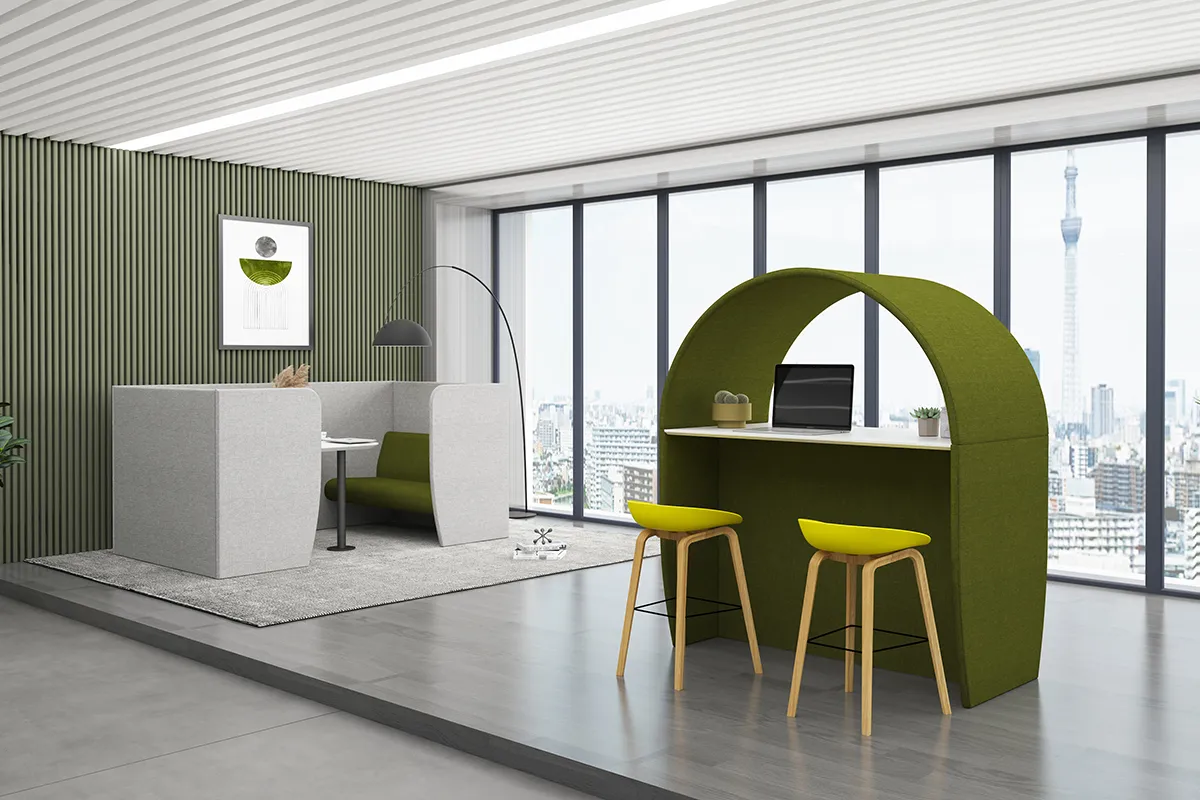
COVE Bar Table Sceen
1. Space Is Tight
Backless stools are the ultimate space-savers. They tuck completely under the island, leaving the walkway clear. If your island has a narrow clearance behind it (less than 36 inches), backless stools are often the only practical option.
2. You Have a Small Island
On a small island, backed stools can look crowded and overwhelm the space. Backless stools maintain a clean, open sightline and make a compact island feel more spacious.
3. You Prefer a Modern, Minimalist Aesthetic
Backless stools offer a sleek, low-profile look that suits contemporary kitchens. Without backs, they feel less intrusive and allow the island itself—or a pendant light fixture—to become the focal point.
4. The Island Serves Multiple Functions
If your island is used for food prep, baking, or as a buffet during parties, backless stools can be pushed completely out of the way. This flexibility is invaluable in multi-purpose kitchens.
5. You Want Affordable or Mix-and-Match Options
Backless stools are generally less expensive than their backed counterparts. They also lend themselves well to mixing—you can combine different colors, materials, or shapes without the visual clutter of varied back heights.
Also see: How to Mix and Match Bar Stools Around Your Kitchen Island
How Much Space Do You Need?
Space planning is arguably the most important factor.
Clearance Behind the Island
Backless stools: Minimum 30–36 inches between the island edge and the nearest wall or counter.
Stools with backs: Minimum 36–42 inches to accommodate the backrest and allow easy sliding in and out.
Width per Stool
Regardless of back style, allow 24–28 inches of width per stool. For larger, swivel-backed stools, increase to 28–32 inches.
Counter Overhang
Your island needs an overhang of at least 12–15 inches to accommodate knees and provide comfortable legroom. If your island has no overhang, neither stool style will work well—consider a pedestal or table-height seating instead.
Style Considerations: Which Matches Your Kitchen?
Backed Stools Work Best With:
Traditional kitchens: Upholstered backs, nailhead trim, wood frames
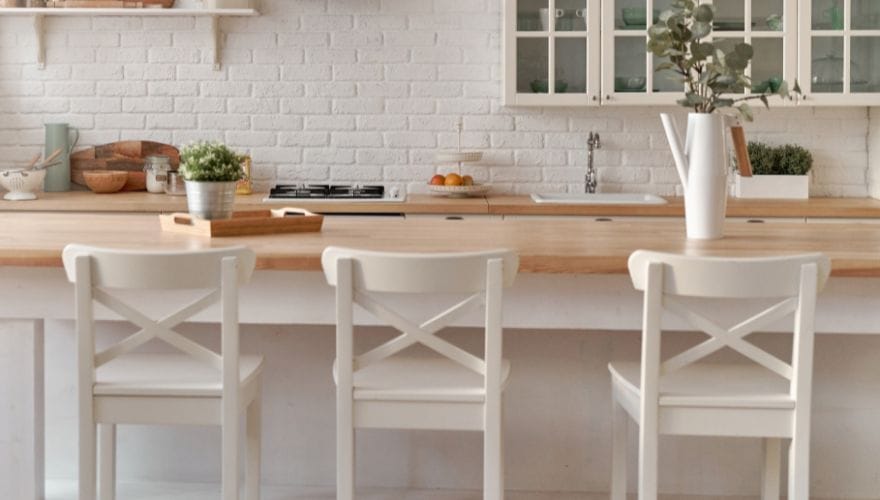
Farmhouse style: Ladder-back, cross-back, or Windsor-style stools
Transitional spaces: Clean-lined backs with neutral upholstery
Large, open floor plans: Substantial stools anchor the island
Backless Stools Work Best With:
Modern and minimalist kitchens: Sleek, unadorned shapes
Industrial style: Metal frames, simple wood seats
Small or galley kitchens: Low-profile design maximizes space
Islands with strong architectural presence: Let the island itself shine
Mixing Both Styles
Some designers successfully combine both: backed stools on the ends (where people sit longest) and backless stools in the middle (for flexible, occasional seating). This approach offers the best of both worlds—support where needed, space savings where possible.
Comfort and Usage Patterns
Consider how your household actually uses the island.
| Usage Pattern | Recommended Style |
|---|---|
| Quick breakfasts, coffee, brief stops | Backless (sufficient for short sits) |
| Daily meals, homework sessions | Backed (comfort for 30–60+ minutes) |
| Entertaining, dinner parties | Backed (guests will stay longer) |
| Kids’ snacks and crafts | Backed (safety and posture support) |
| Food prep island with occasional seating | Backless (easy to tuck away) |
Durability and Maintenance
Backless Stools
Pros: Fewer joints and moving parts; less to break; easy to wipe down.
Cons: May tip if someone leans back absentmindedly; foam seats can compress over time.
Stools with Backs
Pros: Generally more stable; distribute weight across the frame.
Cons: More components (joints, backrest attachment) that can loosen; backs collect dust and require more cleaning.
For both styles, look for:
Commercial-grade construction if used daily
Solid wood or powder-coated metal frames
Stain-resistant fabrics or easy-clean surfaces
Warranties covering frame and upholstery
Frequently Asked Questions
1. Are counter stools with backs more comfortable?
Yes, for extended sitting. A backrest provides lumbar support, reduces fatigue, and encourages better posture. For meals, homework, or entertaining that lasts more than 20–30 minutes, a back makes a noticeable difference.
2. Can I mix backed and backless stools around the same island?
Absolutely. A common approach is to place backed stools at the ends (where guests or family members sit for longer periods) and backless stools in the center (which can be tucked away when not in use). Keep the seat height and overall style cohesive for a unified look.
3. How much clearance do I need behind backed stools?
Allow 36–42 inches from the back of the stool to the nearest wall, counter, or traffic path. This ensures people can slide in and out without bumping the backs and maintains comfortable passage behind the island.
4. Are backless stools safe for children?
For young children, a stool with a back offers more security. If using backless stools with kids, choose models with a wide, stable base and non-slip feet. Supervise young children to prevent tipping.
5. What’s the best material for counter stools?
For durability:
Wood frames offer timeless appeal and strength.
Powder-coated metal resists rust and is easy to clean.
Upholstered seats add comfort but require stain-resistant fabrics in kitchens.
Solid wood or polypropylene seats are easiest to wipe clean.
6. Can I use bar stools at a counter-height island?
No. Bar stools (28–33 inches) are too tall for standard 36-inch islands, leaving insufficient legroom. Counter stools (24–27 inches) are the correct height. If your island is 42 inches (bar height), then bar stools are appropriate.
7. How do I clean and maintain my stools?
Wood: Wipe with a damp cloth; avoid soaking. Periodically polish or seal as needed.
Metal: Clean with mild soap and water; check for rust spots.
Upholstery: Vacuum regularly; treat spills immediately with a fabric cleaner.
Leather: Wipe with a damp cloth; condition every 6–12 months.
Conclusion
The choice between counter stools with backs and backless counter stools ultimately comes down to your space, your lifestyle, and how you use your kitchen island.
Choose counter stools with backs if:
You have ample space behind the island (36–42 inches clearance)
You host long meals, family dinners, or frequent gatherings
You have young children or elderly family members
Comfort and back support are priorities
You prefer a traditional, substantial look
Choose backless counter stools if:
Space behind the island is tight (30–36 inches or less)
You have a small island or want to maximize openness
The island serves multiple functions and stools need to tuck away
You prefer a modern, minimalist aesthetic
Your island seating is for short, occasional use
If your space allows, consider mixing both styles—backed on the ends for comfort, backless in the middle for flexibility. Whichever you choose, invest in quality materials, measure carefully, and test comfort before committing.
The right counter stools will make your kitchen island not just a workspace, but a gathering place where family and friends want to stay.
Ready to find the perfect counter stools for your kitchen? Browse our collection of backed and backless styles in a range of heights, materials, and finishes.


_35.webp)


