





 Meet&Co
A well-planned conference room setup has a big role to play in how meetings go. The layout of any room influences the way that people communicate with one another, how they maintain focus, and how they make decisions. With uncomfortable furniture or technology that is difficult to use, meetings can feel longer with less productivity achieved. On the other hand, if a good setup does not happen, it makes people feel uncomfortable, unable to share their thoughts, and in the process, check out.
Today, conference rooms are changing. In the past, most offices had a formal boardroom with long tables and hard seating. Now, many businesses are turning towards new-age and flexible meeting spaces. These rooms support different styles of meetings, ranging from quick team check-ins to training sessions and client presentations. Furniture that could be easily moved and technology that worked smoothly are now just as important as appearance.
This guide explains how to set up a conference room that will work well for modern offices. It goes into room function, configuration options, tables, seating, and placement. The guide is intended for office managers, business owners, human resource departments, and designers who wish to design practical meeting spaces that are comfortable and ready for day-to-day use.
Understanding the Purpose of a Conference Room
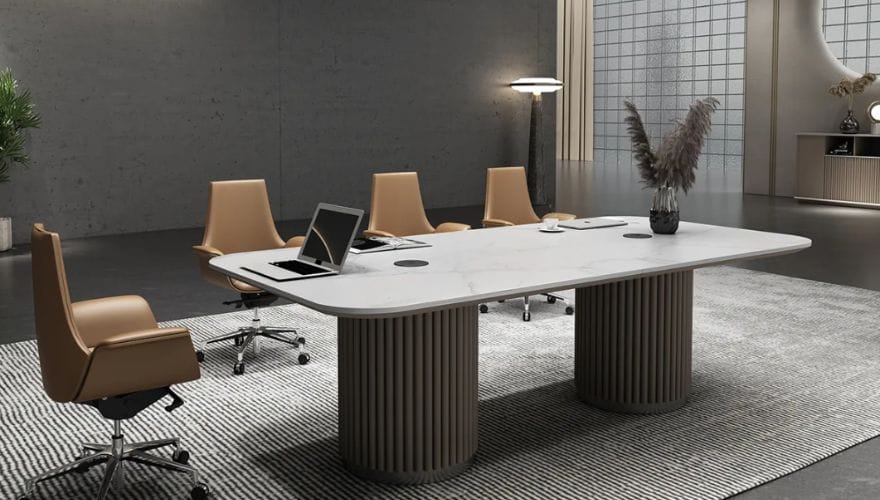
Before arranging a conference room, it is important to know how the room will be used. Some conference rooms are reserved for internal staff meetings; these meetings are where the staff members will have internal conferences, where a team works together to discuss the day-to-day activities and plans. Others are meant for use in client meetings, in which the room needs to appear professional and inviting. Some rooms are also used for training sessions, workshops, or presentations.
The function of the room influences all set-up decisions. A room where meetings are conducted for long periods of time, for instance, might require more comfortable chairs, while a training room might require flexible tables and clear sightlines. Small conference rooms typically require small-scale furniture and designs. Large rooms can accommodate some larger tables, seating, and stronger technology.
👉Also See: What is the Best Office Design Layout
Meetings can also be official or cooperative. Boardroom layouts and sitting arrangements can work best with formal meetings, as they are often fixed. Collaborative meetings benefit from layouts where people can face each other and where they can move around easily. Knowing the purpose of the conference room is to focus on helps ensure the setup ensures how people work and communicate.
Conference Room Layout Options
There are several common types of conference room arrangements, and they have their own advantages. The layout of the boardroom is a long table with chairs on both sides, which is best for formal meetings and decision-making sessions. U-shape and hollow square layouts make it easy for people to see each other, which makes them good for discussions and presentations.
Classroom and training layouts make use of rows of tables facing the front of the room. These layouts are best suited for training sessions and workshops where participants must have space to write with or use devices. Flexible and multi-purpose layouts, making use of movable tables and chairs, the room can quickly change for different needs.
Each of the layouts has its advantages and disadvantages. Formal layouts are professional-looking and don’t allow for much movement. Flexible layouts promote teamwork and require more planning. The best choice is based on how the room is most often used.
👉 Also See: Office Layout Ideas & Planning Guide
Conference Tables: Size, Shape & Location
The conference table is the focus of the room; therefore, it’s important to get the size and shape right. The table must be the right size for the room without being too crowded. There should be enough space for chairs to move and for people to walk around comfortably. A too-large table may make the room feel tight, and a too-small table may not provide sufficient space for all people.
The most common and work well in many rooms are rectangular tables. Oval tables soften the appearance of the space and help to improve the line of sight between people. Modular tables can be rearranged or expanded, making these tables useful for rooms that host different types of meetings.
Cable management is another important characteristic to take into account. Tables equipped with inbuilt cable ports/channels help to keep wires away from sight and neatly. This is especially important for meetings that involve the use of laptops, screens, and video calls.
👉 Also See: How to Pick the Best Conference Room Chairs
Table location is also important. The table should be set up such that everyone has a clear view of the displays or presentation screens. It should not obstruct entrances or walkways. Proper placement helps meetings go smoothly and makes the room comfortable and professional.
Top Conference Room Furniture Options
1. Meet&Co Dualback Conference Room Chair
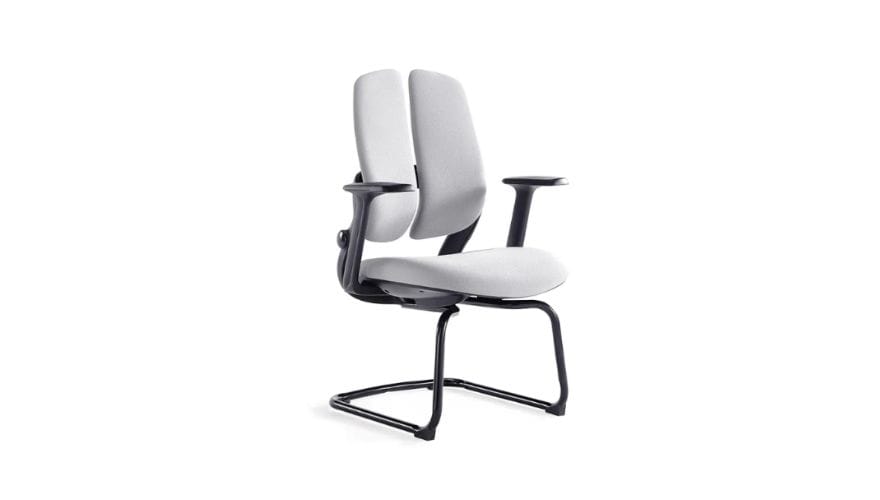
The Meet&Co Dualback Conference Room Chair is engineered for comfort when sitting down for extended meetings. It features dual back support, which helps maintain proper posture while sitting down. The padded seat and breathable materials make it suitable for day-to-day use in the office. This chair works well in formal conference rooms as well as when faced with a client.
| Pros | Cons |
| Dual back support improves posture | Not fully adjustable like task chairs |
| Comfortable for long meetings | Limited color options |
| Breathable back material | |
| Professional appearance | |
| Suitable for daily use |
2. Global High Back Weight Sensing Synchro-Tilter
The Global High Back Conference Chair has a classic executive look with an added comfort level. It has cushioned seating and padded armrests to support sitting for extended periods of time. This common chair is typically one that is used in formal boardrooms and leadership meeting spaces. Its design is balanced between comfort and professional style.
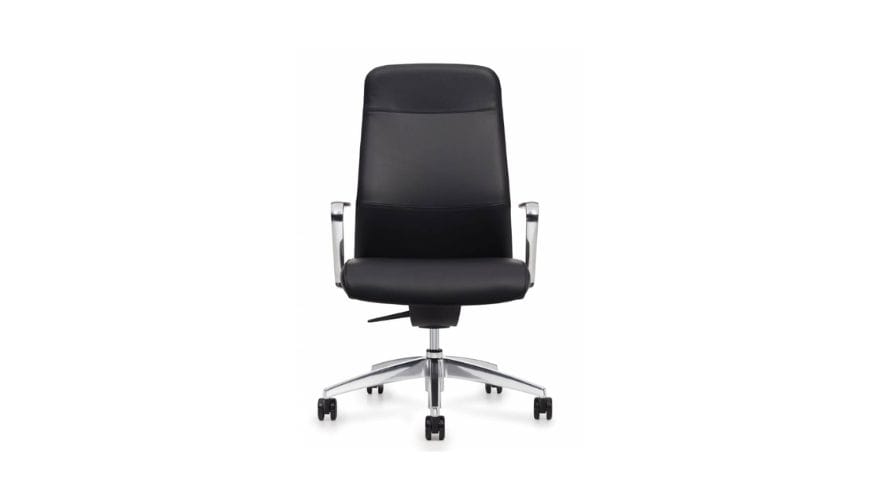
Image Source: GLOBAL
| Pros | Cons |
| Executive-style appearance | Takes up more space |
| Padded seat and arms | Heavier than basic chairs |
| Comfortable for long sessions | |
| Durable construction | |
| Suitable for formal meetings |
3. Eurotech Seating Apollo Multi-Functional Chair
The Eurotech Seating Apollo Executive Chair is a high-back chair and ideal for high-end conference rooms. It gives you good back support with plush for comfort. The chair is ideal for longer meetings where comfort is important. Its design is appropriate for use in executive and client-facing rooms.
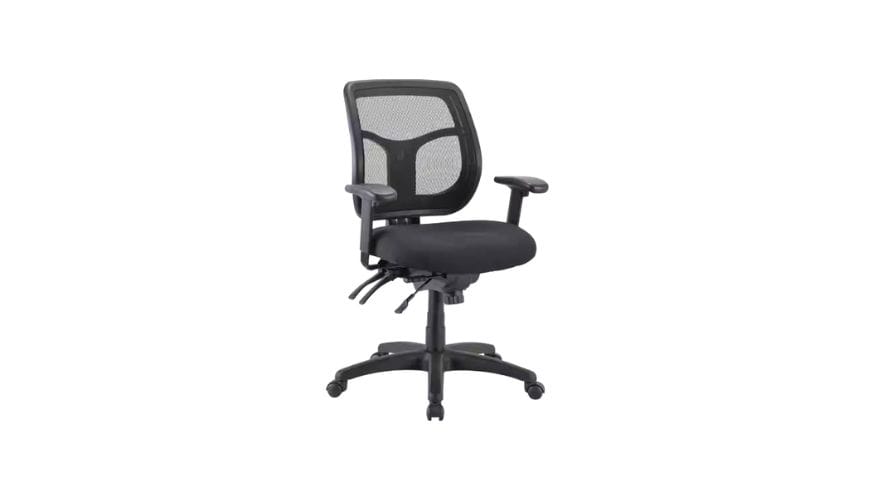
Image Source: Eurotech
| Pros | Cons |
| High-back support | Higher cost |
| Plush padding for comfort | Not ideal for small rooms |
| Professional executive design | |
| Supports long meetings | |
| Durable materials |
4. Flash Furniture Mid-Back Conference Chair with Arms
The Flash Furniture Mid Back Conference Chair is a sensible choice for day-to-day meeting rooms. It has armrests and a padded seat for its comfort. The mid-back design gives support for general meetings but does not consume too much room. This chair is good for multipurpose conference rooms.
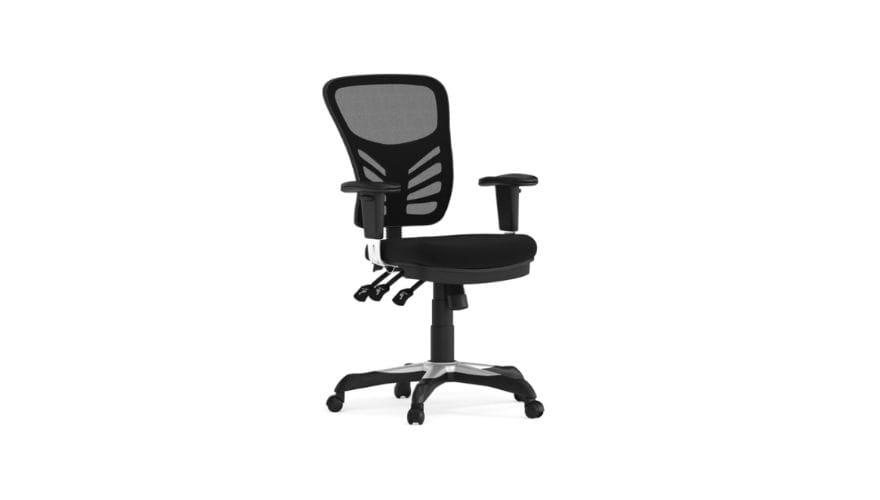
Image Source: Amazon
| Pros | Cons |
| Comfortable padded seat | Limited ergonomic features |
| Armrests included | Fixed height |
| Compact mid-back design | |
| Easy to match with tables | |
| Suitable for general use |
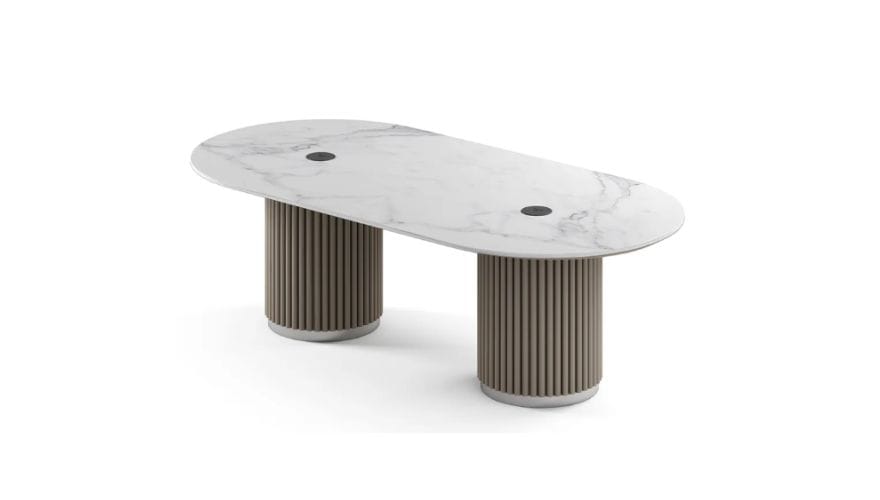
5. BOAO B Conference Table
The BOAO B Conference Table is a modern design and is designed for mid to large meeting rooms. It has a good structure and already has cable management cutouts. The table has sufficient space for meetings, presentations, and discussions. Its design helps to support function as well as style.
| Pros | Cons |
| Built-in cable management | Requires larger room |
| Durable construction | Heavy to move |
| Suitable for large meetings | |
| Professional appearance | |
| Supports technology use |
👉 Also See: Buying Guide on the Best Executive Desk
6. Bush Business Furniture Conference Table
The Bush Business Furniture Conference Table is a classic rectangular shape of a professional table. It includes integrated wire management so that the cables can be kept organized. This table is very good for boardrooms and formal meetings. It offers a clean and functional space to work in.
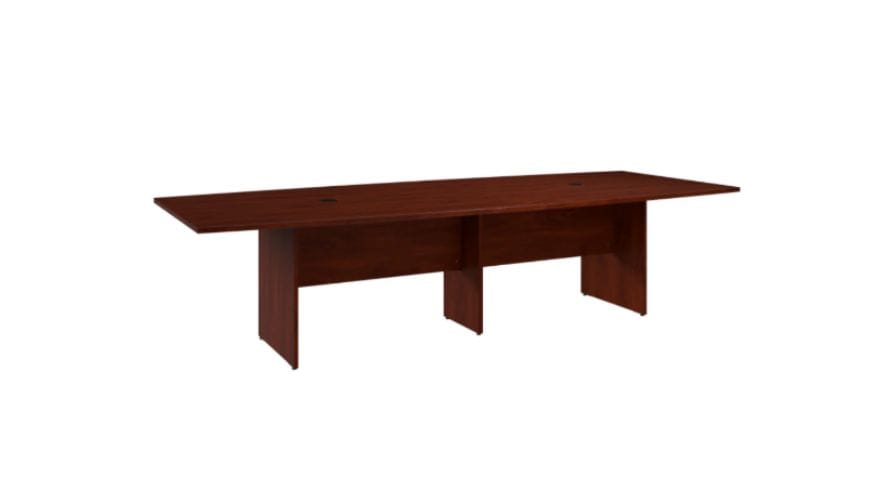
Image Source: Bush Business Furniture
| Pros | Cons |
| Integrated wire management | Fixed layout |
| Professional design | Limited flexibility |
| Durable surface | |
| Easy to maintain | |
| Ideal for boardrooms |
7. Lorell Prominence 2.0 Rectangular Conference Tabletop
The Lorell Tempered Glass Conference Table gives a contemporary appearance to conference rooms. It consists of a glass top that is held up by a strong metal frame. This table is great for work that has to be client-facing and where appearance is important. It offers a modern-looking and sleek meeting surface.
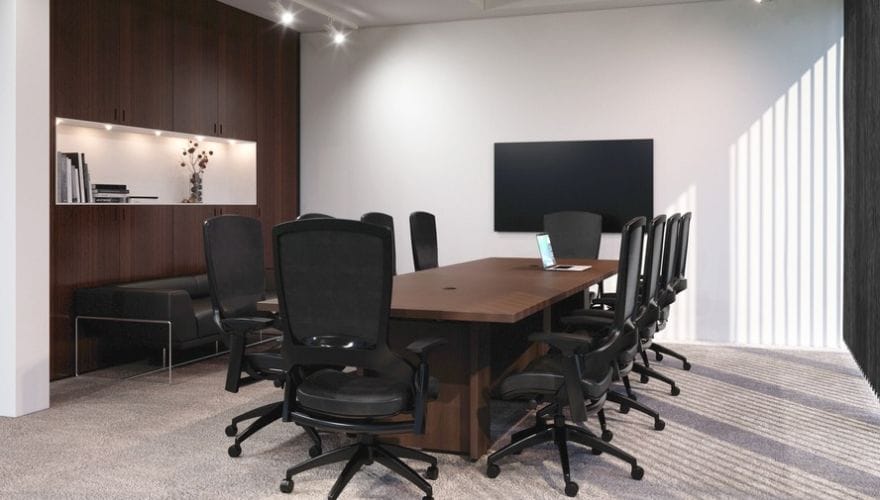
Image Source: LORELL
| Pros | Cons |
| Modern glass design | Shows fingerprints |
| Strong metal frame | Requires careful cleaning |
| Enhances room appearance | |
| Suitable for clients | |
| Durable tempered glass |
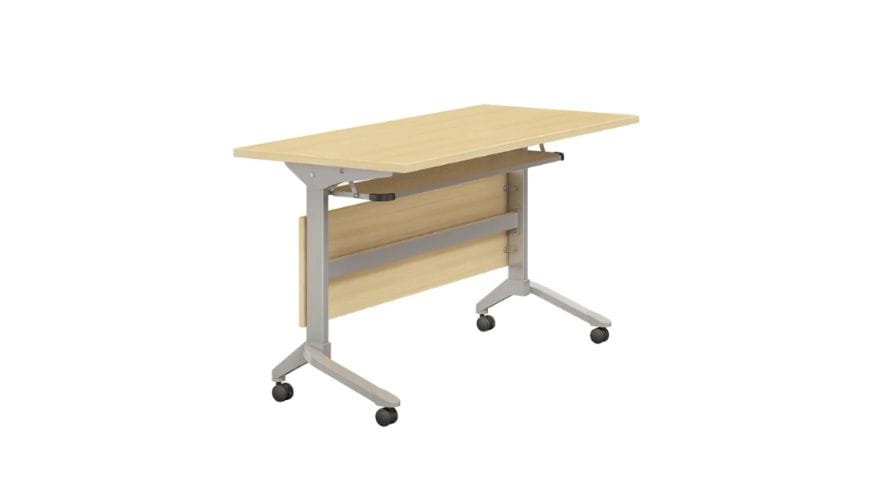
8. Meet&Co Modular Training Table with Wheels
The Meet&Co Modular Training Table with Wheels is for flexible spaces. It can easily be moved and rearranged for other meeting or training needs. The table is conducive to workshops, group discussions, and collaborative sessions. It is its mobility that makes it ideal for the use of modern conference rooms.
| Pros | Cons |
| Wheels allow easy movement | Needs locking for stability |
| Flexible layout options | Slightly heavier |
| Suitable for training and meetings | |
| Durable tabletop |
9. OFM Flip-Top Nesting Training Table
The OFM Flip-Top Nesting Training Table is designed for spaces that require fast changes. Its flip-top design is easy to store when not in use. This table is well-suited for conference rooms that are also used for training. It is conducive to quick setup and breakdown.
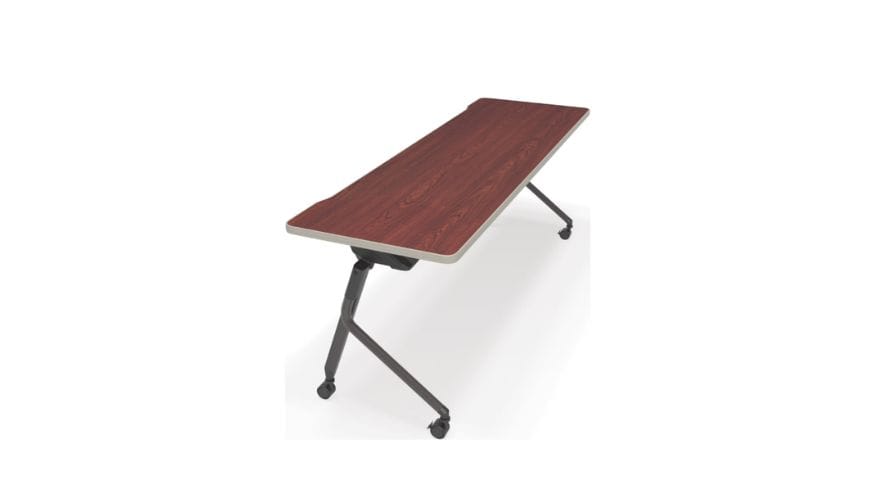
Image Source: Walmart
| Pros | Cons |
| Flip-top for easy storage | Less formal appearance |
| Saves space | Smaller work surface |
| Quick room reconfiguration | |
| Mobile design | |
| Good for hybrid spaces |
10. HON Training Table (Rectangular)
The HON Training Table is a square, durable training table for workshops and meetings. It serves as a stable surface for writing, laptops, and group work. This table is perfect for huge training sessions and multi-use conference rooms. Its simplicity allows for long-term use.
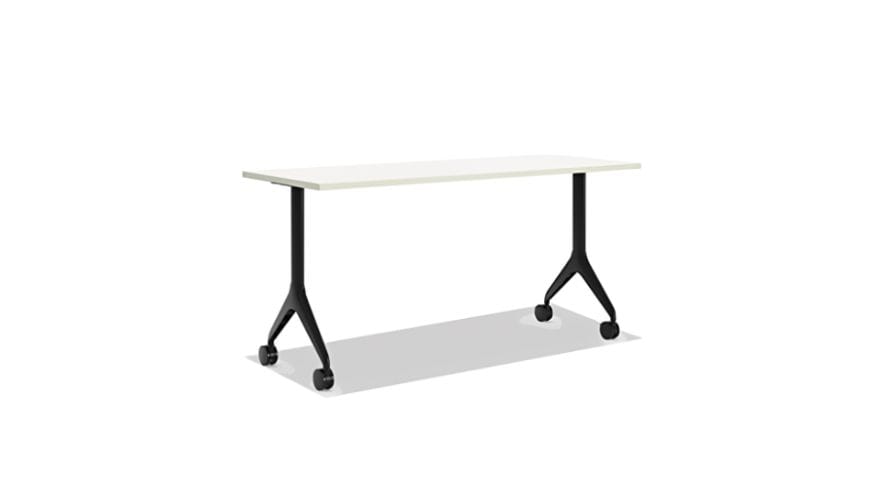
Image Source: HON
| Pros | Cons |
| Strong and durable | No built-in cable ports |
| Large work surface | Fixed height |
| Suitable for group use | |
| Easy to maintain | |
| Works in multi-use spaces |
Conference Room Chairs: Comfort, Style & Function
Conference room chairs are very important in helping people get through meetings. When meetings are held longer, uncomfortable chairs can lead to distraction and fatigue. Leather chairs provide an elegant and formal appearance and are suitable for executive spaces. Ergonomic chairs are more built towards back support and comfort, which would make them better for frequent or long meetings. Swivel chairs make it easy to move around, while fixed chairs are more formal. Armrests, padding, and back support make the seating more comfortable. Chairs should also be durable and easy to move, without damaging the floors.
Technology Requirements for Today’s Meeting Spaces
Modern conference rooms work with technology in order to function smoothly. Display screens and presentation monitors facilitate clear sharing of ideas by teams. Video conferencing tools: These tools are important for remote meetings and hybrid work. Good audio systems and microphones are essential so that everyone can hear and speak very well. Laptops and devices should have easy access to power outlets and charging access. Cable planning is helpful in avoiding clutter and tripping hazards. Technology needs to be placed where it is easy to use without getting in the way or distracting from the meeting.
Lighting, Acoustics, and Comfort of a Room
Lighting influences the comfort and focus of people in a conference room. Natural light is useful, but should not be a source of glare to screens. Artificial lighting should be bright-but not too bright. Sound control is also important; there are rooms with hard surfaces that echo. Proper materials can help to abate noise. Chairs should be arranged in such a way that the light does not shine in people’s eyes. Proper temperature and ventilation make the room comfortable during long meetings.
Guidelines on Space Planning and Capacity
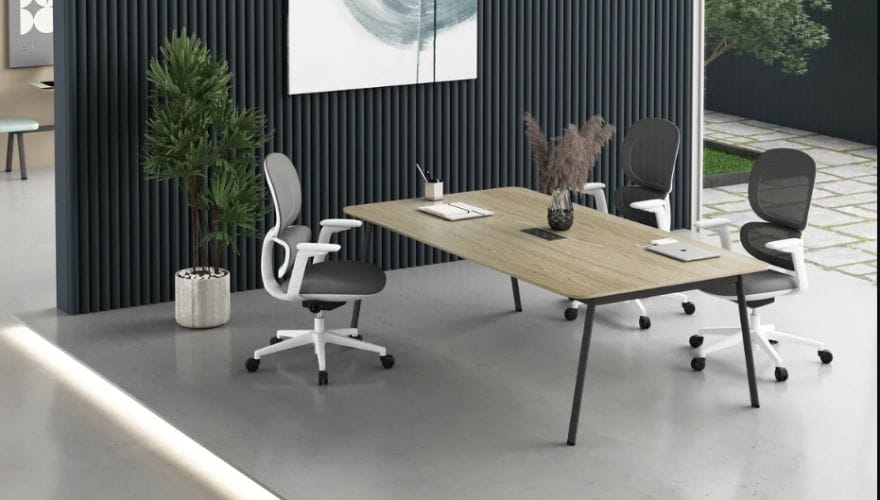
Good space planning makes a conference room easy to work in. There should be enough room for each person to sit and move around comfortably. There should be unobstructed space around tables and chairs to allow people to get in and out without obstacles. Aisles should be left open so as not to crowd them. Door placement should provide a good move without disrupting the meeting. Good spacing aids in arranging meetings and making them look professional and not too cramped.
What to Avoid When Setting Up a Conference Room
Don’t overload the room with too much furniture. Overfilled spaces are uncomfortable and do not allow movement. Do not select furniture just because it looks nice. Style is important, but for long meetings, comfort is important. Neglecting cable and power requirements can cause clutter and safety problems. Avoid purchasing furniture that cannot accommodate future needs. Flexible furniture helps to keep rooms useful as meeting styles change.
Conference Room Setup FAQs
Q1. What is the ideal layout of a conference room?
The layout that is best depends on the type of meeting. Boardroom layout is suitable for formal meetings, whereas a flexible layout is suitable for teamwork.
Q2. How many chairs should a typical conference room have?
The number of chairs should be relevant to the size of the table and provide an opportunity for movement.
Q3. Do ergonomic chairs make better conference chairs?
Yes, especially when it is long or too frequent meetings.
Q4. What is the ideal table size for a mid-size meeting room?
A table that is comfortable to sit and walk around works best.
Q5. Are flip-top tables worth the investment?
Yes, they provide flexibility to use multi-use rooms.
Q6. How do you arrange a conference room so video calls can happen without issues?
Use good audio, clear screens, adequate light, and proper cable arrangements.
Conclusion
A well-designed conference room promotes better meetings and more skills in collaboration. Choosing the appropriate layout, tables, chairs, and technology helps to keep people comfortable and focused. Lighting, acoustics, and spacing also play an important part in overall room comfort. Flexible furniture enables rooms to be adapted to different meeting styles and needs in the future. Investing in quality furniture, as well as planning, will result in more productive meetings and a professional work environment.