





 Meet&Co
Walk into a school cafeteria, and you’ll see them. Step into a community center, a training room, or an outdoor event space—they’re there too. Plastic chairs are everywhere, and for good reason. They’re lightweight, stackable, durable, and affordable. But not all plastic chairs are created equal, and not every setting calls for the same type.
The humble plastic chair has evolved. Today’s options range from basic stackable models for quick events to ergonomic designs for classrooms and weather-resistant versions for outdoor use. Choosing the right plastic chair for the right environment means understanding the demands of each setting—and matching them to the chair’s capabilities.
As a professional office chair manufacturer, Meet&Co offers this guide that explores where plastic chairs work best, what to look for in each setting, and how to choose the right type for your needs.
Why Plastic Chairs Make Sense
Before diving into specific settings, let’s consider why plastic chairs have become so ubiquitous in institutional, educational, and event spaces.
| Advantage | Why It Matters |
| Lightweight | Students, staff, or event workers can move them easily |
| Stackable | A dozen chairs can store in the space of two |
| Durable | Resists chips, scratches, and stains |
| Easy to clean | Wipes down quickly with disinfectant |
| Weather-resistant | Certain plastics (HDPE, polypropylene) withstand sun and rain |
| Affordable | Lower cost than wood, metal, or upholstered alternatives |
| Color variety | Available in endless colors for branding or wayfinding |
The challenge is matching the right type of plastic chair to the right setting. A chair perfect for a kindergarten classroom may fail in a high school cafeteria. An outdoor chair may look out of place in a formal training room.
Classroom Settings
1. The Environment
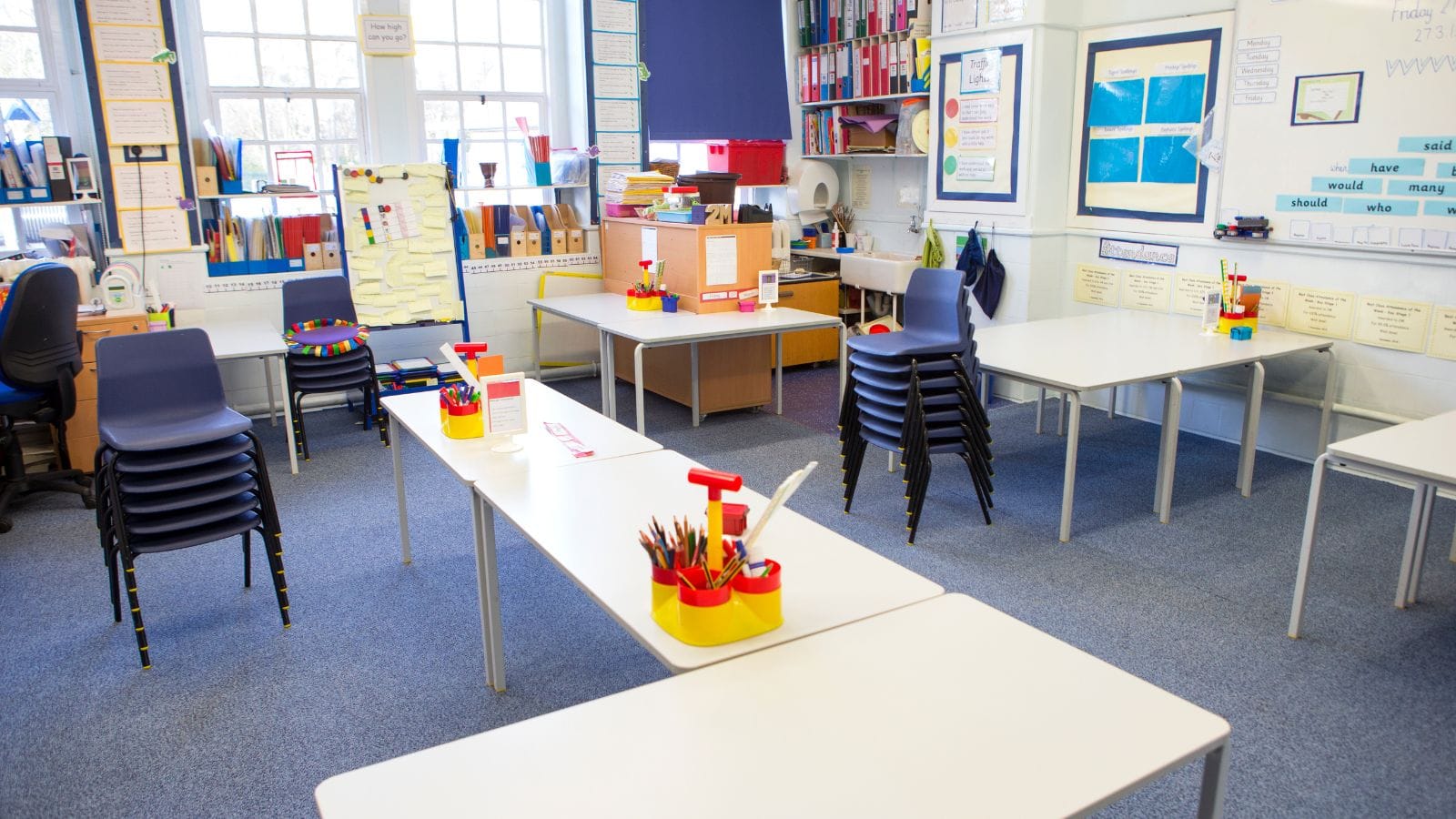
Classrooms demand chairs that can withstand daily use by students of varying ages and sizes. Chairs need to be comfortable for extended periods, easy to clean, and durable enough to survive being pushed, tilted, and occasionally knocked over.
2. Key Considerations
| Factor | What to Look For |
| Ergonomics | Contoured seat and back; appropriate height for age group |
| Durability | Reinforced edges; impact-resistant material |
| Stackability | For storage during cleaning or reconfiguration |
| Safety | Rounded edges; non-slip feet; stable base |
| Weight | Light enough for students to move |
3. Types of Plastic Chairs for Classrooms
| Type | Best For | Features |
| Student task chairs | Daily classroom seating | Ergonomic contours, multiple size options, stackable |
| Active seating (wobble stools) | Students needing movement | Low-base, 360-degree movement, engages core |
| Floor seats | Early childhood, reading corners | Low height, lightweight, stackable |
| Soft plastic chairs | Elementary classrooms | Flexible material, rounded edges, vibrant colors |
Recommended Features
- Size-graded options: Chairs that come in multiple heights (e.g., 12″, 14″, 16″) to accommodate different age groups
- Dual-purpose design: Chairs that work at both traditional desks and collaborative tables
- Easy-clean surfaces: Non-porous plastic that wipes clean with standard disinfectants
Where Plastic Chairs Excel in Classrooms
- Daily student seating
- Reading corners and flexible learning zones
- Art rooms (easy to clean)
- Temporary seating for events or assemblies
- Outdoor classrooms (weather-resistant models)
Also see: Best School Furniture Manufacturers You Should Know in 2026
Cafeterias and Dining Spaces
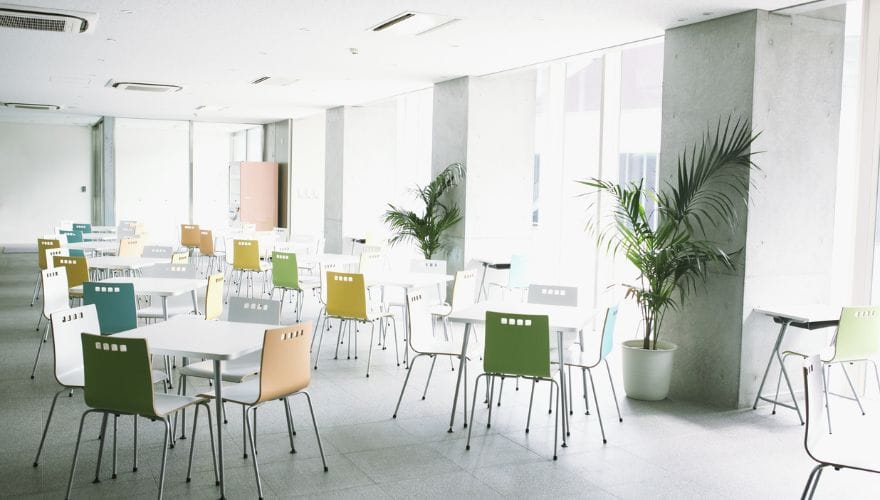
1. The Environment
Cafeterias face some of the harshest conditions in any facility. Spills are constant. Chairs are moved frequently, dragged across floors, and stacked at the end of each meal. Cleaning happens multiple times daily, often with industrial-strength disinfectants.
2. Key Considerations
| Factor | What to Look For |
| Cleanability | Non-porous surface; no crevices where food can collect |
| Chemical resistance | Withstands repeated cleaning with harsh disinfectants |
| Durability | Impact-resistant; won’t crack when knocked over |
| Stackability | For quick storage during cleaning |
| Stability | Won’t tip easily when students get in and out |
3. Types of Plastic Chairs for Cafeterias
| Type | Best For | Features |
| Heavy-duty stackable chairs | Daily cafeteria use | Reinforced frames, thicker material, commercial-grade |
| One-piece molded chairs | Maximum durability | No seams or joints; easy to clean |
| Folding plastic chairs | Multipurpose spaces | Fold flat for storage; portable |
Recommended Features
- Seamless design: One-piece molded construction prevents food and liquid from collecting in crevices
- UV-stabilized plastic: If chairs are near windows or used outdoors, prevents fading and brittleness
- Glides or casters: Protect floors from scraping
Where Plastic Chairs Excel in Cafeterias
- Daily student dining
- Staff break rooms
- Multipurpose rooms that transition between dining and events
- Outdoor dining areas
Libraries and Media Centers
1. The Environment
Libraries need chairs that balance comfort with durability. Students may sit for extended periods, so ergonomics matter. The space is quieter, so chairs should not squeak or scrape loudly. Aesthetics also matter—chairs should complement the welcoming, calm atmosphere.
2. Key Considerations
| Factor | What to Look For |
| Comfort | Contoured seat; appropriate height for desks or tables |
| Quiet movement | Glides or casters that don’t scrape |
| Aesthetics | Color and design that complements library decor |
| Durability | Withstands daily use without showing wear |
| Stackability | For flexible reconfiguration |
3. Types of Plastic Chairs for Libraries
| Type | Best For | Features |
| Ergonomic task chairs | Study areas, computer stations | Contoured back, armrest options, swivel base |
| Stackable side chairs | Reading areas, flexible spaces | Lightweight, easy to reconfigure |
| Lounge-style plastic chairs | Casual reading zones | Lower height, sometimes with padding |
Where Plastic Chairs Excel in Libraries
- Study carrels and computer stations
- Reading areas (with ergonomic designs)
- Flexible programming spaces
- Children’s sections (with age-appropriate sizes)
Auditoriums, Lecture Halls, and Training Rooms

1. The Environment
These spaces require chairs that can accommodate large numbers of people, often in fixed or semi-fixed configurations. Comfort for extended sitting matters, as does durability under heavy use. Stackability is essential for multipurpose spaces that transform between events.
2. Key Considerations
| Factor | What to Look For |
| Comfort for long sessions | Ergonomic contours; adequate padding if possible |
| Ganging capability | Ability to connect chairs together to maintain rows |
| Stackability | For storage when space is repurposed |
| Durability | Commercial-grade construction for daily use |
| Weight | Light enough for staff to reconfigure |
3. Types of Plastic Chairs for Auditoriums and Training Rooms
| Type | Best For | Features |
| Ganging chairs | Auditoriums, lecture halls | Connect side-to-side for neat rows |
| Stackable training chairs | Training rooms, multipurpose spaces | Often include tablet arms, book racks |
| Folding chairs with tablet arms | Temporary training setups | Portable; includes writing surface |
Recommended Features
- Tablet arm: Essential for note-taking or laptop use
- Book rack: For materials storage under seat
- Ganging clips: Keep chairs aligned in rows
- Casters on front legs: For easy repositioning
Where Plastic Chairs Excel in Auditoriums and Training Rooms
- Multipurpose spaces that alternate between lectures, training, and events
- Temporary seating for overflow audiences
- Testing centers requiring individual workspaces
Outdoor and Event Spaces

1. The Environment
Outdoor spaces expose chairs to sun, rain, humidity, and temperature swings. Chairs may be left outside for extended periods or moved frequently between indoor and outdoor use. Durability against UV rays and moisture is critical.
2. Key Considerations
| Factor | What to Look For |
| UV resistance | UV-stabilized plastic prevents fading and brittleness |
| Weather resistance | HDPE or polypropylene that withstands moisture |
| Stackability | For storage when not in use |
| Weight | Heavy enough not to blow over; light enough to move |
| Non-porous | Prevents mold and mildew growth |
3. Types of Plastic Chairs for Outdoor Use
| Type | Best For | Features |
| HDPE resin chairs | Permanent outdoor seating | UV-stabilized, weatherproof, heavy-duty |
| Polypropylene stackable chairs | Temporary outdoor events | Lightweight, stackable, affordable |
| Folding plastic chairs | Portable events | Fold flat for transport and storage |
Recommended Features
- UV-stabilized material: Prevents cracking and fading after sun exposure
- Drainage holes: In seat and back for rain runoff
- Weighted base: Prevents tipping in wind
Where Plastic Chairs Excel Outdoors
- School playgrounds and outdoor classrooms
- Patio and courtyard seating
- Temporary event seating (concerts, fairs, graduations)
- Poolside and sports facility seating
Comparison: Plastic Chair Types by Setting
| Setting | Best Plastic Type | Key Features | Durability Needs |
| Classroom | Ergonomic task chair | Size-graded, contoured, stackable | High |
| Cafeteria | Heavy-duty stackable | Seamless, chemical-resistant, durable | Very high |
| Library | Ergonomic or lounge | Comfortable, quiet, aesthetic | Medium-high |
| Auditorium/Training | Ganging or tablet arm | Ganging clips, tablet arm, stackable | High |
| Outdoor/Event | HDPE resin or polypropylene | UV-stabilized, weatherproof, stackable | Medium-high |
Material Comparison: Types of Plastic Used in Chairs
| Material | Properties | Best For | Lifespan |
| Polypropylene | Lightweight, rigid, affordable | Stackable chairs, folding chairs | 5–10 years |
| HDPE (High-Density Polyethylene) | Heavy-duty, UV-resistant, weatherproof | Outdoor chairs, heavy-use indoor | 10–15+ years |
| Polycarbonate | Clear or colored, impact-resistant | Designer chairs, high-visibility areas | 5–10 years |
| Recycled plastic | Eco-friendly, durable | Sustainable initiatives | 5–10 years |
Plastic Chair Selection Checklist by Setting
For Classrooms
- Size-graded options for different ages
- Ergonomic seat and back contours
- Stackable for storage
- Rounded edges for safety
- Non-slip feet
For Cafeterias
- One-piece molded design (no crevices)
- Chemical-resistant surface
- Heavy-duty construction
- Stackable for cleaning
- Glides to protect floors
For Libraries
- Ergonomic contours for extended sitting
- Quiet glides or casters
- Aesthetic that complements space
- Stackable for flexible reconfiguration
For Outdoor Use
- UV-stabilized material
- Weatherproof (HDPE recommended)
- Stackable for storage
- Drainage holes
FAQ about Plastic Chairs
1. Are plastic chairs comfortable for long periods?
It depends on the design. Basic flat-seat plastic chairs are not comfortable for extended sitting. Look for chairs with contoured seats and backs, and consider chairs designed for ergonomic support if users will sit for hours.
2. How do I clean plastic chairs in a school setting?
Most plastic chairs clean easily with mild soap and water. For disinfecting, use standard school-approved cleaners; verify chemical resistance with the chair manufacturer. One-piece molded chairs without crevices are easiest to sanitize.
3. What’s the difference between polypropylene and HDPE?
Polypropylene is lighter and more rigid—good for stackable indoor chairs. HDPE is heavier, more durable, and UV-resistant—better for outdoor and heavy-use applications.
4. Can plastic chairs be recycled?
Yes, most plastic chairs are recyclable at end of life. Polypropylene and HDPE are widely recyclable. Some manufacturers offer take-back programs.
5. How long do plastic chairs last?
Indoor polypropylene chairs last 5–10 years with normal use. HDPE chairs, especially outdoor-rated, can last 10–15 years or more. Lifespan depends on frequency of use, cleaning methods, and sun exposure.
6. Are plastic chairs safe for early childhood classrooms?
Yes, when chosen appropriately. Look for chairs with rounded edges, stable bases, and sizes appropriate for young children (seat height 8–12 inches). Avoid chairs with small parts that could detach.
7. What’s the best plastic chair for a multipurpose room?
A heavy-duty, stackable polypropylene chair with a contoured seat. Choose a neutral color that works for dining, meetings, and events. Consider models with ganging capability for formal setups.
Conclusion
Plastic chairs have earned their place in schools, institutions, and event spaces. Their lightweight design, stackability, durability, and easy cleaning make them uniquely suited to high-use environments where flexibility matters.
The key is matching the chair to the setting:
- Classrooms: Ergonomic, size-graded, stackable
- Cafeterias: Seamless, chemical-resistant, heavy-duty
- Libraries: Comfortable, quiet, aesthetic
- Auditoriums: Ganging capability, tablet arms
- Outdoor: UV-stabilized, weatherproof
With thoughtful selection, plastic chairs can serve reliably for years—adapting to the needs of students, staff, and events across your facility.
_10.webp)