






 Meet&Co
Waiting rooms have a reputation: sterile, uncomfortable, and anxiety-inducing. Whether it’s a medical clinic, a corporate reception, or a salon, the space where people wait sets the tone for the entire experience. In 2026, the traditional “waiting room” is evolving into a welcoming space that prioritizes comfort, reduces stress, and even improves perceived wait times.
A well-designed reception area does more than look good—it communicates that you value your visitors’ time and well-being. This guide will walk you through proven strategies to transform your waiting area into a place people don’t mind spending time in.
What Makes a Waiting Room Feel Uncomfortable?
Before redesigning, it helps to understand what creates a negative waiting experience. Common complaints include:
Hard, cold seating that becomes unbearable after a few minutes
Harsh fluorescent lighting that feels clinical
No visual interest—blank walls, no artwork, no greenery
Lack of privacy where conversations are overheard
Uncertain wait times with no communication
Crowding with poor traffic flow
Addressing these pain points is the foundation of a patient experience upgrade.
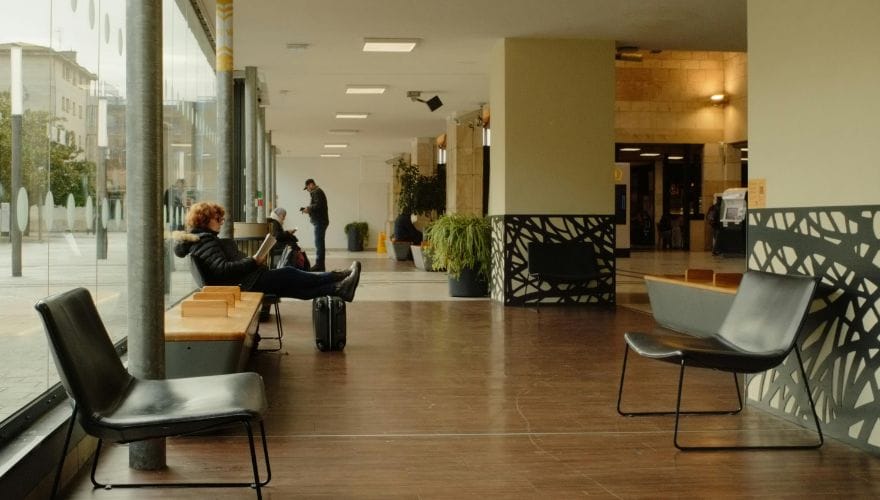
Top Design Strategies to Transform Your Waiting Area
The following strategies combine aesthetics, psychology, and functionality. Use them as a checklist for your 2026 waiting room refresh.
| Strategy | Key Elements | Impact |
|---|---|---|
| Biophilic Design | Living walls, potted plants, natural wood, water features | Reduces stress, improves mood, creates a calming atmosphere |
| Comfortable, Varied Seating | Lounge chairs, bench seating, armchairs; soft but durable fabrics | Accommodates different preferences, reduces physical discomfort |
| Layered Lighting | Warm ambient, task, and accent lighting; dimmable options | Moves away from clinical glare; creates a cozy, welcoming glow |
| Intentional Layout | Defined zones (check-in, seating, quiet corners), clear pathways | Reduces congestion, offers choice for social or private waiting |
| Engaging Technology | Digital signage with estimated wait times, wireless charging, entertainment options | Keeps visitors informed and occupied, reducing perceived wait time |
| Sensory Calming | Soft background music, subtle scents, textured materials | Engages senses to create a relaxing environment |
How to Choose Comfortable and Durable Waiting Room Seating?
Seating is the most used element in any waiting area. The goal is to balance comfort, durability, and easy maintenance. In 2026, waiting room seating trends lean toward residential-style comfort with commercial-grade construction.
Key Features to Look For
Variety of seating types: Offer a mix of individual armchairs, small sofas, and bench seating to accommodate singles, couples, and families.
Durable upholstery: High-performance fabrics (crypton, stain-resistant polyester) or commercial-grade leather are essential for longevity.
Ergonomic support: Chairs should support good posture without being rigid. Slightly angled backs and appropriate seat depth matter.
Easy-to-clean surfaces: Consider materials that can be wiped down regularly—a must for medical and high-traffic settings.
Mobility options: Lightweight chairs or those with casters allow staff to reconfigure the space quickly.
Recommended Seating Configurations
Pod-style seating: Clusters of chairs with small side tables create intimate zones.
Banquette seating: Wall-mounted benches with cushions save floor space and provide a cozy feel.
Bariatric-friendly options: Include at least one chair with wider seat and higher weight capacity to ensure inclusivity.
Why Biophilic Design and Lighting Matter?
Biophilic design—connecting people with nature—has moved from trend to standard practice in 2026. Studies show that exposure to natural elements lowers blood pressure, reduces anxiety, and makes time feel more pleasant.
Bringing Nature Indoors
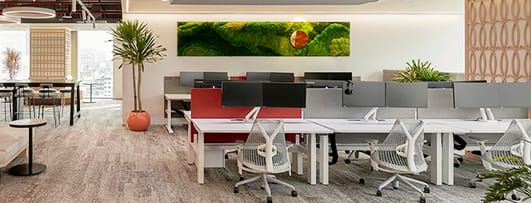
Living walls: A vertical garden serves as a striking focal point and improves air quality.
Potted plants: Use low-maintenance varieties like snake plants, peace lilies, or pothos.
Natural materials: Wood accents, stone tabletops, and rattan furniture add warmth.
Water features: A small tabletop fountain adds soothing sound.
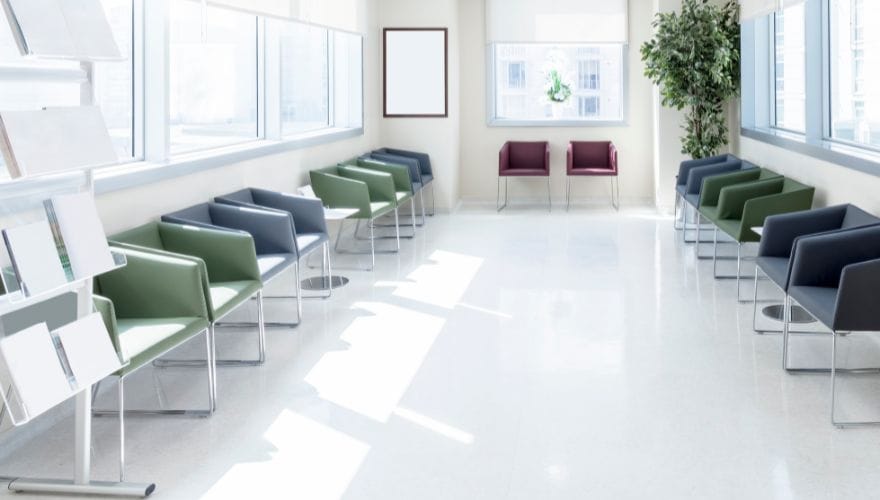
Lighting That Welcomes
Replace harsh overhead fluorescent lights with a layered approach:
Ambient lighting: Warm, indirect ceiling fixtures set the base.
Task lighting: Adjustable floor or table lamps for reading areas.
Accent lighting: Highlight artwork or architectural features.
Natural light: Maximize window access; use sheer treatments to soften glare.
Technology Integration: Keeping People Informed and Engaged
One of the biggest stressors in a waiting room is uncertainty. Perceived wait time can feel twice as long when people are left uninformed. Technology can bridge that gap and make the wait feel shorter.
Digital Signage and Queue Management
Display estimated wait times prominently.
Show a queue number system to eliminate crowding at the reception desk.
Use screens to play calming visuals, health tips, or branded content.
Connectivity and Charging
Provide ample power outlets and USB ports near seating.
Offer free, high-speed Wi-Fi with a simple login.
Consider wireless charging pads integrated into side tables.
Self-Service Check-In
Tablets or kiosks allow visitors to check in, update information, and reduce front-desk bottlenecks.
Also see: How to Choose Lounge Chairs for Waiting Areas
The Role of Layout and Privacy
Privacy is often overlooked in waiting areas, yet it’s a top concern for visitors discussing sensitive health or financial matters. A thoughtful layout can provide both openness and discreet spaces.
Zoning Strategies
Check-in zone: Separate from seating to reduce crowding.
Social zone: Clustered seating for families or those who prefer company.
Quiet zone: Individual seats with high backs or partial screens for those who want privacy.
Children’s area: A small corner with toys or a colorful rug keeps young visitors occupied and gives parents a break.
Acoustic Privacy
Use acoustic ceiling tiles, felt panels, or fabric wall coverings to absorb sound.
Avoid hard surfaces that echo; rugs and upholstered furniture help.
Frequently Asked Questions
1. How can I reduce perceived wait time in my waiting room?
Perceived wait time is often more important than actual wait time. Keep visitors informed through digital signage showing expected delays. Provide distractions like engaging visuals, reading materials, or a beverage station. Comfortable seating also helps—people are more patient when they’re physically comfortable.
2. What are the best colors for a waiting room in 2026?
Soft, nature-inspired palettes are trending. Consider muted greens, warm terracotta, sandy beige, and blues. Avoid institutional whites or overly bright colors that can increase anxiety. Use accent colors sparingly for wayfinding or branding.
3. How do I balance durability with a high-end look?
Choose commercial-grade furniture that mimics residential style. Many manufacturers now offer sofas and armchairs with cleanable performance fabrics in designer colors. For high-touch surfaces like tables, consider quartz or solid surfaces that are both elegant and easy to sanitize.
4. Can a small waiting room feel spacious and comfortable?
Absolutely. Use light colors, mirrors, and strategic lighting to open up the space. Choose furniture with exposed legs to create visual lightness. Keep pathways clear by avoiding oversized pieces. Vertical storage and wall-mounted elements also free up floor space.
5. What maintenance should I plan for a modern waiting room?
Regularly steam clean upholstery, wipe down high-touch surfaces, and replace any worn magazines or decor. Check lighting and technology quarterly. A well-maintained space signals attention to detail and reinforces trust in your services.
Conclusion
A waiting room doesn’t have to feel like a waiting room. By combining comfortable seating, biophilic elements, smart technology, and a layout that respects privacy, you can create a space that calms visitors and reflects your brand’s values.
In 2026, the best waiting areas are those that treat the time spent there as part of the overall experience—not an inconvenience to be endured. Invest in design that puts people at ease, and you’ll see the payoff in patient satisfaction, employee morale, and even operational efficiency.
Ready to upgrade your waiting area? Contact our team for expert advice on selecting furniture, planning layouts, and incorporating the latest design trends.

_9.webp)
_8.webp)


