





 Meet&Co
By 2026, the traditional open-plan office has transitioned into a Collaboration Hub. The focus is no longer on providing a desk for every employee, but rather on providing a high-performance ecosystem for hybrid teams. However, many companies are finding that a standard silent box (a pod with four walls and a door) is no longer sufficient.
An office pod that lacks integrated technology becomes an isolated island. It might block out noise, but if the Wi-Fi drops, the air becomes stale after twenty minutes, or the lighting makes the user look unprofessional on a call, the investment fails. To truly drive productivity and ensure a high Return on Investment (ROI), modern pods must function as tech-enabled ecosystems. Meet&Co’s guide explores how to integrate smart technology to turn simple acoustic booths into the most valuable real estate in your office.
Professional Video Conferencing Setup for Office Pods
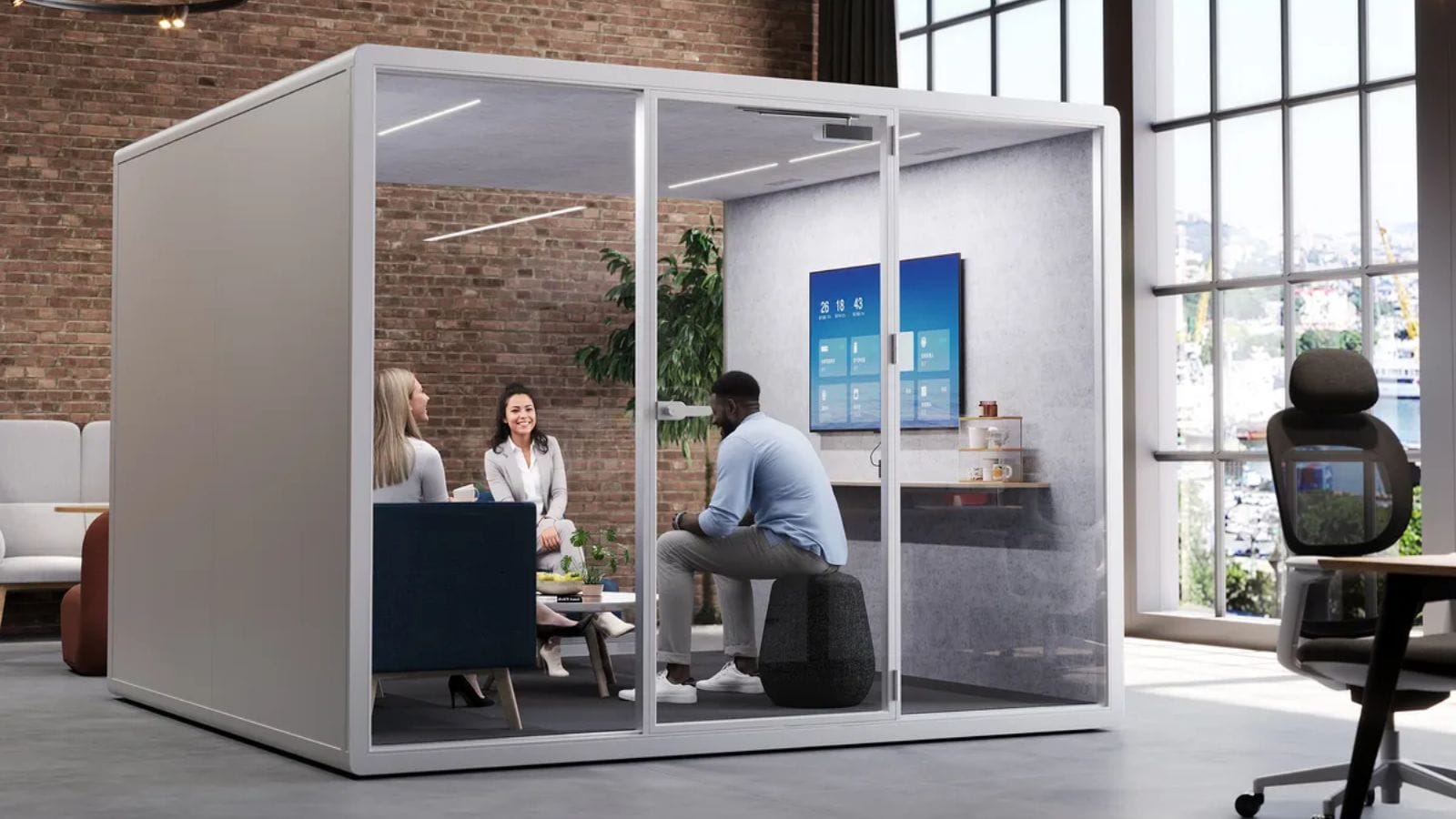
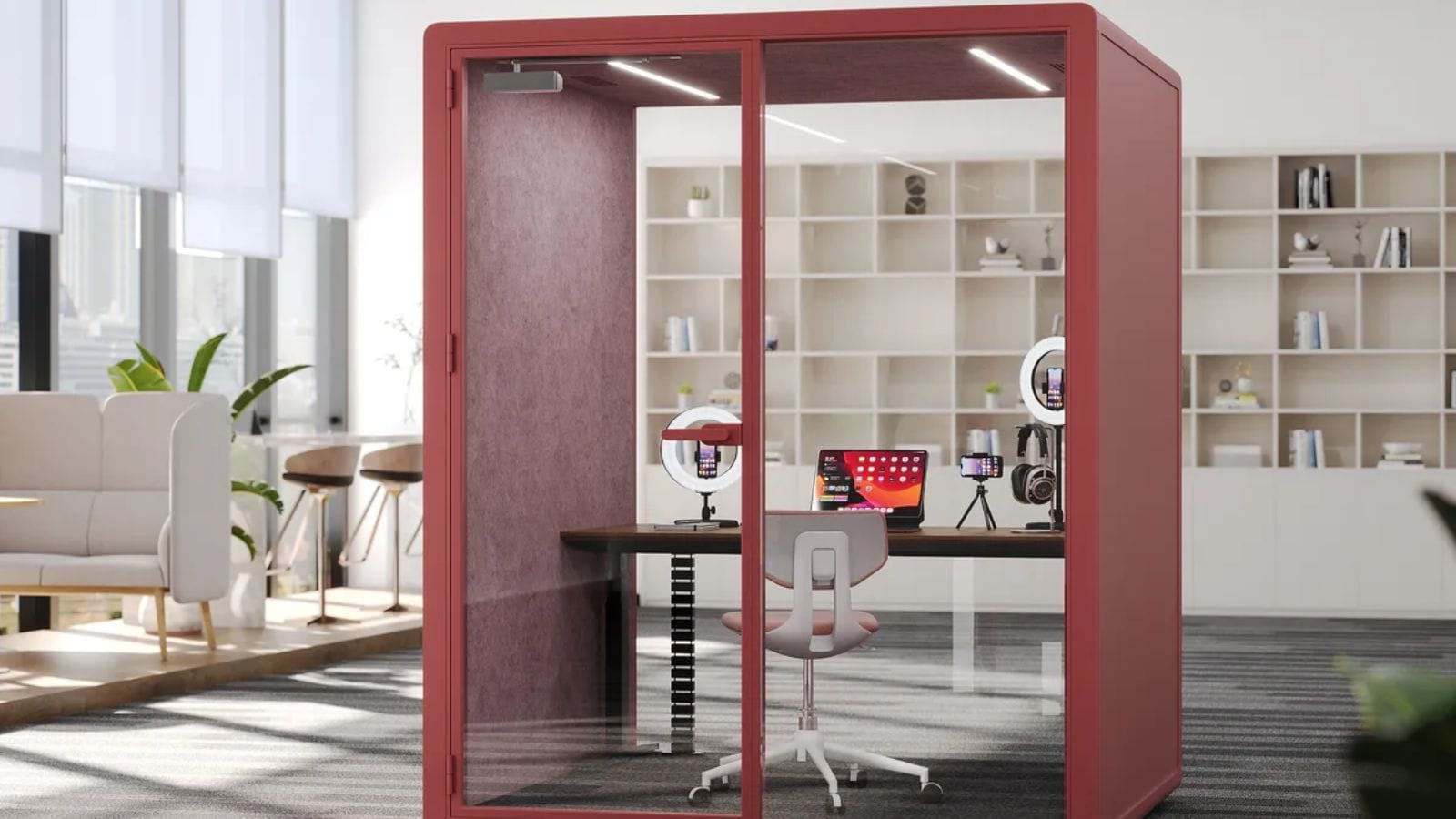
In a hybrid world, the pod is the new “front office.” It is where your employees represent your brand to clients over Zoom or Teams. A video conferencing booth setup must prioritize the digital presence of the user.
1. Studio-Quality Lighting
Most standard pods rely on a single overhead LED panel. This creates overhead shadows and the “Panda Eye” effect, where a user’s eyes are shrouded in darkness. High-performance pods now utilize diffused LED rings or vertical light bars positioned at 45-degree angles to the user’s face. This mimics a professional studio, ensuring even skin tones and a clear, energetic appearance on camera.
2. Camera Placement and Backgrounds
Professionalism is often a matter of inches. Built-in office pod furniture is now being designed with dedicated camera mounts that ensure eye-level alignment. This prevents the “looking down” perspective that feels condescending to remote participants. Furthermore, the bespoke office pod interior should utilize neutral, non-reflective acoustic-panel backdrops. This prevents visual noise and ensures the remote end isn’t distracted by reflections or busy patterns.
3. Acoustic Echo Cancellation
The internal acoustics of a pod are as important as the external soundproofing. While a pod might have a high STC (Sound Transmission Class) rating to keep outside noise out, if the internal walls are too hard, the user’s voice will bounce, creating an echo for the remote listener. High-quality pods use porous, fabric-wrapped internal panels designed for echo cancellation, ensuring the microphone picks up only the speaker’s voice, not the reverberation.
What’s the Importance of Connectivity?
One of the most overlooked technical failures in pod design is acoustic pod signal shielding. Because many high-end pods are constructed with thick metal frames and soundproof glass layers, they unintentionally act as Faraday cages.
1. Signal Shielding Challenges
When an employee steps into a pod to take an urgent 5G call, they often find their signal drops to one bar. This is due to the dense materials used to achieve high decibel reduction. Modern hybrid work office pod integration must address this by using signal-transparent materials in the roof or by integrating external signal boosters.
2. Integrated Data Ports
Relying on office-wide Wi-Fi inside a shielded box is a recipe for lag. High-performance pods now feature hardwired CAT6 or Fiber optic ports at the desk level. By connecting the pod directly to the building’s LAN, you guarantee a jitter-free connection for high-definition video calls. This “hardline” approach is a critical component of smart office pod technology.
3. Smart Booking Integration
To prevent “pod squatting” and internal friction, pods can be connected to the company’s digital infrastructure. Using external touchscreens that sync with Outlook or Google Calendar, employees can see at a glance if a pod is occupied. These systems can even automatically release the room if the motion sensors don’t detect a user within five minutes of the booking start time.
Also see: 10 Best Soundproof Office Pods for Distraction-Free Work: 2026 Guide
Human-Centric Tech: Comfort and Health Monitoring
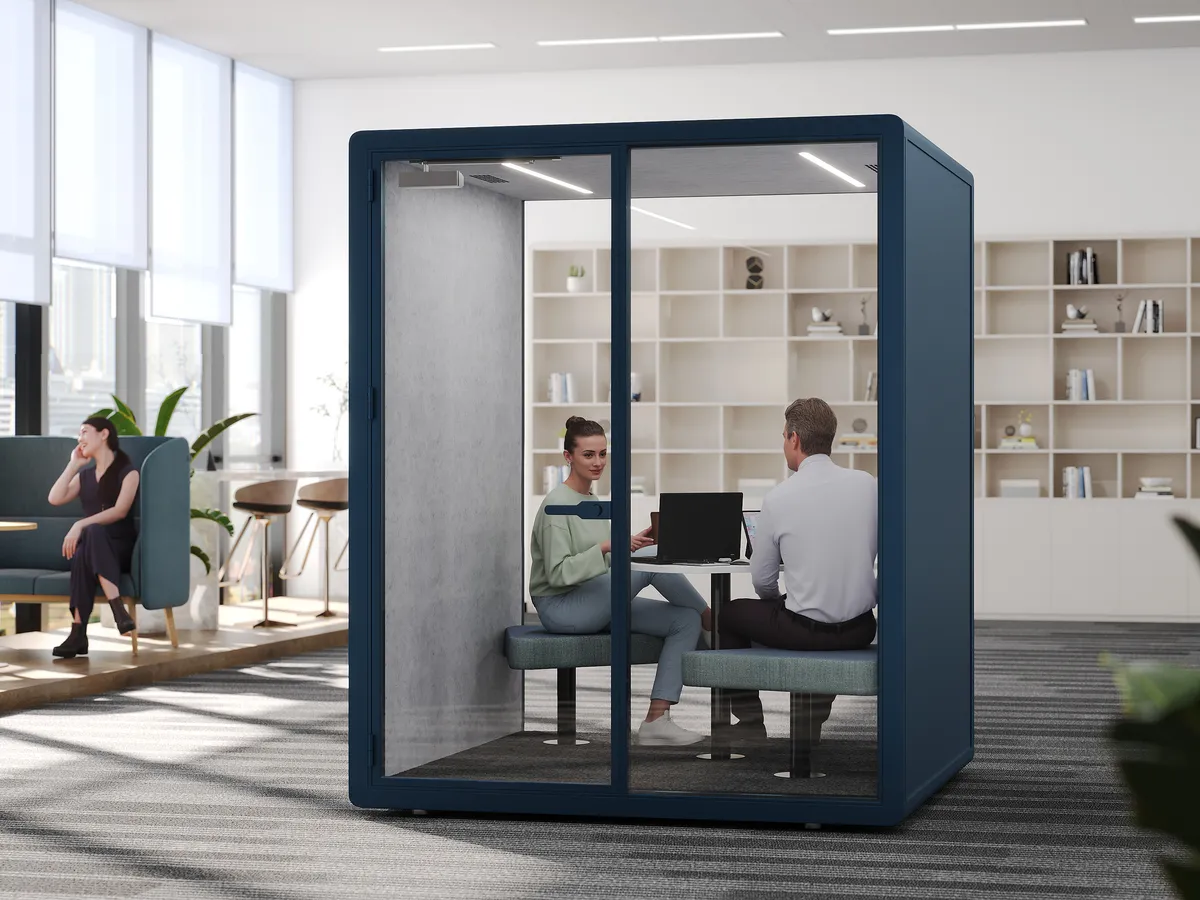
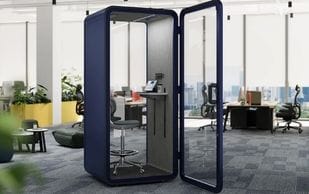
Meet&Co Office Pod Series A
A pod is only productive if an employee can comfortably stay in it for more than ten minutes. This requires an intelligent approach to environmental control.
1. Adaptive Ventilation and CO2 Monitoring
In a small, airtight space, CO2 levels can rise rapidly, leading to fatigue and reduced cognitive function. Smart office pod technology now includes integrated CO2 sensors. When levels exceed 800-1,000 ppm, the system automatically triggers silent, high-output fans to flush the air. This ensures that the air is always fresh, maintaining the user’s focus during long sessions.
2. Ergonomics Inside
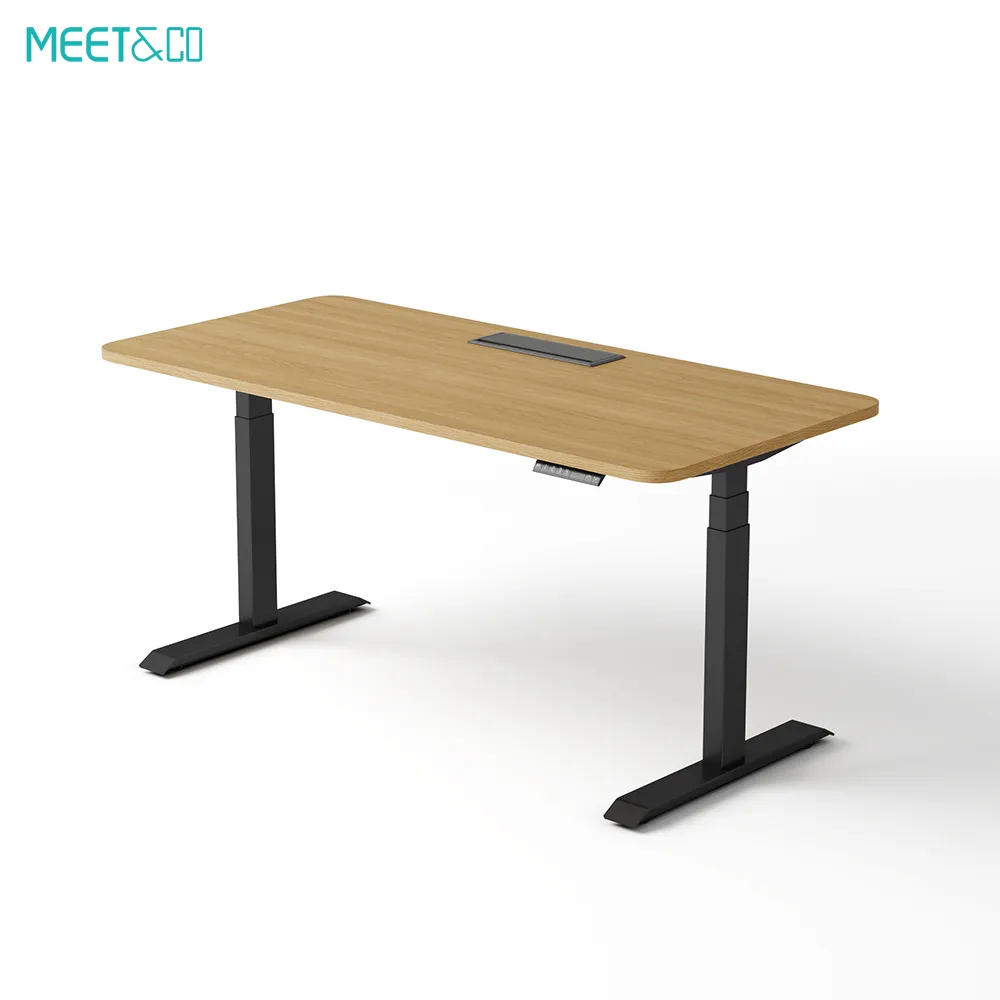
The interior should not be an afterthought. Bespoke office pod interior design now includes compact sit-stand desks that allow users to adjust their posture during long meetings. Paired with motion-sensor task lighting that adjusts brightness based on ambient light levels, these pods provide a workspace that is often more ergonomic than the main office floor.
3. Power Management
Clutter is the enemy of focus. Modern pods utilize hidden cable routing to provide USB-C PD (Power Delivery) ports capable of charging a laptop directly without a bulky brick. Additionally, wireless charging pads integrated into the desk surface minimize the need for cables entirely, keeping the small workspace clean and functional.
This is a strategic addition. In the high-end office furniture market, buyers need to distinguish between “acoustic furniture” and “integrated technology platforms.”
Top Office Pod Brands You Need to Know in 2026
1. Framery
Based in Finland, Framery is often credited with inventing the modern office pod. Their 2026 lineup, specifically the Framery One and Framery Smart Pod series, focuses heavily on smart office pod technology. They offer an integrated “Workplace” management system that provides real-time occupancy data and integrates directly with company calendars.
- Best For: Data-driven enterprises that need to track office utilization metrics.
2. Hushoffice
Hushoffice specializes in office pod customization services that allow for a high degree of modularity. Their “HushAccess” line is a leader in ADA-compliant (wheelchair accessible) designs, ensuring that hybrid work inclusion is built into the physical infrastructure.
- Best For: Large-scale offices requiring various pod sizes (from phone booths to 8-person conference pods).
Also see: Top 10 Hushoffice Office Phone Booth Alternatives: Price & Feature Comparison
3. Poppin
Poppin focuses on the “Plug-and-Play” aspect of built-in office pod furniture. Their pods are known for having the simplest assembly process while maintaining high-quality finishes. They lean into the “Soft-Office” trend, offering a bespoke office pod interior with a wide palette of residential-style fabrics.
- Best For: Rapid office expansions and creative agencies where design aesthetics are a priority.
4. Meet&Co Furniture
Meet&Co Furniture stands out for its modular approach and wide range of office furniture. They offer customization services, creating modern office pods that are ready for focus and collaborative work.
- Best For: Growing startups that need affordable furniture that scales with their headcount.
2026 Office Pod Brands
| Brand | Primary Tech Focus | Best Feature | STC Rating (Acoustics) | IoT Connectivity |
| Framery | Workplace Analytics | Integrated 4G & Occupancy Sensors | 30+ dB | High (Native App) |
| Hushoffice | Accessibility & Fit | ADA Compliant / Modular Sizing | 38+ dB | Medium (Add-on) |
| Poppin | Aesthetic Design | Tool-free “Plug-and-Play” setup | 28+ dB | Basic |
| Meet&Co | Infinite Accessibility & Fit | Modular; Customization | ~28 dB | Medium |
How to Customize Your Office Pods
As the market matures, companies are moving away from “off-the-shelf” boxes toward office pod customization services.
Brands like Framery and HushOffice have set the benchmark by integrating 4G/5G signal boosters and advanced analytics into their frames. They provide data dashboards that tell facility managers exactly how many hours a day a pod is used, allowing for data-driven decisions on future office expansions.
Customizing Beyond the Box
A bespoke office pod interior allows a company to align the furniture with its specific workflows. This includes:
- Brand-matching upholstery to maintain corporate identity.
- Soundproof glass tiers (Single, Double, or Triple glazed) based on the noise floor of the specific office area.
- Integrated AV hardware, such as built-in 24-inch monitors and professional-grade microphones.
Local Customization and Tech-Add-ons
Companies can now select specific tech packages during the procurement phase. For example, a pod can be delivered fire sprinkler ready (including a pre-cut hole for the building’s system) or equipped with IoT diagnostics that alert the maintenance team if a ventilation fan is beginning to fail.
Investment Analysis: ROI of Smart Pods
Many CFOs initially balk at the cost of a high-tech pod compared to a drywall room. However, the ROI of hybrid work office pod integration is found in flexibility and asset management.
Pods vs. Drywall: The Comparison
| Feature | Integrated Office Pod | Permanent Drywall Room |
| Mobility | Fully relocatable (on wheels/skids) | Fixed (requires demolition) |
| Installation | 4-6 hours (No permits usually required) | 4-6 weeks (Permits & Construction) |
| Depreciation | Categorized as Furniture (Faster) | Categorized as Capital Improvement |
| Tech Integration | Plug-and-play (Built-in) | Requires custom wiring & AV labor |
| Air Quality | Sensor-driven active ventilation | Passive or tied to building HVAC |
Employee satisfaction is the ultimate metric. When staff have access to a reliable, tech-enabled space that “just works,” the friction of coming into the office is significantly reduced.
Conclusion
In 2026, a pod is no longer just a piece of furniture; it is a critical infrastructure component. By prioritizing hybrid work office pod integration, companies can solve the noise complaints of the open office while providing the technical tools necessary for high-level remote collaboration. Future-proofing your office means moving beyond the box and investing in a smart, connected ecosystem that supports the human being inside it.