





 Meet&Co
A great office is more than just chairs and desks. It’s a tool. The right office layout can boost your team’s mood, collaboration, and productivity. A poor layout can do the opposite, leading to distractions, discomfort, and frustration.
You might be planning a new office or refreshing your current space. The goal is the same: to create a functional and welcoming work environment.
But with so many office layout ideas out there, where do you start? How do you choose between an open plan, private offices, or something in between?
This expert guide will walk you through practical office design concepts for 2026. As a professional furniture manufacturer, the Meet&Co team will explore layouts that balance focus and teamwork, and give you a clear plan to build a workspace that truly works for your business.
Let’s transform your office space.
Top 6 Office Layouts for Modern Teams in 2026
There is no single “best” office layout. The right choice depends on your work style, team size, and company culture.
Here are several effective office layout ideas that are popular today. Each one solves different problems.
1. The Zoned Layout
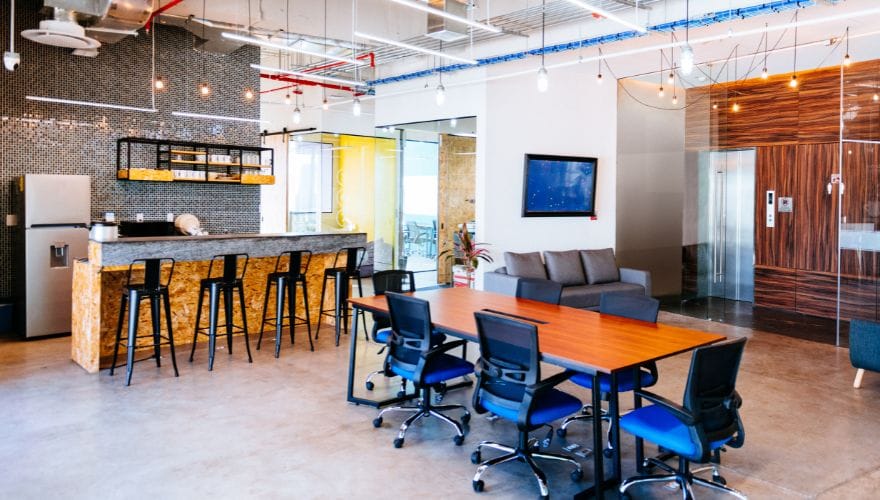
This is one of the most practical office layout ideas. Instead of having one big, open space, you create dedicated zones for different tasks.
Imagine areas for focused quiet work, areas for team collaboration, and a casual area for breaks or informal chats. This layout gives employees a choice. They can move to the zone that best supports what they’re doing at that moment.
2. The Hybrid-Ready Layout
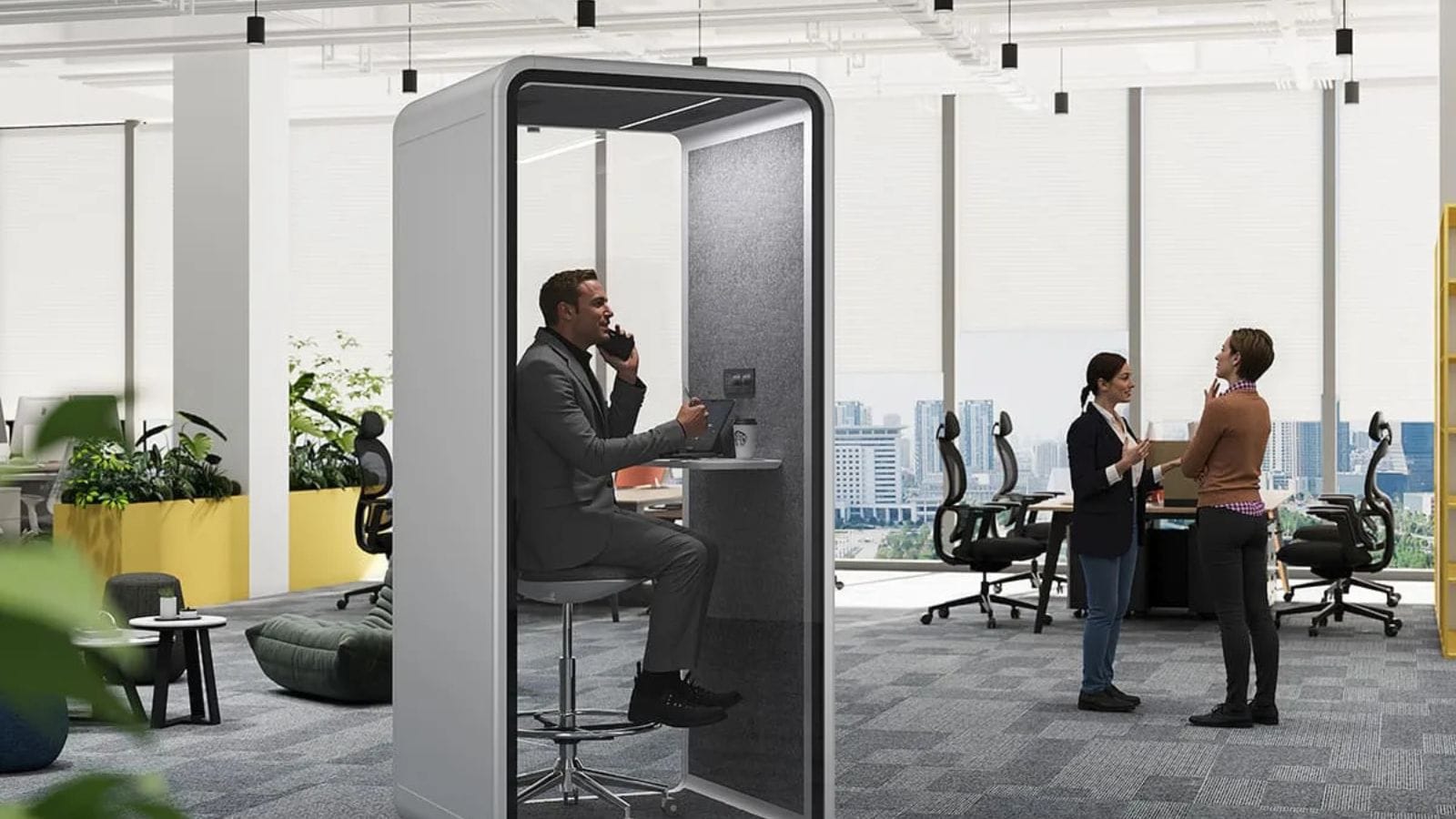
Many teams now have a mix of in-office and remote workers. This layout is built for that.
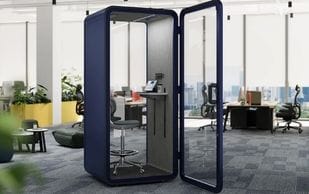
It focuses on making video meetings seamless. Think soundproof phone booths for private calls, meeting rooms with great cameras and microphones, and flexible seating that can be easily rearranged for team huddles. The goal is to make remote colleagues feel like they are right there in the room.
Explore tips, top picks, and more about office pods: Office pod learning center.
3. The Biophilic Layout

This idea connects people with nature inside the office. It uses plants, natural light, wood, stone, and even water features.
Why does this matter? Studies show that being around natural elements can reduce stress and boost creativity. A biophilic office layout can make the workspace feel calmer, healthier, and inspiring.
4. The Flexible “Pod” Layout
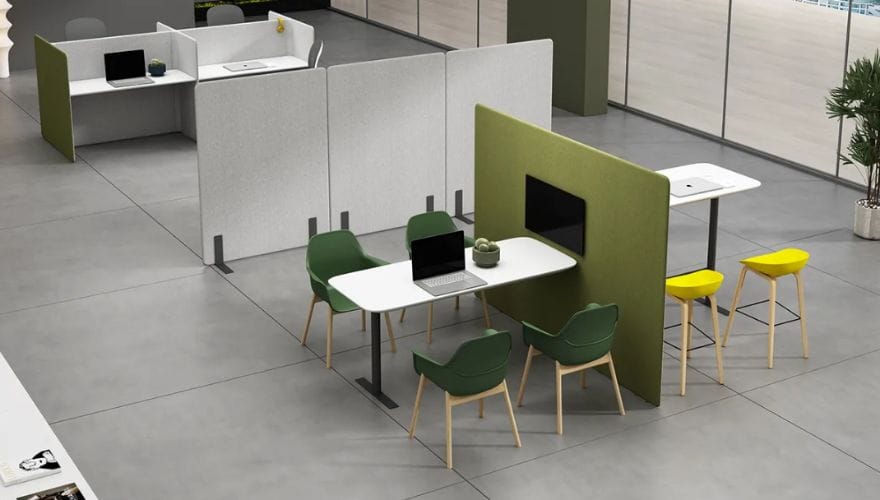
This layout uses modular furniture. Think of movable desks on wheels, lightweight partitions, and self-contained “pods” or “booths.”
The big advantage is adaptability. You can quickly rearrange the space for a new project team or change the layout as your company grows. It’s perfect for teams that need to innovate and reconfigure often.
5. The Collaboration-Centric Layout

If your team’s work is all about constant communication and brainstorming, this layout puts collaboration at the center.
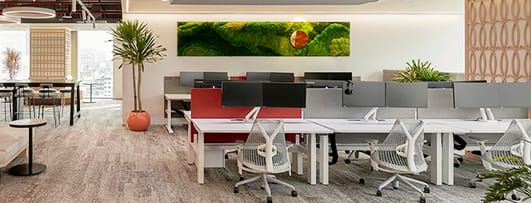
Desks or workstations are arranged around a central hub. This hub could be a large project table, a wall of whiteboards, or a casual lounge area. The design encourages spontaneous conversation and makes it easy for teams to work together visually.
6. The Budget-Friendly Refresh
You don’t always need a full renovation. Sometimes, new office layout ideas just mean rearranging what you already have.
Try moving desks to get more natural light. Create a new collaboration corner with existing tables and office chairs. Add a few plants, new lamps, or a fresh coat of paint. Small, low-cost changes can dramatically improve how the space feels and functions.
Next, we’ll look at a simple step-by-step plan to choose and implement the right layout for your office.
How to Plan Your Office Layout: A Step-by-Step Guide
You’ve seen different office layout ideas. Now, how do you actually create one for your space? It doesn’t have to be overwhelming.
Follow this simple, five-step plan to go from idea to reality.

Step 1: Define Your Needs and Goals
Start by talking to your team. Don’t just think about furniture yet. Ask questions.
- What tasks do people do every day? (Quiet focus work, team meetings, client calls?)
- What do they dislike about the current office layout?
- How many people are usually in the office? Will the company grow soon?
This conversation is the most important step. It ensures your new office layout solves real problems.
Step 2: Assess Your Physical Space
Next, get to know your empty space. You will need a tape measure.
- Measure the room’s exact length and width.
- Note where doors, windows, and support columns are.
- Mark the locations of all electrical outlets, internet ports, and light switches.
- Think about natural light. Which areas get the most sun?
Draw a simple floor plan. You can use free online tools or just sketch it on paper. This map is your foundation.
Step 3: Choose Your Core Layout Concept
Now, match your needs from Step 1 with the layout types from Part 2.
- Does your team need lots of collaboration? A Collaboration-Centric or Zoned Layout might work.
- Do you have many remote team members? A Hybrid-Ready Layout is key.
- Working with a tight budget? A Budget-Friendly Refresh using your existing furniture is a smart start.
You can mix ideas. Maybe you create a zoned layout that also uses lots of plants (biophilic design).
Step 4: Plan Your Furniture and Technology
With a layout concept chosen, list what you need. Think about:
- Workstations: Desks and ergonomic chairs.
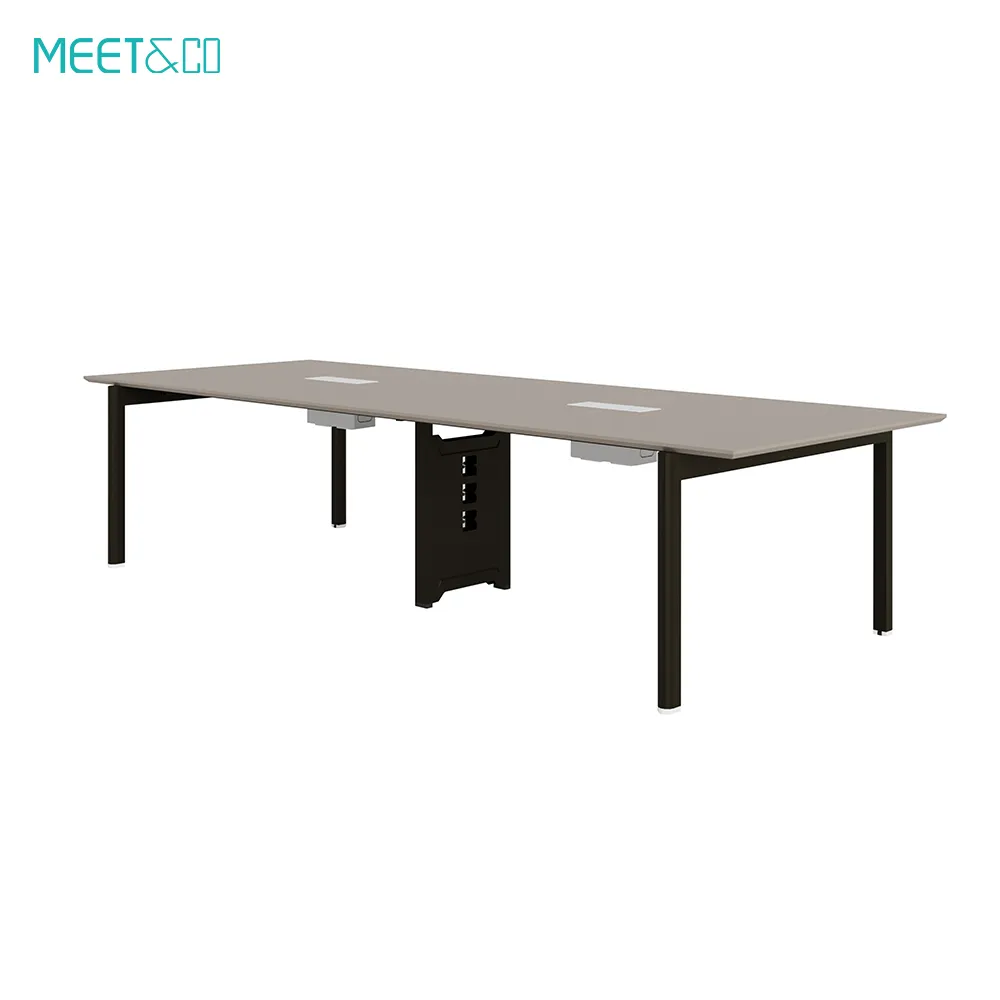
- Collaboration Spaces: Meeting tables, casual sofas, whiteboards.
- Storage: Shelves or cabinets for supplies.
- Technology: Video conferencing screens, cable management solutions, extra power strips.
A key tip: choose flexible furniture. Desks on wheels or lightweight tables can be rearranged later as your needs change.
Step 5: Create a Budget and Timeline
Finally, organize your plan into action.
- Take your furniture and technology list and research costs.
- Decide what is a “must-have” now and what is a “nice-to-have” for later.
- Make a timeline. Can you do the change in one weekend, or does it need to be a phased project over weeks?
Remember to plan for the actual move. Who will move the furniture? Will you need professional help?
Planning your office layout step-by-step makes it manageable. Next, we’ll look at solutions for specific common challenges, like small spaces or too much noise.
What are the Common Office Layout Challenges and How to Fix Them?
Every office has its unique challenges. Maybe your space is too small, too noisy, or just doesn’t feel comfortable. The good news is that smart design can solve these problems.
Here are practical solutions for three of the most common office layout challenges.

Challenge A: Making the Most of a Small Space
A small office doesn’t have to feel cramped. The right strategies can make it feel open and functional.
1. Use a Perimeter Layout
Place desks and primary storage along the walls. This opens up the center of the room, creating a clear walking path and making the space feel larger instantly.
2. Choose Multi-Functional Furniture
Every piece should earn its place.
- Folding Meeting Tables: Mounted on the wall, they fold down when needed and disappear when not in use.
- Mobile Desks or Carts: They can be a printer station, a supply cart, or a temporary workspace, then wheeled away.
- Benches with Storage: Use them for seating in a breakout area, with hidden space inside for bags or supplies.
3. Think Vertically for Storage
Don’t just use the floor. Install tall, slim shelving units. Use wall-mounted shelves and pegboards for supplies. This storage solution keeps the floor clear and draws the eye upward.
4. Use Glass or Visual Dividers
Solid walls can make a small space feel like a maze. Use glass partitions for meeting rooms or manager offices. They allow light to flow through the entire space, maintaining an open feel while still creating separate areas.
Challenge B: Controlling Noise and Maintaining Privacy
In an open office, noise is the biggest complaint. You can manage sound without building full walls.
1. Create Dedicated Quiet Zones
- Phone Booths or Focus Pods: These are small, enclosed soundproof rooms for private calls or deep work. Every modern office needs a few.
- Acoustic Panels: Hang these sound-absorbing panels on walls, especially in collaboration areas, to prevent noise from bouncing around.
2. Use Strategic Barriers
- High-Back Sofas & Screens: Place a high-back sofa between work zones. Use freestanding acoustic screens around desks. They visually and audibly separate spaces.
- Soft Flooring: Use large area rugs or carpet tiles in key areas. Soft materials absorb sound from footsteps and chair movement.
3. Establish “Quiet Hours” or Signals
Sometimes, culture helps. Designate certain hours for focused work. Encourage the use of headphones. You can even provide simple desk signs (like “In Focus Mode”) so people know not to interrupt.
Challenge C: Boosting Comfort and a Sense of Belonging
An office should be a place people want to be. Comfort leads to better well-being and productivity.
1. Invest in the Basics: Ergonomic Furniture
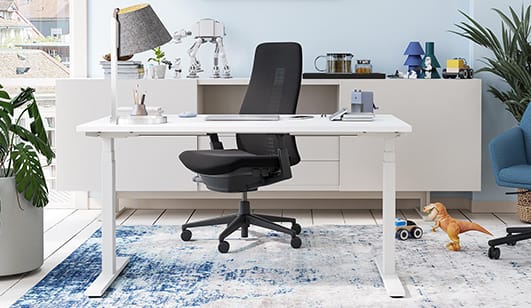
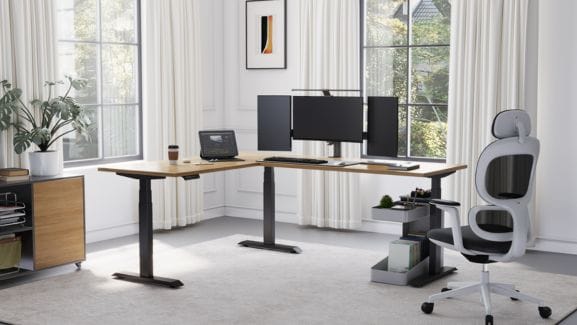
This is non-negotiable. Provide ergonomic chairs with good lumbar support and adjustable desks. When people are physically comfortable, they can work better and feel valued.
2. Layer Your Lighting
Harsh overhead lights are draining. Use a mix:
- Natural Light: Maximize it whenever possible.
- Task Lighting: Provide desk lamps so individuals can control their own light.
- Ambient Lighting: Use floor lamps or warmer ceiling lights to create a cozy atmosphere in break areas.
3. Add Personal and Welcoming Touches
- Personalization Zones: Allow teams to decorate their own team areas or provide small shelves for personal items.
- Biophilic Elements: Add plants, use wood textures, and provide access to outdoor views if you can. Nature reduces stress.
- Thoughtful Amenities: A good coffee maker, healthy snacks, and comfortable break furniture show you care about the whole person, not just the worker.
By tackling these specific challenges, you can transform your office from a standard workspace into one that truly supports your team. Next, we will look at the final mistakes to avoid in your planning process.
Conclusion: Building a Workspace That Works
Creating the perfect office layout is a journey, not a one-time project. There’s no single right answer. The best layout is the one that helps your specific team do their best work.
Remember the core steps. Start by listening to your team’s needs. Then, explore layouts that match those needs, like zoned or hybrid-ready designs. The goal is to build a workspace that not only looks good but truly works for everyone in it.

_2-1.webp)