







 Meet&Co
Maximizing storage in tight spaces can be challenging, especially when it comes to organizing files.
Choosing the right filing cabinet is key for productivity and clutter-free living.
Many people face the question: lateral vs vertical filing cabinets for small spaces.
Both options have advantages, but selecting the right type depends on your available floor space, workflow needs, and aesthetic preferences.
This guide breaks down the differences, offers practical layout tips, and highlights top cabinets suitable for small offices or home workspaces.
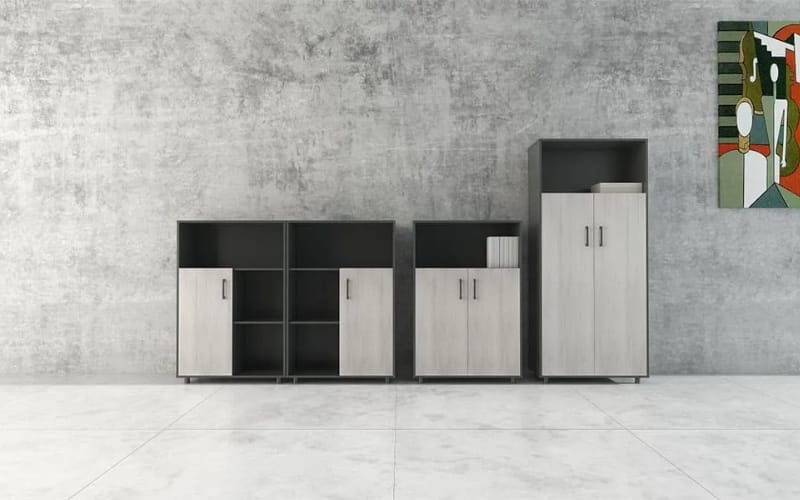
Lateral vs Vertical Filing Cabinets: Overview
What is a Lateral Filing Cabinet?
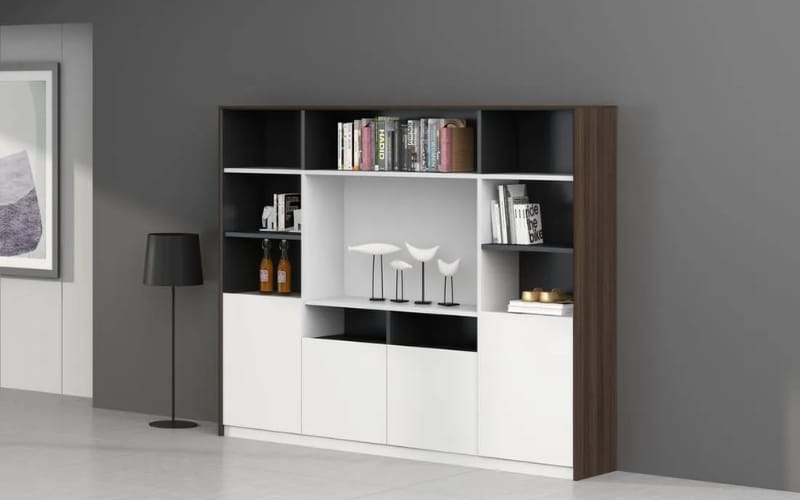
Lateral filing cabinets are wide, low cabinets with drawers that extend horizontally.
They are ideal for rooms where wall width is sufficient but floor depth is limited.
Most lateral cabinets feature two to four drawers and are suitable for letter-size or legal-size files.
Pros:
Easy access to all files at once
Can double as a printer or office surface
Stable and less likely to tip
Cons:
Takes more horizontal space
Heavier and harder to move
What is a Vertical Filing Cabinet?
Vertical filing cabinets, or upright cabinets, are tall and narrow with drawers stacked vertically.
They are perfect for small floor spaces or narrow office corners. Typically, vertical cabinets have three to five drawers.
Pros:
Saves floor space
Fits easily in tight corners
Can maximize overall storage in small areas
Cons:
Top drawers can be hard to reach
Limited surface area on top
Space Optimization for Small Offices
Choosing the right cabinets for filing involves careful measurement and layout planning.
Room Layout Tips
Measure width, depth, and ceiling height before purchasing
Check door clearance and drawer swing
Decide if the cabinet will serve as additional surface space for printers, books, or décor
Layout Examples
Narrow home office: Vertical cabinets fit neatly beside a desk without obstructing walkways
Wide wall space: Lateral cabinets offer broad storage while providing a workspace surface
For example, placing a lateral cabinet next to a workstation makes files quickly accessible, while vertical cabinets are ideal for corners in small apartments.
Capacity and Storage Efficiency
Drawer Capacity
Lateral cabinets hold files side-by-side, making them convenient for sorting multiple categories
Vertical cabinets stack files, which maximizes storage but may require bending or reaching
File Types
Lateral cabinets are great for frequently accessed documents
Vertical cabinets work best for long-term or less-used files
Daily Convenience
Lateral cabinets allow multiple users to access files simultaneously
Vertical cabinets save space but may require extra effort to reach upper drawers
Long-Term Use and Durability
When selecting a cabinet, consider the following:
Drawer slides: Ball-bearing or soft-close slides improve smoothness and longevity
Stability: Vertical cabinets should be anchored if tall; lateral cabinets are naturally heavy
Material quality: Steel is highly durable; wood or MDF adds aesthetic appeal
Vertical cabinets are usually better for tight spaces, while lateral cabinets provide easier day-to-day file access.
Design and Aesthetics
Small spaces benefit from cabinets that are functional and visually appealing:
Color and finish: Light colors make rooms feel bigger; dark colors add elegance but may feel heavy
Style: Minimalist or modern file cabinets reduce visual clutter
Dual-purpose surfaces: Lateral cabinets can serve as printer stands or additional workspace
For modern storage solutions that blend style with function, visit Meet&Co.
Environmental and Safety Considerations
Materials: Choose low-VOC wood, steel, or recyclable plastics
Safety: Anchor tall vertical cabinets to prevent tipping, especially in homes with children or pets
Sustainability: Eco-friendly options are increasingly available without compromising durability
Top Picks for Small Spaces
Here are recommended compact filing cabinets for small offices and home setups:
Vertical Filing Cabinets
Reco Series E Wood File Cabinet – Tall and narrow, perfect for corner placement
Wittes Wood Storage Cabinet – Sleek design, maximizes vertical storage
Lateral Filing Cabinet
Yunsen Series B 2-Drawer File Cabinet – Wide and low, ideal for desktops or under counters
These cabinets balance storage, style, and functionality for small spaces.
Choosing the Right Cabinet
When deciding between lateral and vertical cabinets, consider:
Floor space: Vertical cabinets fit narrow rooms; lateral cabinets need wall width
Workflow: Lateral cabinets are ideal for frequent file access
Budget vs aesthetics: Match cabinet design with your office style without overspending
Multi-functionality: Consider if the cabinet doubles as a workspace or printer surface
With careful measurement and planning, either cabinet can make your small office efficient, organized, and stylish.
For high-quality small-space storage ideas, explore Meet&Co Furniture for inspiration and product options.
Conclusion
Choosing between lateral vs vertical filing cabinets for small spaces depends on your room layout, storage needs, and aesthetic preferences.
Lateral cabinets offer easy access and surface space, while vertical cabinets maximize storage in narrow footprints.
By balancing functionality, style, and space efficiency, you can create an organized, productive, and visually appealing workspace.
_1-1.webp)


