






 Meet&Co
Wobbly chairs are a problem that is experienced in an office setting as well as a home environment. Over the course of time, people sitting and moving around might cause the chairs to lose stability, as would a different side of seated position on an uneven surface. While a little wobble may not seem like it’s going to cause any problems at the start, it can cause problems with comfort and posture in a short time. Sitting on an unsteady chair requires that your body be in constant adjustment, which can lead to back strain, poor body alignment, and fatigue. More importantly, a wobbly chair has the potential to be a safety problem because it can tip over or shift unexpectedly.
Small problems with stability usually get worse when ignored. Loose screws, worn parts, or lopsided legs could cause permanent damage if not corrected in the early stages. Small problems with stability usually get worse when ignored. Loose screws, worn parts, or uneven legs might result in permanent damage if not fixed early. The good news is that many wobble problems are relatively easy to detect and fix with simple tools and basic procedures.
This guide from Meet&Co explains the most common reasons chairs wobble, how to fix them in a step-by-step manner, how to prevent similar issues in the future, and when it may be time to replace your chair. Let’s start off by understanding why chairs became unstable in the first place.
Why Does My Chair Wobble? Common Causes of Chair Instability
1. Uneven or Loose Chair Legs
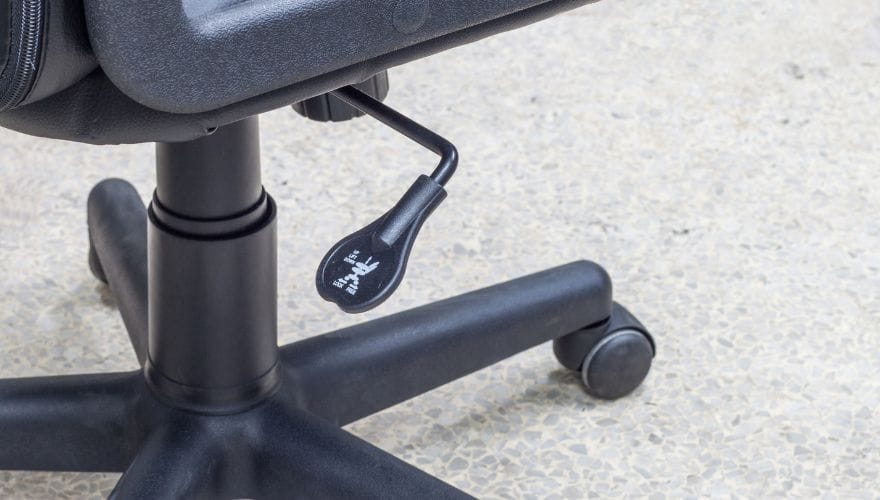
One of the most popular causes of a w philosophy chair is loose or uneven legs. Over a period of time, bolts, screws, and joints can become loose due to the consistent movement and daily application. Even the loosest of hardware can bring a balance problem and create instability.
2. Worn-out Joints or Connectors
Chair joints and connectors will wear out as they will be used time and time again. Metal parts may weaken due to constant pressure, while plastic connectors may crack and lose grip. This wear limits the flexibility of the chair to be firm and steady.
3. Uneven floors or Surface Problems
Sometimes the floors are not entirely level. The carpet’s compression is not uniform, and tiles or hardwood have height differences. These problems, on the surface, can cause even a well-built chair to wobble.
4. Damaged Chair Base or Frame
A crooked leg or cracked frame may lead to an ongoing wobble. Damage to metallic or plastic parts causes the structure of the chair to be compromised, and it often only gets worse if you do not address it as soon as possible.
Also See: Best Office Chair for Back Pain
5. Weight Distribution and Frequency of Application
Leaning to one side, rocking back and forth, or exceeding the weight limit causes uneven stress on the chair. Over time, this causes parts to become loose and less stable.
Step-by-Step Guide to Fixing a Wobbly Chair
1. Identify the Source of the Wobble
First, try to find the wobble through (i.e., where it is being wobbled by). Just place the chair on an even surface and rock back and forth in slow motion. This “rock test” helps you to know which side/leg is unstable. Next, do a visual inspection. Look carefully for legs, base, joints, and screws. Check for gaps, cracks, or loose or uneven areas. Identifying the problem in a specific case to start with will save time and unwanted fixes.
2. Tighten All Screws and Bolts
One of the most common causes of chair wobbles is loose hardware. Use simple tools such as a screwdriver, Allen key, or wrench, depending on the design of your chair. Tighten all screws and bolts. Do not assume that all screws and bolts are tight. Pay special attention to points of connection between the seat, base, armrests, and legs. Be careful not to tighten too much so as to strip threads or crack plastic parts.
First, try to find the wobble through (i.e., where it is being wobbled by). Just place the chair on an even surface and rock back and forth in slow motion. This “rock test” helps you to know which side/leg is unstable. Next, do a visual inspection. Look carefully for legs, base, joints, and screws. Check for gaps, cracks, or loose or uneven areas. Identifying the problem in a specific case to start with will save time and unwanted fixes.
Also see: Parts of a Chair: Complete Guide to Chair Anatomy
3. Level the Chair Legs
If the chair still wobbles, then unbalanced legs or flooring could be the cause. For temporary fixes, stuff fill in felt pads, rubber pads, or furniture glides under the shorter leg. These help to balance the chair and also protect the floor. Some chairs have feet that can be adjusted, which can be turned up to allow you to raise the height of each leg a little. Adjust them so that you have the chair sitting on the floor evenly.
4. Reinforcement or Repair Joints
For chairs with weak joints that do not break, reinforcement may be achieved by adding washers to bolts to provide more grip that will reduce movement. For wooden chairs, wood glue can be used to break up any loosening joints prior to tightening them in order to restore stability. In metal chairs, the application of thread locking solutions to the screws will prevent the screws from becoming loose again as time passes. Still allow repairs to be set fully before using the chair now.
5. Inspecting and Replacing Worn-Parts
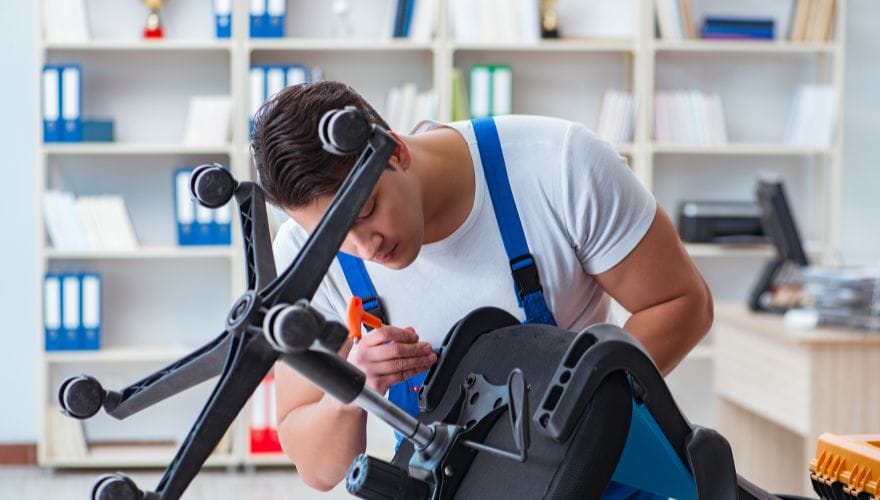
If tightening and leveling are not solving the problem, then worn parts may be the cause. Inspect the casters and see whether they roll evenly or sit flat. Uneven or damaged casters need to be replaced. Check the gas lift cylinder for excessive movement or sinking, which will affect the balance. Finally, examine the base components for cracking or bending. Replacing any worn-out or damaged parts often restores full stability and increases the life of your chair.
Also See: What is an Ergonomic Chair
6. When to Consult a Professional
Some issues with chairs are best resolved with the help of a professional. If you notice that the seat, base, or frame is structurally cracked, repairs at home may not be safe or effective. Cracks in metal or plastic can cause the chair to be weak and suddenly fail. Bent metal frames are another serious problem. Once a frame has been bent, it is hard to get it back into proper balance without using special tools.
Hydraulic or gas lift failure is also an indication to seek help. If the chair sinks, tilts unexpectedly, or is not able to maintain height, the internal mechanism may be damaged. These parts are pressurized and not worth repairing without proper knowledge.
Most importantly, consider safety risks. If the chair is not stable even with basic fixes, it can become a hazard if it continues to be used, as it may raise the risk of injury. In these instances, professional repair or replacement is the safest approach.
Also See: 10 Best Big and Tall Office Chairs
How to Stop Wobbly Chairs in the Future
1. Regular Tightening Checks
Check screws and bolts every few months to be sure that nothing has become loose. Regular maintenance helps catch little problems before wobbling occurs.
2. Proper Weight Usage
Always adhere to the weight of the chair you sit on. Exceeding it puts extra stress on the base and joints, and you will see wear and instability in a shorter time.
3. Correct Sitting Habits
Avoid leaning too far to one side, rocking backwards, or sitting on the edge of the chair. Balanced sitting allows the frame to be put under less uneven pressure.
4. Using Chairs with Appropriate Flooring
Place chairs on stable, flat surfaces. Chair mats can help to reduce movement and provide balance on carpet or rough floors.
Buying Quality Materials
Choose chairs that have sturdy frames and durable parts. Quality materials are less likely to loosen/bend over time.
When to Replace Your Chair
If your chair is still wobbling even after several repairs, it may be better to replace it. Repeated instability often means that the frame or joints are worn out beyond repair. Visible damage (i.e., cracks, bent legs, broken connectors) is another obvious sign. Comfort is also important. If the chair is no longer providing proper support or may cause discomfort, then it may affect the posture and productivity. Finally, consider the cost. When the repair expenses mount up, or if replacement parts aren’t easy to find, it is usually more practical to spring for a new and stable chair that is better for you in the long run.
Top 3 Picks – Chairs Built for Stability and Durability
1. Meet&Co Budding Ergonomic Office Chair
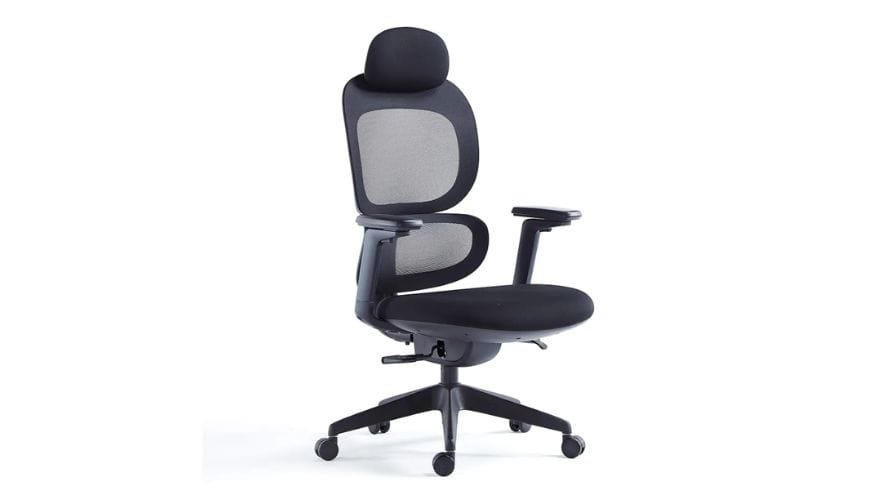
The Meet&Co Budding Ergonomic Office Chair is designed using stability and longevity as the key features. It has a five-star solid base with height range adjustment for the chair to be stable in all sitting positions. Breathable mesh back with built-in lumbar support, which helps ensure good posture throughout the day, so this is a good option for frequent use, in home and professional offices. The wobble-free performance and the variable settings make tools with variable wobbles a key strength.
Pros and Cons
| Pros | Cons |
| Strong and stable base | Assembly required |
| Adjustable height | Limited color options |
| Breathable and supportive | Not ideal for very tall users |
| Durable materials | |
| Comfortable for long sessions |
2. Herman Miller Aeron Chair
The Herman Miller Aeron Chair is an icon of ergonomic design and long-lasting durability. Its Pellicle mesh & PostureFit support allows it to help provide great stability while promoting healthy spinal alignment. The quality of the chair’s build is also exceptional, with the highest quality materials that resist wear and can maintain balance over the years that it is used. Adjustable arms, tilt, and tension controls are present and enable the fit to be tailored, making this ideal for users looking for a premium, stable seating option.
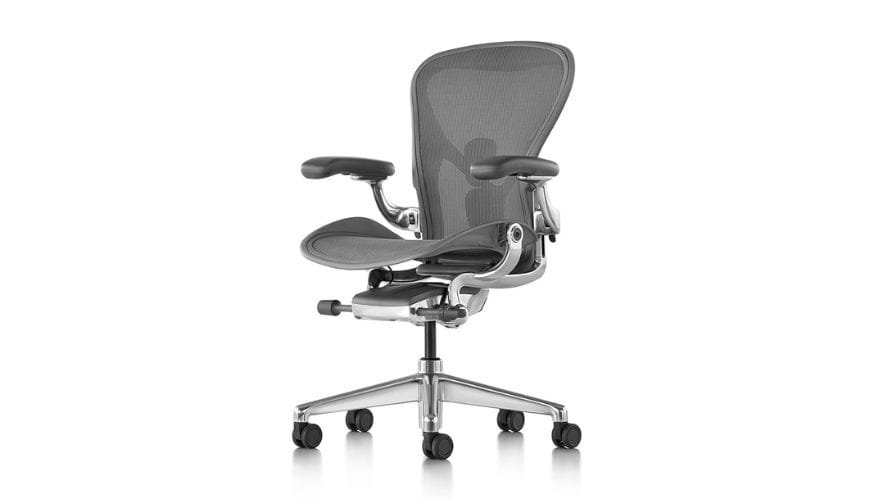
Image source: https://www.hermanmiller.com/products/seating/office-chairs/aeron-chair/
Pros and Cons
| Pros | Cons |
| Exceptional build quality | Very high price |
| Advanced ergonomic support | Complex adjustments |
| Long lifespan | |
| Breathable mesh | |
| Stable and balanced |
Also See:
3. Steelcase Series 1 Office Chair
The Steelcase Series 1 Office Chair offers balance and ergonomics in a more attainable price range. Its sturdy frame and customizable lumbar support make it a secure and comfortable base for work done daily. Seat depth and arm adjustments enable users to be able to fine tune the fit to reduce wobble caused by poor positioning. This chair is a good option for people who are looking for durable performance without sacrifices in the price range.
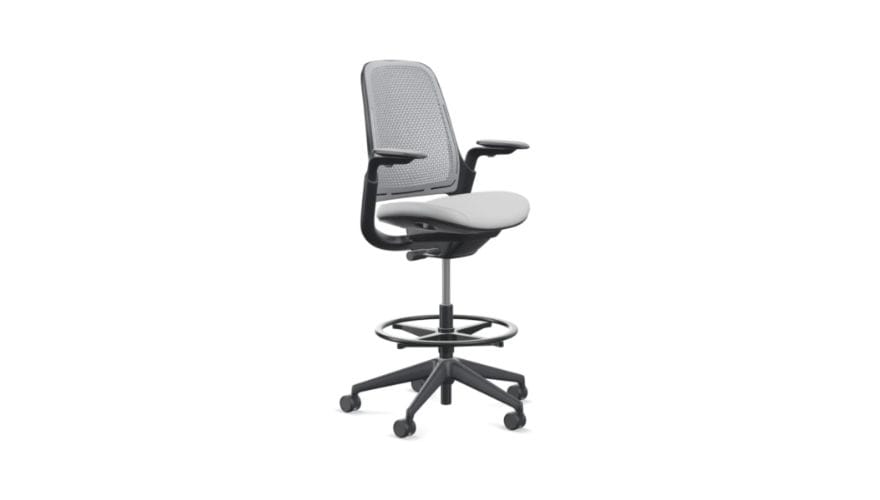
Image source: https://www.steelcase.com/products/office-chairs/steelcase-series-1/
Pros and Cons
| Pros | Cons |
| Good stability and support | Higher price than basic chairs |
| Adjustable features | Limited color selection |
| Comfortable for full workdays | |
| Durable construction | |
| Strong long-term value |
FAQs
Q1. Is a wobbly chair dangerous?
Yes, wobbly chairs can be harmful. Instability, which increases the chance of tipping, unexpected shifts, or falls. Over time, it can also lead to poor posture and muscle strain as your body attempts to balance itself.
Q2. Can tightening the screw fix most of the problems of a wobbly chair?
In many cases, yes. One of the most common causes of wobbling is loose screws and bolts. Regular tightening is often sufficient to help minor instability issues resolve rather quickly.
Q3. Are uneven floors the cause of wobbly chairs?
Yes, uneven floors can cause a wobbly chair even if it is well-built. Carpet compression, tile gaps, or uneven hardwood surfaces all may contribute to balance problems.
Q4. How often do I check if my chair is too loose?
It is a good idea to check your chair every three to six months. Chairs that are used on a daily basis may require more frequent checks.
Q5. Can casters cause a chair to wobble?
Yes, worn or uneven casters will cause instability. Replacing damaged casters usually restores balance and smooth movement.
Conclusion
Wobbly chairs result from loose hardware, worn joints, uneven floors, or daily habits of use in most cases. By dealing with these issues early on, you can avoid larger problems and continue using your chair for longer. Simple repairs like tightening screws or leveling legs often make a difference in a short amount of time. Safe and stable seating – which is important for comfort, posture, and long-term health. Investing in a well-built chair and maintaining the chair properly reduces the risk of wobbling over the years. If repairs no longer work or damage is apparent, then chair replacement is often the safest and most practical option.