






 Meet&Co
You sit down at your desk. The chair slowly drops an inch. You adjust the lever, it rises—then sinks again within minutes. A sinking office chair is not just annoying; it’s bad for your posture and productivity.
The good news: you don’t need to buy a new chair. Most sinking chairs have a failed gas lift cylinder (also called a pneumatic cylinder), and replacing it is a straightforward DIY job. This guide covers how to diagnose the problem, what tools you’ll need, and three methods to fix a sinking office chair—from a quick temporary hack to a permanent replacement.
Why Does an Office Chair Sink?
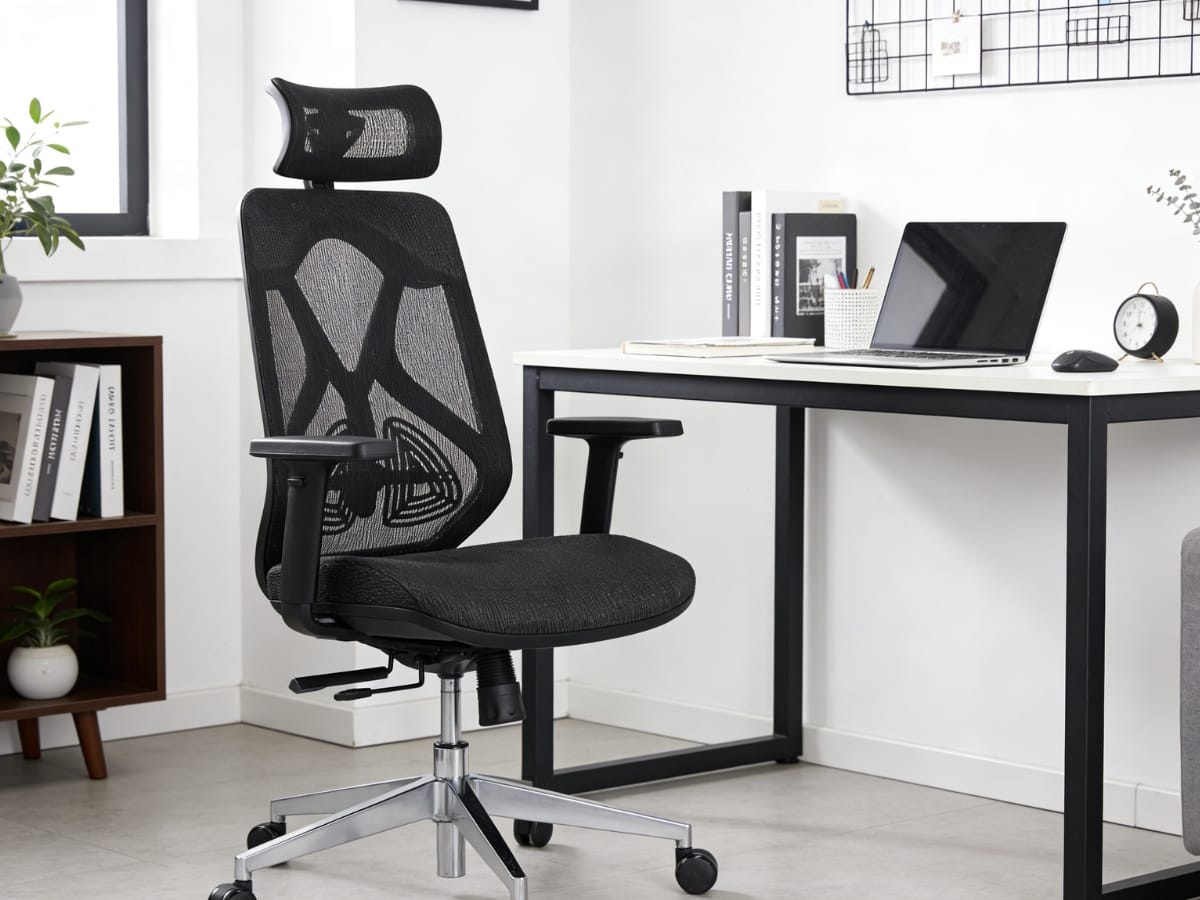
Meet&Co Wholesale Full Mesh Ergonomic Chair
Office chairs use a gas spring (similar to a shock absorber) to adjust height. Inside the cylinder, pressurized nitrogen gas pushes against a piston. When you pull the height lever, a valve opens, allowing gas to move and the seat to rise or lower.
Over time, seals wear out or the cylinder loses pressure. When that happens, the chair can no longer hold its height—and slowly sinks under your weight.
Common causes:
Worn seals in the gas cylinder (most common)
Loss of gas pressure due to microscopic leaks
Damaged or loose actuating mechanism (the lever and cable)
Debris or corrosion inside the cylinder housing
Before You Start: Diagnosis
Confirm that the cylinder is the problem.
| Symptom | Likely Cause | Fix |
|---|---|---|
| Chair sinks slowly under weight | Worn cylinder seals | Replace cylinder or install spacer sleeve |
| Chair won’t stay up at all | Complete gas loss | Replace cylinder |
| Height adjustment lever feels loose or does nothing | Broken mechanism (cable or actuator) | Repair or replace lever mechanism |
| Chair rises but then drops suddenly | Internal valve failure | Replace cylinder |
Quick test: Sit on the chair, raise it to maximum height, then release the lever. If it immediately sinks, the cylinder is failing.
Method 1: Quick Temporary Fix – Spacer Sleeve (No Disassembly)
This is the easiest, fastest fix. It doesn’t repair the cylinder—it prevents the chair from sinking by blocking the cylinder from compressing.
What you need:
A spacer sleeve (also called a chair cylinder repair kit or gas lift clamp) – available online for $10–20
No tools required for most kits
Steps:
Raise the chair to its maximum height.
Slide the spacer sleeve around the exposed chrome shaft of the gas cylinder (between the seat mechanism and the top of the cylinder housing).
Lower the chair slightly until the sleeve locks into place.
The sleeve physically prevents the cylinder from compressing further.
Pros: Cheap, fast, no tools.
Cons: You lose height adjustability. The chair stays at one fixed height. Temporary solution (sleeves can crack over time).
Best for: Budget chairs, short-term fix, or chairs where cylinder replacement is too expensive relative to chair value.
Also see: How to Adjust Your Office Chair for Perfect Posture: A Step-by-Step Guide
Method 2: Replace the Gas Cylinder (Permanent Fix)
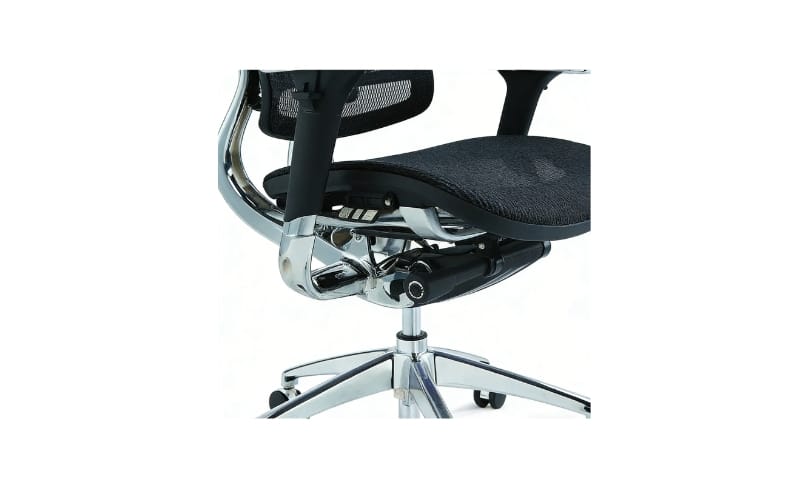
Replacing the cylinder is the proper, permanent repair. It takes about 30–60 minutes and requires some physical effort.
Tools You’ll Need
| Tool | Purpose |
|---|---|
| Pipe wrench or large adjustable pliers | Loosen cylinder from base and mechanism |
| Rubber mallet or hammer | Tap components apart |
| Penetrating oil (WD-40) | Loosen rusted or stuck parts |
| Replacement gas cylinder | Match your chair’s size (standard or tall) |
| Gloves | Protect hands from grease and sharp edges |
| Cloth or towel | Clean surfaces |
Step-by-Step Instructions
Step 1: Remove the Seat from the Base
Turn the chair upside down (place it on a workbench or old blanket).
You’ll see the gas cylinder connecting the wheel base (bottom) to the seat mechanism (top).
Step 2: Separate the Cylinder from the Base
The cylinder is press-fit into the base. Spray penetrating oil around the joint.
Use a pipe wrench to grip the cylinder. Twist and pull upward. Some cylinders require a sharp hit with a mallet from below.
Alternative method: Pour boiling water over the base (metal expands) then tap the cylinder with a mallet.
Step 3: Separate the Cylinder from the Seat Mechanism
Flip the cylinder and seat mechanism. The top of the cylinder is also press-fit into the mechanism’s center hole.
Repeat the same process: penetrating oil, pipe wrench, mallet taps.
Step 4: Install the New Cylinder
Clean both receiving holes (base and mechanism).
Insert the new cylinder’s bottom end into the wheel base. Tap gently with a mallet until fully seated.
Place the seat mechanism onto the top of the new cylinder. Tap until seated.
Turn the chair right-side up and test.
Tip: If the cylinder doesn’t seat fully, stand the chair upright and sit on it gently—your weight will push it in.
Where to Buy Replacement Cylinders
Online: Amazon, eBay, Office Chair Parts (USA), Chair Cylinder Experts
Measure before buying: Standard cylinder height is 7–9 inches (chrome shaft exposed). Tall cylinders are 10–14 inches. Also check the diameter (typically 1.1 inches / 28 mm).
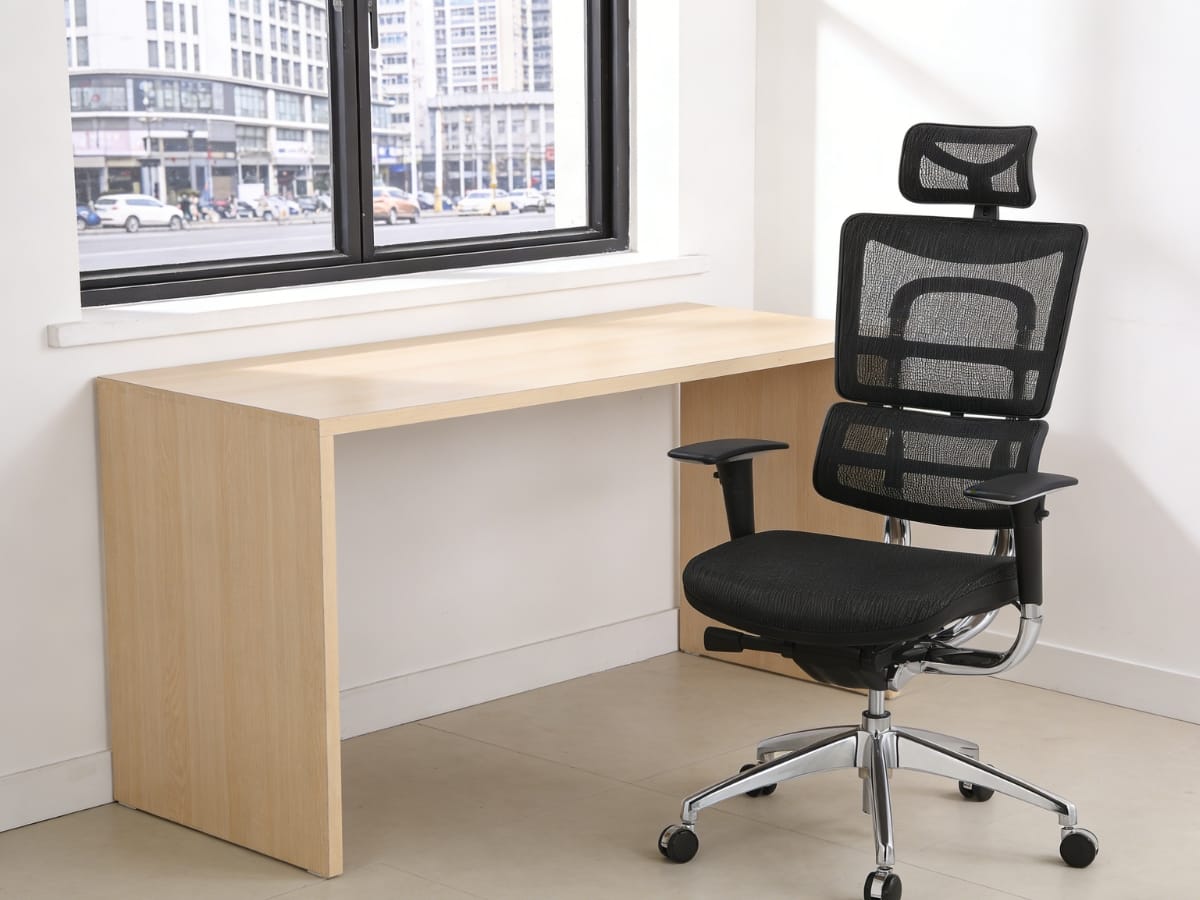
Meet&Co Full Mesh Ergonomic Chair
Method 3: Fix the Actuating Mechanism (Lever/Cable)
Sometimes the chair sinks because the height adjustment lever isn’t fully releasing the valve. The cable may be stretched or the lever loose.
Check:
Under the seat, locate the cable connecting the lever to the cylinder.
Pull the cable manually (with pliers) while sitting. If the chair adjusts normally, the lever or cable is the problem.
Tighten or replace the cable. Some mechanisms allow cable tension adjustment via a small screw.
If the lever is broken: Replacement levers and cables are available online ($10–20). Installation varies by chair brand.
Safety Warnings
Gas cylinders contain highly compressed nitrogen. Do not cut, drill, heat, or puncture a gas cylinder. It can explode with dangerous force.
Wear gloves. The cylinder and base may have sharp edges after removal.
Work on a stable surface. An upside-down chair can tip.
If the cylinder is stuck, never use a torch or extreme heat. Use penetrating oil and patience. Heat can cause the cylinder to burst.
When to Replace the Chair Instead
If your chair is cheap (under $100) and several years old, repair may not be worth it. A new cylinder costs $20–40 plus your time. Consider replacement if:
The chair frame is damaged or wobbly
Upholstery is torn or foam is compressed
Casters are broken
The chair has no other adjustable features (lumbar, armrests)
For a quality ergonomic chair ($300+), definitely repair it.
Frequently Asked Questions
1. Can I fix a sinking office chair without replacing the cylinder?
Yes, use a spacer sleeve (Method 1). It prevents the cylinder from compressing, so the chair stays at a fixed height. It’s a temporary fix but works well for budget chairs or as a stopgap.
2. How do I know what size cylinder to buy?
Measure the chrome shaft exposed when the chair is at mid-height. Standard is 7–9 inches. Also measure the diameter of the cylinder (usually 1.1 inches / 28 mm). Some chairs use a “top-activated” or “side-activated” mechanism—check your old cylinder before ordering.
3. Is it safe to hit the cylinder with a hammer?
Yes, but only on the side or bottom (never the top where the lever connects). Use a rubber mallet or place a block of wood between the hammer and cylinder to avoid damage. Never strike a gas cylinder with force that could dent it—dents can cause failure.
4. Why is my chair still sinking after cylinder replacement?
Possible issues:
The new cylinder is defective (rare but possible)
The cylinder isn’t fully seated (sit on the chair to press it in)
The actuating mechanism (cable) is stuck in the “open” position—check that the lever releases fully
The base or mechanism hole is worn (plastic bases can crack, causing poor fit)
5. Can I use PVC pipe as a DIY spacer sleeve?
Technically yes, but not recommended. A PVC pipe can crack under weight, causing sudden dropping. Buy a proper metal or heavy-duty plastic spacer sleeve designed for chair cylinders ($10–15). It’s safer and will last longer.
6. How long does a replacement gas cylinder last?
A quality replacement cylinder (rated Class 3 or 4) should last 5–10 years under normal use. Cheaper cylinders may fail within 1–2 years. Look for cylinders with a weight rating matching or exceeding your chair’s original specification.
Also see: How to Fix a Wobbly Chair: Simple Solutions That Actually Work
Conclusion
A sinking office chair is one of the easiest furniture repairs you can do yourself. Start with the temporary spacer sleeve if you need a quick fix. For a permanent solution, replace the gas cylinder—it’s a 30-minute job with basic tools and a $20–40 part.
Always prioritize safety: never cut or heat a gas cylinder. If you’re not comfortable with the repair, many local upholstery shops or office furniture dealers offer cylinder replacement services for $40–80.
With a few tools and this guide, you can stop sinking and get back to comfortable, productive sitting.