







 Meet&Co
Lounge areas are the social heart of offices, hotels, and waiting spaces. They’re where colleagues brainstorm, clients wait, and visitors relax. But designing a lounge that encourages both conversation and privacy is a challenge. Too open, and every word echoes. Too closed off, and people feel isolated.
The best lounge layouts create zones: intimate clusters for small talk, semi-private nooks for phone calls or focused waiting, and open areas for group interaction. Getting the arrangement right starts with the right seating—and how you position it.
This guide covers practical layout strategies, zoning techniques, and three recommended lounge seating products, including the versatile Caterpillar Modular Sectional Sofa.
Why Conversation and Privacy Both Matter
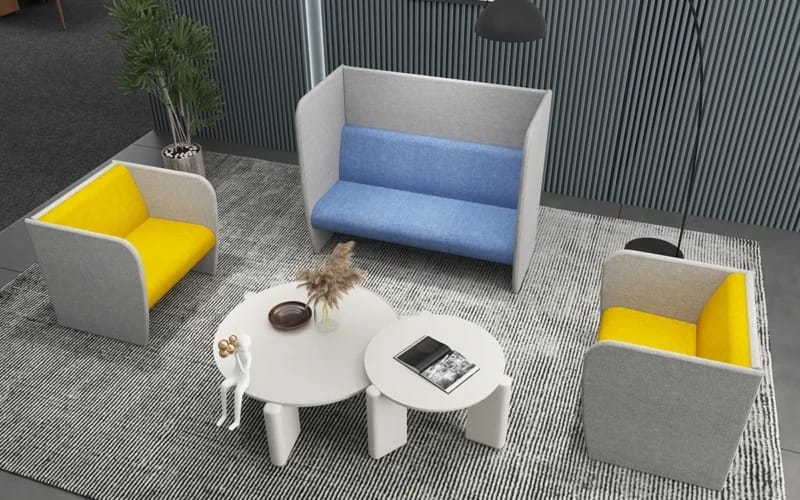
COVE High-Back Partition Sofa
In any shared space, people have different needs at different times.
Conversation: Face-to-face seating, comfortable sightlines, and proximity encourage interaction.
Privacy: Visual separation, sound absorption, and personal space allow people to work, wait, or rest without feeling exposed.
A well-arranged lounge offers both. Think of it as a series of “rooms within a room”—each with its own purpose and level of enclosure.
Key Principles for Arranging Lounge Seating
1. Create Distinct Zones
Divide the lounge into at least three areas:
Social zone: Chairs clustered around a central table or facing each other. Encourages group conversation.
Quiet zone: Individual seats or small clusters with high backs or side tables. For reading, phone calls, or working.
Transition zone: Seating near walkways or entrances. Lower backs and open sides allow easy movement.
2. Use Backrests as Visual Barriers
High-backed sofas, modular sections with tall backs, or freestanding screens create visual privacy without full walls. Arrange seating so backs face busy corridors or open areas.
3. Control Sightlines
People feel more private when they can’t see everyone else—and when not everyone can see them. Use angled arrangements, planters, or shelving units to break sightlines across the room.
4. Leave Breathing Room
Even in social zones, allow 36–48 inches between seating clusters. This prevents conversations from overlapping and gives people a sense of personal space.
5. Add Soft Surfaces for Acoustics
Lounge seating should absorb sound. Look for upholstered pieces, felt-backed panels, or fabric-covered modular sofas. Hard surfaces (glass, metal, wood) reflect noise and reduce privacy.
Also see: What are the Best Sofa Brands in 2026
Layout Strategies: Where to Place What
| Zone | Seating Type | Arrangement | Privacy Level |
|---|---|---|---|
| Social hub | Low-back chairs, modular sofas in U-shape | Facing each other around a coffee table | Low (open) |
| Quiet nook | High-back armchairs or loveseats | Angled away from main walkway, with side table | Medium to high |
| Semi-private pod | Curved modular sections or booths | C-shaped or L-shaped, opening toward a window or wall | Medium |
| Individual retreat | Single lounge chair with high back and swivel base | Placed in a corner with a floor lamp | High |
Example Layout for a 500 sq ft Lounge
Zone 1 (social): One U-shaped modular sectional (4–5 seats) around a low table. Place near windows or focal point.
Zone 2 (quiet): Two high-back armchairs with a small table between, angled 45° away from the social zone.
Zone 3 (transition): Two low-back swivel chairs near the entrance, facing the room but easily turned for exit.
3 Best Lounge Seating Options You can Consider in 2026
Here are three versatile lounge seating options that support both conversation and privacy. Each fits different space needs and budgets.
1. Meet&Co Caterpillar Modular Sectional Sofa
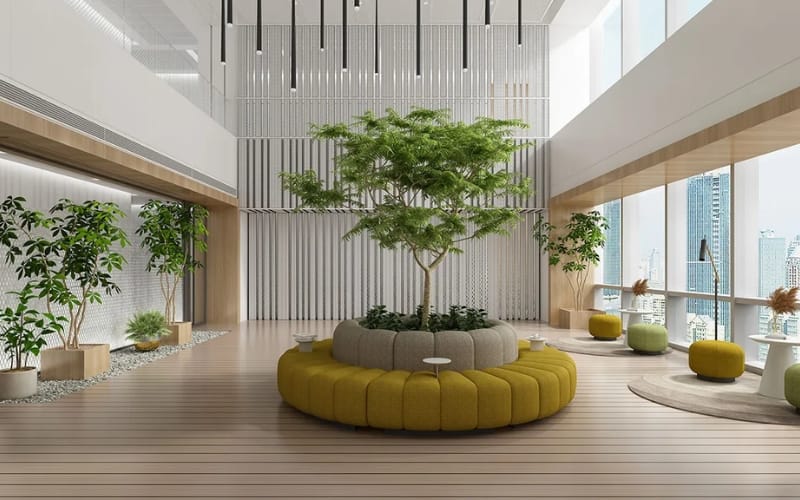
Caterpillar Modular Sectional Sofa
The Caterpillar Modular Sectional Sofa is designed for flexibility. As a modular system, it can be configured into straight rows, L-shapes, U-shapes, or curved arrangements—allowing you to create open social zones or enclosed pods.
Key features:
Modular units: Individual segments (corner, straight, ottoman) can be rearranged anytime.
High back option: Some modules offer taller backrests for added visual privacy.
Durable upholstery: Commercial-grade fabric resistant to stains and wear.
Built-in power (optional): USB ports and outlets available for charging.
Best for: Offices, hotel lobbies, and co-working spaces that need reconfigurable seating for both group conversation and quiet corners.
How to arrange for conversation and privacy: Form a U-shape for social gatherings; use two straight sections back-to-back to create separate zones with a shared footprint; add a corner piece with a tall back to carve out a semi-private nook.
2. Vitra Alcove Highback Sofa
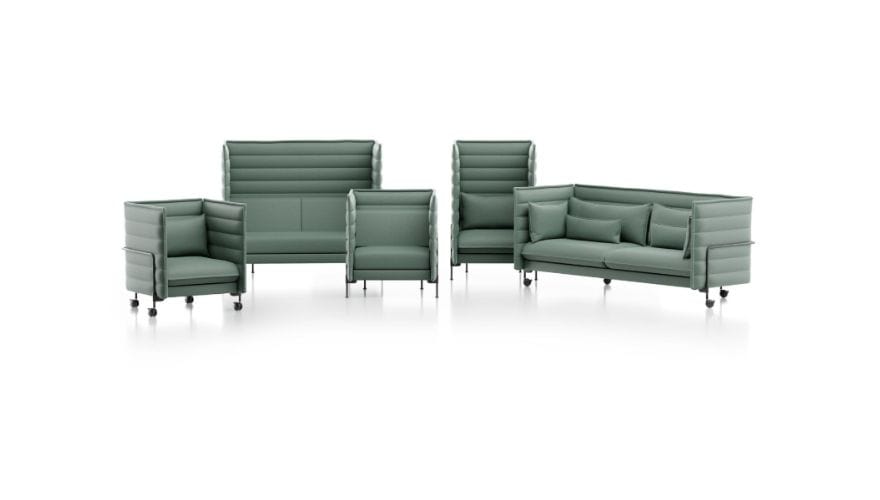
https://www.vitra.com/en-us/product/details/alcove-sofa
If the previous options focus on flexibility and social flow, the Vitra Alcove Highback Sofa is designed for one thing: creating an oasis of deep privacy. Designed by Ronan and Erwan Bouroullec, the Alcove is often described as a “room within a room.” With side and back panels standing over 53 inches (135 cm) tall, the sofa envelops you in upholstered acoustic barriers that block both visual distractions and ambient noise.
Key features:
Immersive privacy: The exceptionally high side and back panels provide visual isolation and sound absorption, ideal for private calls or focused work in open spaces.
Freestanding presence: The Alcove is beautiful from every angle, allowing it to be placed in the center of a room—not just against walls—to anchor zones within large areas.
Modular intimacy: Pair two Alcove highback sofas facing each other to create a completely enclosed, miniature meeting room with remarkable seclusion.
Iconic design: A design classic from Vitra and the Bouroullec brothers, the Alcove elevates both comfort and aesthetics.
Best for: Executive retreat lounges, quiet zones in law firms or psychology clinics, luxury hospitality spaces, or anywhere absolute privacy and acoustic comfort are paramount.
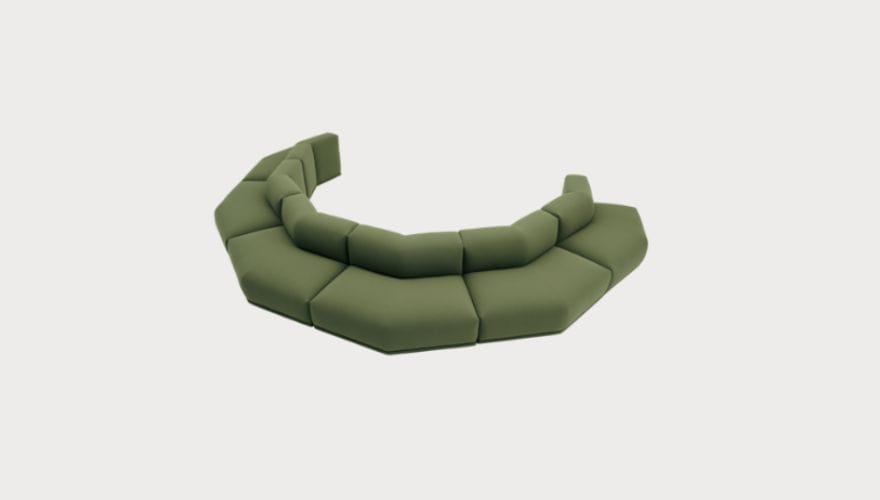
3. Muuto Connect Modular Sofa
https://www.muuto.com/products/shop-by-family/connect-modular-sofa/
The Muuto Connect system offers low-back and high-back modules that can be combined to create both open and enclosed seating. Its Scandinavian design fits modern interiors.
Key features:
Mix of back heights: Low for social, high for privacy.
Integrated side tables: Some modules include built-in surfaces.
Sustainable materials: Wool blend upholstery and FSC-certified wood.
Easy reconfiguration: Modules connect via simple hardware.
Best for: High-design offices, boutique hotels, and spaces where aesthetics matter as much as function.
Arrangement tip: Use high-back modules to create a “room within a room” – a square configuration with an opening on one side. Inside, place a low table and low-back seating for an intimate conversation pit.
How to Test Your Lounge Arrangement
Before finalizing, try this simple test:
Sit in each seat. Can you see people in other zones without turning your head? That may be too open. Can you see a clear path to exit? That’s good.
Have a conversation. Two people sit 4–5 feet apart. Is the noise from other zones distracting? If yes, add a soft barrier (plant, screen, or high back).
Try to work privately. Sit in the quiet zone and pretend to take a phone call. Can you be heard across the room? If yes, adjust angles or add acoustic panels.
Frequently Asked Questions
1. How much space should I leave between lounge chairs for conversation?
For comfortable conversation, place chairs 4–6 feet apart (center to center) when facing each other. This allows normal voice levels without leaning in. For side-by-side seating (e.g., on a sofa), 24–28 inches per person is adequate.
2. What’s the best way to create privacy in an open lounge without walls?
Use high-back seating, freestanding screens, bookshelves, or large plants to visually separate zones. Modular sofas with tall back panels are especially effective. Also consider area rugs to define each zone acoustically and visually.
3. Can modular sofas really be reconfigured easily?
Yes. Quality modular systems like the Caterpillar use simple connectors that can be detached and reattached without tools. You can change layouts in minutes—ideal for spaces that host different events or need seasonal refresh.
4. How do I balance conversation and privacy in a small lounge (under 300 sq ft)?
Focus on two zones maximum: one social (small L-shaped sofa with two chairs) and one quiet (single high-back armchair in a corner). Use a low bookshelf or plant as a visual divider. Avoid oversized pieces that crowd the space.
5. What materials help with acoustic privacy?
Soft, porous materials absorb sound: fabric upholstery, felt wall panels, carpet, and curtains. Avoid leather, glass, and hard plastic if privacy is a priority. For modular sofas, choose wool or polyester blends over smooth leather.
Conclusion
Arranging lounge seating for both conversation and privacy is about intentional zoning and the right furniture. Start by dividing your space into social, quiet, and transition zones. Then choose seating that supports each function—modular sectionals for flexibility, high-back chairs for enclosure, and low-back pieces for openness.
The Meet&Co Caterpillar Modular Sectional Sofa offers unmatched adaptability, letting you reconfigure from a collaborative U-shape to individual pods as needs change. Pair it with high-back chairs and thoughtful placement, and your lounge will welcome both lively chats and quiet moments.
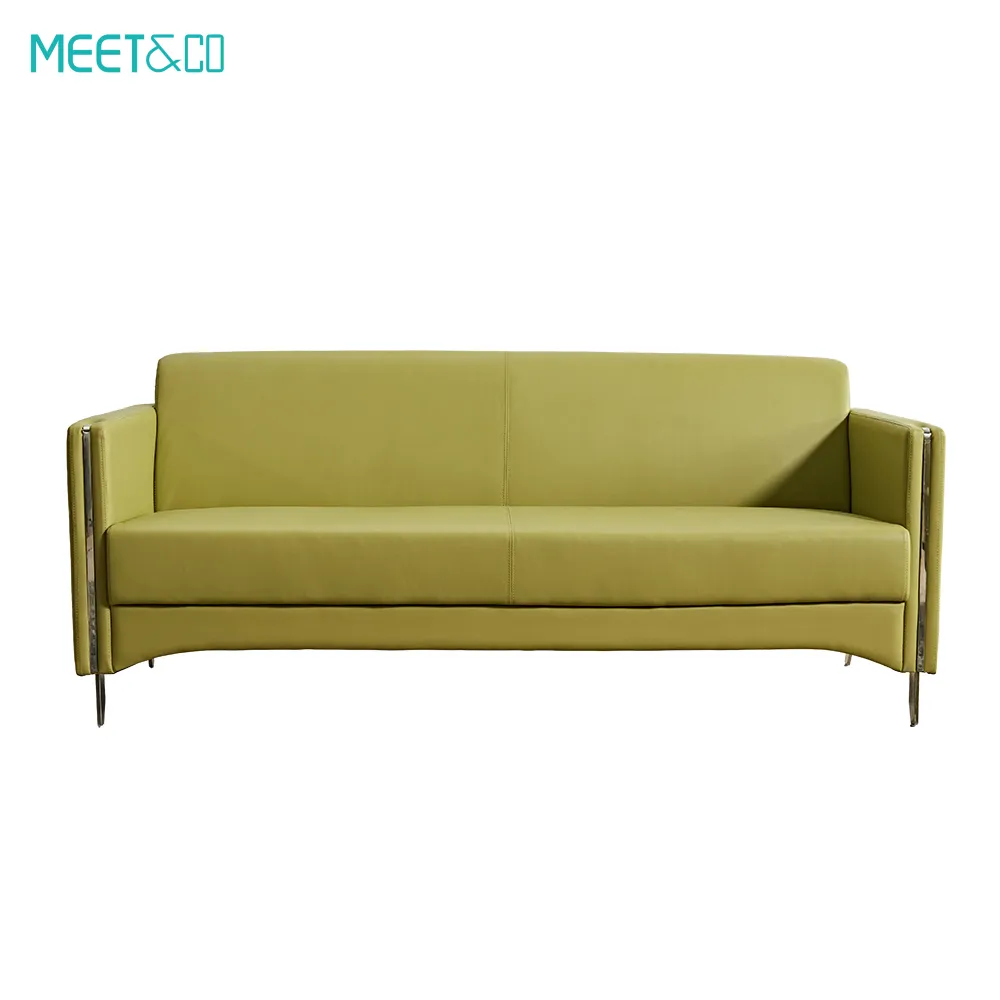
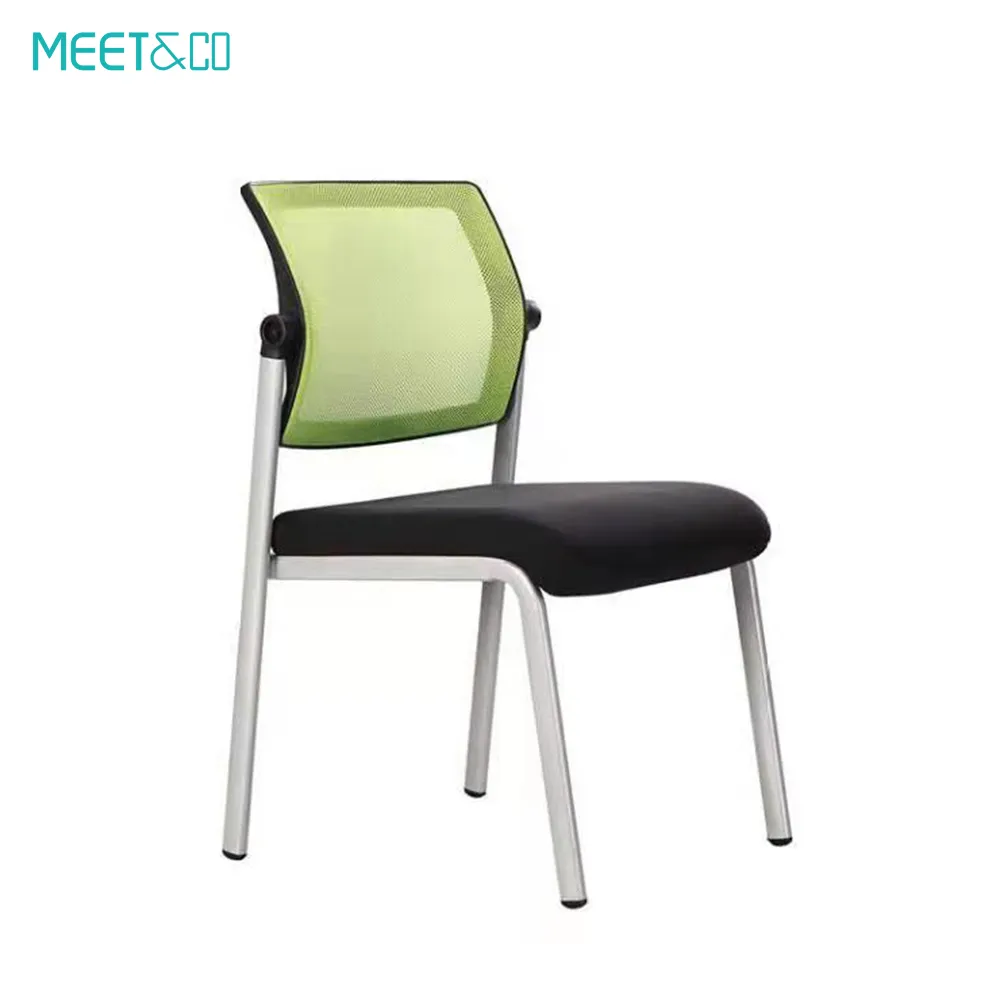
Ready to design your lounge? Explore our collection of modular seating, high-back lounge chairs, and acoustic solutions. Contact us for free space planning.
_1.webp)


